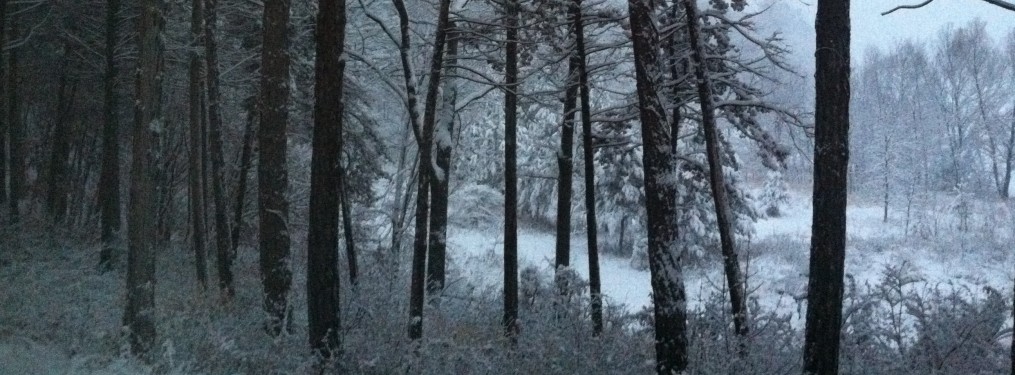

We are creatures of the sun. We seek out solar spaces — places of warmth and light, though they are fleeting in Minnesota’s late October days. I share my spot of radiance with lady bugs, a meadow hawk dragonfly, a butterfly, bumblebees and a hardy green bee. They soak up energy to power their flight muscles, and I to relax sore back muscles. I revel in this gentle warmth and comfort of a sort I won’t feel again until next spring.
These solar rays travel 93 million miles (150 million kms) in approximately eight minutes and fuel most of life on Earth. Specialized green plant cells called chloroplasts capture sunlight and transform it into glucose to power a plant’s existence. This converted solar energy is transferred to all creatures who eat the plants, and, in turn, to all who eat the creatures.
We are the stuff of stars, our atoms born in the fusion furnace of some sun, who knows where or when. Scientists believe that most hydrogen and helium atoms were produced during the Big Bang about 13.8 billion years ago. As stars began to “burn” and move through their life cycle, the hotter, denser stars produced heavier elements needed for life, such as carbon, nitrogen and oxygen. The heaviest elements (anything greater than iron) were generated during supernovae, when old, very large, heavy burning stars collapsed and exploded, spewing out elements into the universe to be used again.
I like to ponder these mysteries of creation and connection, of where our atoms have been and will someday be after my time. What better place to reflect than within a warm pocket of sunlight shared with a few earthly companions?

A green bee (Agapostemon ssp.) nectars on (Heliopsis ‘bleeding heart’).

An autumn meadowhawk dragonfly (Sympetrum vicinum) suns on our garden wall. These dragonflies often remain active into November.
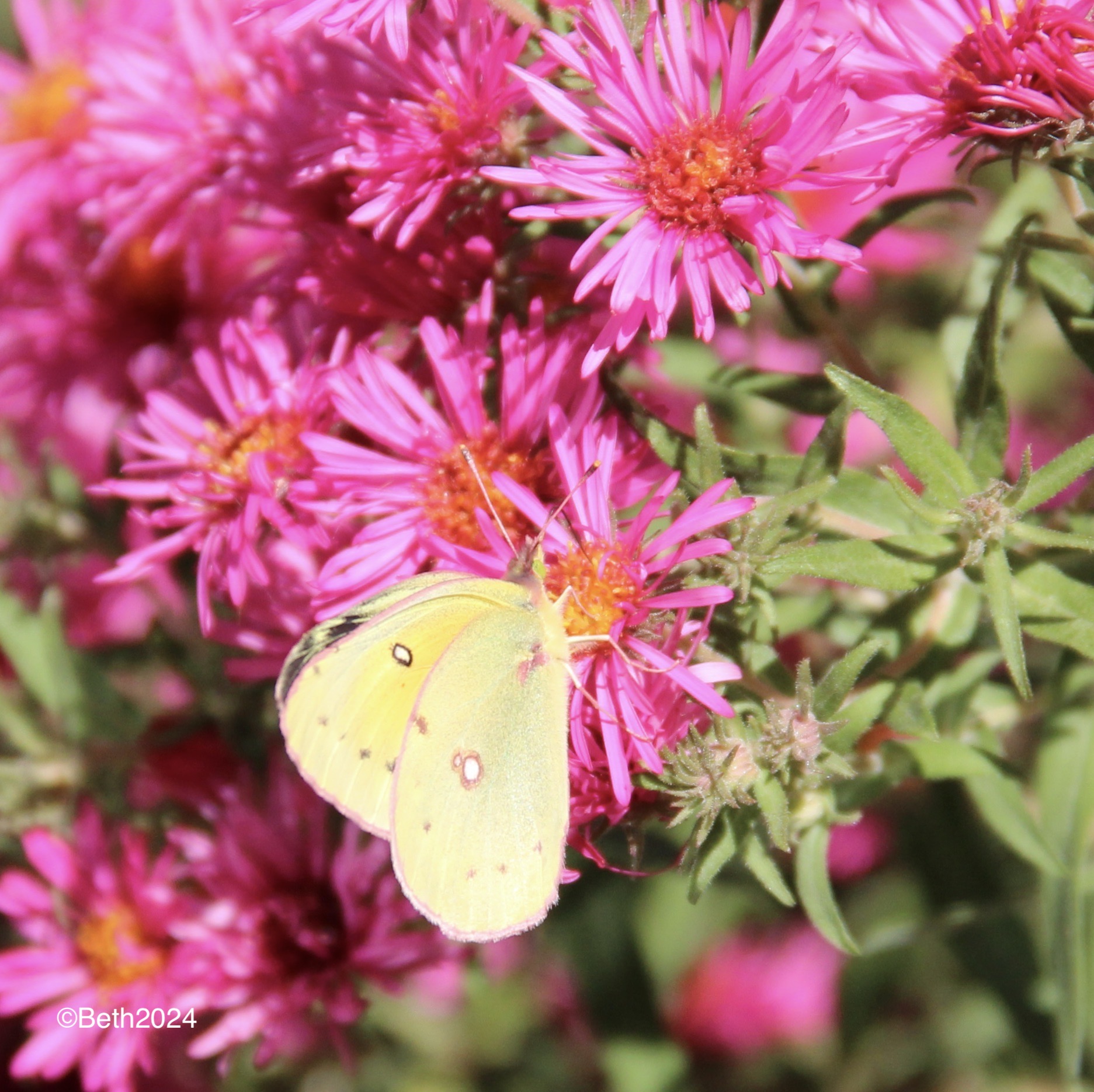
An orange sulphur (Colias eurytheme), nectars on the last of the asters (Symphyotrichum novae-angliae).
Sources and Further Reading


 Nature, Garden, Life