Musings on a Patch of Sunlight

We are creatures of the sun. We seek out solar spaces — places of warmth and light, though they are fleeting in Minnesota’s late October days. I share my spot of radiance with lady bugs, a meadow hawk dragonfly, a butterfly, bumblebees and a hardy green bee. They soak up energy to power their flight muscles, and I to relax sore back muscles. I revel in this gentle warmth and comfort of a sort I won’t feel again until next spring. 

These solar rays travel 93 million miles (150 million kms) in approximately eight minutes and fuel most of life on Earth. Specialized green plant cells called chloroplasts capture sunlight and transform it into glucose to power a plant’s existence. This converted solar energy is transferred to all creatures who eat the plants, and, in turn, to all who eat the creatures.

We are the stuff of stars, our atoms born in the fusion furnace of some sun, who knows where or when. Scientists believe that most hydrogen and helium atoms were produced during the Big Bang about 13.8 billion years ago. As stars began to “burn” and move through their life cycle, the hotter, denser stars produced heavier elements needed for life, such as carbon, nitrogen and oxygen. The heaviest elements (anything greater than iron) were generated during supernovae, when old, very large, heavy burning stars collapsed and exploded, spewing out elements into the universe to be used again.

I like to ponder these mysteries of creation and connection, of where our atoms have been and will someday be after my time. What better place to reflect than within a warm pocket of sunlight shared with a few earthly companions?

A green bee (Agapostemon ssp.) nectars on (Heliopsis ‘bleeding heart’).

An autumn meadowhawk dragonfly (Sympetrum vicinum) suns on our garden wall. These dragonflies often remain active into November.

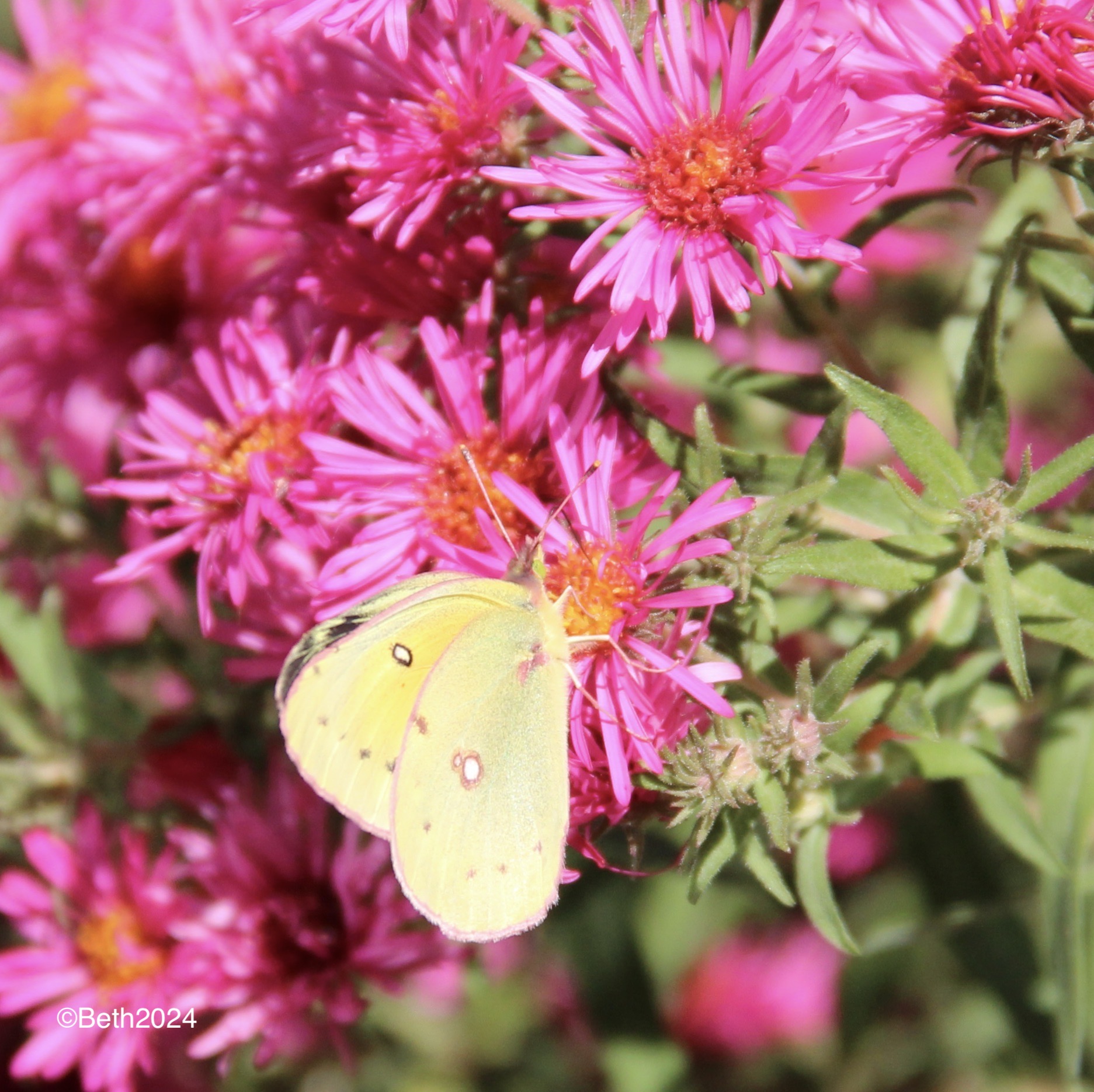
An orange sulphur (Colias eurytheme), nectars on the last of the asters (Symphyotrichum novae-angliae).

Sources and Further Reading

The Early Universe

Cosmic History

Our Sun: Facts 

DOE Explains Nucleosynthesis

Are We Made of Stardust?

November Sunset

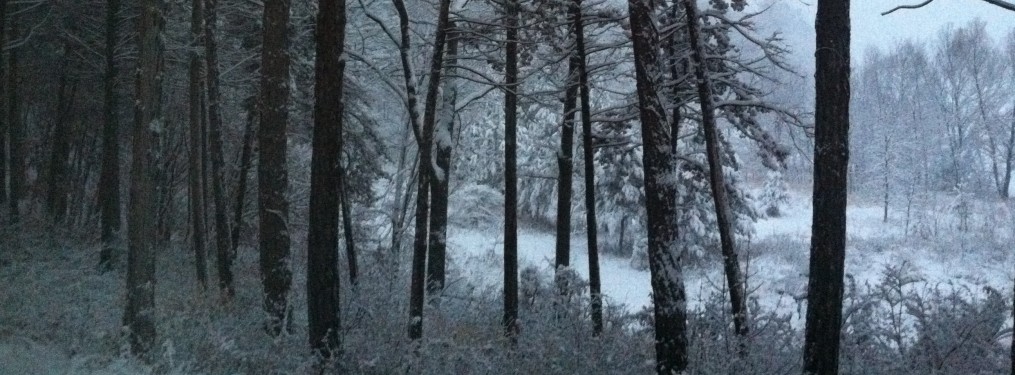
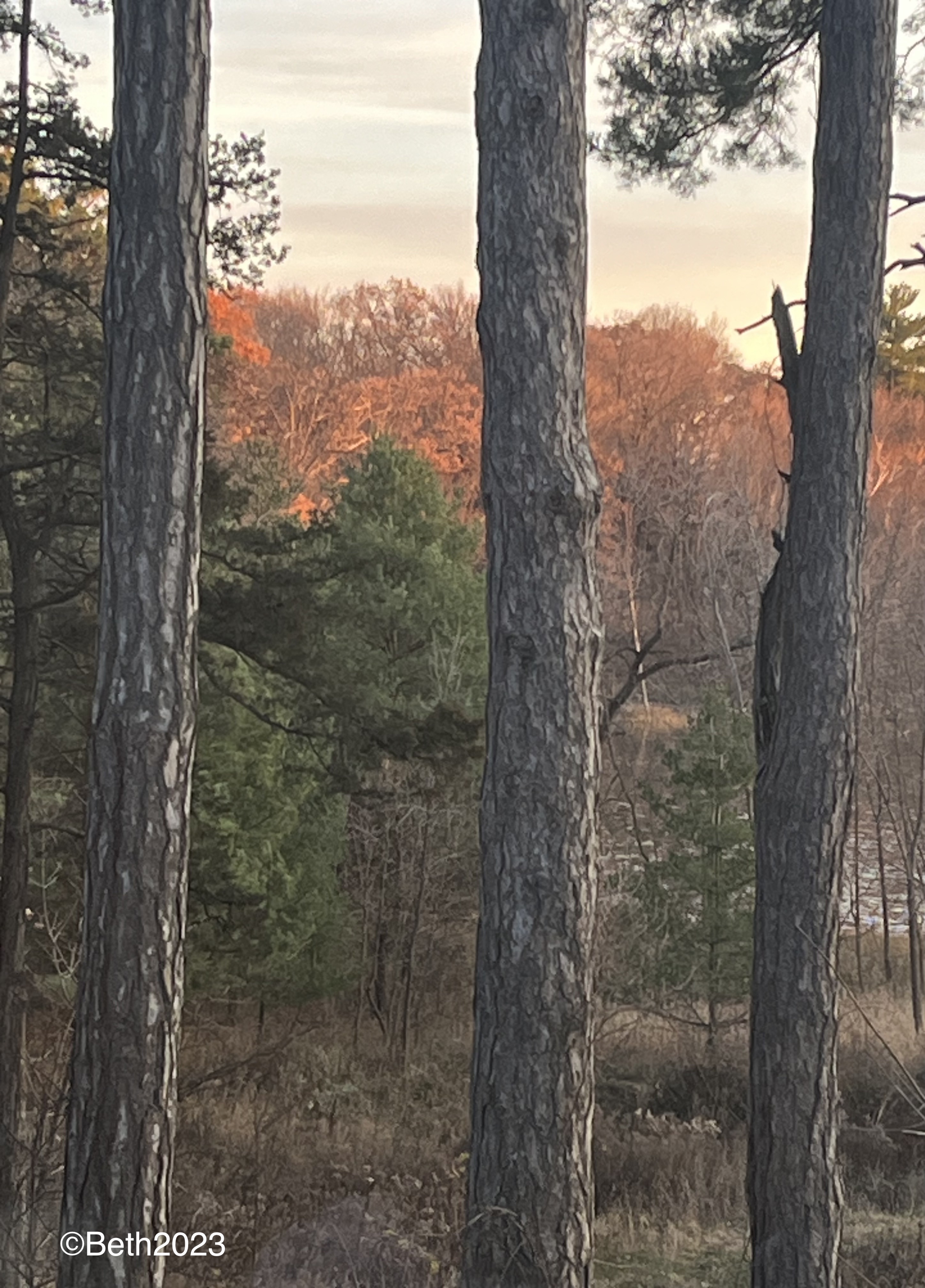
In November, the setting sun ignites red oak crowns and tints clouds with magenta, peach and rose. There’s neither summer’s long-lasting light, nor winter’s rapid descent into darkness. Dusk’s cool fingers seep in, chilling the air as the sun sinks in the southwest. In the tree tops, a group of robins roosts in a lingering sliver of sunlight. For a few moments they softly whistle their cheery song as though it were a spring evening. Time gently slips away in shadows of amethyst.

Common Milkweed, Hidden Beauty

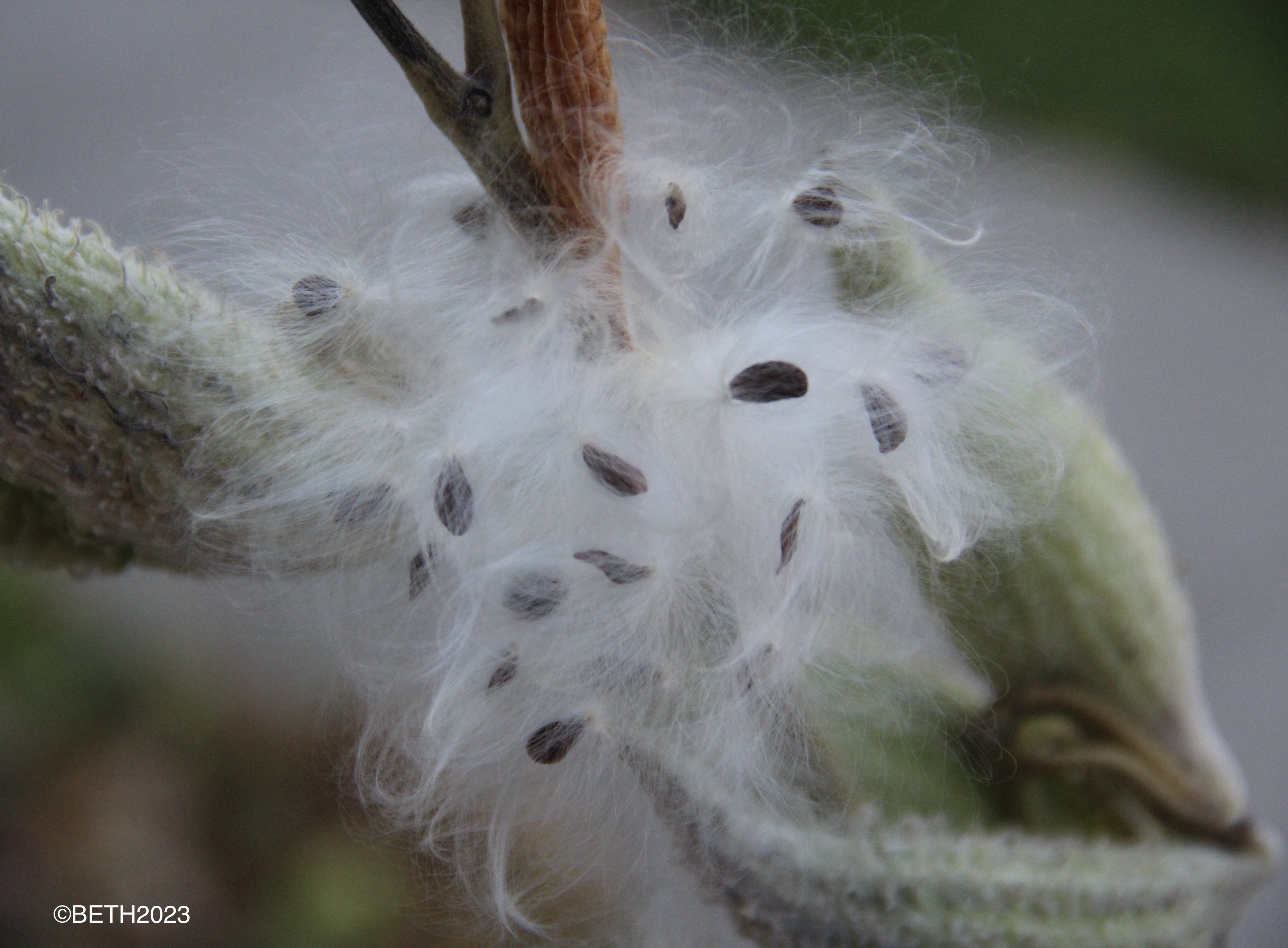
Gusty winds tease common milkweed seeds from their pods.

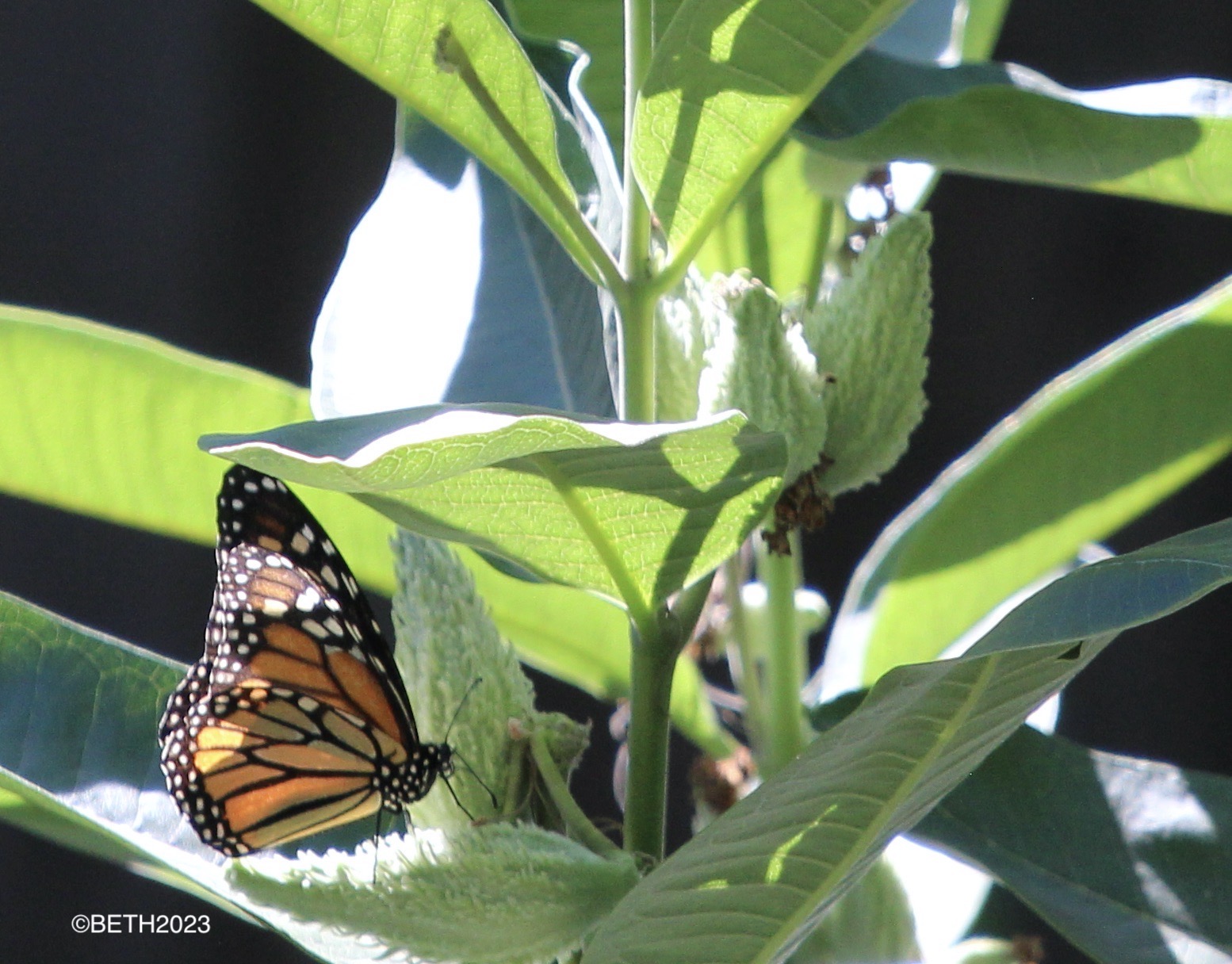
Its beauty isn’t on the outside. Common milkweed (Asclepias Syriaca), despite its attractiveness to monarch butterflies, isn’t the showiest of plants. Its large, smooth leaves and warty pods lack the delicacy of many native plants. Milkweed’s beauty is hidden within its pods.

Tiny green pods arise from fertilized pink, aromatic flowers.

Over the summer, small, perfumed pink flowers are fertilized and form tiny green pods or follicles. As they ripen, they grow to three-to-five inches in length. Inside, oval-shaped flat, brown seeds tethered to white, satiny strands designed for wind dispersal are arranged around a central column. Each is neatly tucked into a crevice on a membrane attached to the top and bottom of the pod.

Oval-shaped seeds attached to satiny strands are neatly arranged around a central column.

Wind fluffs the silky fibers into parachutes to disperse the seeds.

When the seeds mature, the pods dry and crack open. As wind enters the split pods, the silky strands unfurl and balloon into parachutes. One by one the seeds spin out of the pod like shimmering wind-borne dancers that glow in the autumn sunlight. I love to watch them sail — sometimes floating on a gentle breeze, sometimes scurrying on gusty winds. The empty pod is pretty too: Cream-to-gold colored and smooth inside, except for the center membrane, which is grooved to anchor individual seeds.

The empty pod is satiny smooth except for the grooved central column where the seeds were attached.

These lovely seeds used to be rare in Twin Cities urban areas, but now many residents grow one or more of 14 native milkweed species in their yard and boulevard gardens to attract monarchs and other butterflies.¹

Milkweed plants are the sole host plant for monarch butterflies.

¹When handling milkweed, it’s best to wear gloves and eye protection. The plant’s milky latex sap can cause eye and skin irritation on contact. According to several sources, the sap is slightly toxic to humans if eaten in large amounts. Animals are also affected by it, but most avoid the plant. This substance helps to make monarch butterfly caterpillars unpalatable to birds.

Sources and Further Reading

Eloise Butler Wildflower Garden Common Name Plant List

Milkweeds of Iowa and Minnesota (Xerxes.org)

Minnesota Milkweeds for Monarchs

Monarch Joint Venture

Spreading Milkweed, not Myths


Autumn’s Bountiful Berries

Last May, blossoms delicate in form and scent ornamented woodlands and trails. Their luminous beauty lured early bees and butterflies to pollinate them. All summer the tiny ovaries slowly swelled. Fragile blossoms morphed into bright green beads, whose soft curves plumped and ripened to globes of rose, fiery red, purple, frosty blue and pearly white. Sun, heat, rain and pollinators concocted a gift lovely to look at and brimming with energy — a feast for birds and mammals throughout autumn and winter. Here’s a small sampling of nature’s autumn gifts:

Migrating songbirds, as well as turkeys and grouse, favor the white berry-like drupes of gray dogwood (Cornus racemosa).

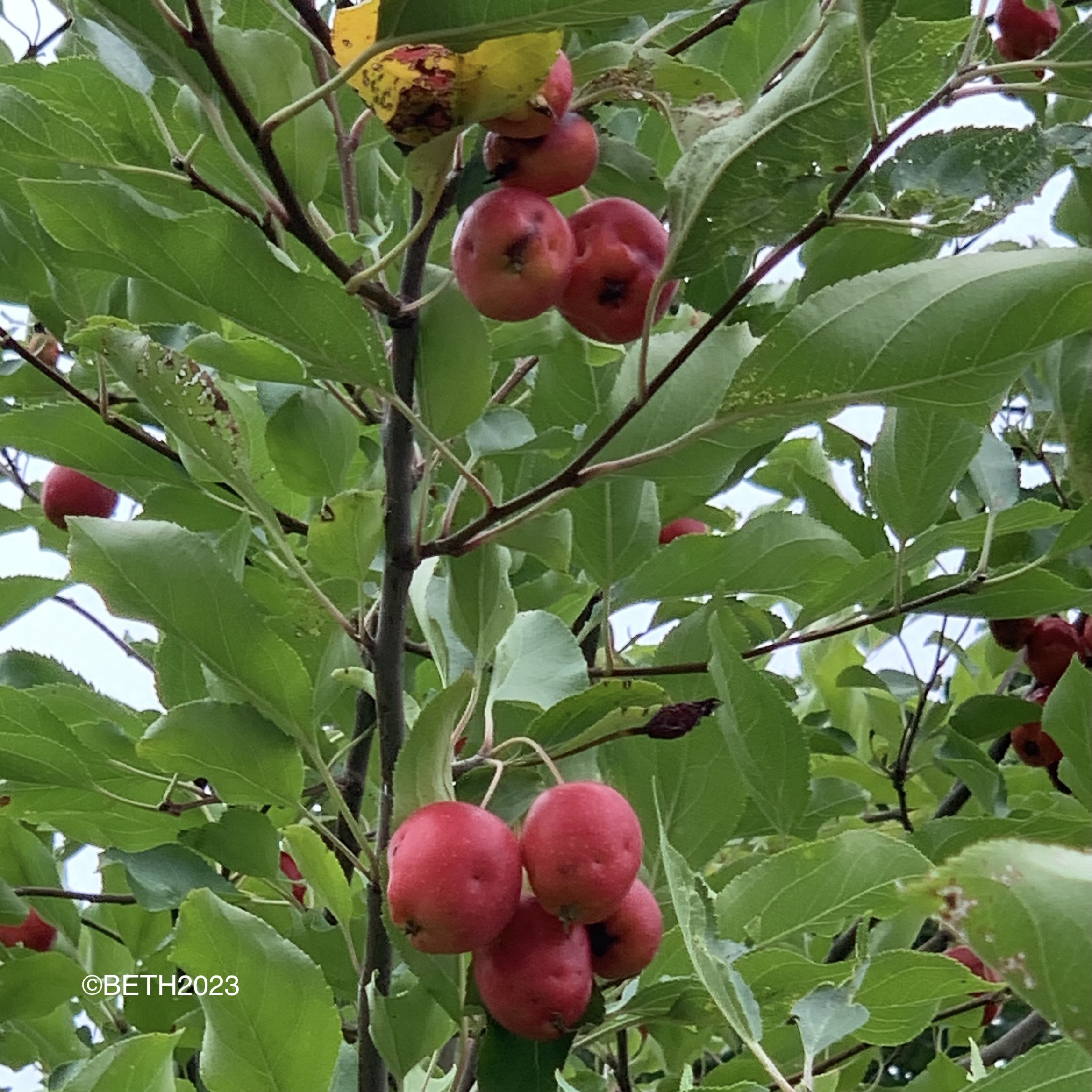
Wild plum trees (Prunus americana) provide food for mammals, such as deer, raccoons and foxes. Songbirds, turkeys and other birds will also eat them.

Pale dogwood berries (Cornus obliqua) are high in fat content and are eaten by songbirds and mammals, such as chipmunks, white-footed mice and squirrels.

Highbush cranberry (Viburnum opulus spp.) is not a true cranberry. According to the USDA’s plant guide, the fruit often isn’t eaten until late winter. Repeated thawing and freezing makes it more palatable.

Though carrion flowers (Smilax sp.) smell rotten, their berries do not, and are winter food for songbirds and a few mammals, such as Virginia opossum and raccoons.

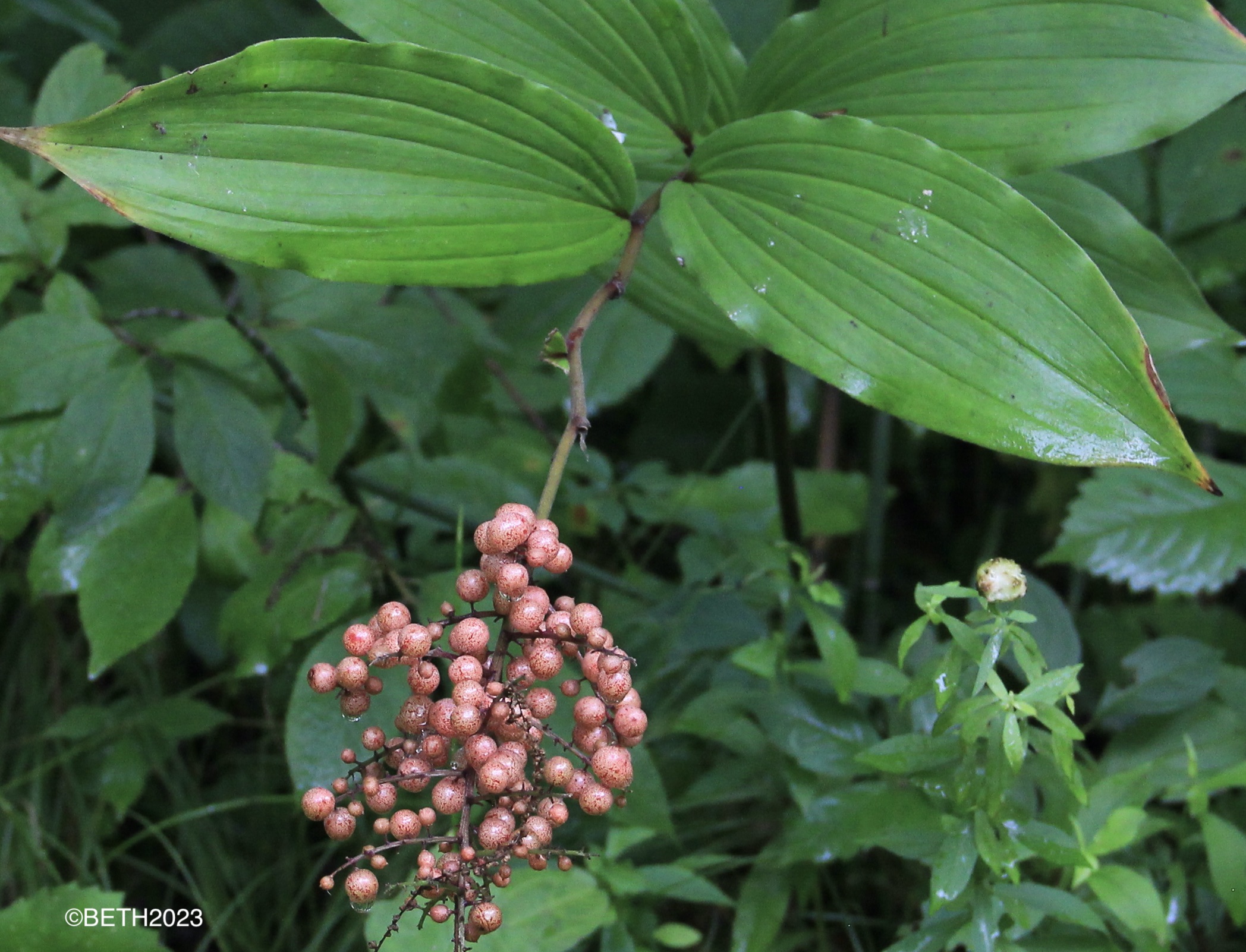
False Solomon’s seal (Maianthemum racemosa) fruit are often pink with red spots, but also can be solid red. They are eaten by woodland birds, such as the veery, and by white-footed mice.

Sources:

Eloise Butler Wildflower Garden Common Name Plant List

Illinois Wildflowers

Minnesota Wildflowers

October’s Painted Lady

A painted lady’s (Vanessa cardui) underwing sports four eyespots and pink patches. It is nectaring on asters (Symphyotrichum oblongifolium).

Mild October days bring butterflies to our garden. We commonly see red admirals, painted ladies, commas and tortoiseshells, but in 2022, I’ve seen fewer numbers of butterflies all season. The only painted lady (Vanessa cardui) that I’ve spotted appeared in late October on a mild, sunny day (77°F/25°C). 

It spent hours nectaring on late-blooming asters in the company of many bees, and flew energetically around the garden every few minutes. While most of the native bees perished in a hard frost (24°F/-4°C) more than two weeks ago, a few hearty bumblebees survived, as did the honey bee colonies. Bees and butterfly got along well and were simply focused on collecting nectar for energy. As I gardened nearby, the gentle humming of the bees was soothing and complemented the rustling of falling scarlet-red maple leaves.

A painted lady’s upper wings carry black and orange markings with a few white spots near the wingtips.

Two days later, the painted lady disappeared from our garden on a warm wind heading south. I miss them during the long northern winter. Also known as the “thistle butterfly,” (because thistles are a favorite food source for both caterpillars and adults), painted ladies migrate to wintering grounds in the southern United States and Mexico to return in late spring.

Further Reading:

Weber, Larry. (2006). Butterflies of the North Woods. Duluth, Minnesota: Kollath & Stensaas Publishing.

Painted Ladies – Nature, Garden, Life

Painted Lady Butterfly – Wisconsin Horticulture

Cherish the (Butterfly) Ladies – UW-Milwaukee Field Station

Autumn Nostalgia

It rained leaves yesterday: red and silver maple, elm and basswood. Ash and birch fell last week. Other maples, oak, aspen, hackberry and ginkgo are still to come. The sky was hazy sun, the air windy and mild. A few late asters bloomed and honey bees jostled each other seeking the season’s last pollen and nectar. I am nostalgic for another summer gone by and I do not look forward to winter. 

The leaves kindle warm memories of the past: Nighttime walks scuffling through dried leaves with family and friends; autumn bonfires, years of after-school leaf walks with our young son. His warm, small hand held mine and his other was packed with leaves for projects — leaf bouquets, nature collages and little booklets with leaves and seeds of neighborhood trees. 

I miss the leaves; every year it’s the same. I miss their spicy scent, earthy and tangy with just a touch of sweetness as they break down. I miss their nighttime whispers on warm, summer winds, and the rattle of older, dry leaves in autumn. November winds whip them into swirling, airborne eddies and send them skittering down streets. They catch among rocks and old stalks, tucking in our garden until spring. Summer’s green umbrella slowly smolders to yellow, orange, russet, red and maroon. The canopy thins and falls, nestling woodlands and yards under a colorful quilt for winter.

Wooly Bear Caterpillars

I found this little wooly bear asleep in the garden under a pile of fallen leaves and tucked it back in for the winter.

I miss the hum and activity of bees, butterflies and other insects that populate our garden. But, as I finished up some outdoor work, I was reminded that their absence is temporary. I spotted a familiar small, fuzzy form: a banded wooly bear caterpillar (Pyrrharctia isabella) asleep for the winter beneath some fallen leaves.

Though we usually call these little creatures wooly bears or wooly worms, there are more than 260 different species of them in North America. Each has a different coloration and becomes a distinct species of moth. The banded wooly bear is black on both ends with rusty orange in the middle. When the caterpillar reaches maturity, it becomes an Isabella tiger moth. Though I’ve seen many banded wooly bears, I have yet to see the moth, which is usually a muted orange, salmon or yellow color with black spots on its body and wings.

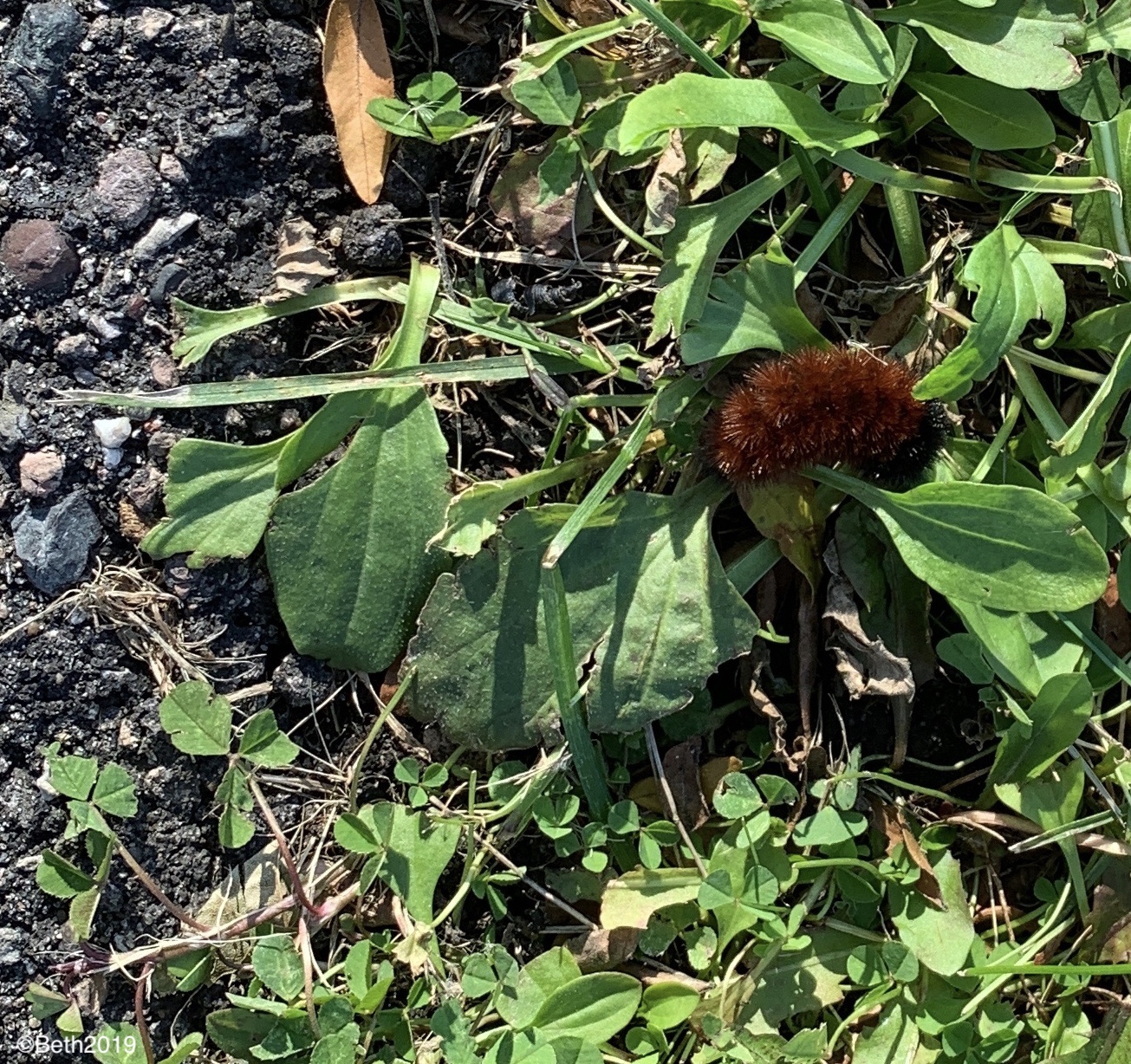
Wooly bears are generalists — they eat many types of plants including grass, clover and weeds. This one had just crossed the Lake Nokomis walking path in Minneapolis.

The banded wooly bear caterpillar grows up to 2 inches in length. Its fuzzy body is covered in tiny bristles called setae that are black on the caterpillar’s ends and rusty orange in the middle. The number of orange segments increases as the caterpillar grows. Though a few people might be sensitive to the bristles, most have no problems handling the caterpillars. I remember carrying them around as a child and holding them with our toddler son on nature walks. 

Is it true that the size of a wooly bear’s orange band predicts the quality of the winter ahead? No, according to the sources that I read (please see the list below). Explanations include: the size of the orange band increases as the caterpillar grows; those with more orange grew up in a drier habitat and those with more black segments grew up where it was moister; lots of variety occurs naturally among caterpillar populations; and there’s plenty of disagreement among all of these views. In spite of the arguments, it’s fun to observe, compare and chart the size of wooly bears bands — especially with children!

Banded wooly bears in Canada and the northern United States typically produce one brood each year, though two generations are possible. Those that hatch in August feed until late autumn. They eat a broad range of grass, weeds and wildflowers, and aren’t crop pests. In autumn, they enter quiescence (a type of insect dormancy) for the winter, usually in leaf litter, or under a log or rock. 

Look for wooly bears on sunny, mild autumn days. This one crossed the Sakatah Singing Hills Trail in southern Minnesota.

How do they survive our harsh winter? They produce a cryoprotectant,¹ an antifreeze to prevent cells from rupturing when they repeatedly freeze and thaw. The bristles or setae also help the caterpillar to freeze on the outside first, protecting the inner organs. In the spring, each caterpillar will awaken from quiescence, resume feeding and spin its cocoon. About two weeks later, an adult Isabella tiger moth will emerge.

Banded wooly bears range throughout the United States, Canada and even into Mexico. You might catch a glimpse of them feeding in the spring, but it’s more likely that you’ll spot one in autumn when you’re out walking, biking, or working in your garden.

wooly-bear-caterpillar-tom-2

Sources List for Further Reading

The Infinite Spider Blog 

Minnesota Department of Natural Resources

NPR Science Friday video

National Weather Service

Scientific American Blog

University of Wisconsin – Milwaukee: Bug of the Week Blog

¹The cryoprotectant is produced by other wooly bear species, too. In fact, the Arctic wooly bear (Gynaephora groenlandica) caterpillar has a life cycle that stretches over seven or more years! The Arctic summers are so brief that the caterpillars must feed and enter quiescence repeatedly for several years before gaining enough biomass to metamorphose into a moth. Overall, they spend 90 percent of their lives dormant and frozen! (For more about the Arctic wooly bear, follow the link above to the Scientific American Blog.)

November Honey Bees and Asters

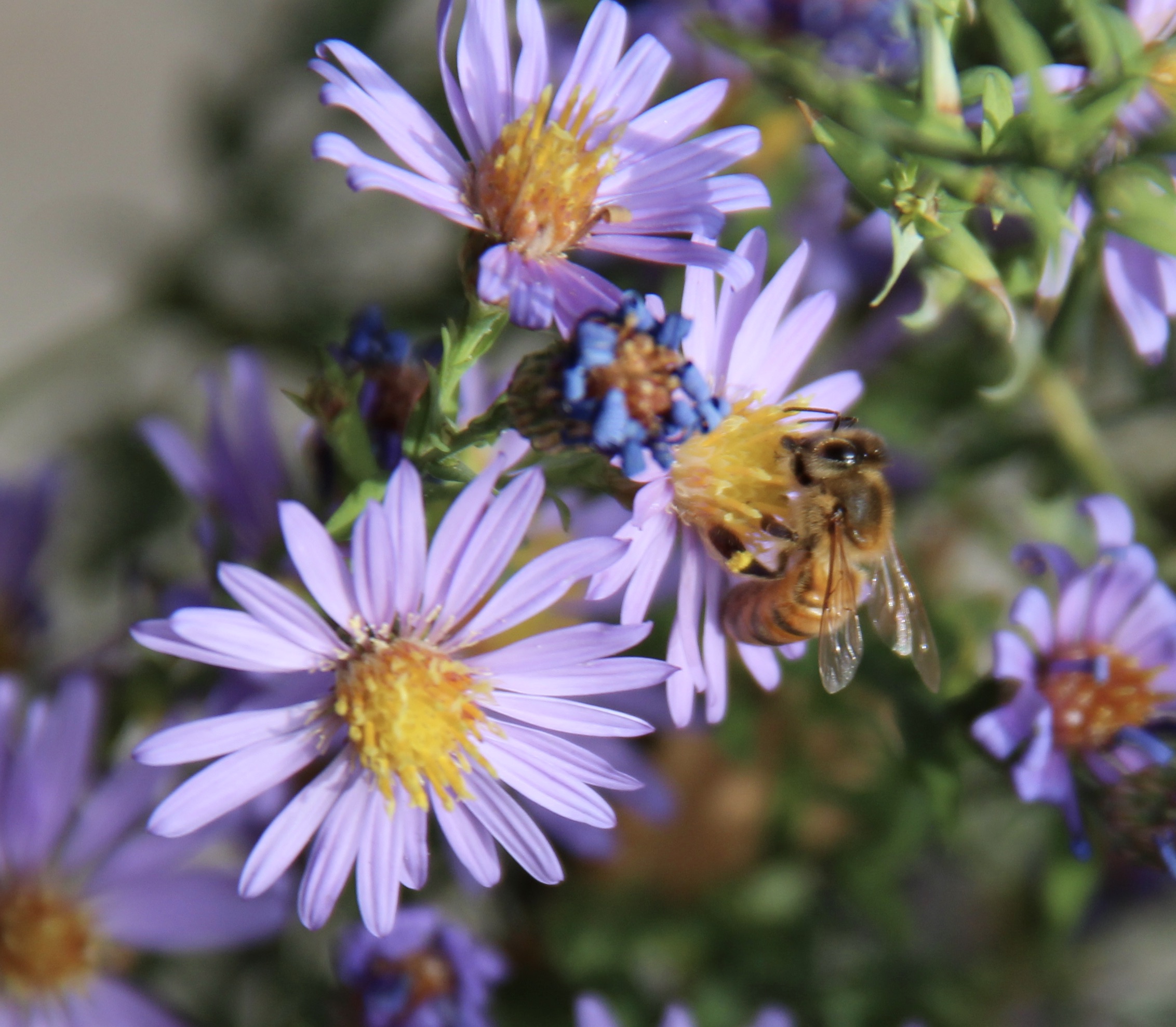
A honey bee (Apis mellifera) nectars in asters (Aster novi-belgii) on a summer-like November day.

Two weeks ago, temperatures bottomed out at 15°F and a winter storm buried gardens, yards and colorful-leafed trees under almost 10 inches of snow. Now, sun and a week of daytime highs around 74°F have awakened chipmunks, spurred American robins to sing and enticed honey bees from their hives. The bees found our last asters of the season. In a sunny location, and protected by an overhanging arbor vitae hedge on the north side, the pastel blossoms continue to open despite the early snow and frigid cold. What a gift — a sweet treat for the honey bees and an unexpected return to autumn beauty for us.

October Yellow (Move Over, Red!)


It’s easy to focus on the “can’t miss” colors of autumn’s oaks and maples. Orange and red dominate October’s landscape.  But, look more closely: Yellow’s quiet beauty slowly swells from a few bright pockets of heart-shaped basswood leaves, to entire bluff-sides wrapped in lemon, butter and gold of birch, cottonwood, maple and hickory. Woods that were deeply shadowed and cool green just a few days ago, now glow on a sunny afternoon. The air smells good — earth, ripe seeds and the slightly tangy scent of aging leaves — all part of autumn’s final act before winter spreads its monochrome blanket.


Thoughts About Dad

Autumn was our dad’s favorite season. This was his last one. He died three weeks ago, when a hint of color tinged the maples and the asters were beginning to bloom. The day before he died, I told him about the chipmunks and squirrels scrambling to stash acorns and walnuts; the zigzag goldenrod glowing in the woods, and bumblebees nectaring in asters along a woodland trail. I read to him essays about autumn by Minnesota naturalist Sigurd Olson whose books he loved.

When I walked an autumn-painted path along the Mississippi River last week, I thought about Dad; how he loved the fiery maples and muted red oaks, the earthy smell of leaves, and the songs and calls of birds. I remembered some of the ways that we shared nature together.

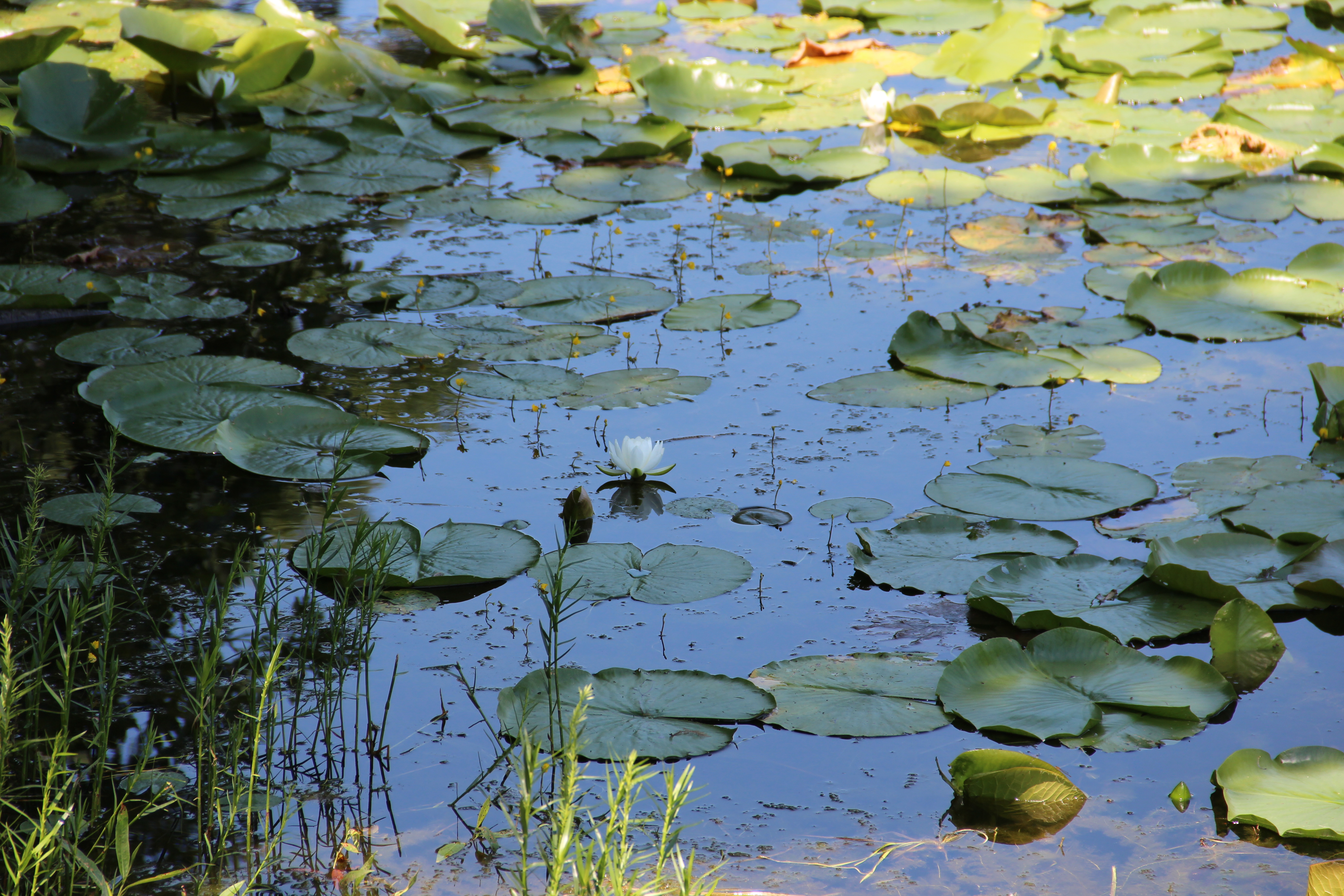
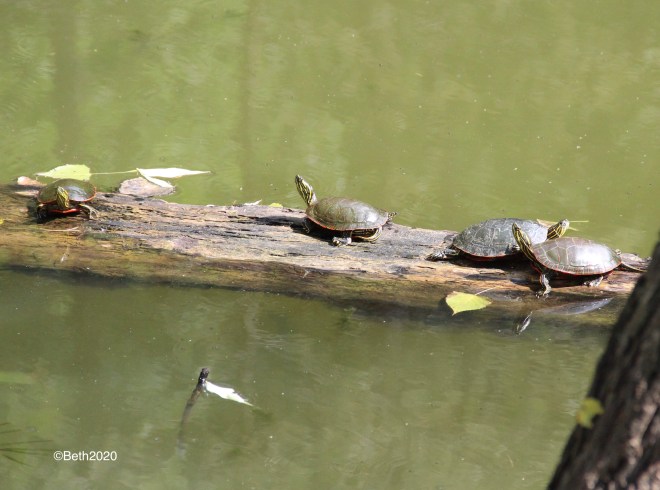
Dad taught us about the natural world a little differently from Mom’s gardening and nature lessons. He taught us to fish on the lakes surrounding Spooner, Wisconsin. We used children’s hand-held red droplines with colorful bobbers that first year. (I keep mine in my tackle box for the memories.) We baited our own hooks, watched our bobbers for nibbles, and learned to gently release the hook from bluegills, pumpkinseeds and other panfish. It wasn’t all fishing, however. We also took side trips into quiet bays where turtles lined up on logs to sun, loons swam with their chicks riding piggyback, and mats of waterlilies floated with their exotic-looking flowers and beautiful leaves. We relaxed in the warm morning sun and watched the blue damselflies that rested on the boat. It was peaceful.

As youngsters, we spent many late-autumn weekend evenings outside. In the 1960s, beautiful vase-shaped American elms towered over our streets like cathedral arches. The whole neighborhood would be outside to rake their yards and burn leaves; each household tended a small fire on their cement apron bordering the alley. We kids ran with friends while our dads tended the burning leaf piles. We stopped and talked at each fire. Stories were told and we looked at the brighter stars and planets as we warmed up by the fire. The scent of burning leaves was aromatic in the brisk air filled with our laughter and chatter.

In later years, Mom and Dad built a cabin on the Snake River in East Central Minnesota. They loved being there during every season of the year. I spent many days with them as a young adult and am grateful to remember so many experiences. Dad loved to stand on the front deck at dusk. Evening songs of wood thrushes, veerys, robins and other birds harmonized with the burbling river running over rocks. He became a birder of sorts. He already could identify many species of ducks and geese. Now he learned to recognize different grosbeaks, thrushes, woodpeckers and warblers. An eagle pair nested nearby and Dad watched the nest year round.

He delighted in the creatures that lived around the cabin; a white-tailed doe and her twin fawns, black bear, a red fox family, buffleheads, mergansers and wood ducks, mink, and snow-white ermine in winter. One autumn evening, an otter popped up onto a boulder with clams. We watched it open the shells, eat its dinner and frolic in the river.

Summer evenings sparkled with fireflies blinking over the marshes, fields and roadsides. Barred owls were regular nighttime visitors as were tiny flying squirrels. Frogs — leopard, green, wood and others — serenaded the night, adding their voices to the songs of nocturnal insects and the river.

Dad lost his vision to glaucoma four years ago. Thanks to Amazon Echo, he continued to read (another passion) by listening to audible books. But there wasn’t a way to replace the loss of seeing nature. He rarely complained about his blindness. Sometimes, I close my eyes and try to imagine his loss and cannot. We kids described all that we saw in nature, and we read to him often. At least he was able to be outside during the summer. He loved the sun’s warmth, the mild breeze, the rustle of leaves, and that we could be with him after the long months of COVID separation.

The week that Dad died was beautiful; golden September sunlight, warm days, mild nights, bumble bees and hummingbirds still busy in the wildflowers and crickets chirping in the garden. How he wished to be sitting in the sun on the cabin’s front deck by the river. As he peacefully slipped away, I hope his thoughts were of blue sky, warm sun, the scent of colorful autumn leaves and the gentle music of the river that he loved so much.