After the Shower

A late-afternoon thunder shower blew through yesterday; a few rumbles of thunder and heavy rain for 10 minutes or so.  It wasn’t enough to take care of watering for the week, but it refreshed the garden.

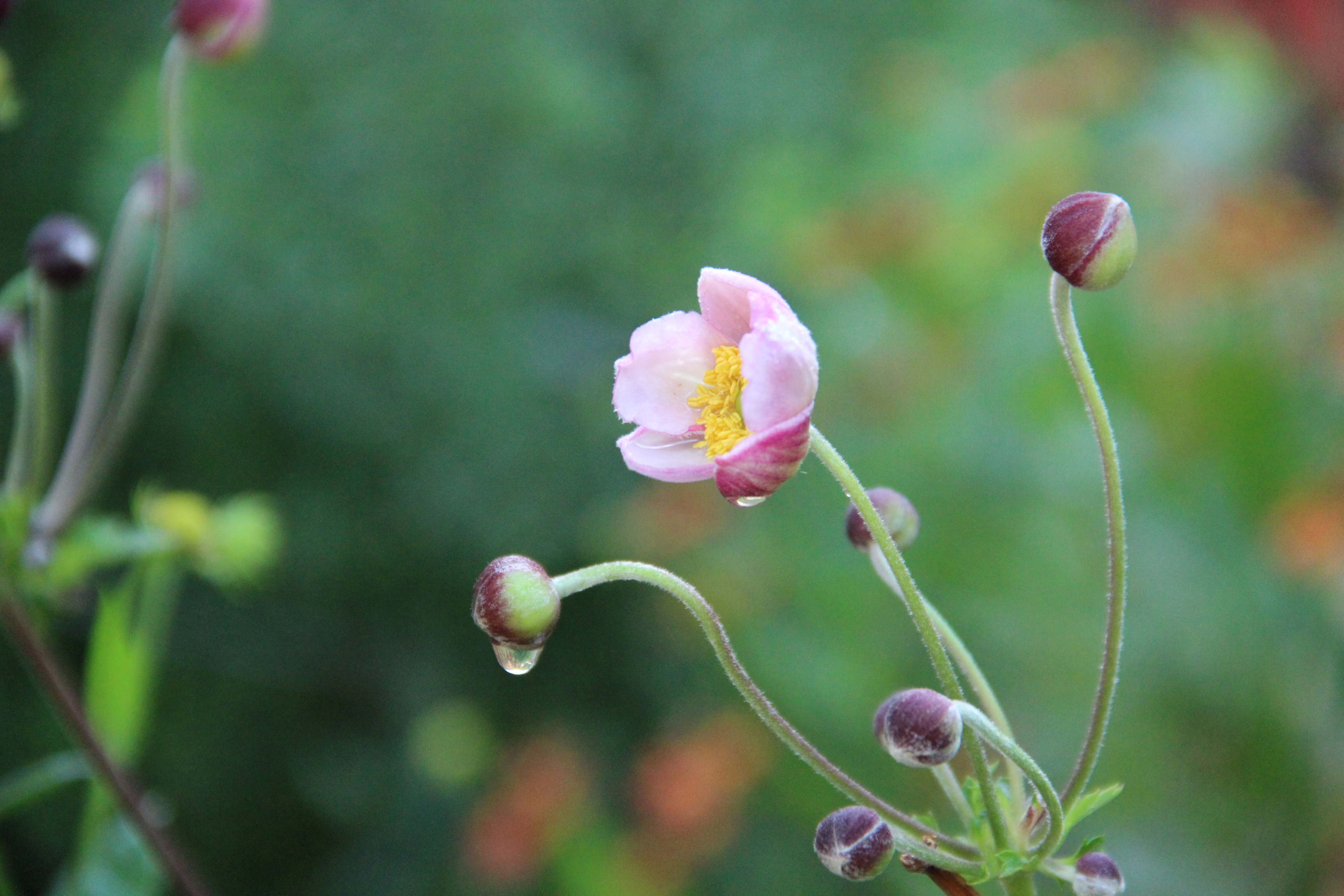
Japanese anemone blossom and buds

Japanese anemone blossom and buds

daylily fronds

Rain droplets on daylily fronds

In The Garden

Late afternoon; the August sun radiates its heat into my shoulders and back.  Ripe beacon apples hang on the tree in our yard bathed in sunlight and smell sweet.  Normally, cicada buzzing would be the main sound, but they are mostly absent this year.  Mourning doves coo, a young cardinal calls to be fed by its parents, and a few bumble bees drone in red monarda and Russian sage.

The showiest flowers today are garden phlox, black-eyed Susan’s and sneezeweed (helenium).  My favorite garden phlox is ‘Katherine’ with its lavender petals surrounding white centers, or ‘eyes’, as they’re called in the gardening catalogs.

phlox 'Katherine' and black-eyed Susan's

Phlox ‘Katherine’ and black-eyed Susan’s

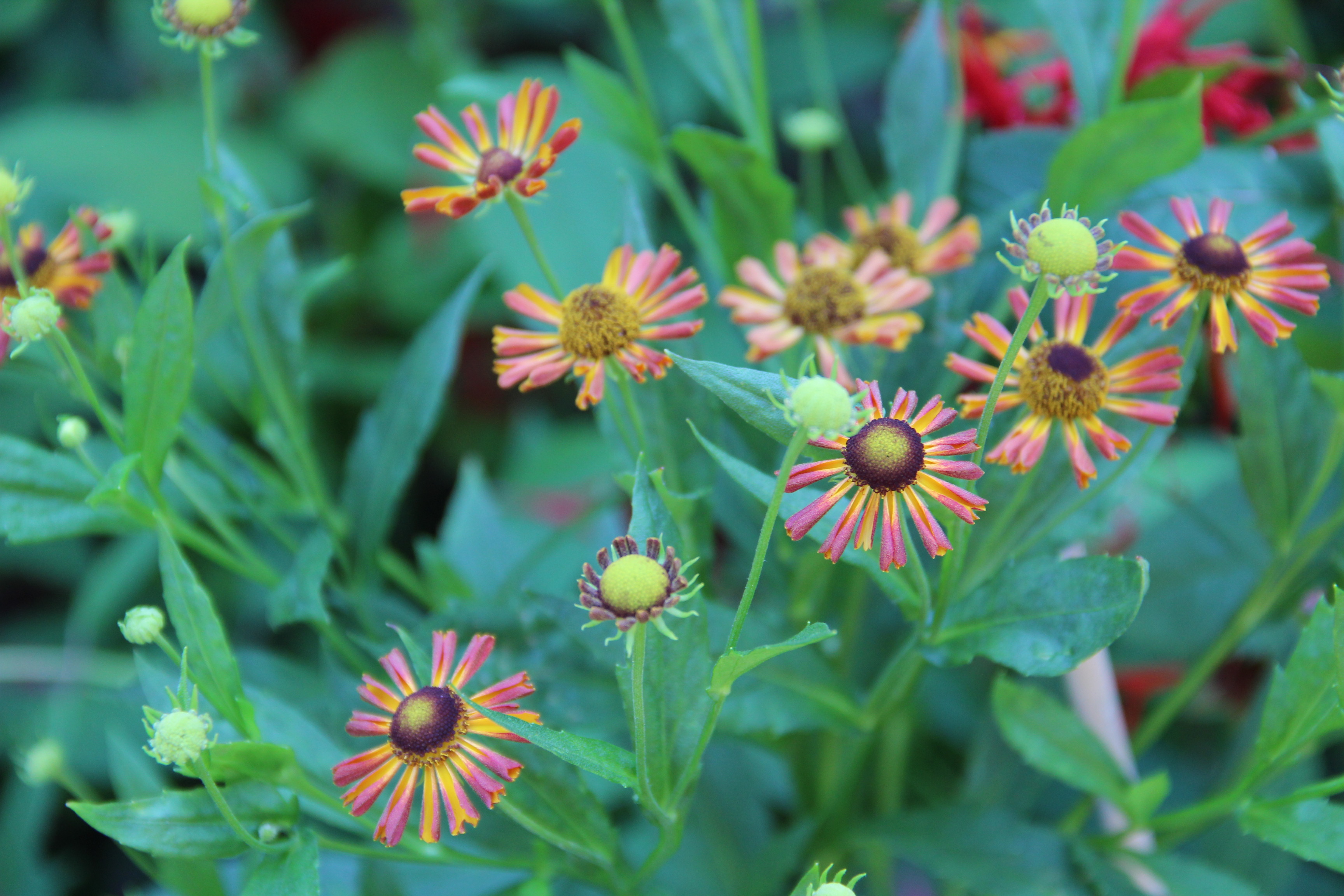
I planted the sneezeweed this past spring.  The variety is ‘tie dye’.  The yellow centers are surrounded by petals that begin maroon and deep gold.  The older blossoms have chocolate-brown centers and the petals are fading to a lighter yellow and deep pink as they age.
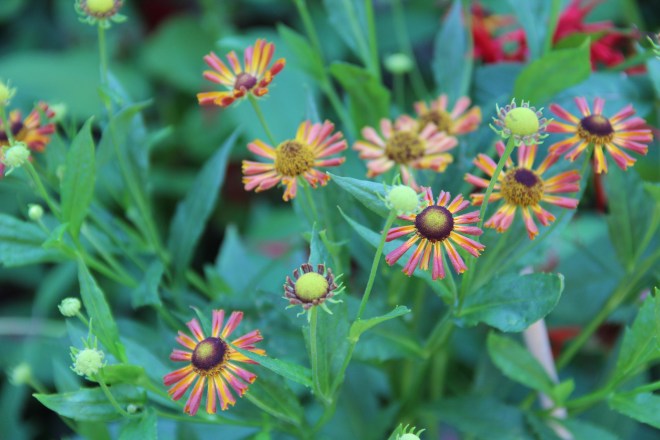
Sneezeweed or helenium, variety 'tie dye'

Sneezeweed or helenium, variety ‘tie dye’

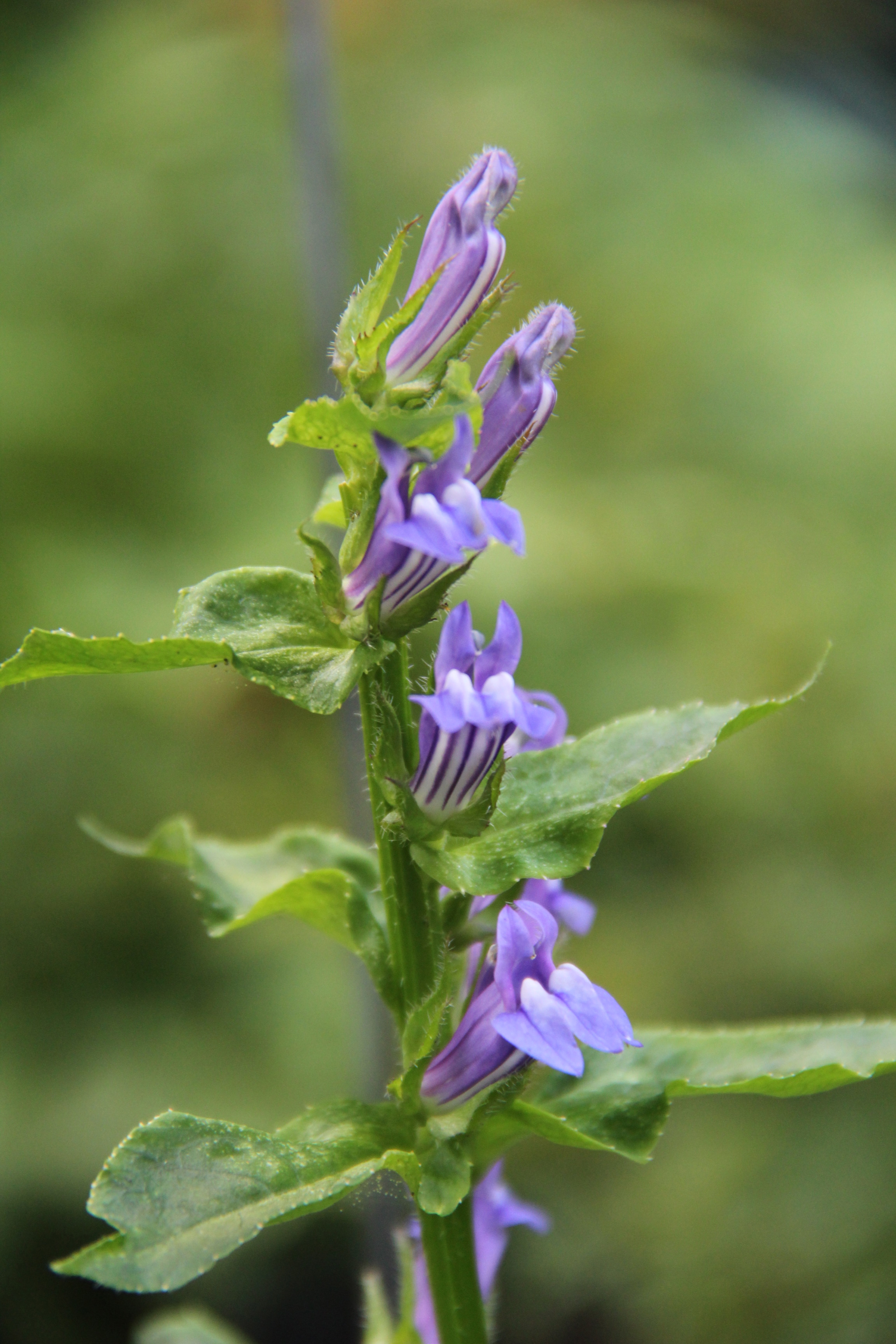
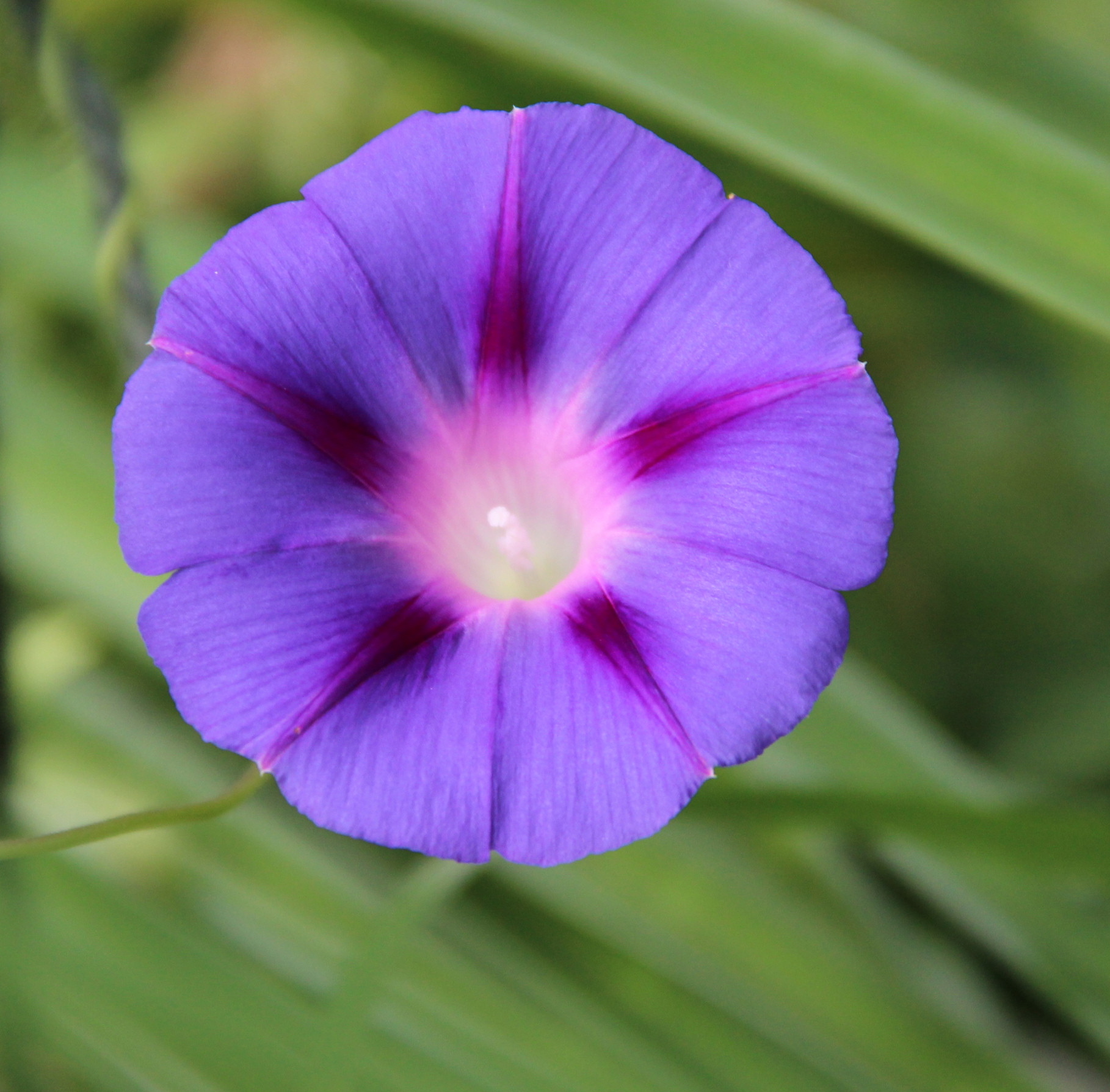
The perennial blue lobelia blossomed late last week and the first purple morning glory peaked through a tangle of daylily fronds and allium stems this morning.  Morning glories always signify late summer for me, and I heard my first cricket of the year a few evenings ago; another sure sign of seasonal change.

Perennial lobelia

Perennial lobelia

IMG_366morning glory

Morning Glory


Baby Birds

Early August and the neighborhood is filled with the calls, chirps and squeaks of the newest brood of baby birds. As I write, a baby cardinal sits in our hedge and begs for food. Its father plucks cherry tomatoes from a patio plant to feed it and chases away house sparrows that try to land anywhere nearby.

Image

Baby cardinal.

Robin parents feed their fuzzy chick under the shelter of an arbor vitae stand.

Baby robin.

Baby robin.

An American goldfinch male now dines alone in the monarda patch; his mate probably incubates their eggs nearby.

IMG_3358

American goldfinch in native monarda.

Common Milkweed

Monarch butterflies are rare this summer.  I’ve seen just one in our St. Paul, MN, garden, even as monarda, swamp milkweed, common milkweed, black-eyed Susan’s, Joe-Pye weed, phlox and a blend of other native plants and garden perennials bloom.  However, we have no shortage of milkweed to nurture monarch caterpillars if they were present.  A lush patch of common milkweed (Asclepia syriaca) grows in our yard, possibly the best-ever since I spotted the first plant shooting up in the middle of a juniper hedge 15 years ago.  The first milkweed blossom opened on July 7 and  most of the plants were flowering by July 17.

Image

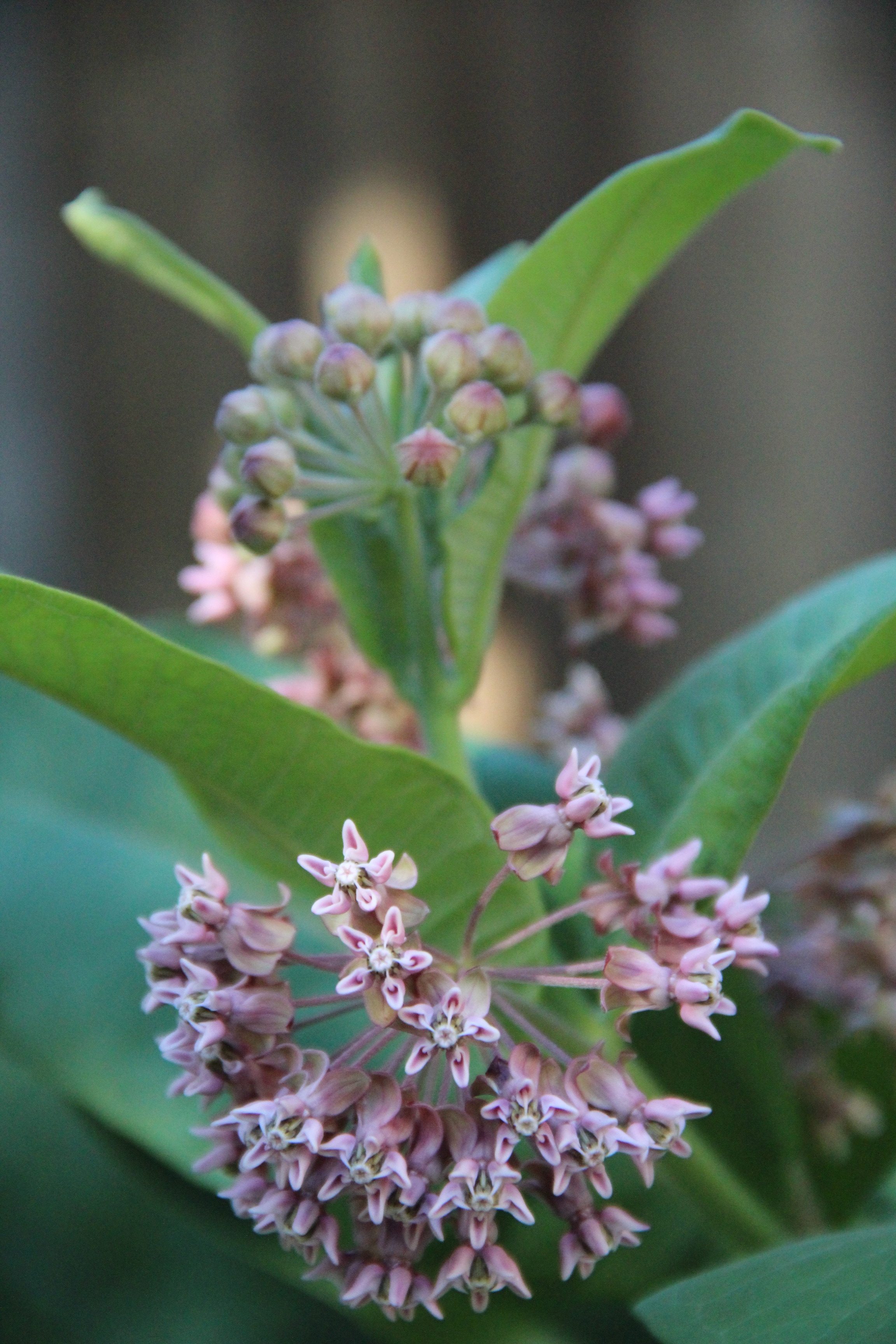
Milkweed buds and blossom.

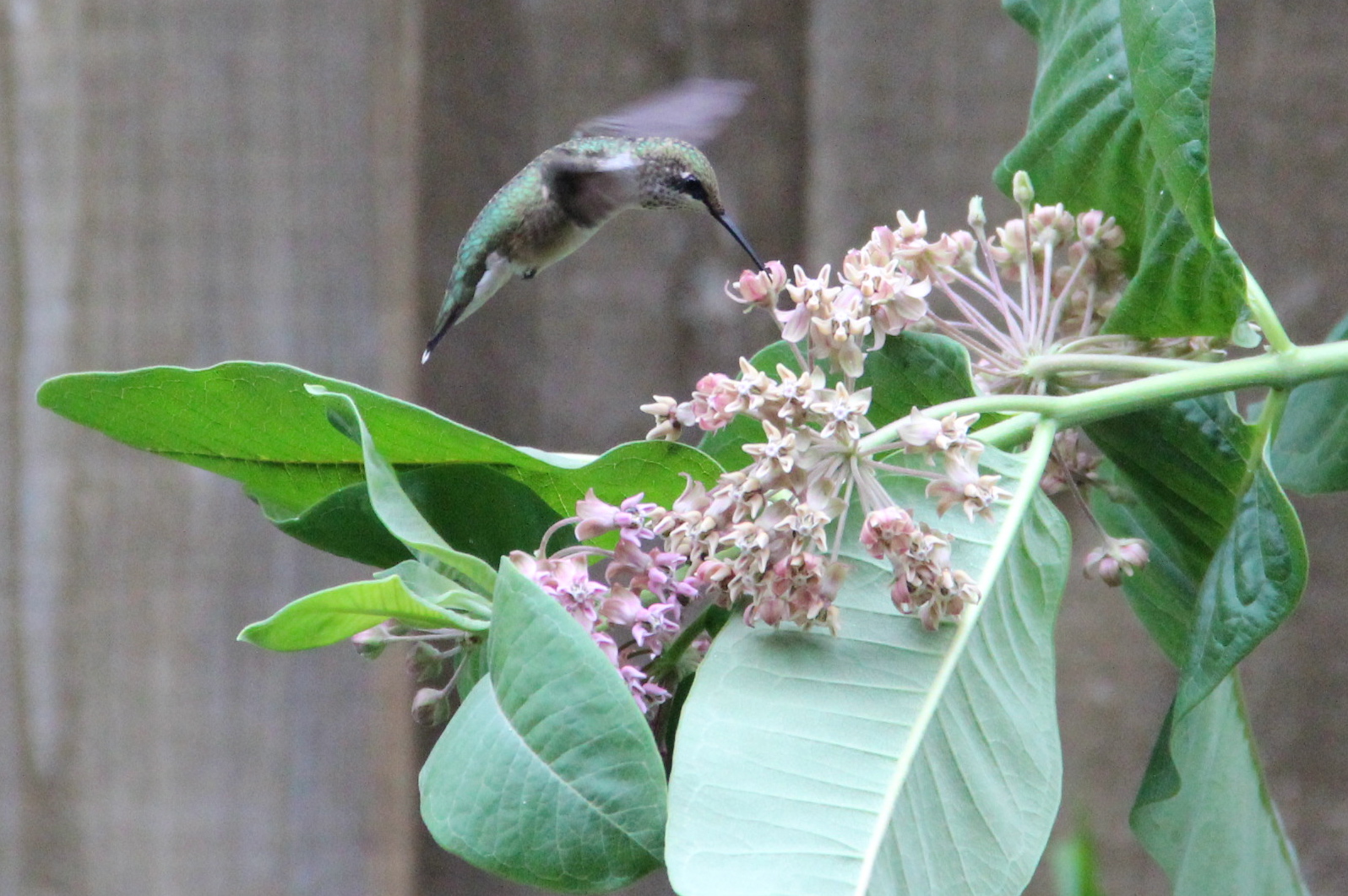
Though monarchs are absent, red milkweed beetles, bumble bees and ruby-throated hummingbirds frequent our patch.

Image

Red milkweed beetle on swamp milkweed.

Image

Ruby-throated hummingbird sips milkweed nectar.

On July 22, I noticed the first seed pods.  New pods continue to form and the earliest pods have plumped-up in the past week.

Image

Newly formed milkweed seed pods.