Frost Flowers — and a Few Wild Ones

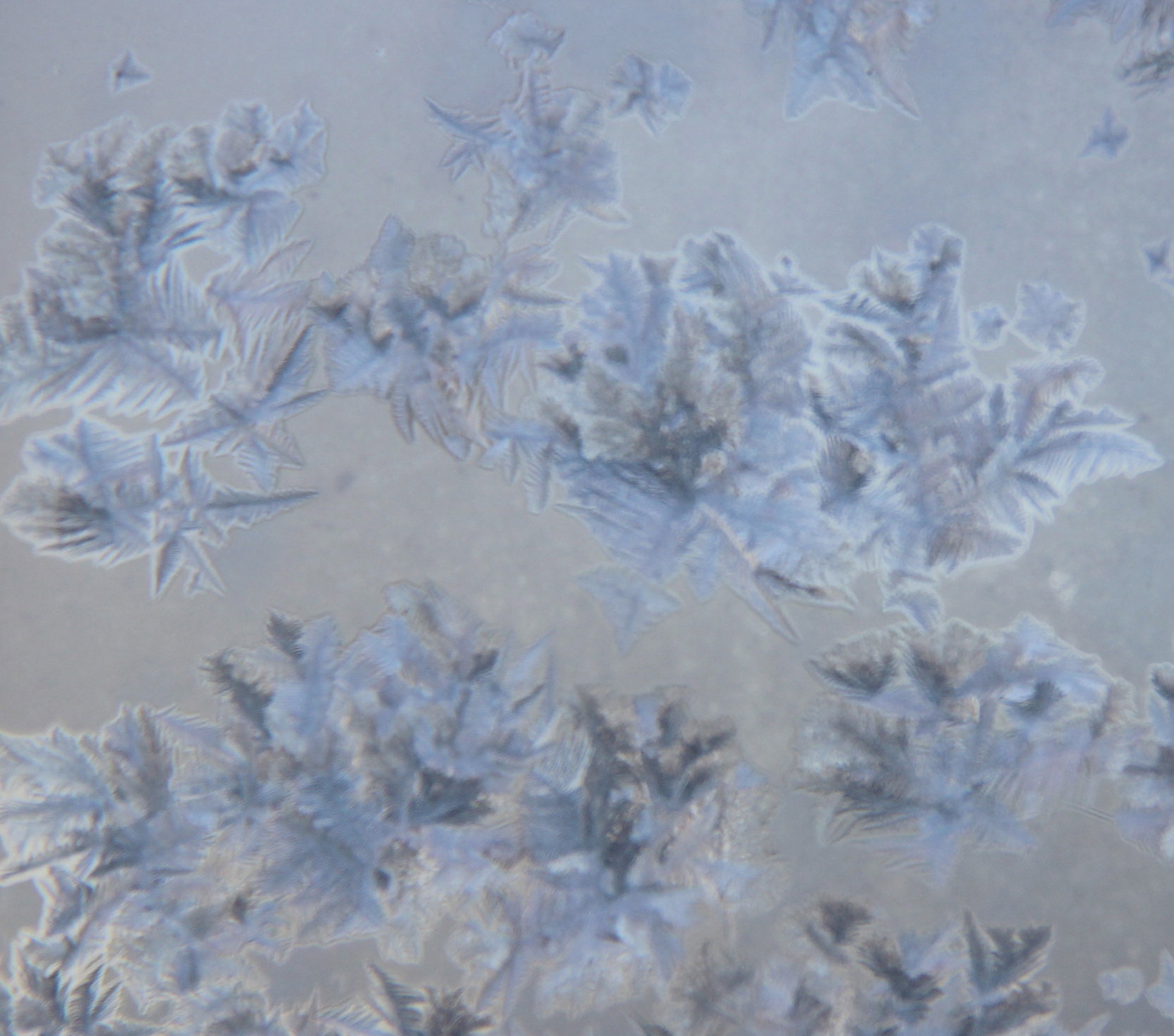
Crystalline flowers flow across the storm windows in our north-facing bathroom.  In this subzero weather, the moisture from our steamy morning showers seeps through the old, loose-fitting decorative windows and condenses as frost on the cold glass panes that cover the screens.  The patterns that take shape depend on the amount of dirt, scratches and residue on the glass, and the humidity level and temperature of the air.  These patterns are often called frost flowers, roses or ferns.

frost1

frost3

According to Halldor Svavarsson at the Icelandic Web of Science the most commonly formed pattern of crystallization is hexagonal because it requires the least amount of energy.  If the moisture settles and freezes quickly, the roses will be small and close together.  If not, the roses may be fewer in number, larger in size and may spread out on the glass.

frost4

frost5

frost2

Frost roses and ferns are delicate and lovely, but I prefer nature’s wildflowers.  Here are a few from last summer:

Monarda fistulosa also known as bergamot and beebalm.

Fragrant, spicy wild bergamot or bee balm (Monarda fistulosa).

Vernonia fasciculata also know as smooth ironweed and prairie ironweed.

Prairie or smooth ironweed (Vernonia fasciculata).
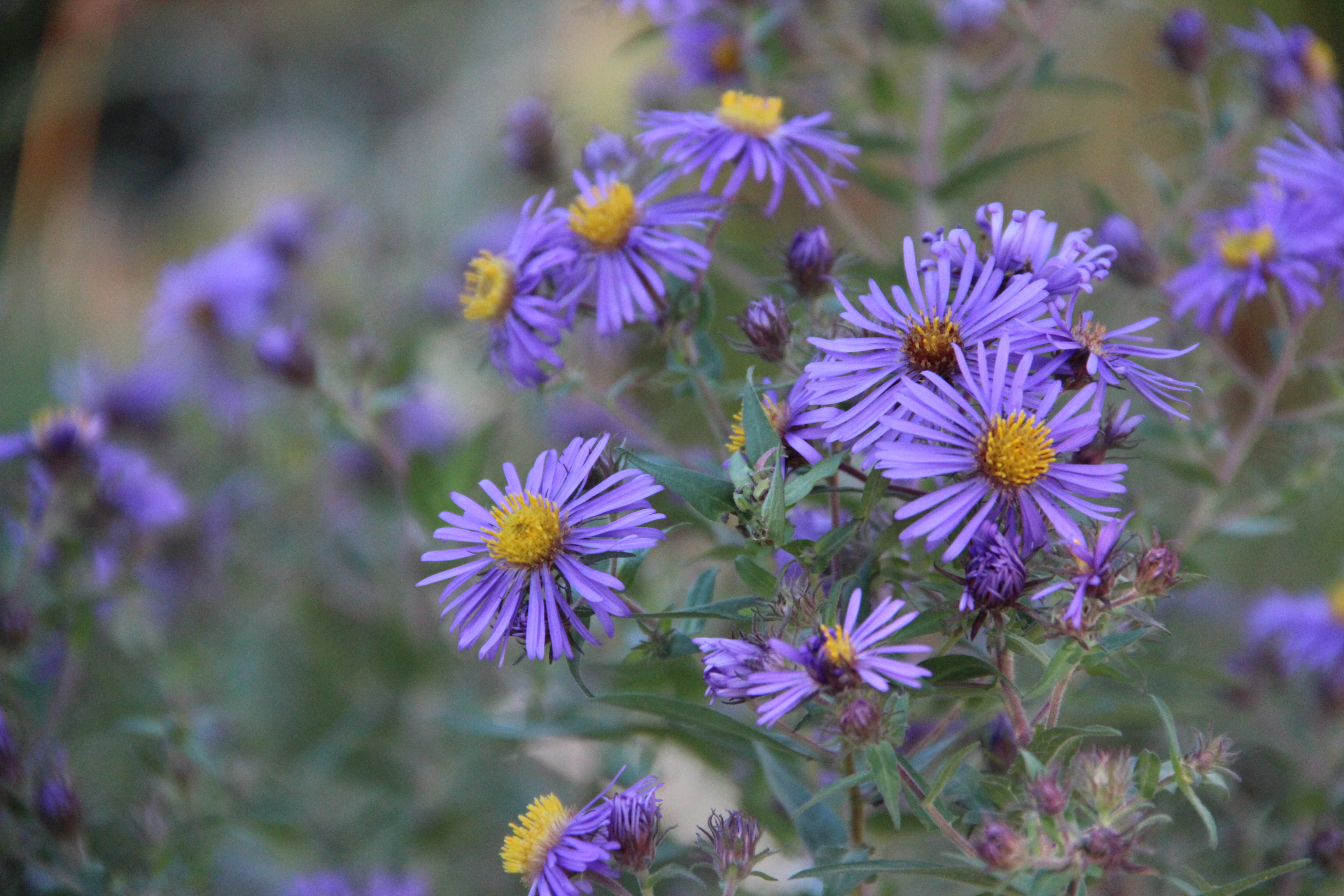
New England aster also known as Michaelmas Daisy (Symphyotrichum novae-angliae).
New England aster or Michaelmas Daisy (Symphyotrichum novae-angliae).

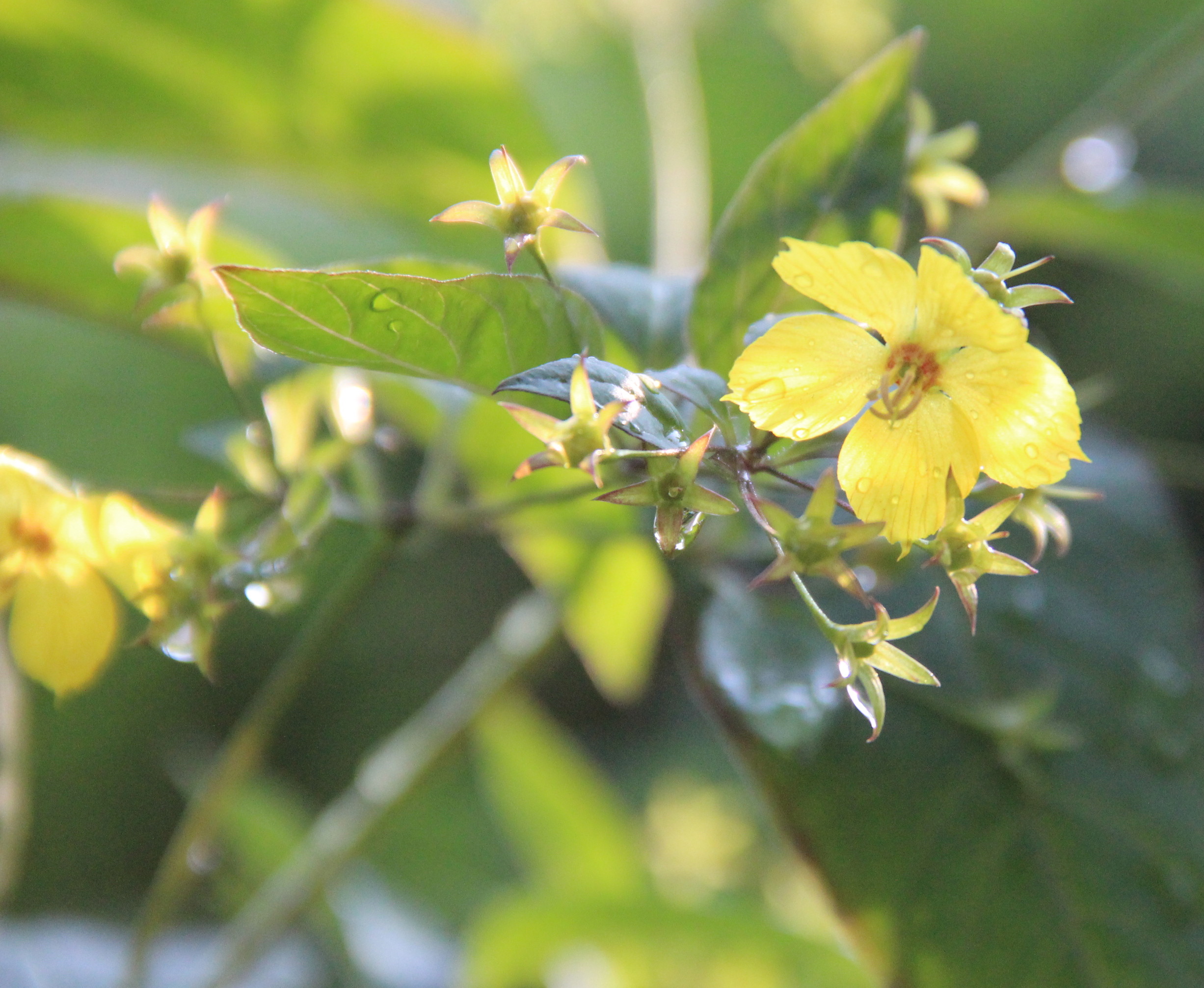
Fringed loosestrife (Lysimachia ciliata) a native perennial that is unrelated to the non-native, invasive purple loosestrife.

Native fringed loosestrife (Lysimachia ciliata) is unrelated to the non-native, invasive purple loosestrife.

© Beth and Nature, Garden, Life, 2013-2014.  All photographs and text are created by Beth unless specifically noted otherwise.  Excerpts and links may be used as long as full and clear credit is given to Beth and Nature, Garden, Life with specific direction to the original content.  Please do not use or duplicate material from Nature, Garden, Life without written permission from Beth.
December Thaw

I walked a mile or so around our city neighborhood at noon today.  The sun was gently warm in a powder-blue sky and a mild breeze blew from the south.  Melting snow plunked and gurgled in metal downspouts, and chunks of ice on roof shingles loosened and crashed to the ground.  Plants lost their winter snow caps.  Squirrels snoozed on tree branches in the sun.  Blue jays, black-capped chickadees and a white-breasted nuthatch chattered in the trees.  Walkers smiled, called greetings and shed hats and mittens in the warmth.

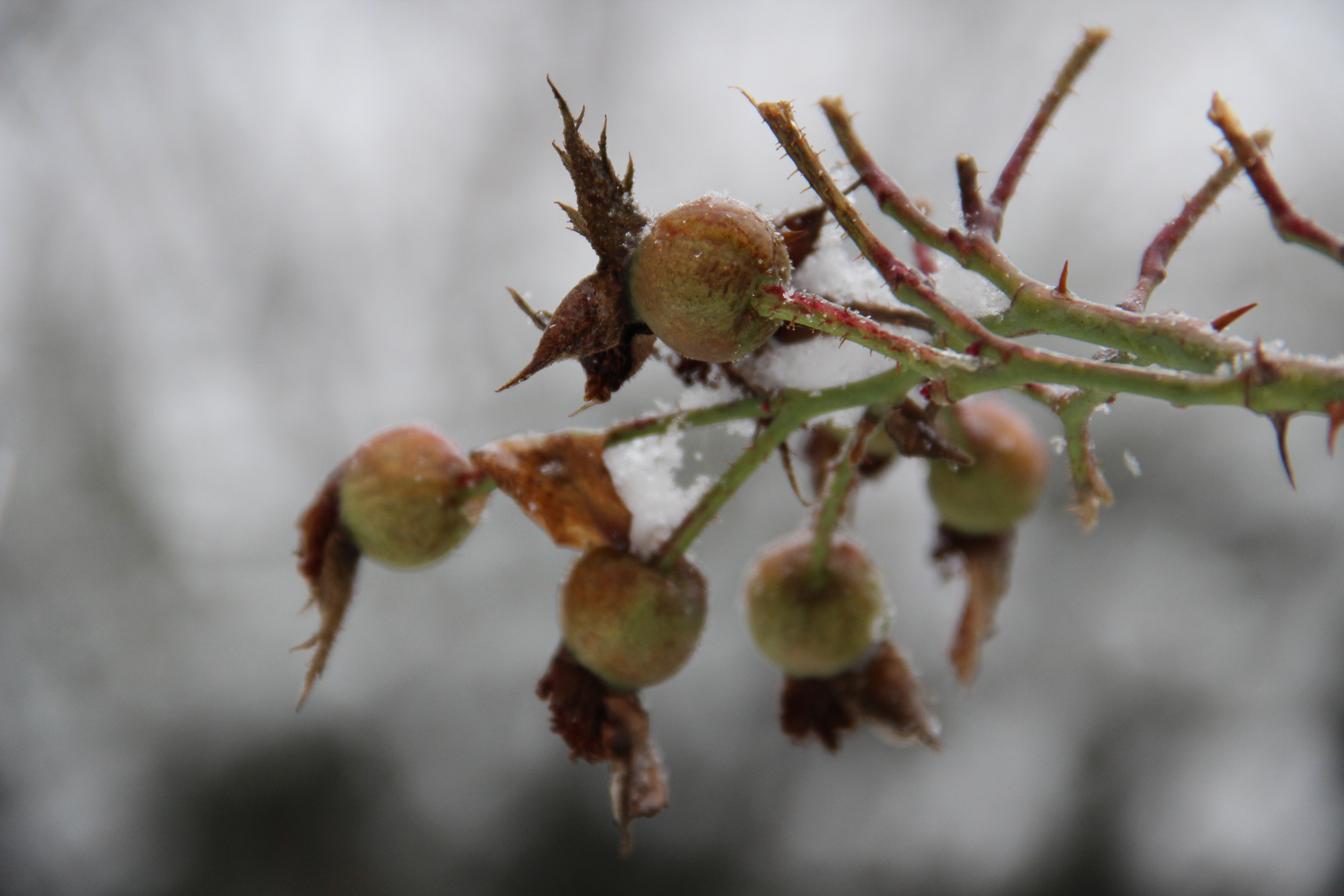
Snow melts on the still-green stems and hips of Rosa 'Henry Kelsey".

Snow melts on the still-green stems and hips of Rosa ‘Henry Kelsey’.

Six weeks ago, a high of 47 degrees (F) would have felt very chilly and worthy of complaint.   Today, it feels balmy — a glorious day to be outside.   And though the next Arctic air mass will arrive tonight with subzero temperatures and dangerous wind chills, I’ll cherish this tiny foretaste of spring while I wait for the January thaw.

Northern Christmas Greetings

In the cold darkness of the northern winter, solstice arrived and soon the days will grow noticeably longer.  May you know the beauty,

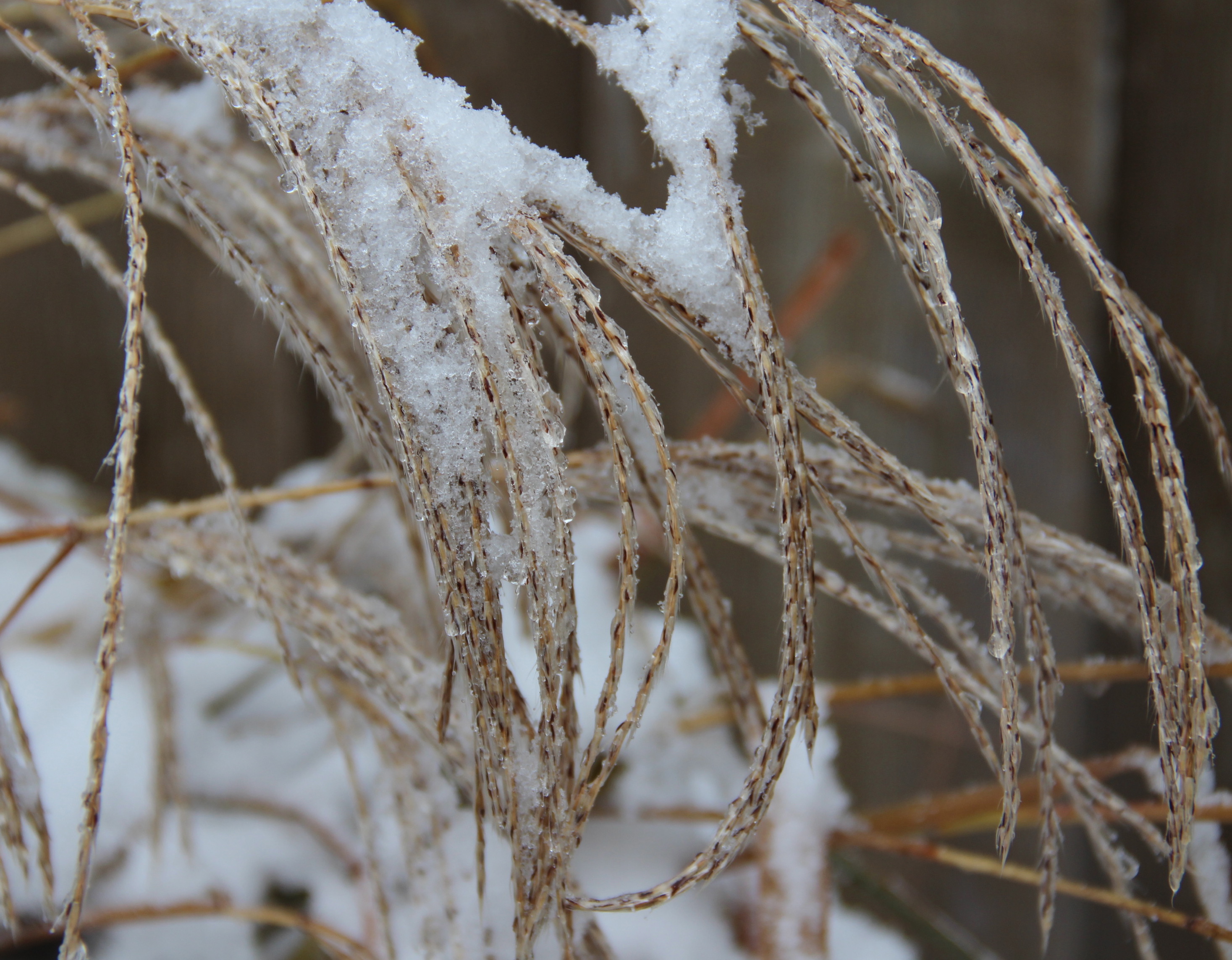
Miscanthus sinensis 'Purpurascens'

Miscanthus sinensis ‘Purpurascens’ seed heads glisten with ice, Saint Paul, Minnesota.

the quiet peace,

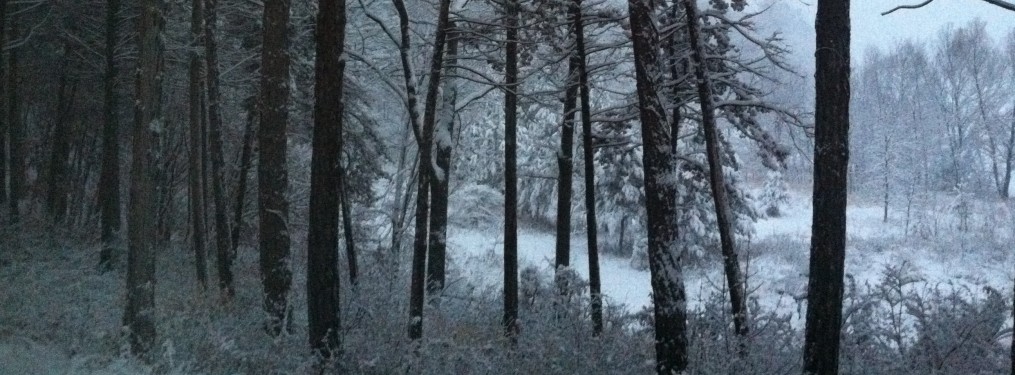
Red pines in the St. John's Arboretum, Collegeville, Minnesota.

Early morning among the red pines, St. John’s Arboretum, Collegeville, Minnesota.

and the joy in this season of Light.

Evening sky and Black Hiils spruce, St. Paul, Minnesota.

Evening sky and Black Hills spruce, Saint Paul, Minnesota.

Winter Sky

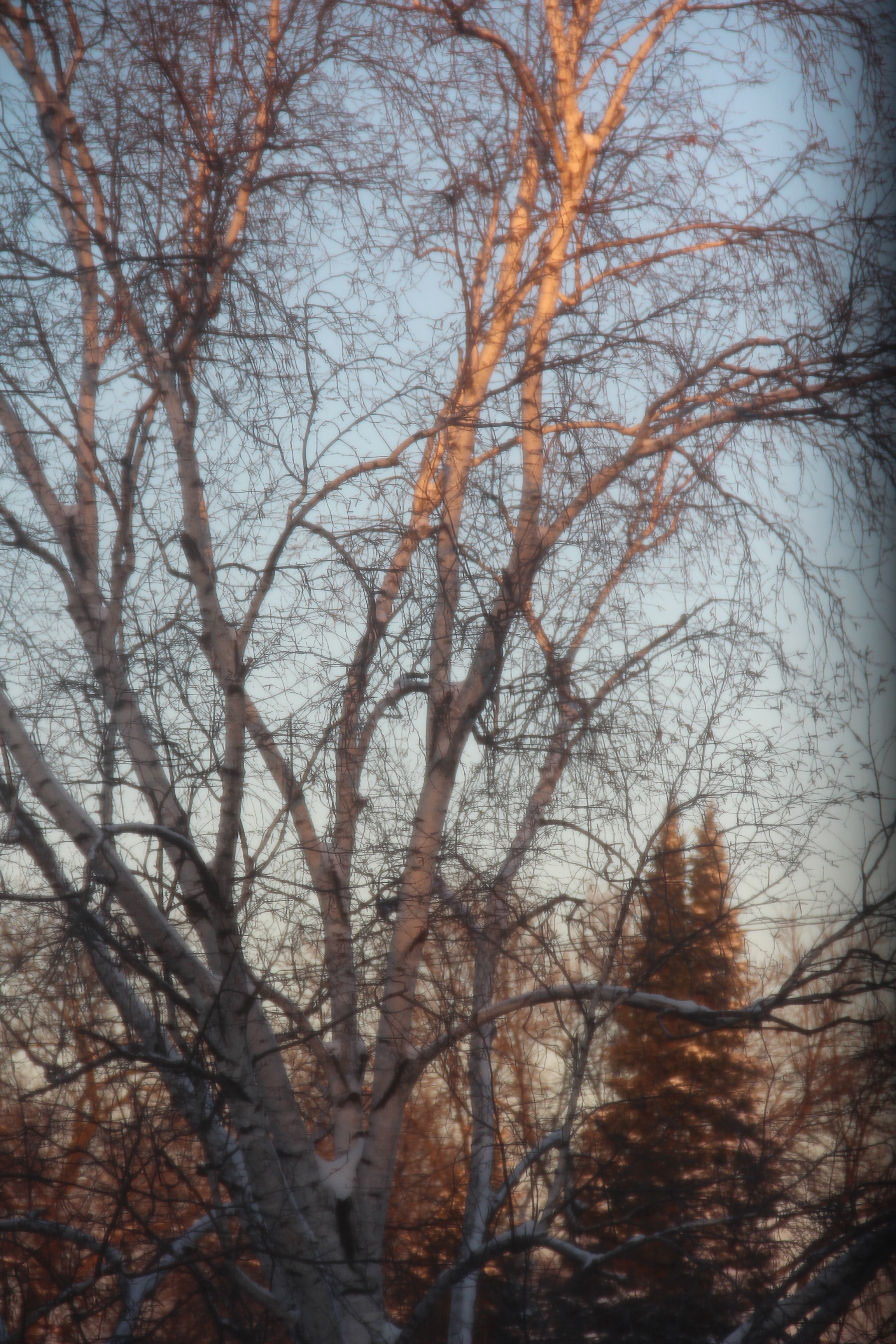
The winter sky is moody and ever-changing even in the city.  The rising sun glows a warm orange on trees and buildings that belies the steely cold air.

bircham2

The sky grows to a brilliant blue, then often softens to dove gray — especially in early winter when clouds quickly blanket the blue, sputter snowflakes, or spin a squall before moving out.

birch2am

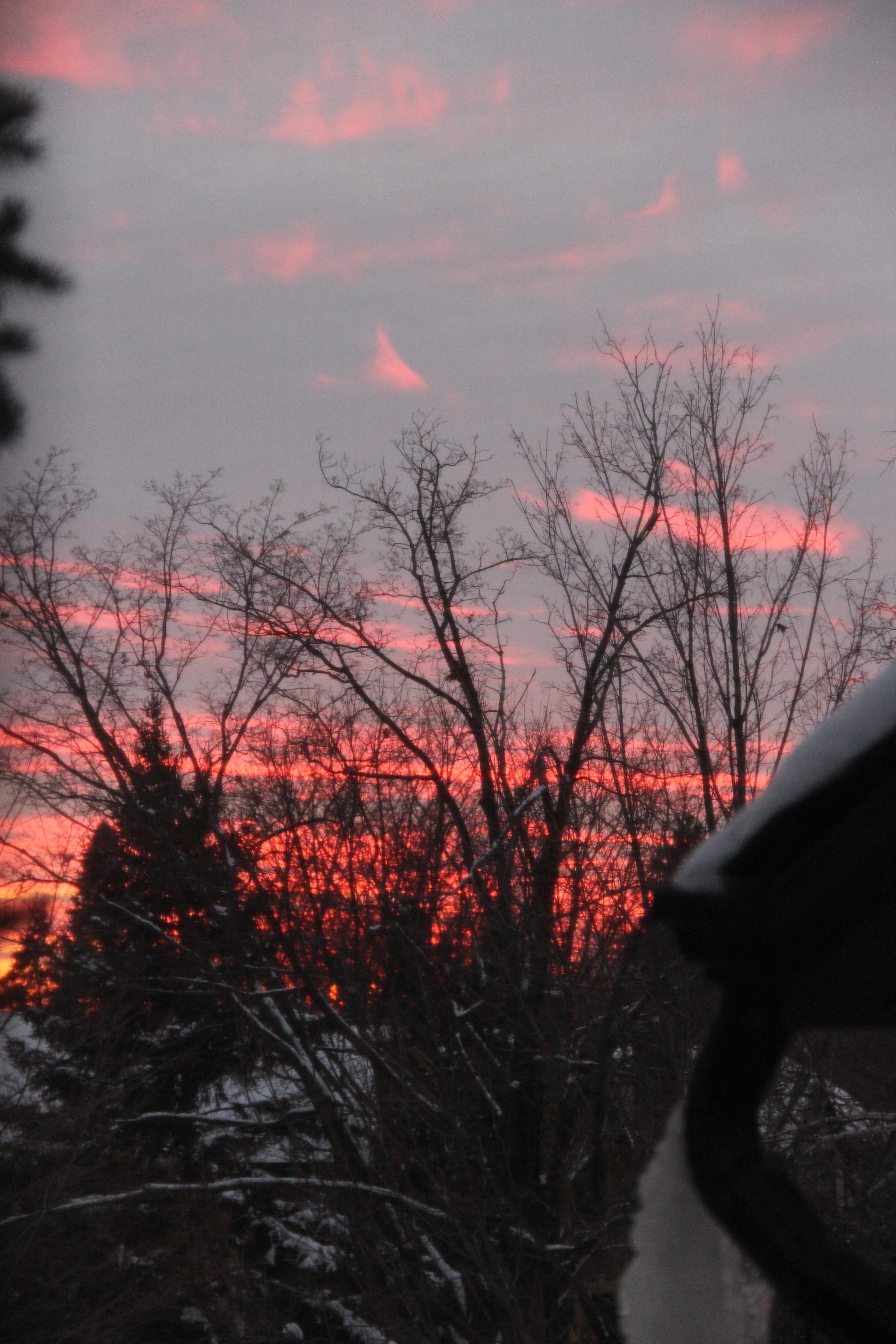
Winter sunsets fire the horizon unlike any other time of year.  As the sun sinks lower, light streams through our southwest windows flooding the rooms with deep golden rays.  I love that last burst of gentle, bright warmth and, for a few moments, I work in those rooms when possible — perhaps to write, catch up on paperwork, or even fold a basket of laundry.  Soon afterward, broad strokes of rose illuminate the west, then slowly die down to pink embers.

sunset1

sunset2

sunset3

Many evenings, in the final glow of twilight a silvery moon brightens against a pale, fading sky.

slivermoon

First “Sticking” Snow

It started out as rain, then many hours of mist. Later, heavy wet snow changed to sleet and back again, weighing down and soaking seed heads, decorative grass and the few leaves that haven’t fallen from the trees.  This snow is likely to stay for the rest of the winter, given the subzero temperatures and the prediction of more snow to arrive on Sunday.

I’m not a winter person, I’m a summer gal.  I miss the melodious birdsong, the activity of butterflies, bees and colorful beetles in our garden, the leafed-out trees, the warmth of the sun and the long, long hours of northern daylight.  But I try to find the raw, stark beauty revealed in the winter months.  It is not the vivid, vital beauty of summer.  No, it is a harsh beauty that complements the cold, brittle air, stinging wind and sharp light of December.

The season's first snow that is likely to remain until spring.

The season’s first “sticking” snow is likely to remain until spring.

When snow falls, a temporary hush settles over the city, dampening the noise of traffic and aircraft, and making it easier to hear nature’s sounds — the quiet ticking of sleet and snowflake on spent plant stalks, the rustle and crackle of brittle leaves in the wind, a chickadee’s call and the honking of geese flying low overhead.

This snow wasn’t as pretty as most because it was too soggy to etch and highlight trees and other plants.   But, I found a few lovely, wintry sights in the yard:

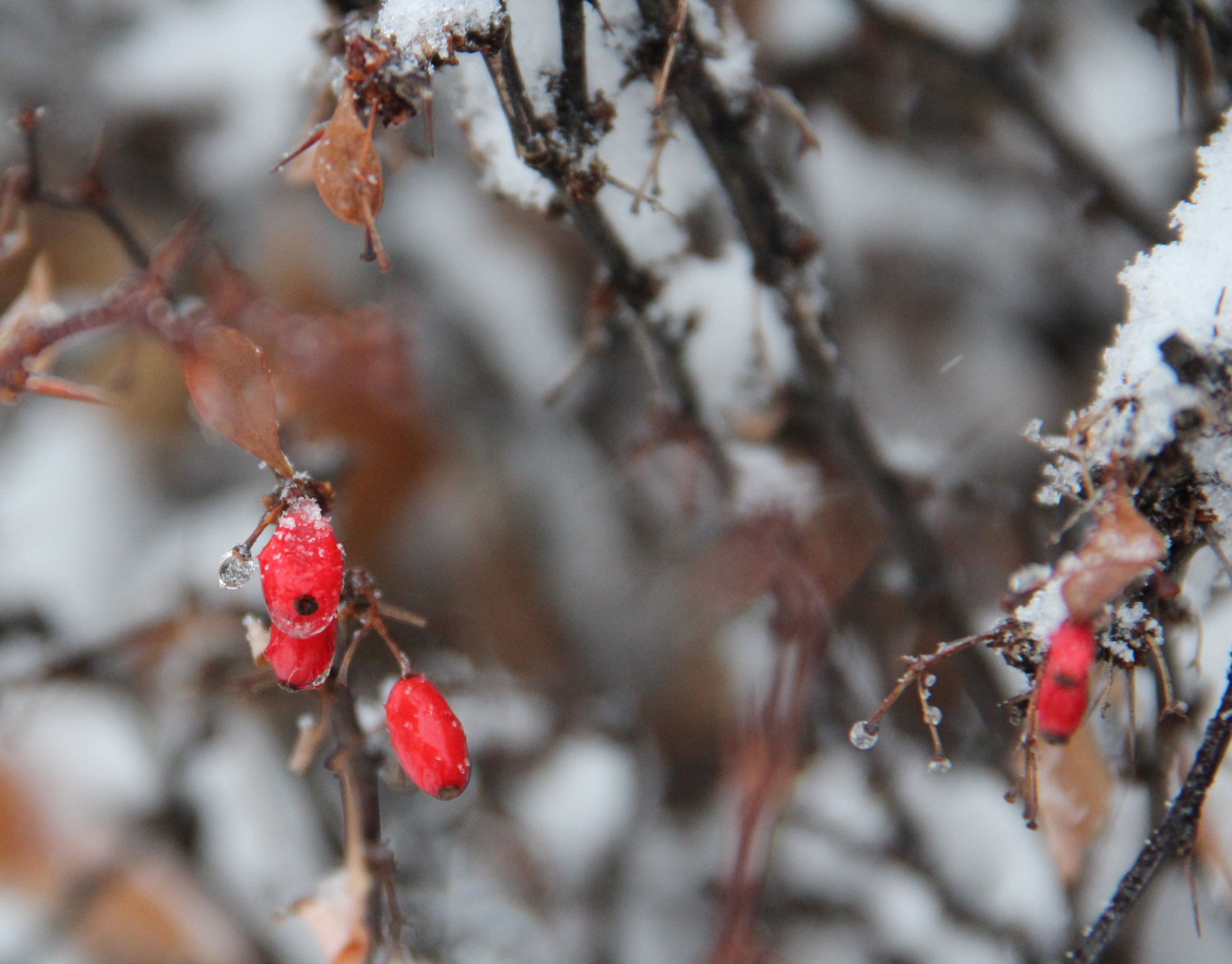
Red leaf barberry (Berberis thunbergii atropupurea berries are coated with freezing rain and snow.

Red leaf barberry (Berberis thunbergii ‘atropurpurea’) fruit is encased in freezing rain.

A single apple leaf...

A single beacon apple (Malus ‘beacon’) leaf decorates a snowy landscape.

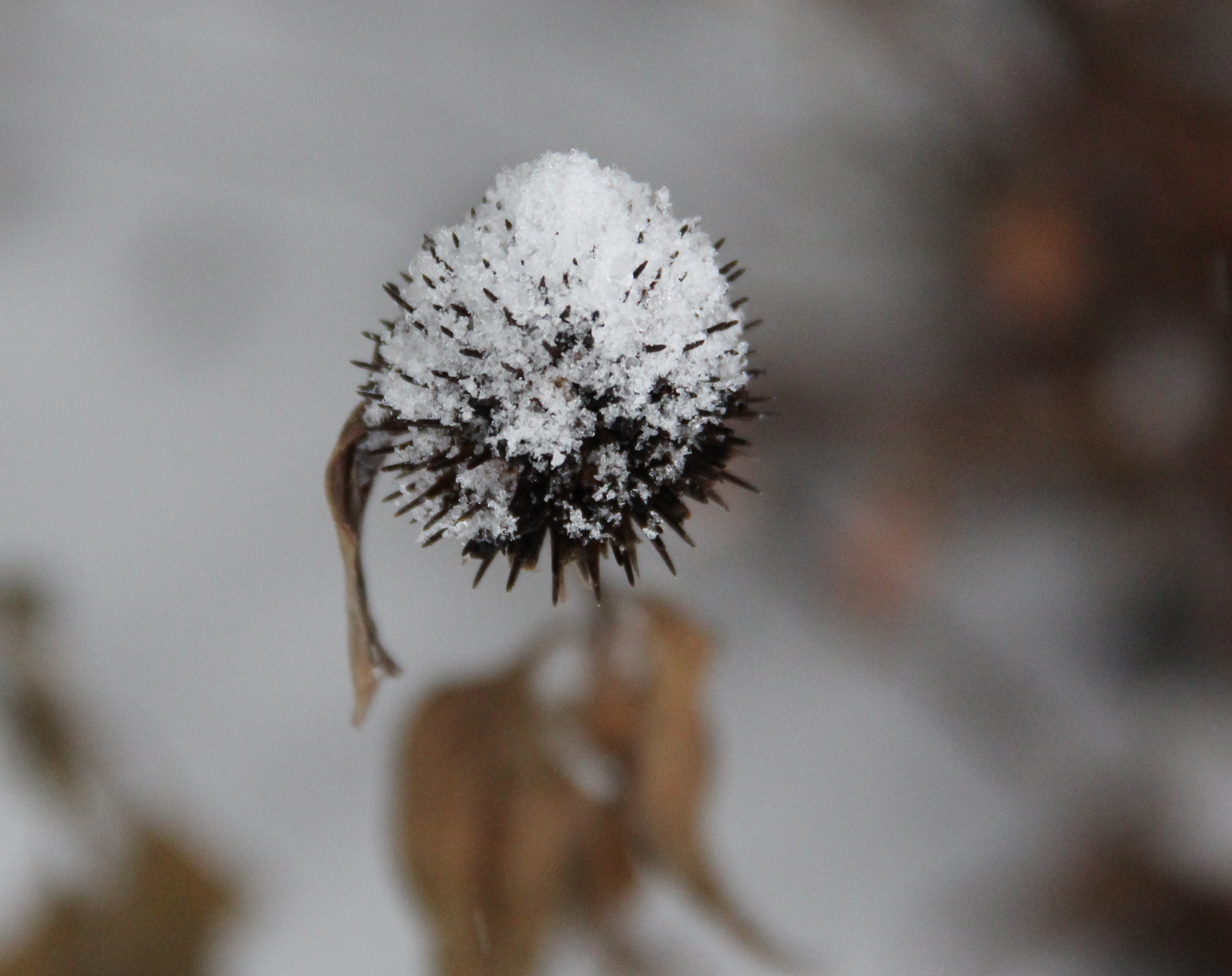
A purple coneflower (Echinacea purpurea) seed head sparkles with beads of sleet.

A purple coneflower (Echinacea purpurea) seed head sparkles with beads of sleet.

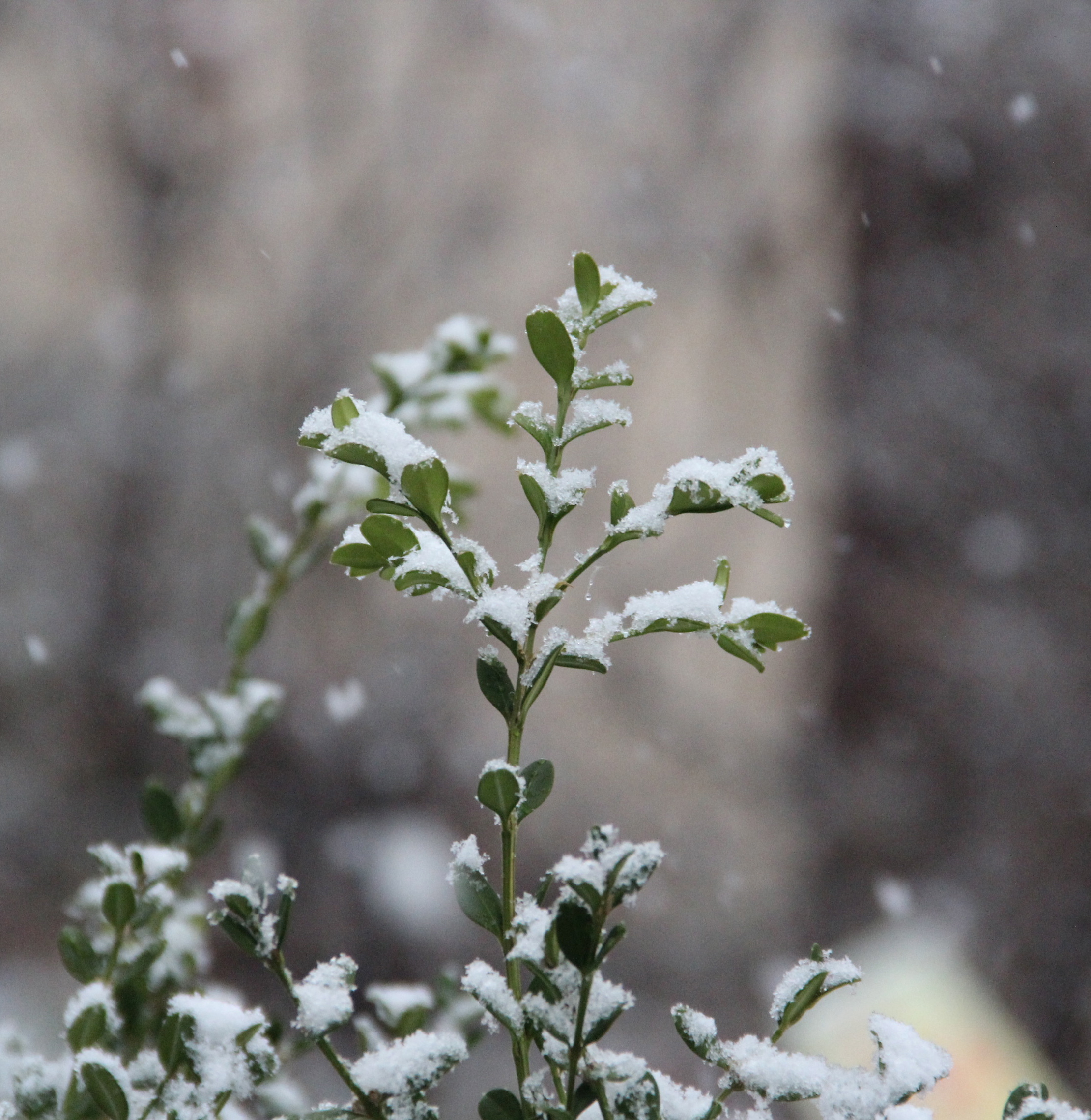
Snow frosts an evergreen Korean boxwood (Buxus microphylla var. koreana).

Snow frosts the tips of an evergreen Korean boxwood bush (Buxus microphylla var. koreana).

Snow softens the rough bark of 70-year-old beacon apple tree (Malus "beacon").

Snow softens the rough, scaly bark of a 60-year-old beacon apple tree (Malus ‘beacon’).

Star magnolia (Magnolia stellata) buds are coated in snow.

Tightly closed Star magnolia (Magnolia stellata) buds are dusted with falling snow.

A Harvest of Berries

In late November, most leaves have fallen to the ground, turned brown and tucked Earth’s northern regions in for the long winter.  But the bareness reveals new beauty in the form of a harvest of berries.  Many colorful berries decorate trees, shrubs and vines, both here in St. Paul and in the woods surrounding our cabin on the Snake River in Pine County, MN.  They also provide food for many birds and small mammals.  Here is a sample of this generous harvest:

Six species of dogwood are native to Minnesota.  Among the  most colorful are gray dogwood and swamp dogwood, also known as silky or blue dogwood.

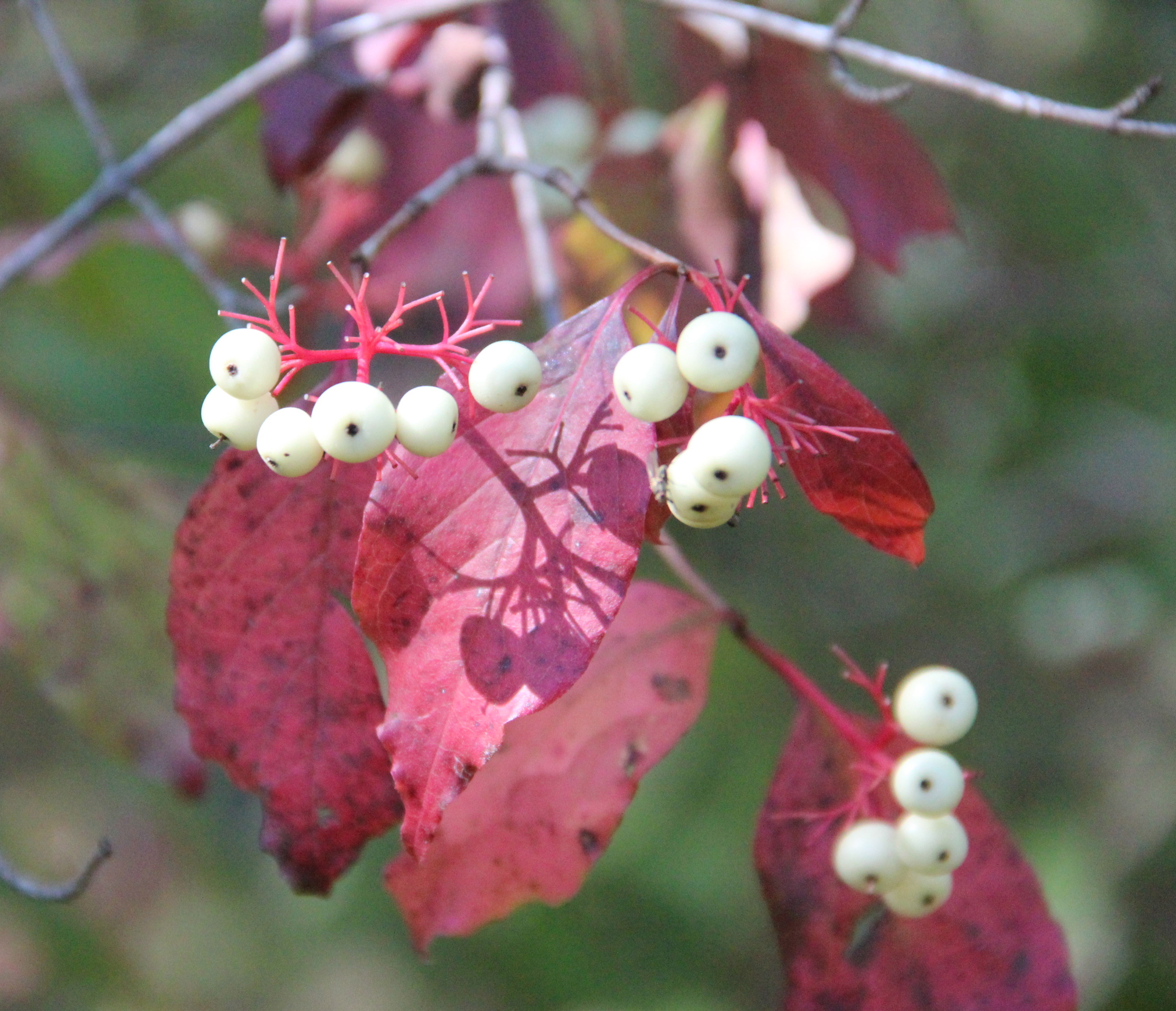
gray dogwood

Gray dogwood (Cornus racemosa) leaves turn shades of maroon and purple. White berries or “drupes” grow on stalks that turn bright red in autumn.

Swamp or silky dogwood (Cornus amomum) berries ripen to dark blue. The shrubs form dense thickets that provide cover for snowshoe hare and other animals.

Swamp or silky dogwood (Cornus amomum) berries ripen to dark blue. The shrubs form dense thickets that provide cover for snowshoe hare and other animals.

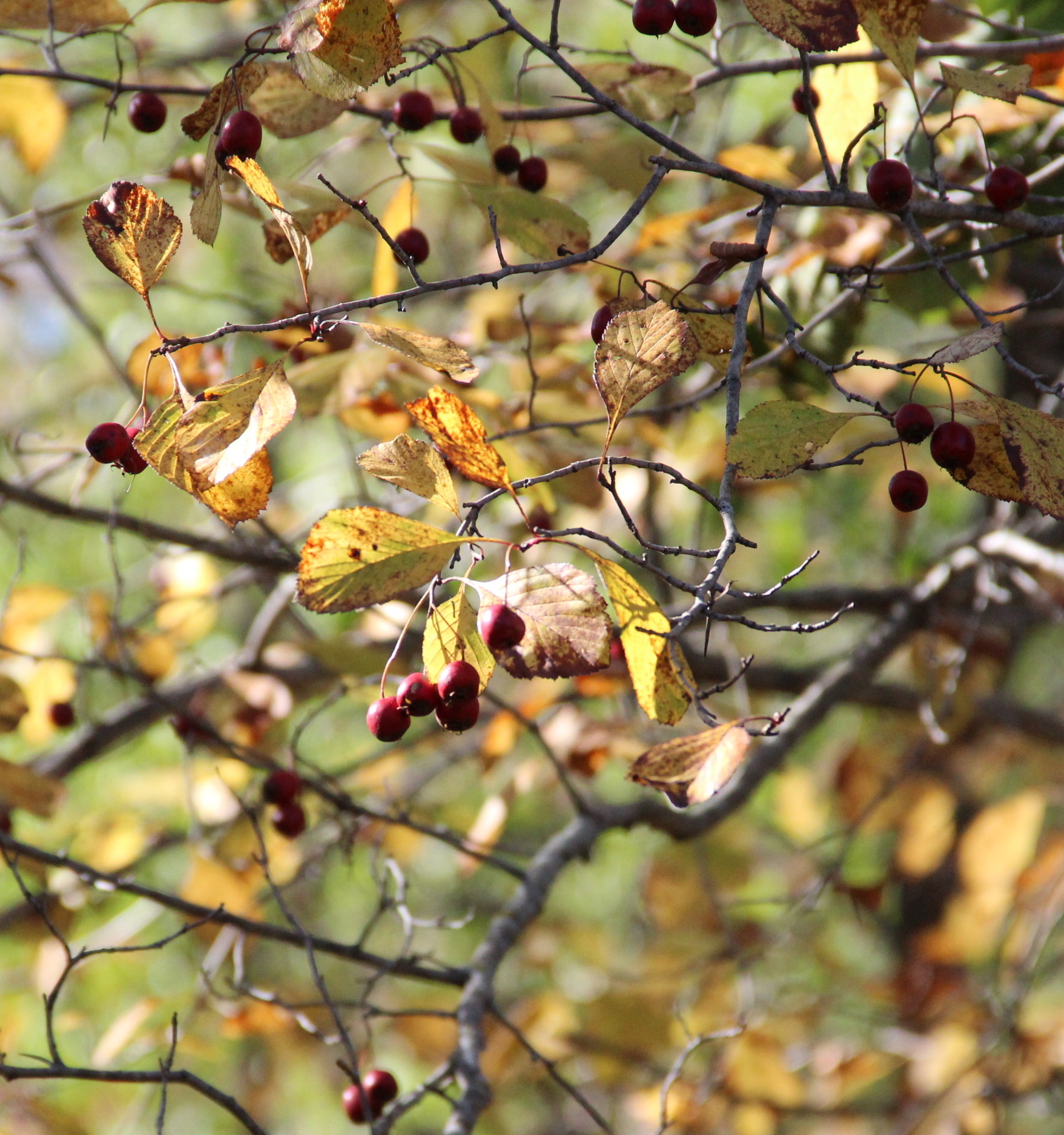
Native hawthorns (Crataegus) are small trees with long, sharp thorns that produce a beautiful red fruit eaten by many songbirds.

Native hawthorns (Crataegus) are small trees, with long, sharp thorns, that produce a beautiful red fruit or “pome” eaten by many songbirds.

American woodbine’s scarlet leaves have fallen to reveal deep-blue berries on fire-red stalks or pedicels.  Woodbine is a close relative of Virginia creeper, but prefers sunnier locations and lacks adhesive cups at the end of its tendrils.

American woodbine berries are a winter food source for some species of songbirds.

American woodbine (Parthenocissus inserta) berries are a winter food source for some species of songbirds.

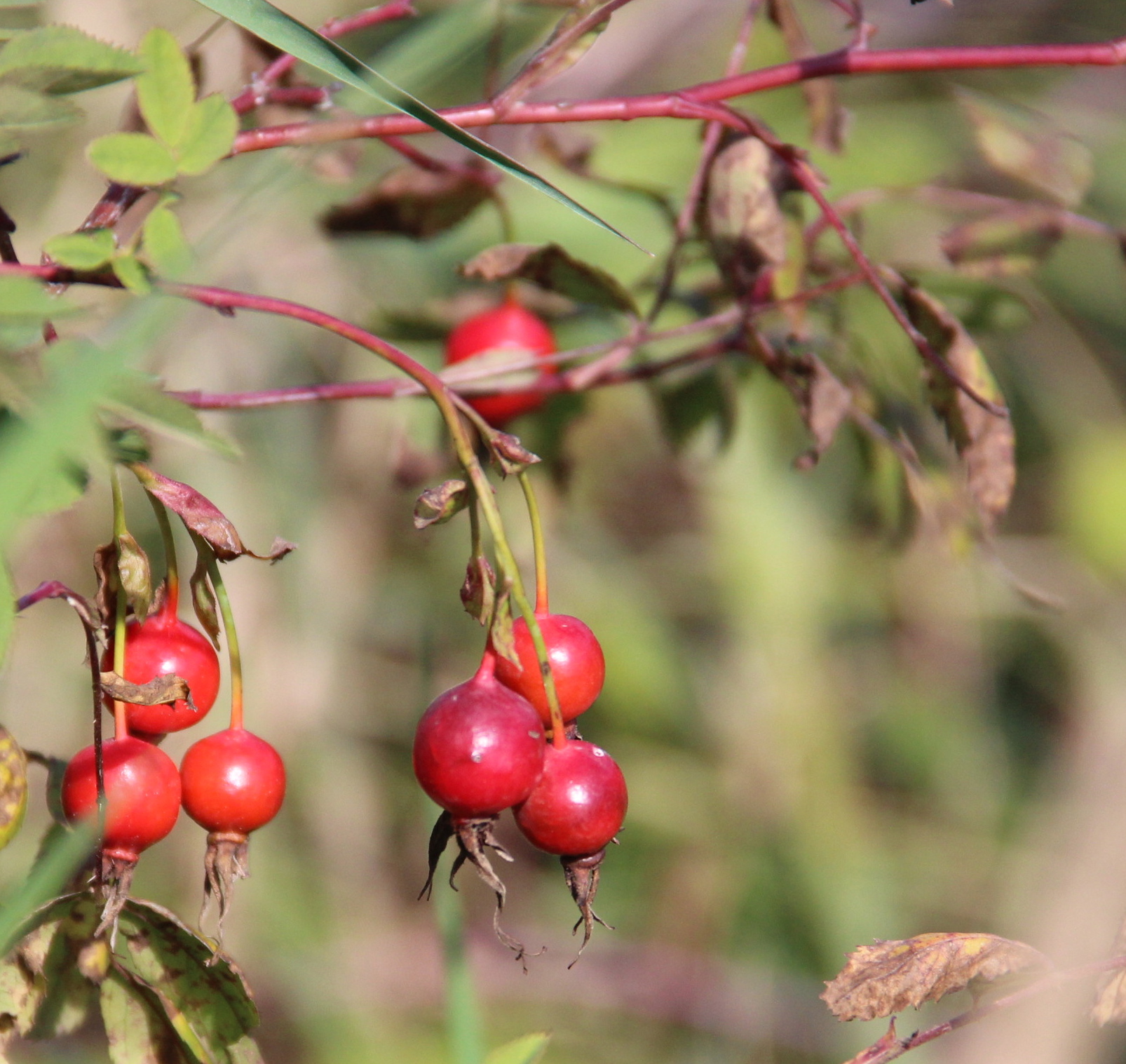
Many species of rose, both native and cultivated, produce beautiful fruit known as “hips”.  Rose hips are rich in vitamin C and other nutrients.

Squirrels eat the fruit or "hips" of (Rosa 'Henry Kelsey') before they've even ripened.

Squirrels eat the fruit or “hips” of (Rosa ‘Henry Kelsey’) before the fruit has even ripened.

rosehips3

Smooth rose (Rosa blanda) produces nutritious hips favored by many mammals and birds.

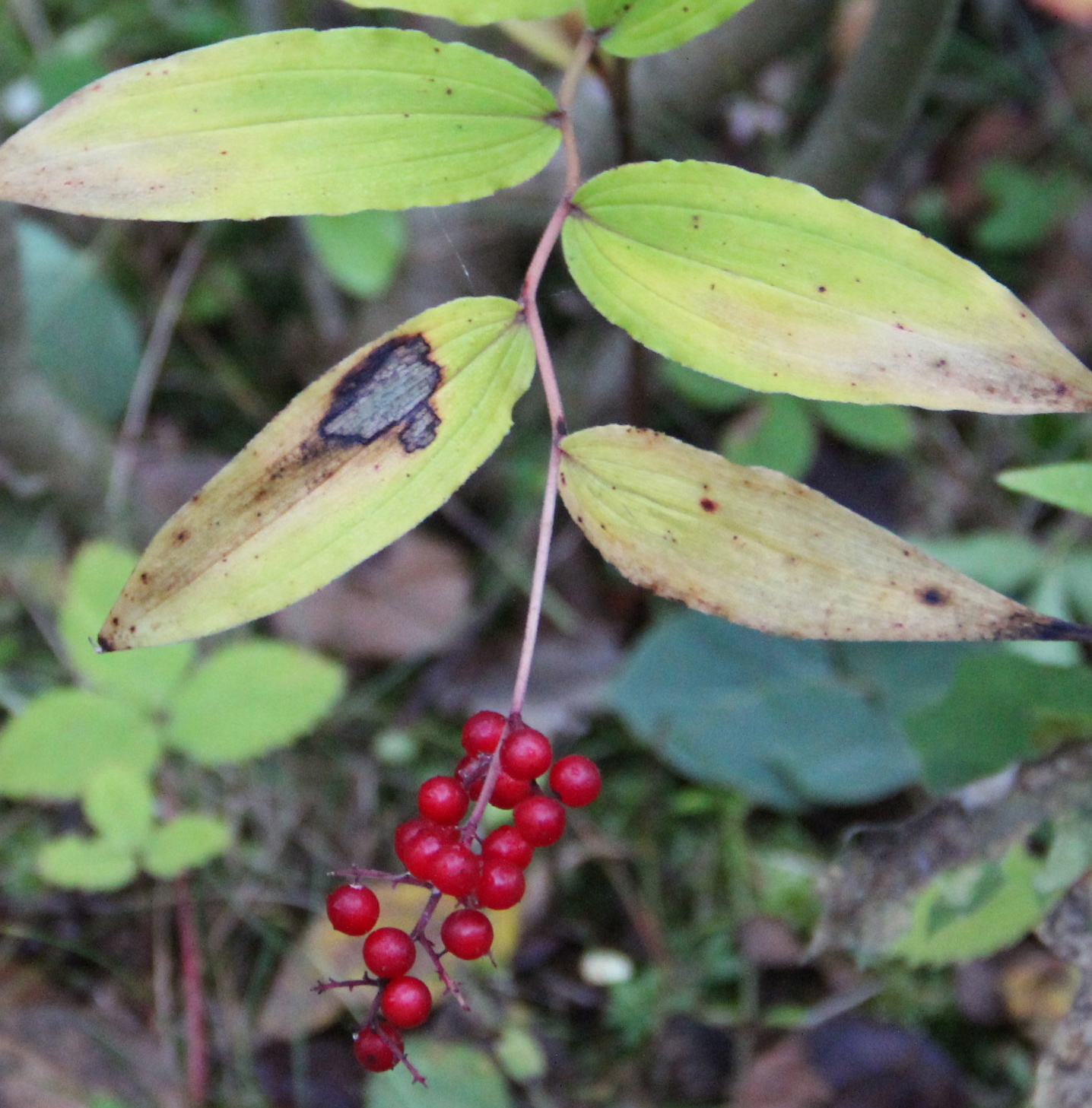
The feathery white plumes of starry false Solomon’s seal have grown into plump berries that gradually changed from bright green to beige mottled with coppery red, and now are bright, translucent red.

Ripe berries of starry false Solomon's seal (Maianthemum racemosum) hang in plumes.

Ripe berries of starry false Solomon’s seal (Maianthemum racemosum) hang in plumes.

Milkweed Seeds

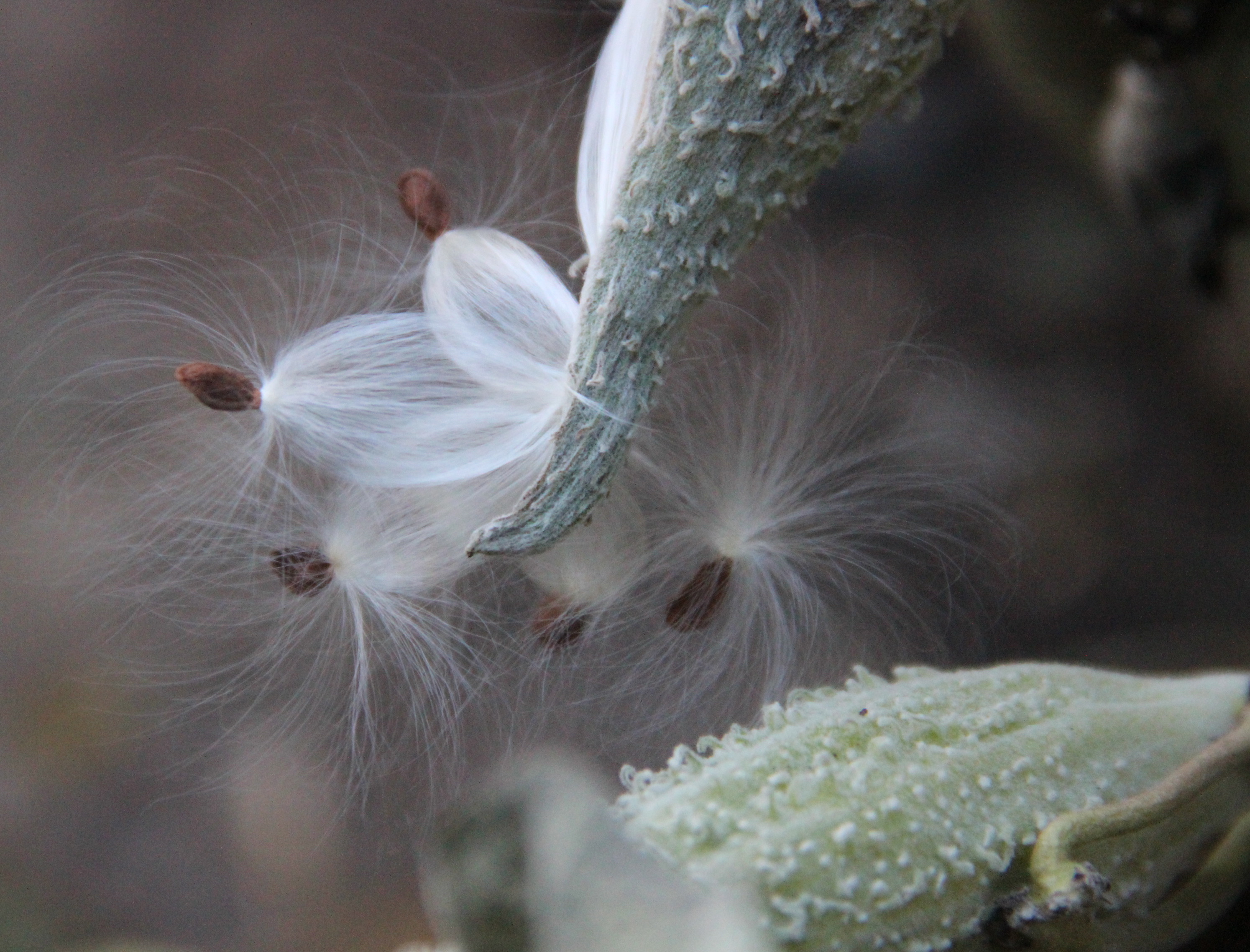
Last summer, hummingbirds, butterflies and bees nectared in the pale pink blossoms of common milkweed that grows in our back garden.  Now in mid-November, the thick, fibrous stalks and leaves have died back.  Last week, the rough, oval pods split open and released their small, coffee-brown seeds, each one surrounded by an arc of silk to sail it on the wind.  They seem such delicate creations to be floating November’s raw skies and, for me, symbolize the beauty and life that will return next spring.

The delicate-looking seeds of common milkweed escape their pods.

The delicate-looking seeds of common milkweed (Asclepias syriaca) escape their pods.

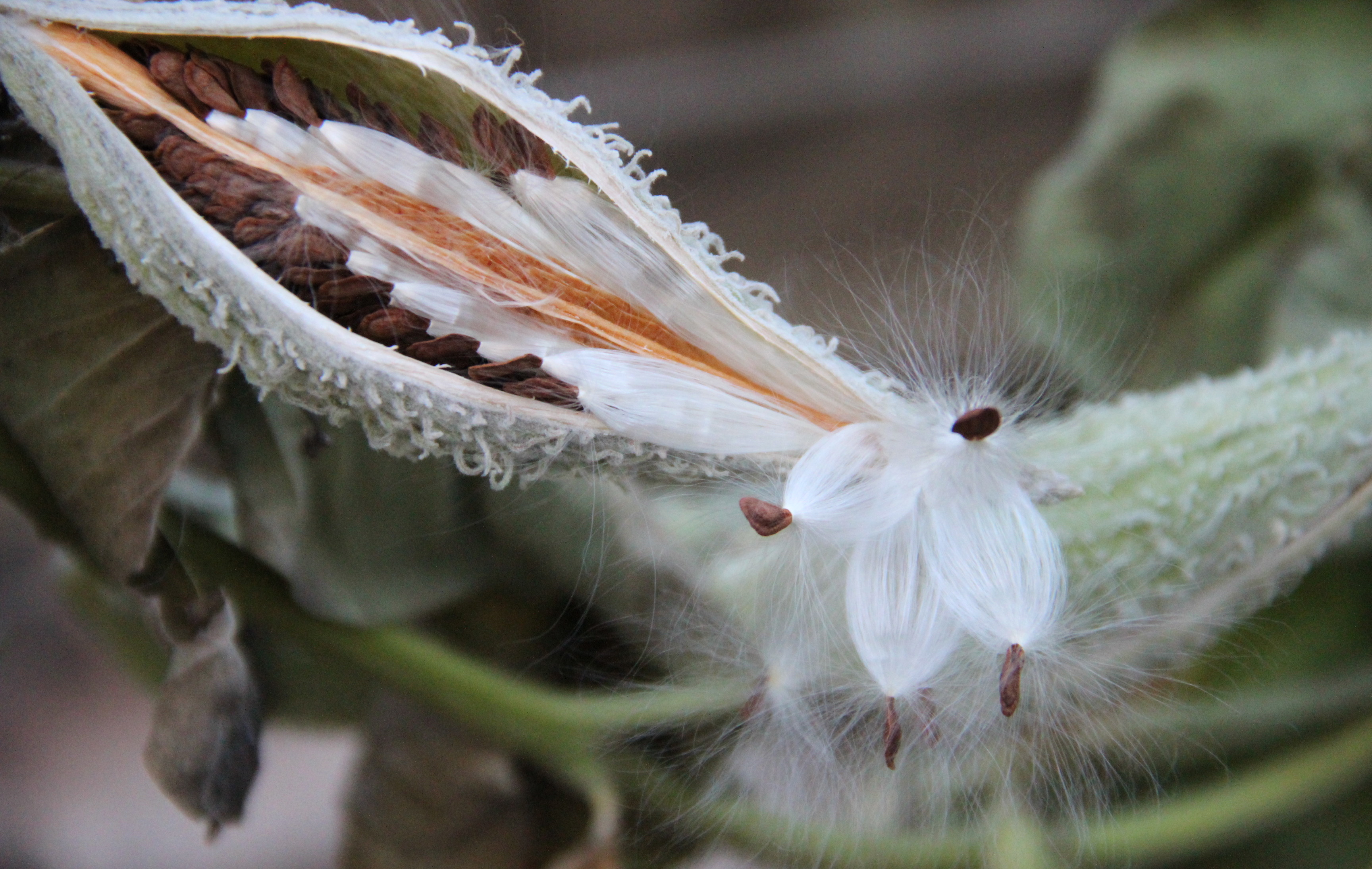
Before the pod opens, the milkweed seeds are tightly arranged in orderly rows around a central core.

Before the pod opens, the milkweed seeds and their silky “parachutes” are tightly arranged in orderly rows around a central column.

Last summer a bumblebee fertilized the flower that formed the milkweed pod I photographed above.

Last July, a bumblebee fertilized the blossoms that became today’s seeds.

Late-Season Ladybugs and a Lacewing

After a couple of unseasonably chilly days that put a skin of ice on a neighborhood pond, the temperature rebounded into the mid-50s on Thursday and Friday.  Many non-native multicolored Asian ladybug beetles came out of hiding and scurried about on sun-warmed concrete sidewalks and stone walls.

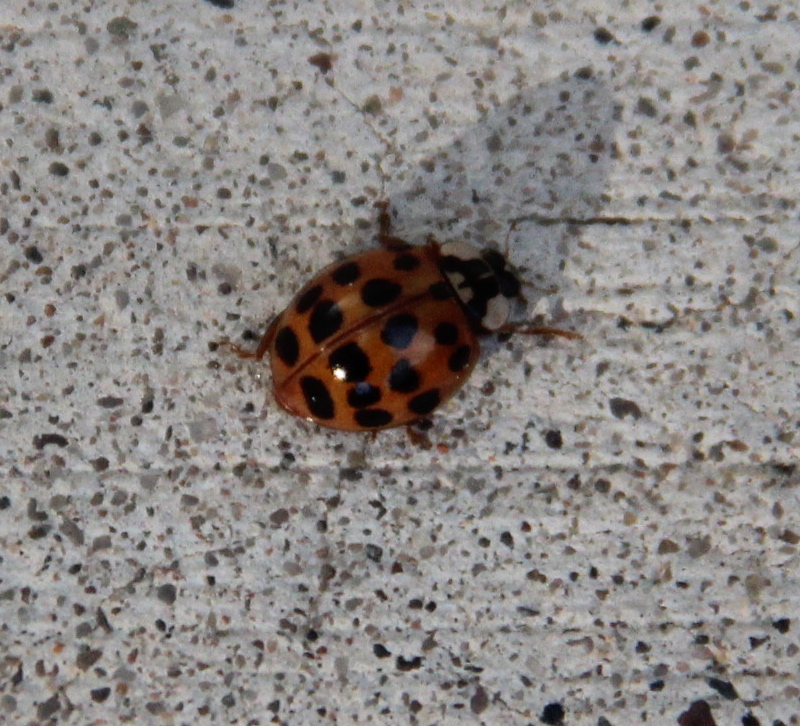
An Asian ladybug (Harmonia axyridis) soaks up the afternoon sun.

A multicolored Asian ladybug (Harmonia axyridis) soaks up the afternoon sun.

I’m not an expert at distinguishing between native and Asian ladybugs, but those I photographed seem to have characteristics of Asian ladybugs:  an “M” or “W” mark (depending on the viewing angle) on the thorax between the head and abdomen, variations in color among individual beetles, variations in the number of spots on wing covers among individuals, and remaining active into late autumn.

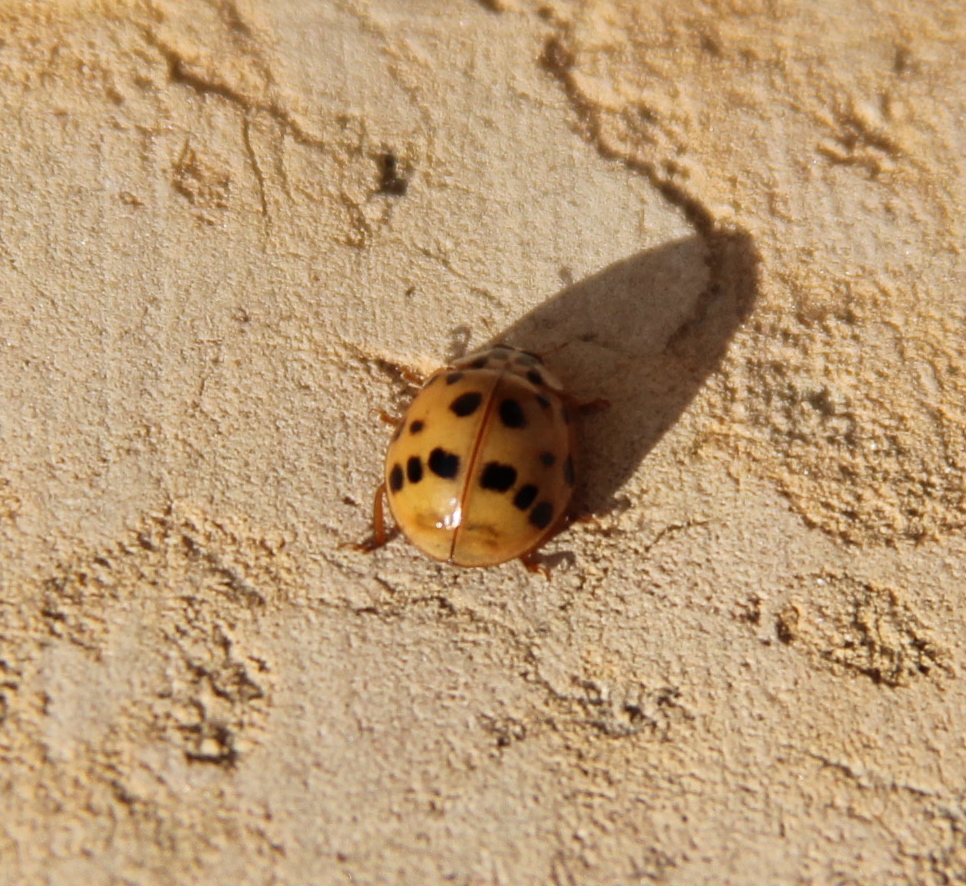
Individual Asian ladybugs show greater variation in color and number of spots number of spots amo

Individual multicolored Asian ladybugs show greater variation in number of spots and color than native species.

Asian ladybugs can be a competitive threat to native species and are sometimes pests indoors during the winter.  One November evening several years ago, we drove to our cabin for the weekend.  The ladybugs had gone into hibernation and when we heated the cabin, the warmth awakened a group of about 60 Asian ladybugs that had found a way inside.  They preferred the lights to us and were lined up like beads on a necklace around the tops of lamp shades, and on a lengthy pull-chain for a ceiling fan and light.  We never saw them again, so they must have found their way outside in the spring.

Like native ladybug species, Asian ladybugs eat large numbers of garden and agricultural pests, such as aphids.

Like native ladybug species, Asian ladybugs eat large numbers of garden and agricultural pests such as aphids.

I also found a green lacewing (Chrysopidae) on a window screen.  Lacewings destroy large numbers of garden and agricultural pests such as aphids and other small insects.  (I apologize for the poor photograph taken through the screen; unfortunately, the lacewing flew away as I went outside to photograph it.)

A green lacewing perched on a window screen soaks up suns itself.

A green lacewing (Chrysopidae) perched on a window screen suns itself.

The lacewing was a lovely and delicate gift on a late-autumn day; a symbol of spring to remember during the long winter.

November Maples

Ash trees are bare and golden birch leaves are falling rapidly.  Maple trees — red, silver and black species — smolder in shades of red, orange, gold and yellow on Saint Paul’s boulevards.  A mild, sunny day with strong, gusty southwest winds pulled many leaves from the trees, piling them in corners, catching them in bushes and long grass, and decorating all things still green with the fire of autumn.

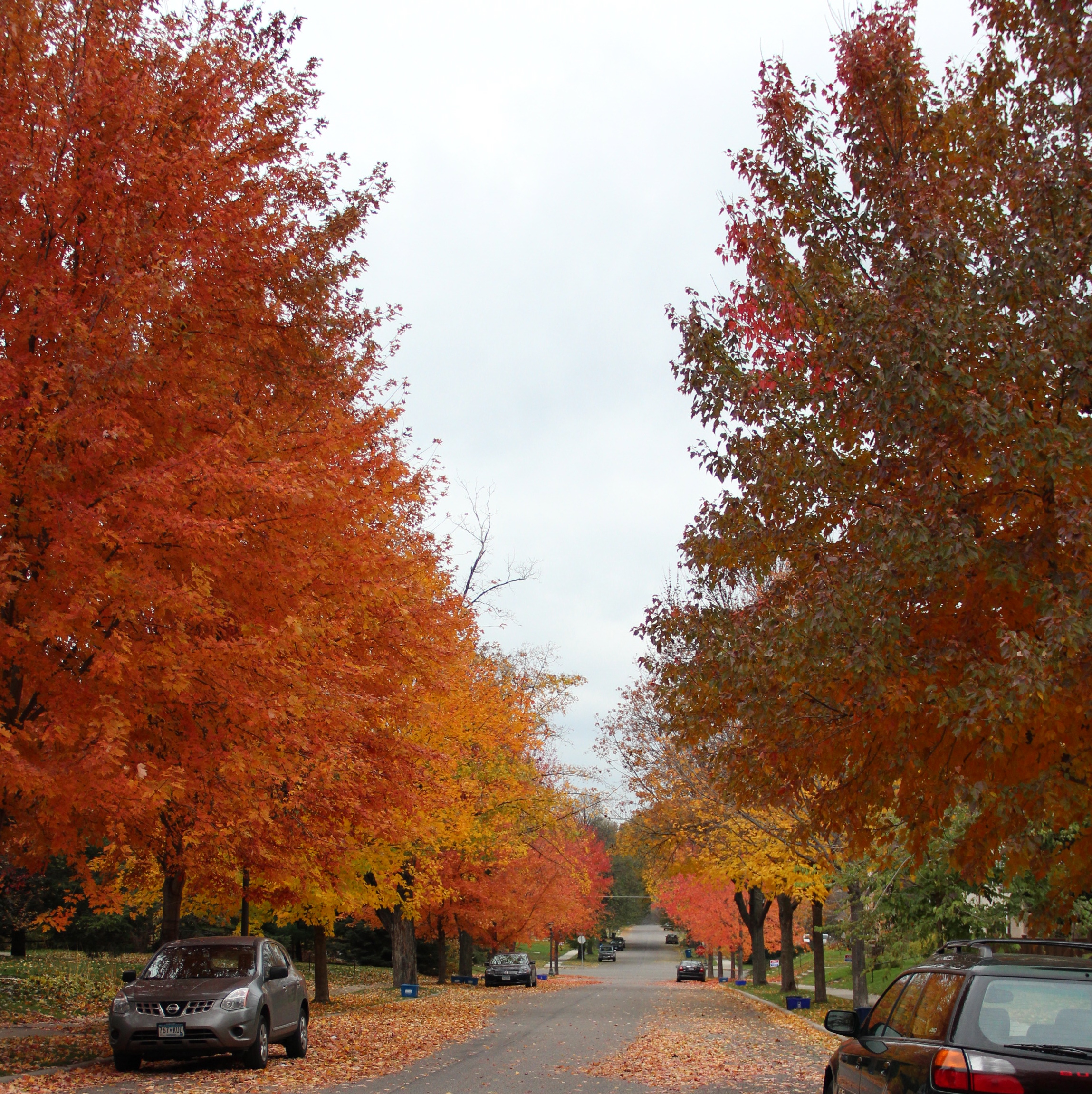
Several species of maple show their colors on our St. Paul, MN, avenue.

Several species of maple display their colors on our St. Paul, MN, street.

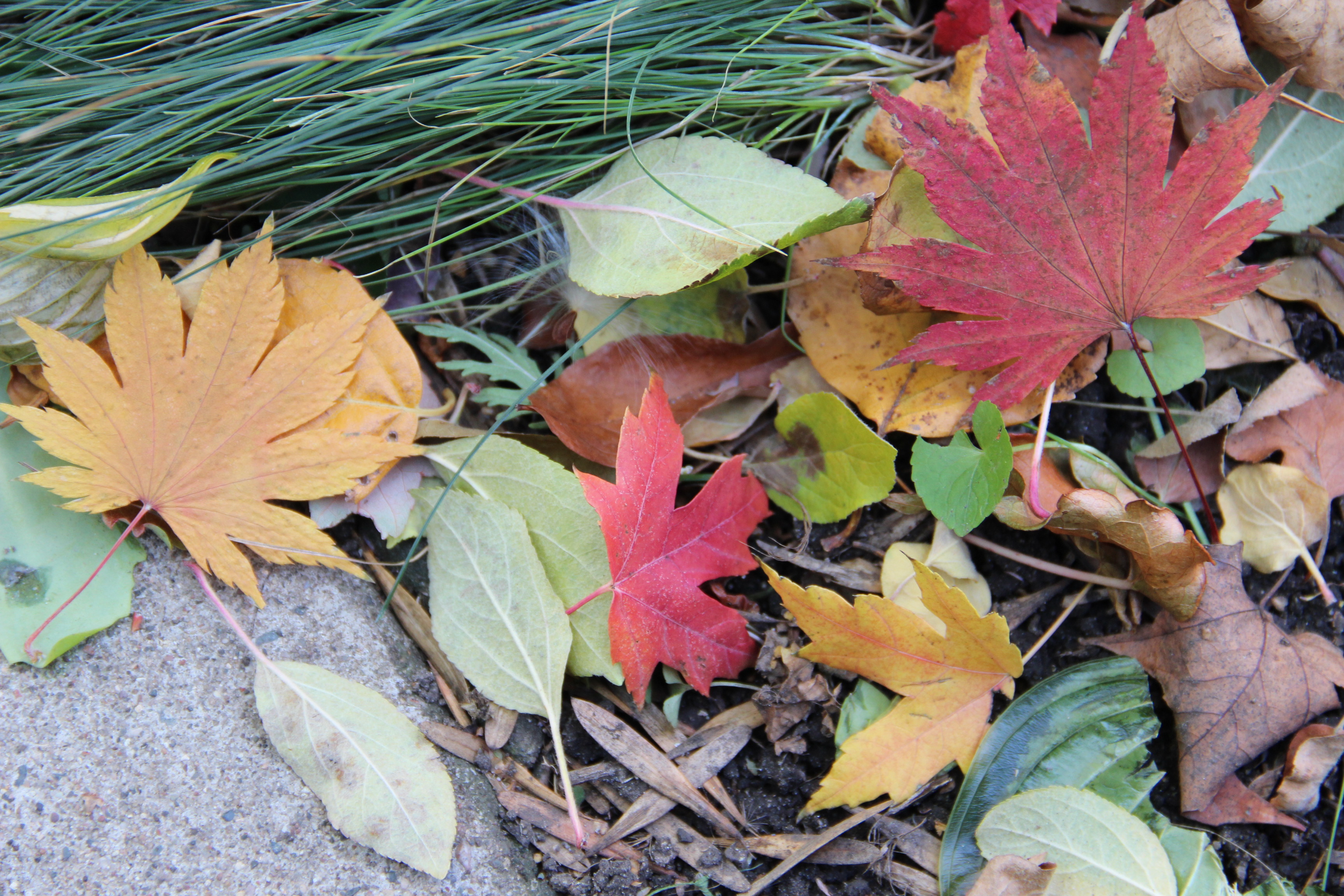
A southwest wind blew together a small pile of maple and apple leaves with ash keys nestled next to blue fescue 'Elijah blue'.

A southwest wind blew together a small pile of maple leaves, apple leaves and ash keys nestled next to blue fescue ‘Elijah blue’.

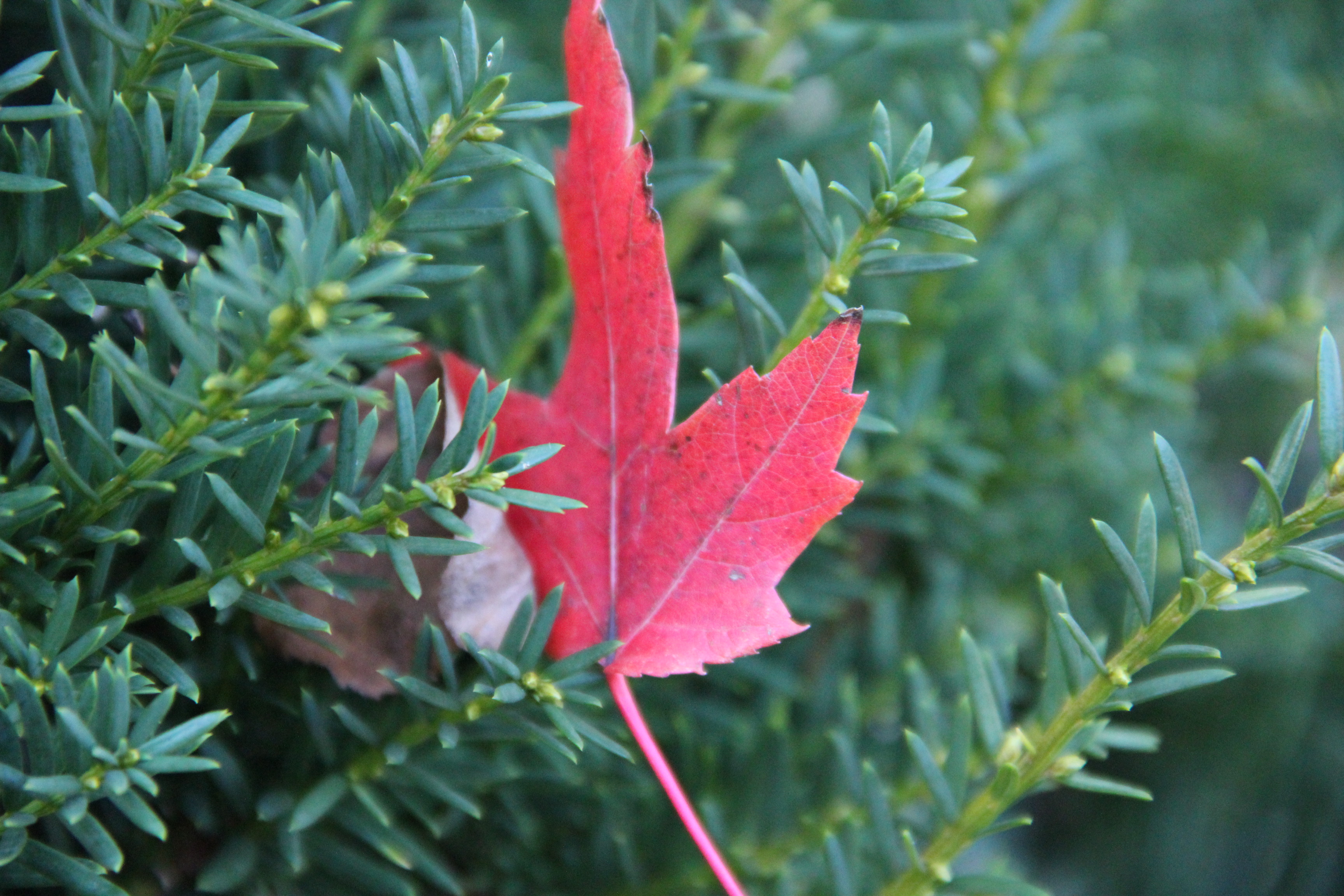
A maple leaf, 'autumn blaze', glows against the dark green of a yew where it was trapped by the wind.

An ‘autumn blaze’ maple leaf glows against a deep green yew where the wind trapped it.

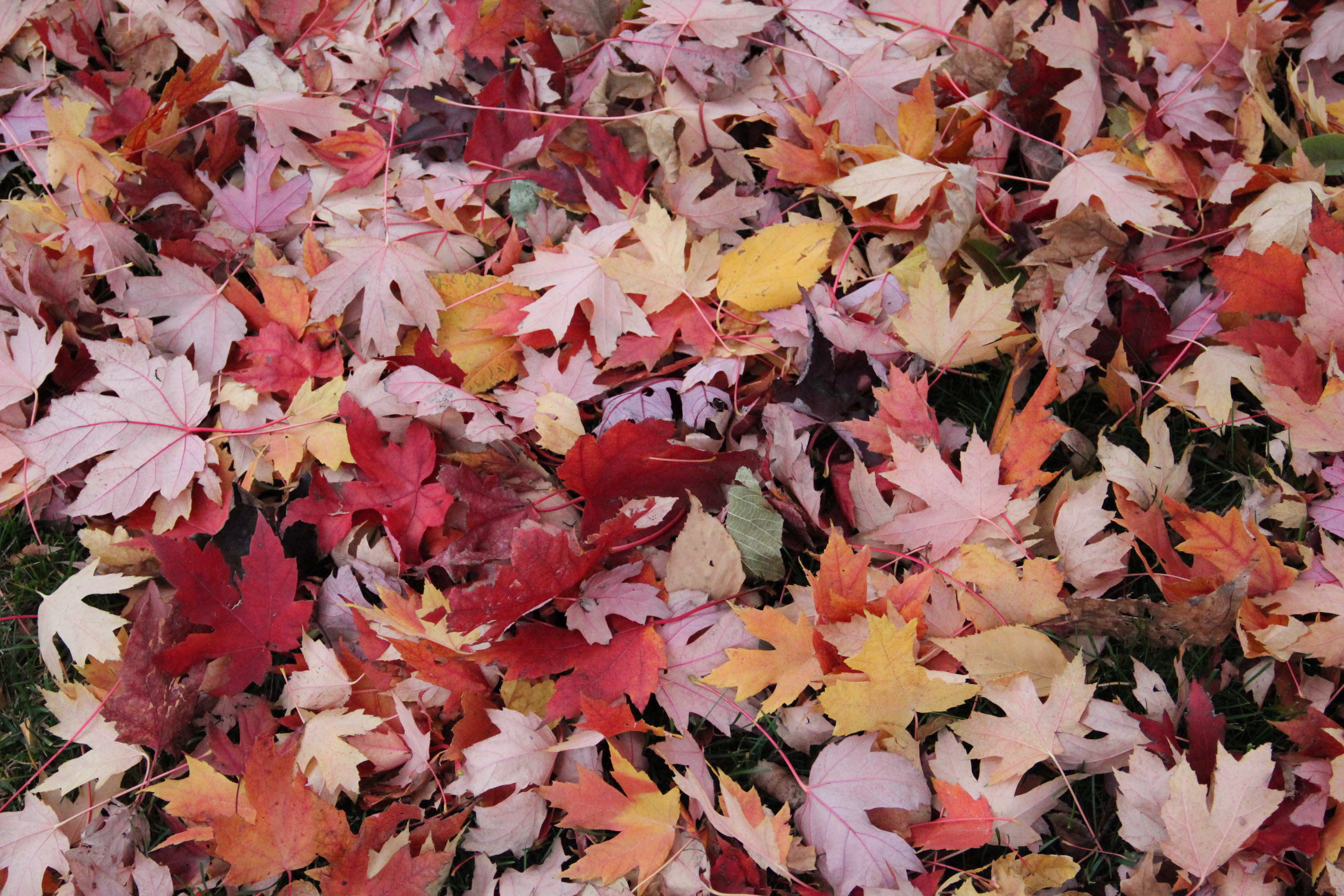
A bright patchwork sewn of maple leaves decorates our front lawn.

A bright patchwork of maple leaves decorates our front lawn.

First Hard Frost of Autumn

Early yesterday morning, as Orion sailed high overhead and strings of bright stars washed the sky in spite of an almost-full moon, the first killing frost zapped gardens in the urban core of St. Paul-Minneapolis.  About two weeks later than the average date of October 7th, the first hard frost turned basil and impatiens to mush, bedraggled morning glories and hyacinth beans, and shriveled the last blossoms of Japanese anemones and toad lilies.  But one hardy bloom survived: a newly opened cluster of climbing ‘Henry Kelsey’ roses.  The rose faces south and grows next to our brick garage, which helps to shelter it from north winds.  The National Weather Service predicts nighttime lows in the upper 20s the next two nights, so the roses won’t last much longer.  However, their fresh, simple beauty was a gift on a gloomy, unseasonably chilly day.  To read more about Minnesota weather, seasons and related topics, visit Updraft Blog: Weather and its Underlying Science at MPR.org.

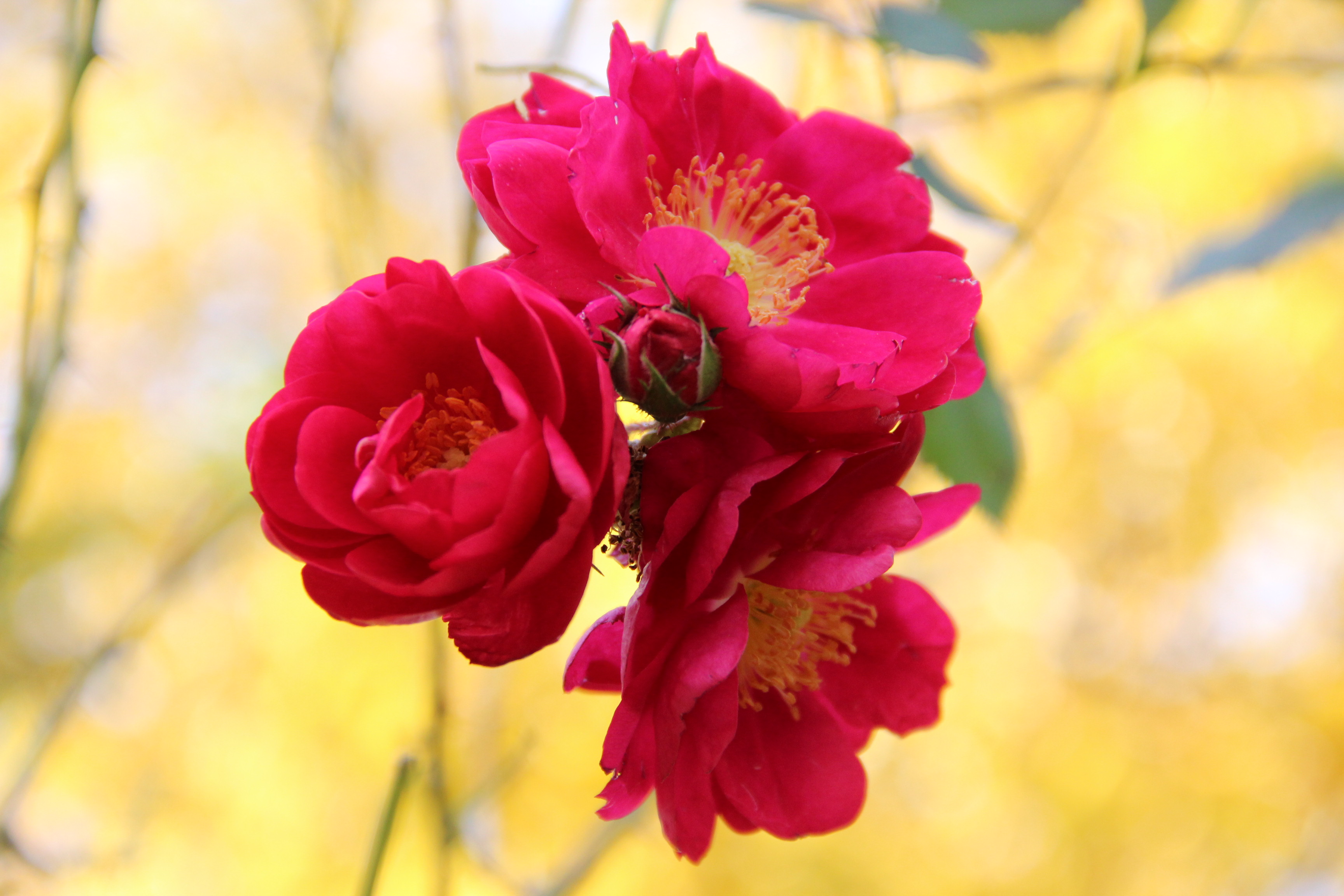
Rosa 'Henry Kelsey' (Canadian Explorer Series) survived the season's first hard frost.

Yellow leaves of an ash tree accent Rosa ‘Henry Kelsey’ (Canadian Explorer Series) blooms that survived the season’s first hard frost.