October Gold and Blue

White oaks shine against a cloudless October sky.

Bur oaks (Quercus macrocarpa) shine against a cloudless October sky.

The fleeting season of gold and blue arrived in central Minnesota last week. The golden hues of bitternut hickory, bur oak, aspen and ash glow against a sky the color of a newly opened morning glory — a shade unique to autumn. Along the Snake River in Pine County, MN, the steely blue-gray wings of a great blue heron swoop over the sparkling water.

A great blue heron (Ardea herodias) swoops over the Snake River in east central Minnesota.

A great blue heron (Ardea herodias) swoops over the Snake River in east central Minnesota.

Sky blue morning glories continue to bloom in October.

Heavenly blue (Ipomea purpurea) morning glories continue to bloom in October.

Closer to the ground, the last of the powder-blue bottle gentians and asters — some with center disks as bold as the sun — bloom among the grasses. Fallen aspen leaves accent walkways, and the heart-shaped leaves of the carrion flower vine wind their tendrils skyward. In a few days, this lovely combination will dampen down to more muted tones, the gentle softness that insulates the earth for winter’s palette of black and white.

Bottle gentian blooms (Gentiana andrewsii) turn dark and dry out as their seeds mature.

Bottle gentian blooms (Gentiana andrewsii) turn dark and dry out as their seeds mature.

Asters (Symphyotrichum novi-begii) provide nectar to these hoverflies and many other autumn insects.

Asters (Symphyotrichum novi-belgii) provide nectar to these hoverflies, or syrphids, and many other autumn insects.
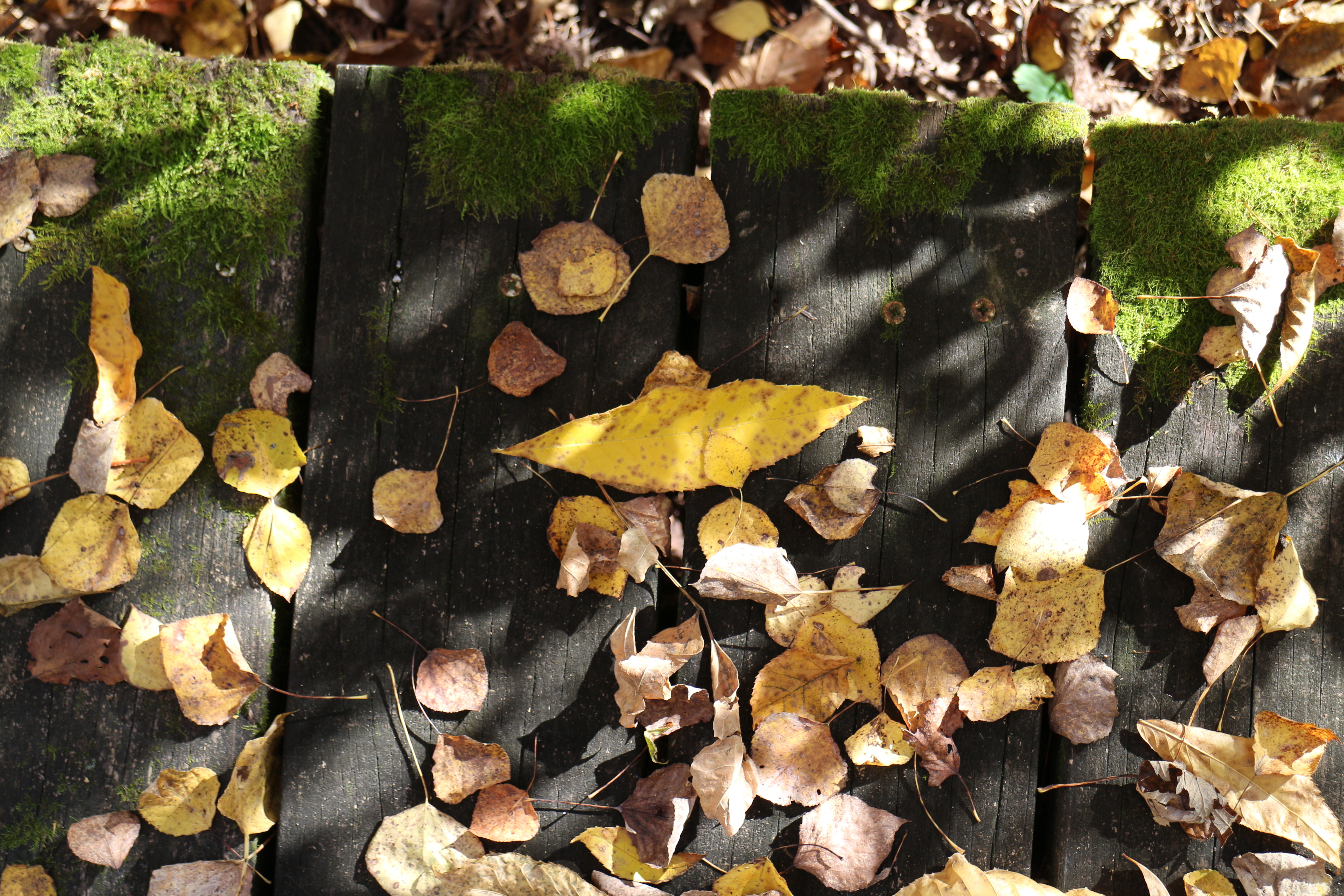
Aspen leaves and moss decorate a walkway at our cabin.

Quaking aspen leaves (Populus tremuloides) and moss decorate a walkway at our cabin.

The heart-shaped leaves of the carrion flower (Smilax herbacea) add light and color to the October woods.

The heart-shaped leaves of the carrion flower vine (Smilax herbacea) add light and color to the October woods.

 

Quaking Aspen Buds

The season's first tiny catkin buds open on quaking aspens (Populus tremuloides).

The season’s first tiny catkin buds open on quaking aspens (Populus tremuloides).

Shiny, brown buds began to open on a neighbor’s quaking aspen trees today!  Each open bud held what looked like a tiny, soft, gray cat’s paw, similar to a pussy willow bud.  Aspens are members of the willow family, so it’s no coincidence that they bear soft, fuzzy catkins.  The buds will develop into long catkins, which are the aspen’s flowers. They are wind-pollinated and the male catkins will release large amounts of yellow pollen into the air later in the spring.  (According to pollen.com, poplars and junipers already are releasing low levels of pollen in the Twin Cities.)  The seeds will develop and be dispersed with tufts of soft, white “cotton” before the leaves open.

Northern Christmas Greetings

In the cold darkness of the northern winter, solstice arrived and soon the days will grow noticeably longer.  May you know the beauty,

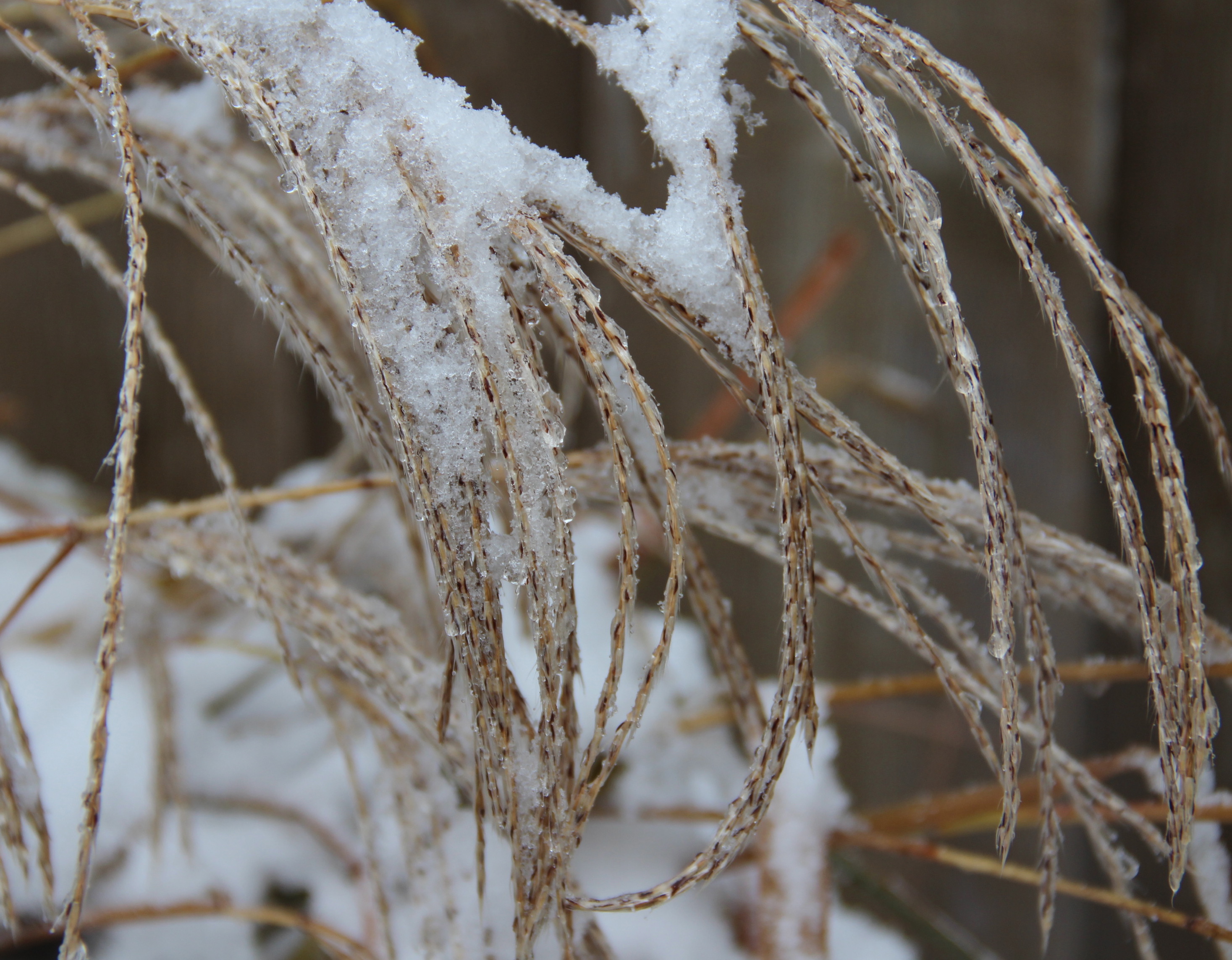
Miscanthus sinensis 'Purpurascens'

Miscanthus sinensis ‘Purpurascens’ seed heads glisten with ice, Saint Paul, Minnesota.

the quiet peace,

Red pines in the St. John's Arboretum, Collegeville, Minnesota.

Early morning among the red pines, St. John’s Arboretum, Collegeville, Minnesota.

and the joy in this season of Light.

Evening sky and Black Hiils spruce, St. Paul, Minnesota.

Evening sky and Black Hills spruce, Saint Paul, Minnesota.

November Maples

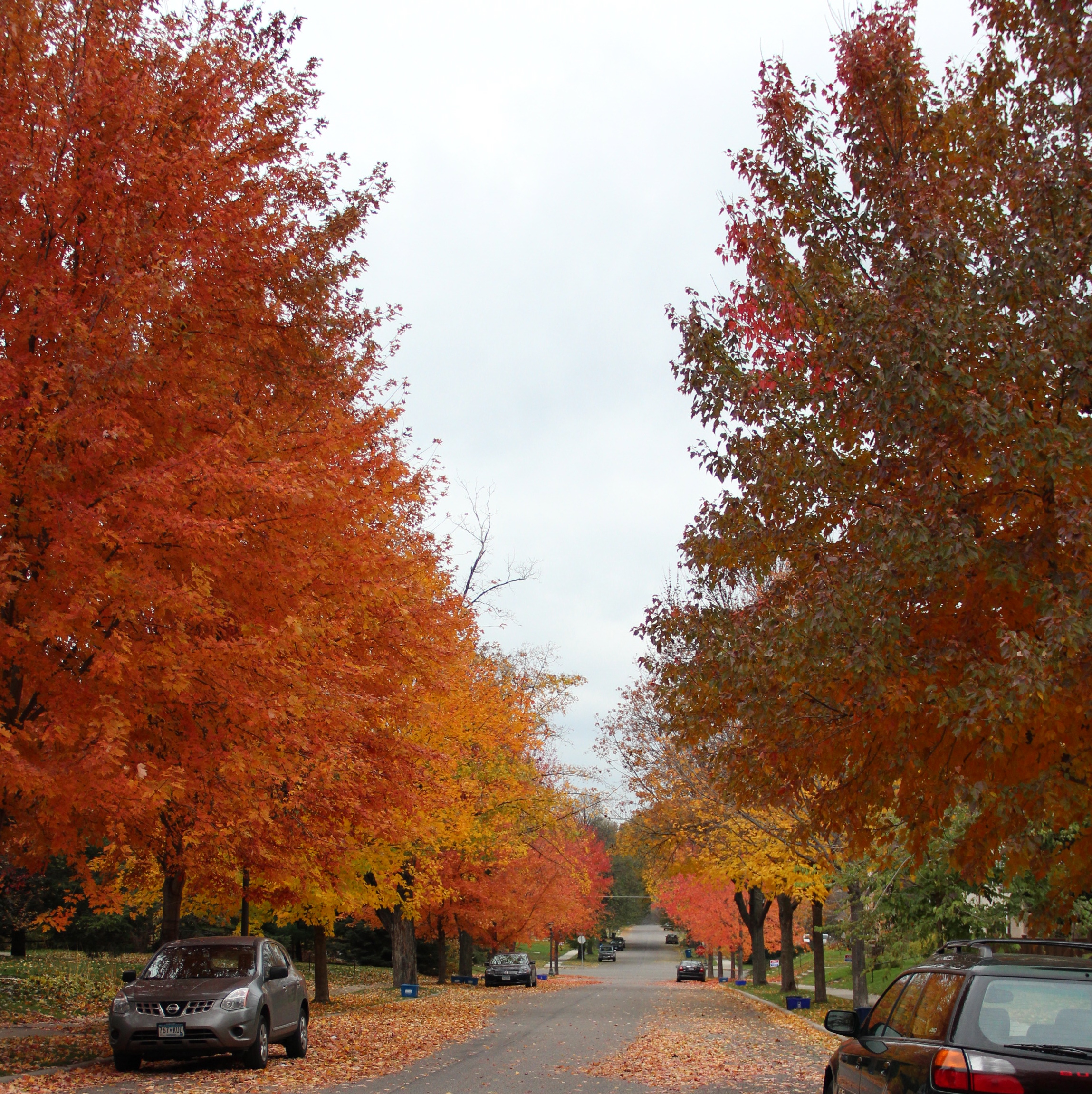
Ash trees are bare and golden birch leaves are falling rapidly.  Maple trees — red, silver and black species — smolder in shades of red, orange, gold and yellow on Saint Paul’s boulevards.  A mild, sunny day with strong, gusty southwest winds pulled many leaves from the trees, piling them in corners, catching them in bushes and long grass, and decorating all things still green with the fire of autumn.

Several species of maple show their colors on our St. Paul, MN, avenue.

Several species of maple display their colors on our St. Paul, MN, street.

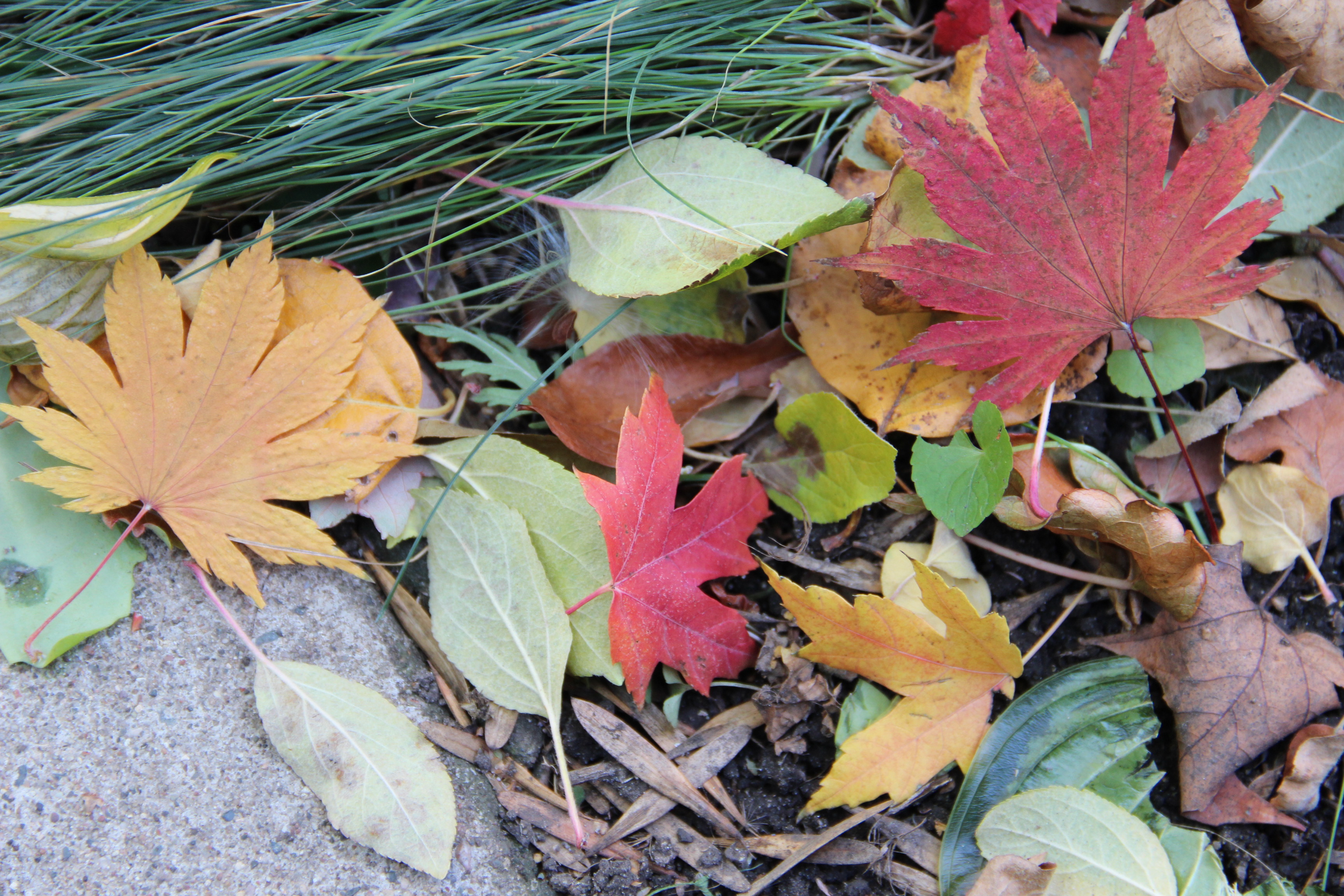
A southwest wind blew together a small pile of maple and apple leaves with ash keys nestled next to blue fescue 'Elijah blue'.

A southwest wind blew together a small pile of maple leaves, apple leaves and ash keys nestled next to blue fescue ‘Elijah blue’.

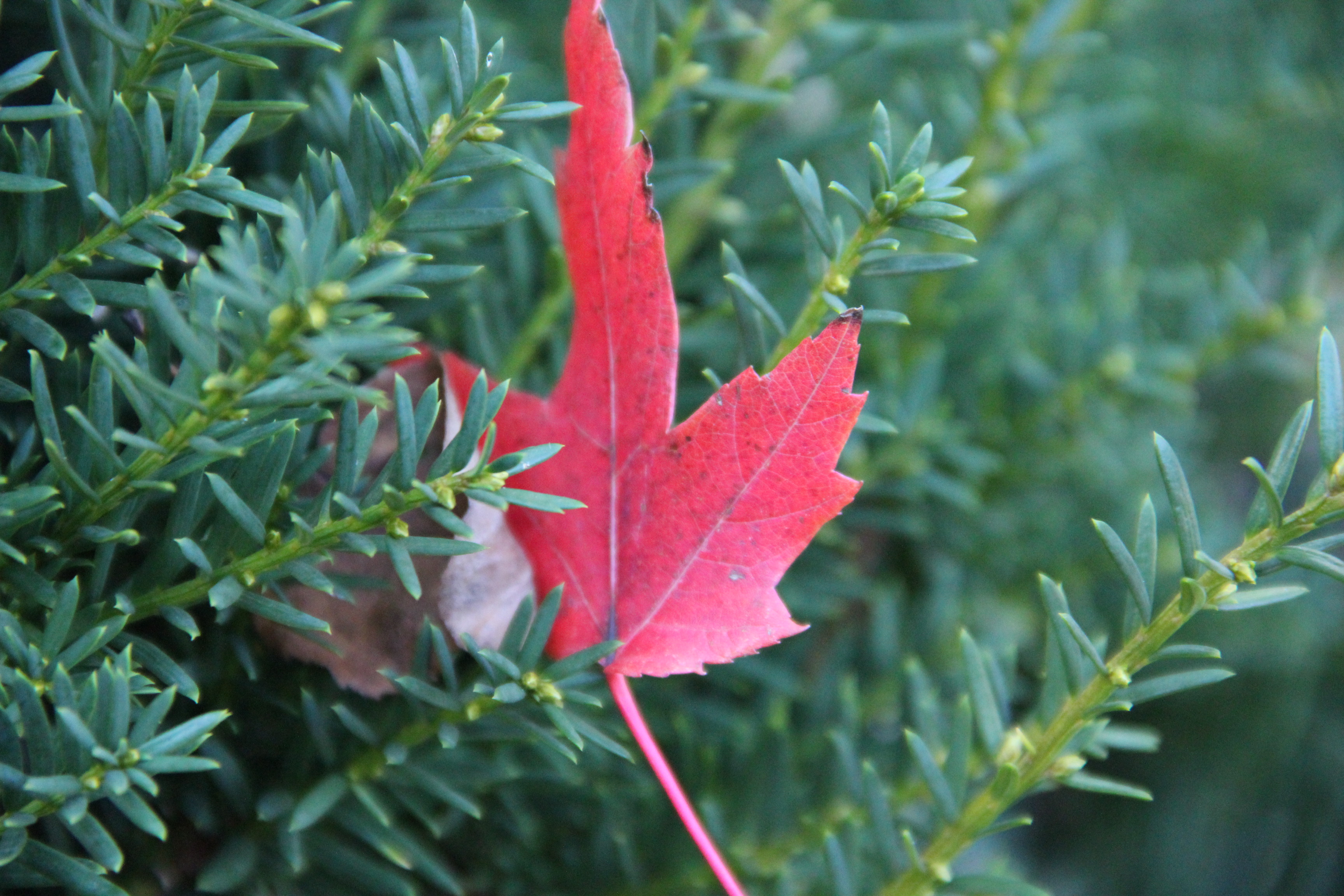
A maple leaf, 'autumn blaze', glows against the dark green of a yew where it was trapped by the wind.

An ‘autumn blaze’ maple leaf glows against a deep green yew where the wind trapped it.

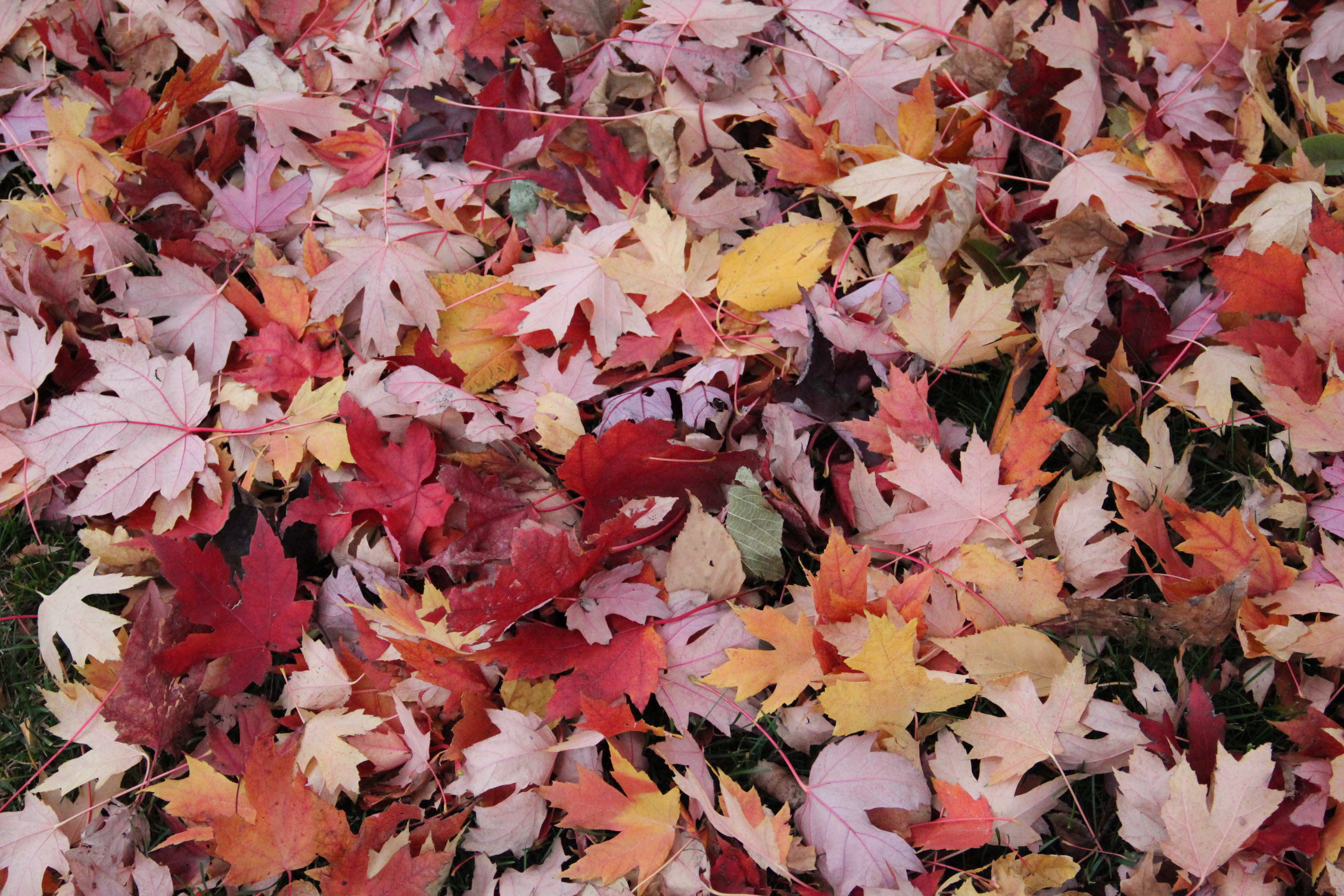
A bright patchwork sewn of maple leaves decorates our front lawn.

A bright patchwork of maple leaves decorates our front lawn.

Autumn Leaves Part II

Aspen, hazelnut, oak — both red and white — add their glow to the autumn hardwood forest.    Carotenoid pigments, which color pumpkins, yellow squash and corn, produce yellow, gold and orange leaf coloration.  Anthocyanins produce red and purple colors in raspberries, grapes, cherries and some autumn leaves.  The brown coloration found in some species of oak is produced by tannins, which also color tea, some kinds of wine, and some nuts, such as walnuts, pecans and acorns.   On a recent day-trip to our cabin, I photographed changing leaves in the woods along the Snake River in east central Minnesota.  Each tree has a unique beauty in the shape and color of its autumn leaves.

Northern red oak (Quercus rubra) is a member of the Beech family.

Northern red oak (Quercus rubra) is a member of the Beech tree family.

Bur Oak or Mossycup Oak (Quercus macrocarpa) leaves turn yellow or brown in autumn.

Bur or Mossycup Oak leaves (Quercus macrocarpa) turn yellow or brown in autumn.

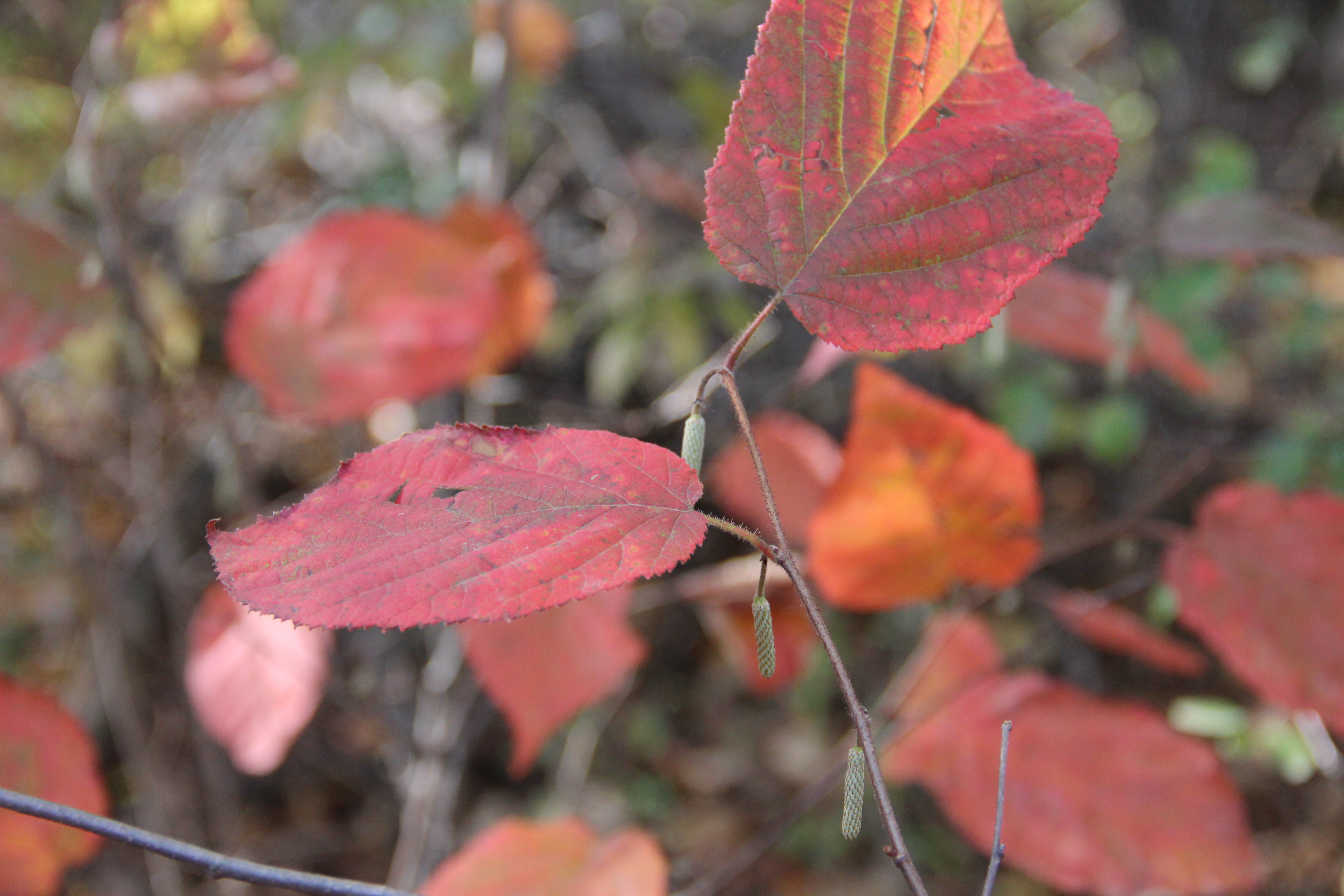
Amaerican hazelnut (Corylus americana) bushes grow in thickets along the riverbank.

American hazelnut (Corylus americana) bushes grow in thickets along the riverbank and produce rose-colored autumn leaves.

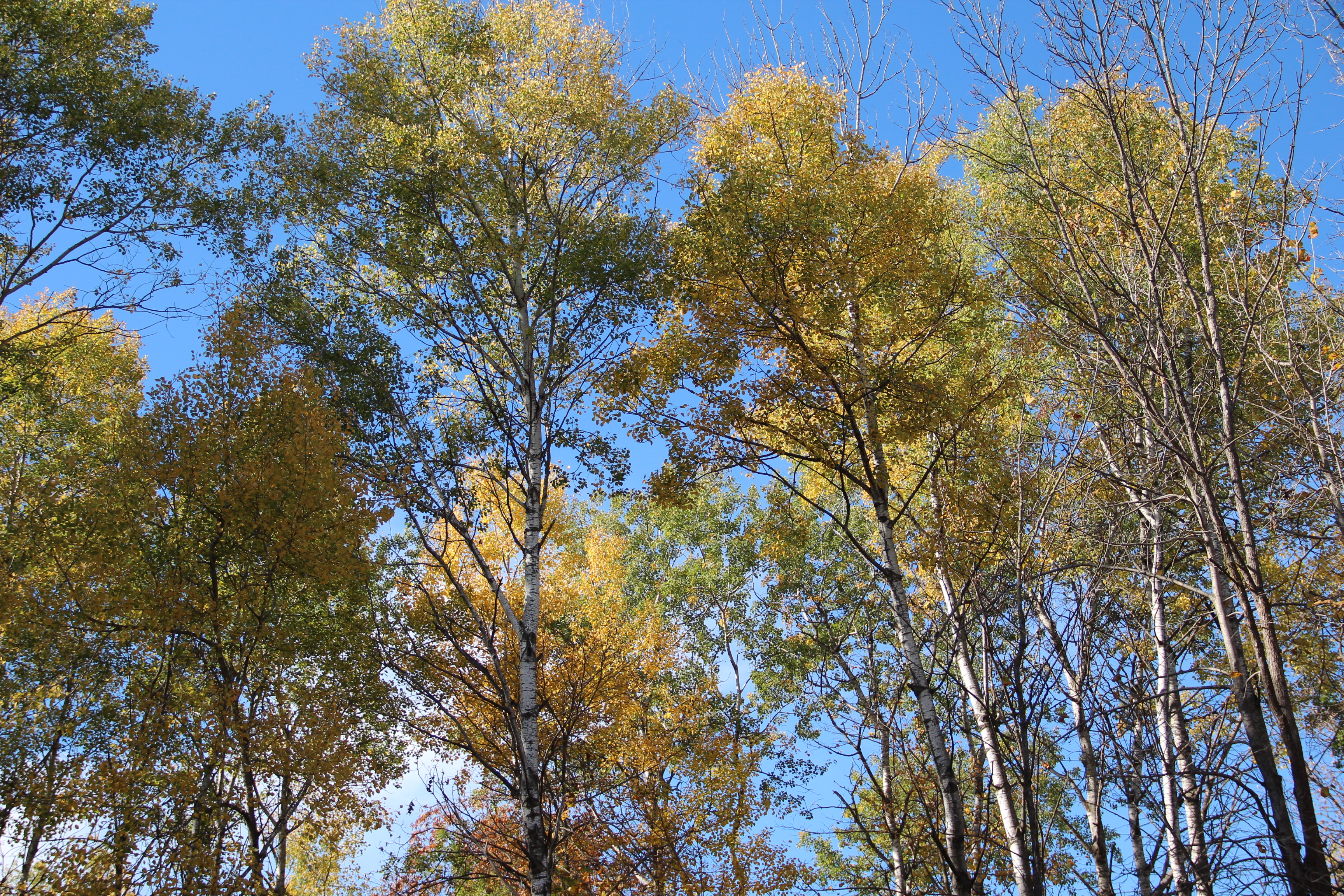
A grove of quaking aspens (Populus tremuloides) grows west of our cabin.

A grove of quaking aspens (Populus tremuloides) soars skyward.

Aspen leaves tremblein the most gentle breeze and create a soothing rustle.

Quaking aspen leaves tremble in the most gentle breeze and create a soft, soothing, rain-like sound.

Autumn Photos and Phenology

Seasonal changes happen quickly in Minnesota during October and it’s interesting to watch the progression into autumn. For example, swamp milkweed seed pods break open, male goldfinch feathers transform from bright yellow to olive green, chipmunks and other rodents stash nuts and seeds for the winter, and bees and most other insects have either died or are hibernating until spring.

Naturalists use the term phenology to refer to these changes.  Phenology is the study of the changes that occur in plants and animals from year to year — such as flowering, ripening of fruit and nuts, emergence or disappearance of insects, and migration of birds — especially the timing and relationship of these events with weather and climate.  It also can include other observations, such as the occurrence of the first frost, the date on which a body of water freezes, and when specific constellations are visible in the sky.  Here are a few examples of current autumn phenology that I photographed along the Snake River in Pine County, MN:

 Northern red oak leaves begin to change color.

Northern red oak (Quercus rubra) leaves begin to change color.

Wild rose hips ripen to cherry red.

Wild rose hips (Rosa acicularis) ripen to cherry red.

Swamp milkweed (Esclepias incarnata) seeds pods release their silky seeds.

Swamp milkweed (Esclepias incarnata) pods release their silky seeds.

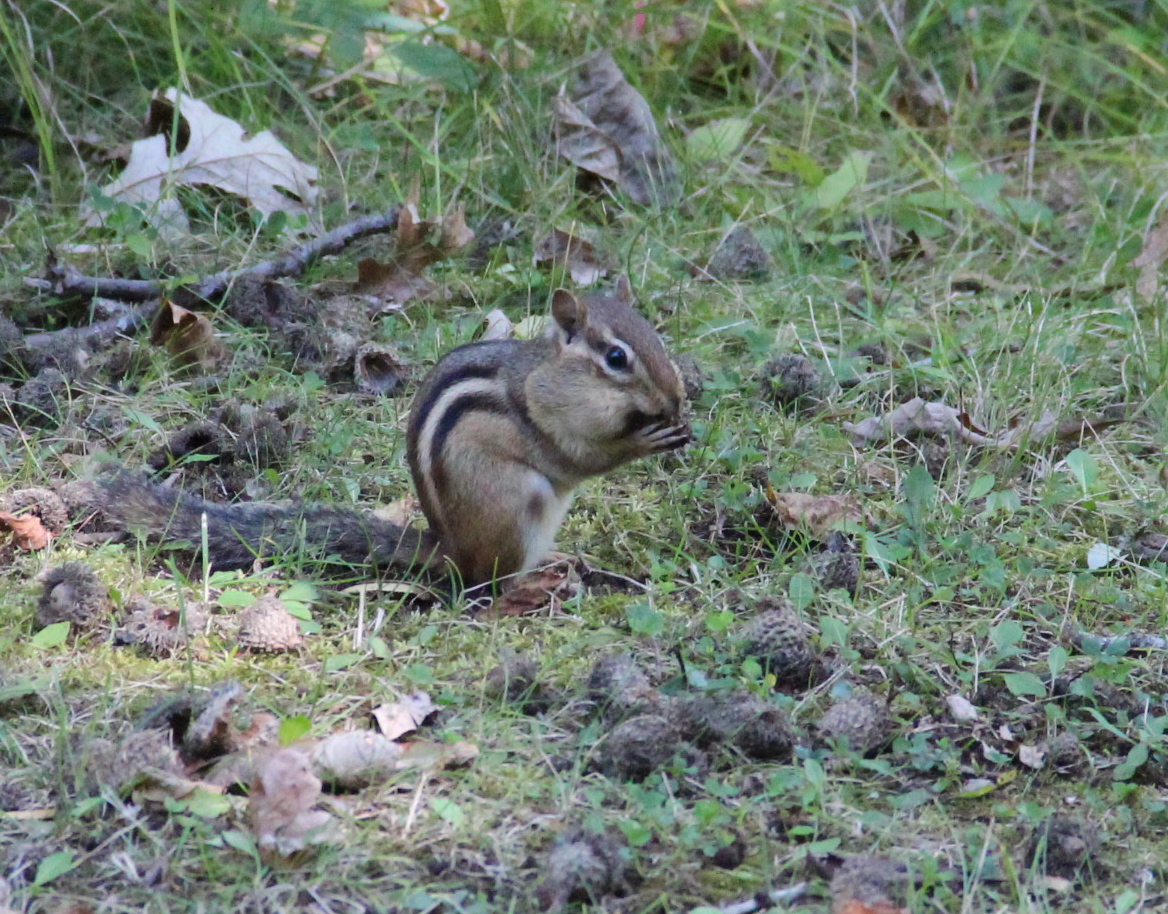
An eastern chipmunk collects acorns, hickory and hazelnuts in its pouches to store in its den for the winter.

An eastern chipmunk stuffs bur oak acorns into its pouches to store in its den.

Puffball mushrooms are common in autumn.

Puffball mushrooms appear in autumn.

Everyone who observes nature and records their observations contributes to the science of phenology.  If you’re interested in contributing your own observations, there are several organizations online, including:  “Nature’s Notebook” at the USA Phenology Network, the University of Minnesota’s Minnesota Phenology Network  and the National Science Foundation’s “Project Budburst”.

Autumn Leaves

When leaves change color in autumn, people often say that the trees are “putting on their fall colors”.  In fact, many of the yellow and orange colors are already present in the leaves during the summer and are masked by chlorophyll, a green pigment. (The red and purple colors are primarily made in late summer as sugars are trapped in the leaves.)  Scientists haven’t yet identified all of the factors that influence the color change in leaves, but the primary factor is the decreasing amount of daylight in the fall.  As the days shorten, the veins that bring water and nutrients to leaves for chlorophyll production slowly close off.  Without nutrients, the chlorophyll dies and the leaves’ other colors are unmasked.

Lemony ash leaves (Fraxinus pennsylvanica) fall and mingle with Canada cherry leaves (Prunus virginiana).

Lemon-colored ash leaves (Fraxinus pennsylvanica) fall among Canadian red cherry tree branches (Prunus virginiana).

Green ash leaves have changed to bright lemony-yellow and are pulled from the tree by wind and rain.  They are the first trees in our St. Paul neighborhood to change color, along with white ash.  Black walnut, hackberry and a few sugar maples also have begun to change, with just a hint of muted color showing in red maples.  (More about autumn leaves in future posts.)

 Green ash (Fraxinus pennsylvanica) is one of the first trees to change color and drop its leaves.

Green ash (Fraxinus pennsylvanica) is one of the first trees to change color and drop its leaves.

To learn more about why leaves change color in the fall, visit the USDA Forest Service, or the Morton Arboretum websites.