Autumn’s Bountiful Berries

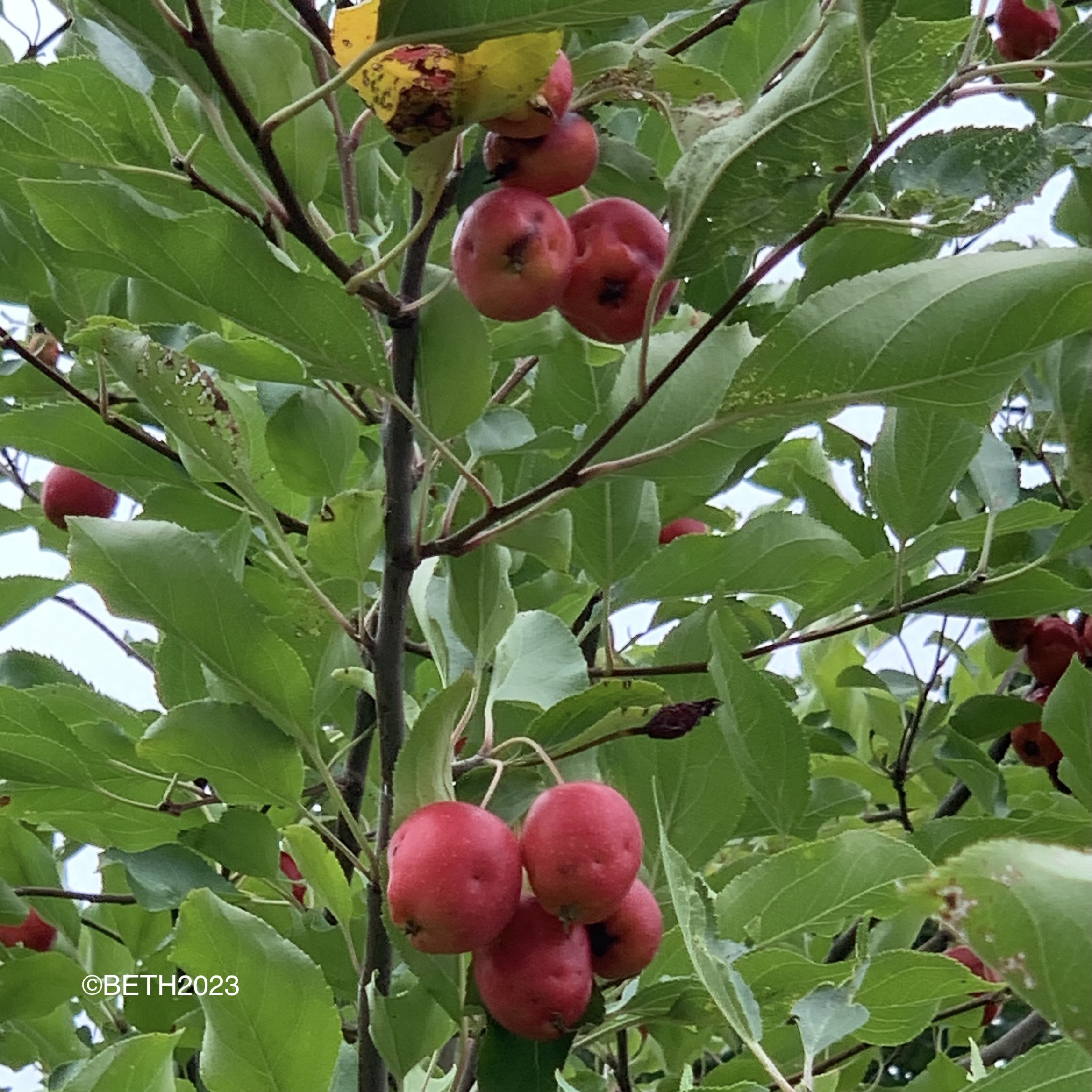
Last May, blossoms delicate in form and scent ornamented woodlands and trails. Their luminous beauty lured early bees and butterflies to pollinate them. All summer the tiny ovaries slowly swelled. Fragile blossoms morphed into bright green beads, whose soft curves plumped and ripened to globes of rose, fiery red, purple, frosty blue and pearly white. Sun, heat, rain and pollinators concocted a gift lovely to look at and brimming with energy — a feast for birds and mammals throughout autumn and winter. Here’s a small sampling of nature’s autumn gifts:

Migrating songbirds, as well as turkeys and grouse, favor the white berry-like drupes of gray dogwood (Cornus racemosa).

Wild plum trees (Prunus americana) provide food for mammals, such as deer, raccoons and foxes. Songbirds, turkeys and other birds will also eat them.

Pale dogwood berries (Cornus obliqua) are high in fat content and are eaten by songbirds and mammals, such as chipmunks, white-footed mice and squirrels.

Highbush cranberry (Viburnum opulus spp.) is not a true cranberry. According to the USDA’s plant guide, the fruit often isn’t eaten until late winter. Repeated thawing and freezing makes it more palatable.

Though carrion flowers (Smilax sp.) smell rotten, their berries do not, and are winter food for songbirds and a few mammals, such as Virginia opossum and raccoons.

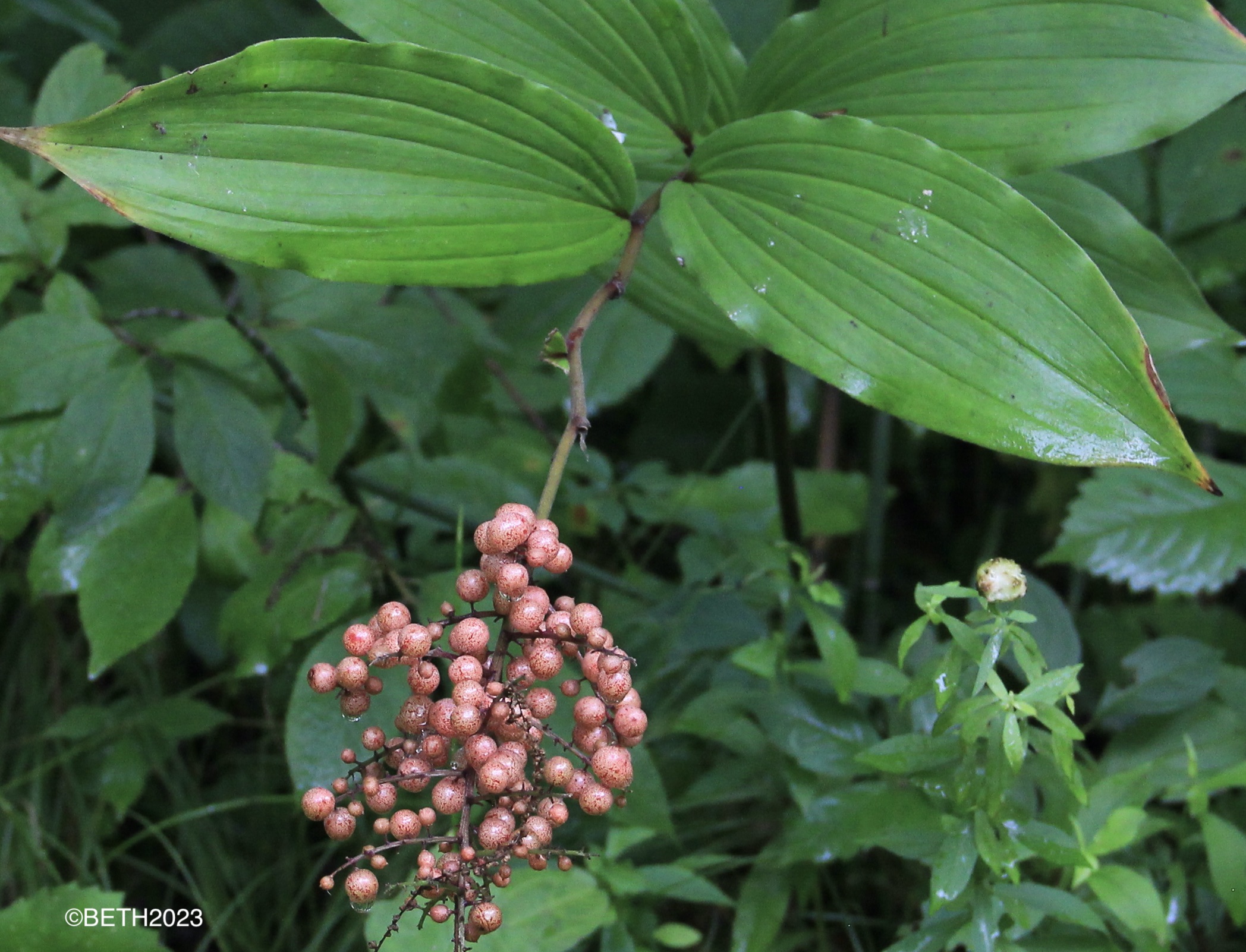
False Solomon’s seal (Maianthemum racemosa) fruit are often pink with red spots, but also can be solid red. They are eaten by woodland birds, such as the veery, and by white-footed mice.

Sources:

Eloise Butler Wildflower Garden Common Name Plant List

Illinois Wildflowers

Minnesota Wildflowers

Wild Roses

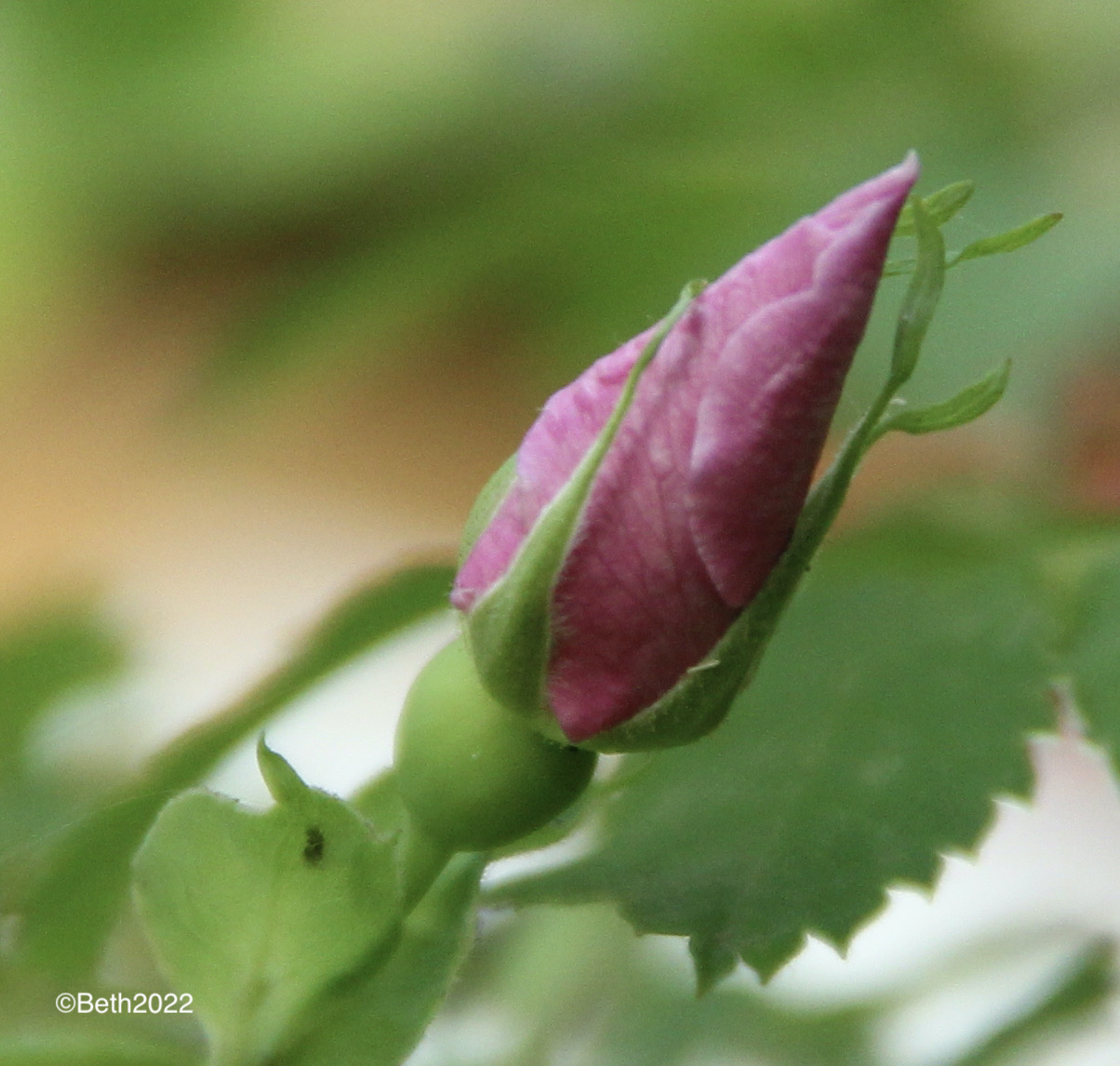
Wild rose buds (Rosa blanda) usually open in June in Minnesota.

Wild roses bloom across the oak savanna in early June. Their petals blush the delicate color of a northern spring sunrise. To my mind they are classic blooms: simple petals, sun-gold centers, and a delicate aroma. They dot woodland edges, roadsides and trail borders. Like the majority of springtime wildflowers, they vanish quickly. However, they are soon succeeded by a riot of red rose hips — fruit that will decorate the plants until next spring, or until eaten by wintering birds and mammals. Besides providing rose hips later in the season, the blooms are attractive to many types of bees, butterflies, tiny wasps and other native insects that seek nectar and pollen in the small, plentiful blossoms.

Metallic green bees (Agapostemon) are among the many native pollinators that visit wild roses.

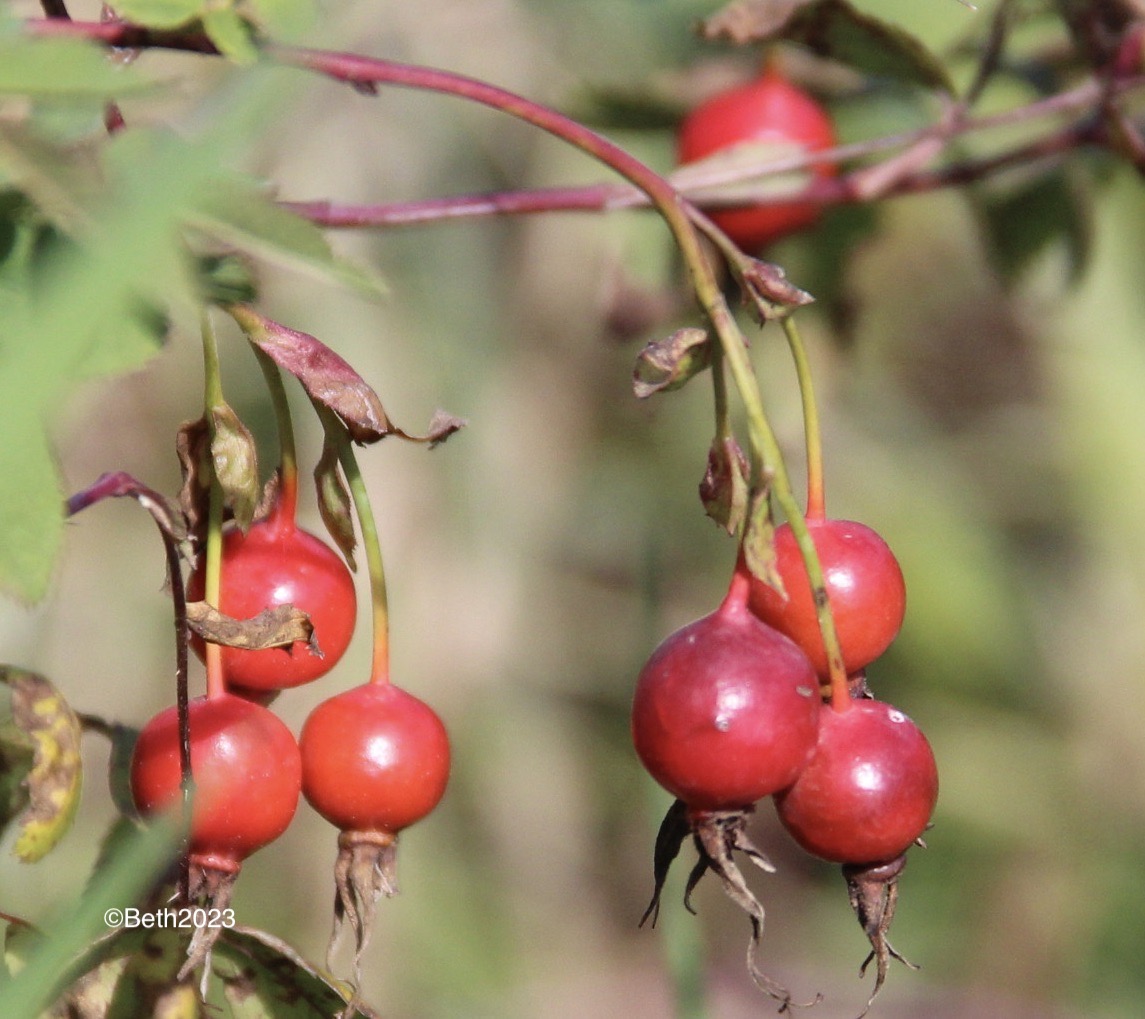
Bright red rose hips decorate each plant until the following spring, or until eaten by wildlife, such as birds, squirrels, rabbits and bears. Each hip contains several seeds.

Only This Moment

White-tailed doe (Odocoileus virginianus)

The eyes of a white-tailed deer are liquid and deep. Walking at a nature preserve, I sense and then spot a doe’s motionless face gazing at me from a dry creek bed. We stand alert and silent. Though I don’t see them, a young fawn or two are probably hidden nearby waiting for their mother’s signal to move. Birdsong, the wind and children’s voices in the distance fade away behind the curtain of green foliage. There is only this place and moment.

Skimmer Dragonflies

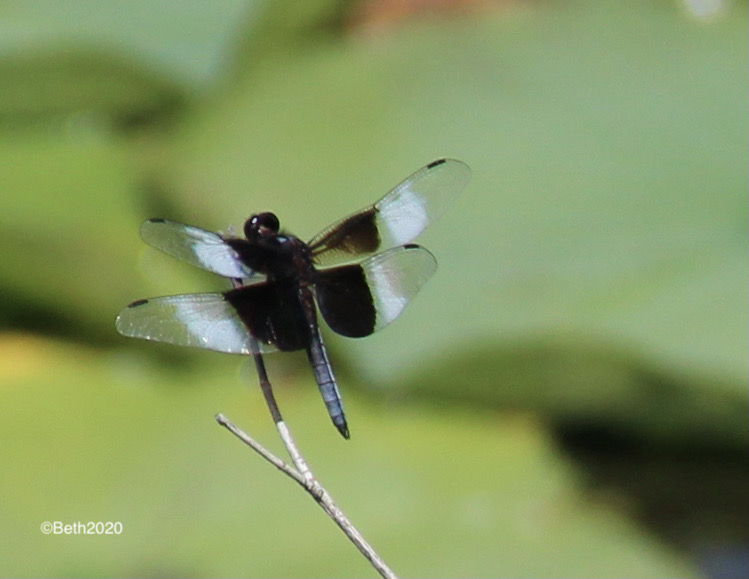
Male widow skimmers (Libellula luctuosa) are dark brown with a bluish frost called pruinose.

What do you think of when you hear the term skimmer? A shore bird, a kitchen utensil, or perhaps a type of shoe? Skimmer also refers to the earth’s largest family of dragonflies, Libellulidae

Skimmers might be the image that many envision when they “think dragonfly.” Skimmers’ wings are large and patterned with spots — usually black and a powdery grayish-white. Like all dragonflies, skimmers hold their wings spread out horizontally from the body when resting. The head is large with eyes that contact each other on top. Two inches is a common body length, but it can vary between one and three inches. Adult skimmers dine on many soft-bodied insects, especially mosquitoes, flies, small moths and winged ants. Nymphs, or immature dragonflies, develop underwater where they eat mosquito larvae, fly larvae and other aquatic organisms. Skimmers are preyed upon by raccoons, skunks, shrews, bats, turtles, snakes, frogs, fish, spiders, larger insects such as praying mantids, and many bird species.

A female twelve-spotted skimmer (Libellula pulchella) perches on a dead forb in an urban oak savanna.

The twelve-spotted skimmer (Libellula pulchella) and the widow skimmer (Libellula luctuosa) are two common skimmers of Minnesota. Though similar in appearance and size (about two inches long), the difference is in their wing spots. Male twelve-spots carry 12 black patches and eight white spots between the black ones. Male widow skimmers show a dark black wing patch from the wing’s base to about midwing. One large white spot extends outward from the black patch. Female and young juvenile males of both species only exhibit black patches. Males and females of both species are coppery brown, but adult males develop a whitish-blue dusty or frosted appearance, called pruinose, on the abdomen. Both species sport bright, neatly etched side stripes — yellow in twelve-spots and orangish in widow skimmers. In addition, the thoraxes of mature twelve-spotted skimmers display two yellow stripes. 

Why the name widow skimmer? One explanation is that most male dragonflies carefully guard their mates during egg-laying, but widow skimmer females deposit their eggs unguarded, and thus became commonly known as widows. Another is that the black wing patches were thought to be reminiscent of a widow’s shawl.

A female widow skimmer’s wings show the black pattern reminiscent of a widow’s shawl.

Both skimmer species may be found near ponds, lakes and marshes, but they also venture away from water into fields and meadows. I observed two twelve-spotted skimmers in a small area of oak savanna in Saint Paul, about three city blocks away from a pond. One perched on a dead tree limb, the other atop a dried up forb, wings spread horizontally and glistening in the sun. 

Though not the most eye-catching of dragonflies, I like them; they’re easy to observe because they often forage in open areas away from water and remain close to their conspicuous perches. Both species share a similar geographic area. Twelve-spots range throughout most of southern Canada, the continental United States and northern Mexico. Widow skimmers occur in southern Manitoba, Ontario, Quebec and Nova Scotia, across the United States, except for the Rocky Mountain region, and in a portion of northern Mexico. Both skimmer species are on the wing during the summer months and the twelve-spotted skimmer is active through September.

Further Reading

Minnesota Dragonfly: Twelve-spotted Skimmer

Minnesota Dragonfly: Widow Skimmer

Early Spring Native Flowers: Bloodroot

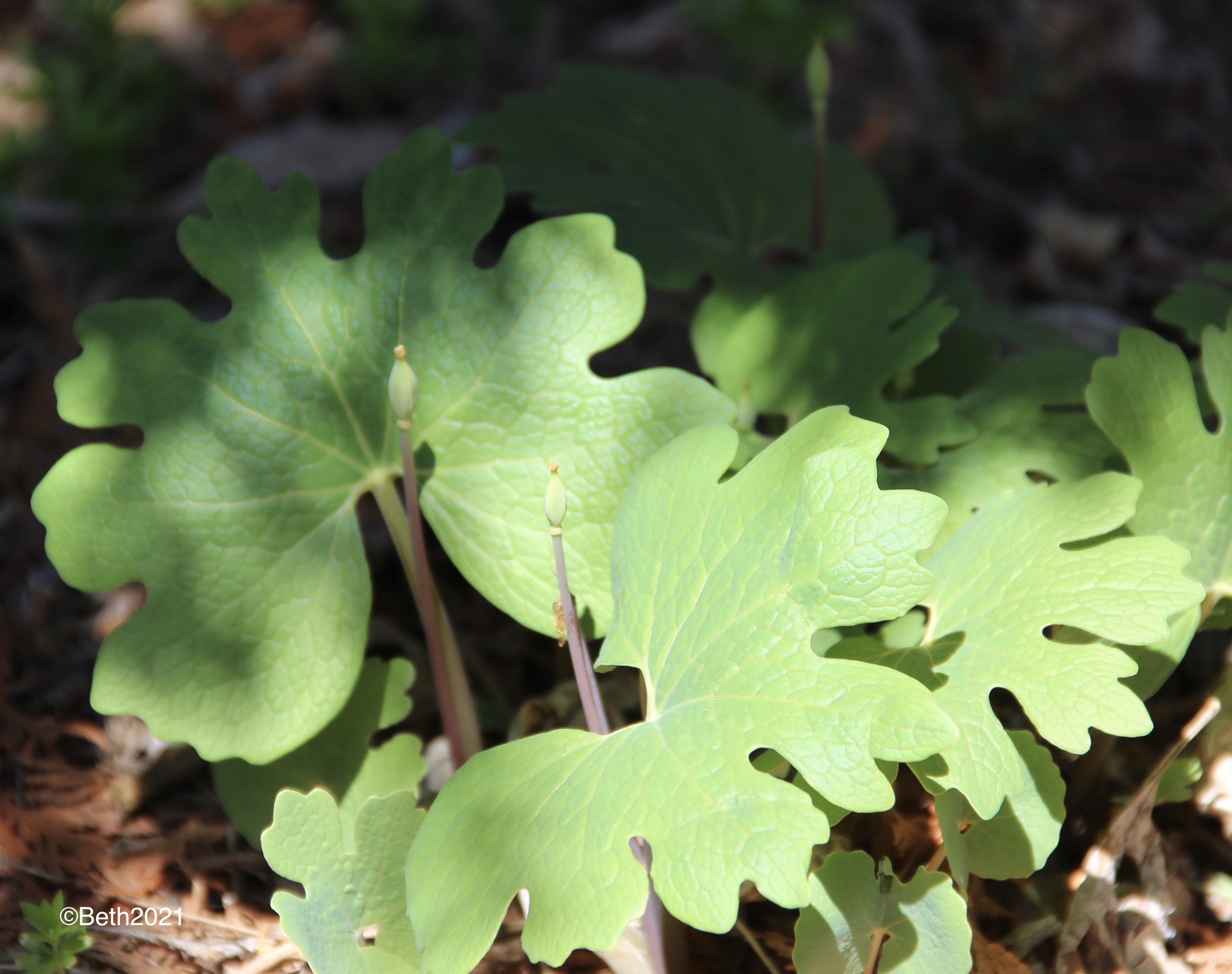
One of Minnesota’s earliest native wildflowers is bloodroot, (Sanguinea canadensis). Given its name, you might expect a scarlet or crimson flower. In fact, it blooms ice-white with a sun-gold center, though some emerge light pink. They look out of place, so stark and fresh among the remains of last year’s woodland growth and garden detritus. Its name refers to the toxic red-orange sap in the rhizome or root.

Each bloom emerges wrapped in a single curling leaf like a little blanket. The leaf remains curled until the blossom withers and then unfurls into a rounded leaf with a varying number of lobes. The leaves range in color from light green to blue-green depending on the plant’s age and condition. In its natural setting, bloodroot often grows along woodland edges, which provide sun in early spring and shade when the trees leaf out. In my garden, it grows along the edge of an arbor vitae hedge and under an ash tree. With shade and regular watering, bloodroot creates a pretty ground cover that lasts all summer under deciduous trees. If they aren’t watered during summer’s hot, dry spells, bloodroot leaves just go dormant until the following spring.

Native bees, honey bees and beetles pollinate bloodroot, which also can self-pollinate. Fertilized flowers form elongated capsules that enclose spherical seeds colored black, red, or brown. Here’s what’s special about bloodroot seeds: Each produces an elaiosome, an attachment containing lipids, amino acids and other nutrients. Attracted to these nutrients, ants carry the seeds back to their nests and feed the elaiosomes to their larvae. The ants either discard the remaining seed in a separate chamber of their nest, or toss it back out onto the ground. Either way, this process, called myrmecochory, helps ensure that the bloodroot seeds are dispersed for germination. Other spring wildflowers, such as violets, trilliums, hepaticas and Canada wild ginger, also form this mutual relationship with ants.

A member of the poppy family, bloodroot is native to much of eastern North America from Nova Scotia south to Florida, west to Manitoba and south to Texas. Native Americans used the plant’s red sap to make paint and to dye clothing, leather and other items. It blooms from March to May in Minnesota woodlands and was one of the first native wildflowers that I identified in the woods at our cabin years ago. The plants in most of these photos grow in our backyard. They hold special meaning for me because they were a gift from my aunt, who grew them under her trees for decades. They remind me of how she nurtured my love for nature when I was young.

Further reading:

Ants as Seed Dispersers

Friends of the Wildflower Garden – Bloodroot

Minnesota Board of Water and Soil Resources – Bloodroot

Wisconsin Horticulture – Bloodroot

Ebony Jewelwing

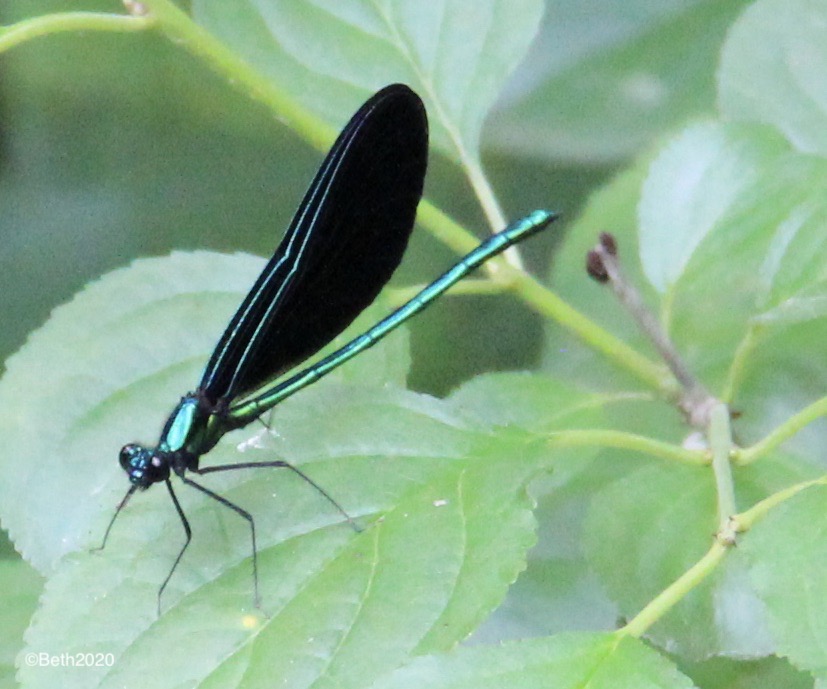
What do you associate with the words “winged beauties”? Many would answer birds and butterflies — and I’d add damselflies and dragonflies, too. On a sunny, warm morning, a pair of inky black wings flutter near the Snake River. At first I think it’s a butterfly, but a closer look reveals the electric-blue-green body of a male ebony jewelwing damselfly; he flashes cool and iridescent in the morning sun.

Inky black wings and a blue-green abdomen identify this male ebony jewelwing (Calopteryx maculata).

A member of the broad-winged damselflies, ebony jewelwings fly more like a butterfly than like their dragonfly relatives. Their wings are 1-to-1½ inches long and their body length is up to 2¼ inches. The male’s colorful abdomen — green, teal, blue, even a hint of purple — shimmers in the sunlight. A female ebony jewelwing is similar in appearance, but not as showy as a male. Her body is brown with little bits of blue or green. Her wings are more transparent black and display a distinct white spot near each tip. (See a female at Wisconsin Odonata Survey.)

In the eastern United States and southeastern Canada, look for ebony jewelwings perched along shady banks of shallow streams and slow-moving rivers from late May until September. Adults live for about 20 days. A mating pair will often fly attached in the heart-shaped “wheel formation” and remain connected for several hours. Females deposit eggs inside of submerged water plant stems in quiet sections of streams or rivers. The larvae or naiads live in the water for about a year and eat other aquatic larvae, such as mosquitos and mayflies. Adults eat most soft-bodied insects, for example small moths, mosquitos, mayflies, gnats, flying ants and termites.

The Snake River in east-central Minnesota provides the habitat needed by ebony jewelwings.

Even though jewelwings are voracious predators, they serve as supper to other creatures — turtles, frogs, fish, bats and birds, such as red-winged blackbirds, blue jays, flycatchers, purple martins and kingfishers.

How does one distinguish between a damselfly and a dragonfly? A few simple differences make it easy to tell them apart. Generally, damsels hold their wings folded vertically above their body, while dragons spread them horizontally when resting. Damselfly abdomens are more slender than the stout dragonflies’. Damselfly eyes are set far apart on the sides of the head, but dragonfly eyes wrap around and touch on top of the head.

A green darner dragonfly (Anax junius) exhibits the horizontal wings, stout body and wrap-around eyes characteristic of dragonflies.

Vertically folded wings, a slender body and eyes set far apart on each side of the head are characteristic of the ebony jewelwing and other damselflies.

Damselflies and dragonflies belong to the order Odonata, which means “toothed ones.” Many come in beautiful, iridescent color combinations. Fossil records indicate that Protodonata, the ancient ancestors of both dragons and damsels, arose about 325 million years ago. The first Odonata fossils are dated at a little older than 250 million years, which means they’ve inhabited Earth’s skies since before dinosaurs existed. I love to watch and think about these ancient, graceful creatures that add so much beauty to our woods and gardens.


Violets Aren’t Always Violet!

As a youngster, I thought violets should be just one color: the shade of Crayola violet in my crayon box. In fact, violet flowers aren’t always violet! Many are blue, shades of purple, white and even yellow. The native common violet, or wooly blue violet, grows in almost every Minnesota county and in most of the eastern United States and Canada. It’s what many of us picture when we think “violet” (excluding African violets, which are a different plant family altogether).

The common violet or wooly violet (Viola sororia) blooms from April to June in the eastern United States and Canada.

Violets are a sure sign of spring in Minnesota and bloom from April to June. You’ll often find them in woodlands, thickets, gardens, lawns, along roadsides and even growing in sidewalk cracks. Individual species of violets can be tricky to identify and botanists disagree on how to classify them. Many of the backyard and roadside violets are common violets (Viola sororia), which may be blue, purple or white. The downy yellow violet (Viola pubescens) is also common in most Minnesota counties. It differs from many violets in that the flower stem arises from the leaf axil instead of growing separately from the corm.

The white form of the common violet clearly shows the pollinator “honey guides” on the bottom petal.

This violet came from my mom’s garden. I’d never seen violets this shade and loved them.

The downy yellow violet’s (Viola pubescens) stems and undersides of leaves are covered in soft, downy hair.

A typical native violet has heart-shaped or circular leaves with rounded teeth. In most species, the flower stem grows directly from the corm, which is similar to a bulb. Each leafless stem holds a single five-petaled flower. The purple-veined area on the lower petal is a nectar guide for pollinators. Bees see ultraviolet light and scientists think that the enhanced pattern visible to their eyes helps lead them to the nectar. In early May, typical pollinators are mason bees, tiny sweat bees and skipper butterflies. But, because the early spring weather can be cold and pollinators may be inactive, violets produce a second type of flower called a cleistogamous flower that doesn’t open. It self-pollinates and forms a seed capsule that ripens, bursts and ejects small brown seeds away from the plant. These flowers don’t form until after the trees leaf out. Look for them underneath violet plants later in the summer.

The violet plant is an important host for the caterpillars of many species of fritillary butterflies. Just as monarch larvae feed solely on milkweed plants, most fritillary caterpillars feed only on violets. Humans can eat violet blossoms, but not the rest of the plant, which is toxic. The blossoms provide vitamins A and C. In earlier times, they were used to make a simple, sweet jelly that’s also beautiful. To learn how to make violet jelly, and about other ways the flowers were used, visit PBS Wisconsin’s “The Wisconsin Gardener” for a brief, interesting interview.

Many fritillary caterpillars feed only on violets. This adult great-spangled fritillary (Speyeria cybele)  nectars on pink bergamot.

Violets sometimes form patches, especially in a garden or lawn. They are a good ground cover in shady places where grass does’t grow well. If you have too many growing for your liking, they are easy to remove. Just make sure that you pull out the entire root — and please consider leaving a few for early pollinators and for fritillary caterpillars to eat!

Seeking Winter’s Beauty

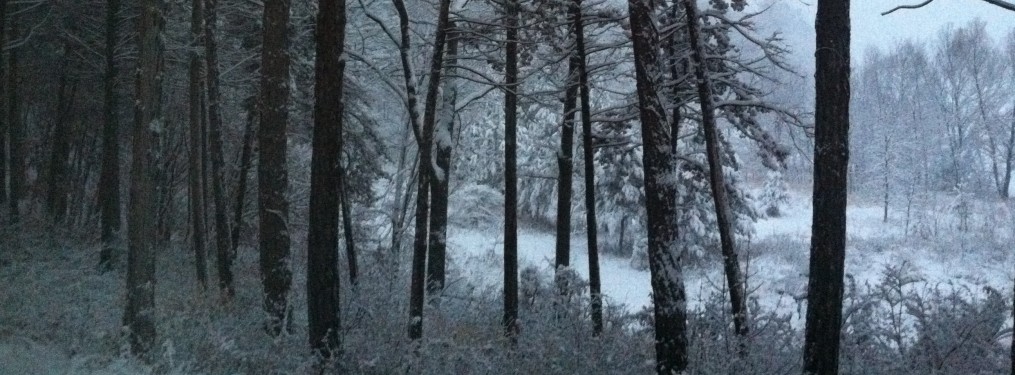
Nature’s beauty is spare and uncomplicated in winter.

In the Upper Midwest, there’s little that isn’t hidden under layers of snow in January. What remains is pared down to basics: bare branches, open seed pods and stripped down stalks. Their lines are clean, sharp, punctuated by frozen fruit and picked-over seed heads.

Prickly seed heads of Black-eyed Susan (Rudbeckia hirta).

Plump apples of the dwarf Tina Sargent crabapple (Malus sargentii ‘Tina’).

January’s color palette is simple: white, black, shades of brown, berry reds and green hues of conifers. Cloudless skies range from deep to powder blue during daylight, softening to a blue tint after sunset, and on moonshine nights, the snow glows with a cold, blue light seen only in midwinter.


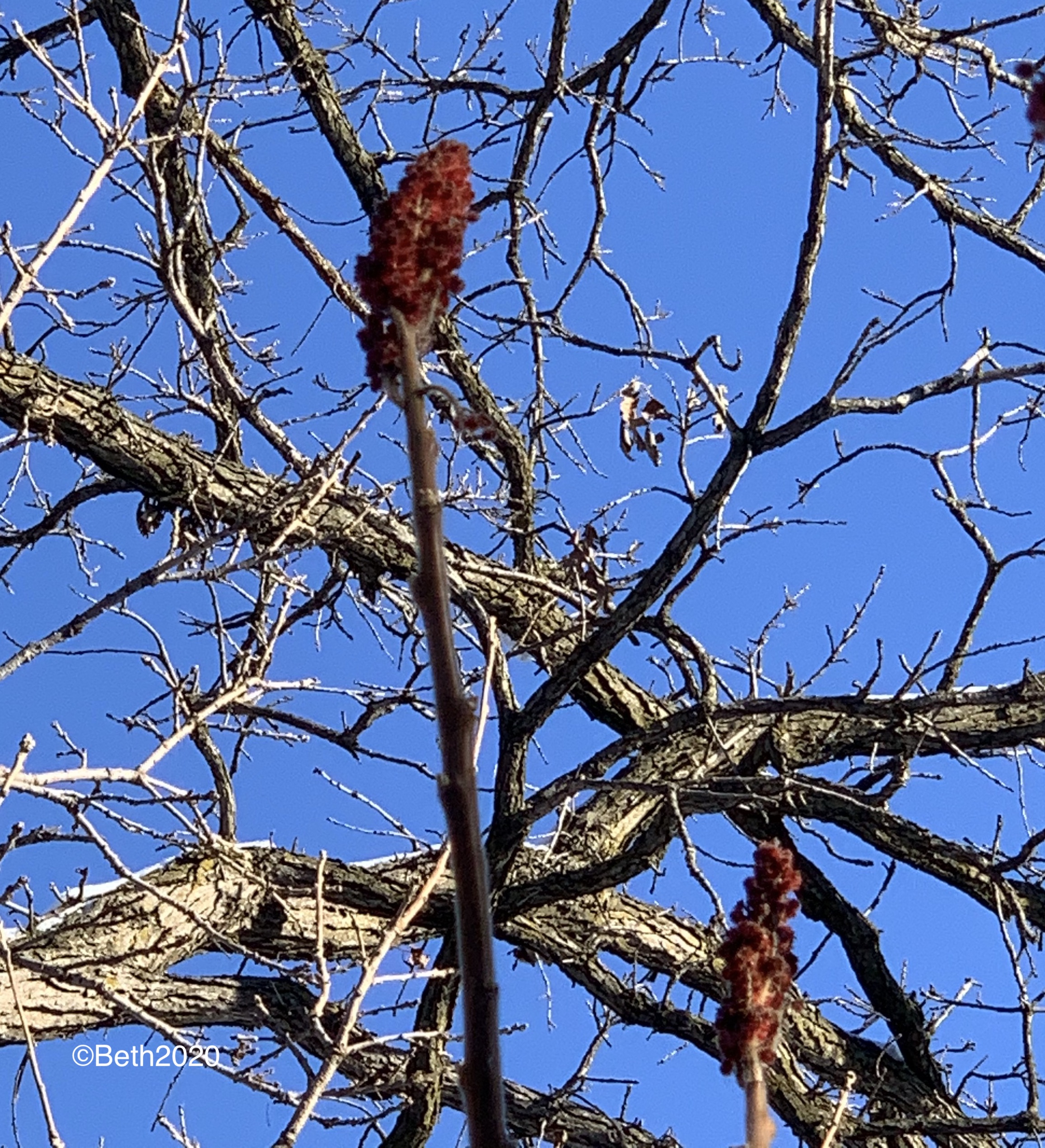
Tart fruit of the nonpoisonous staghorn sumac (Rhus typhina).

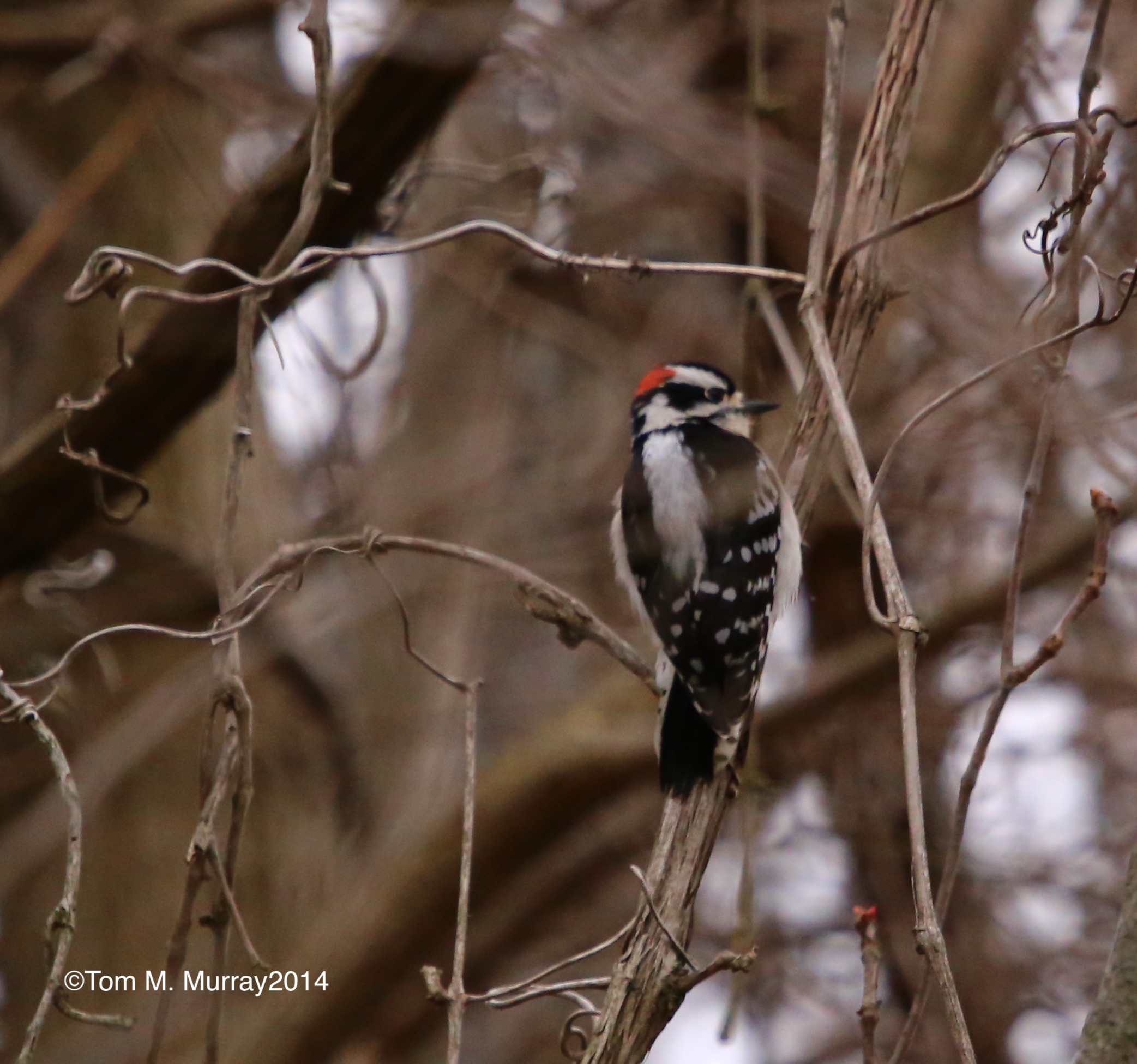
Male downy woodpecker (Dryobates pubescens).

Common milkweed (Asclepias syriaca).

To find winter’s beauty requires ignoring the persistent desire to “just go back inside” to warm up! It is necessary to open one’s senses to the more subtle signs of life: perhaps you’ll hear the call of a black-capped chickadee, the tap-tap of a woodpecker looking for food, or the soft hoots of courting great-horned owls. Maybe you’ll spot the showy red of sumac fruit or plump crabapples. Perhaps you’ll touch the satiny inner lining of a milkweed pod, or the prickly seed head of a black-eyed Susan. If you’re fortunate enough to have native grasses growing nearby, stop for a moment and inhale their sweet, ripe scent — a lingering gift of autumn. Whenever you go outside, try to be open to winter’s spare beauty so very different from its abundance in spring, summer and autumn. Already the days are lengthening and the the sun is warmer. Winter will soon give way to spring.

A quiet place to observe winter’s beauty.

September Hatchlings

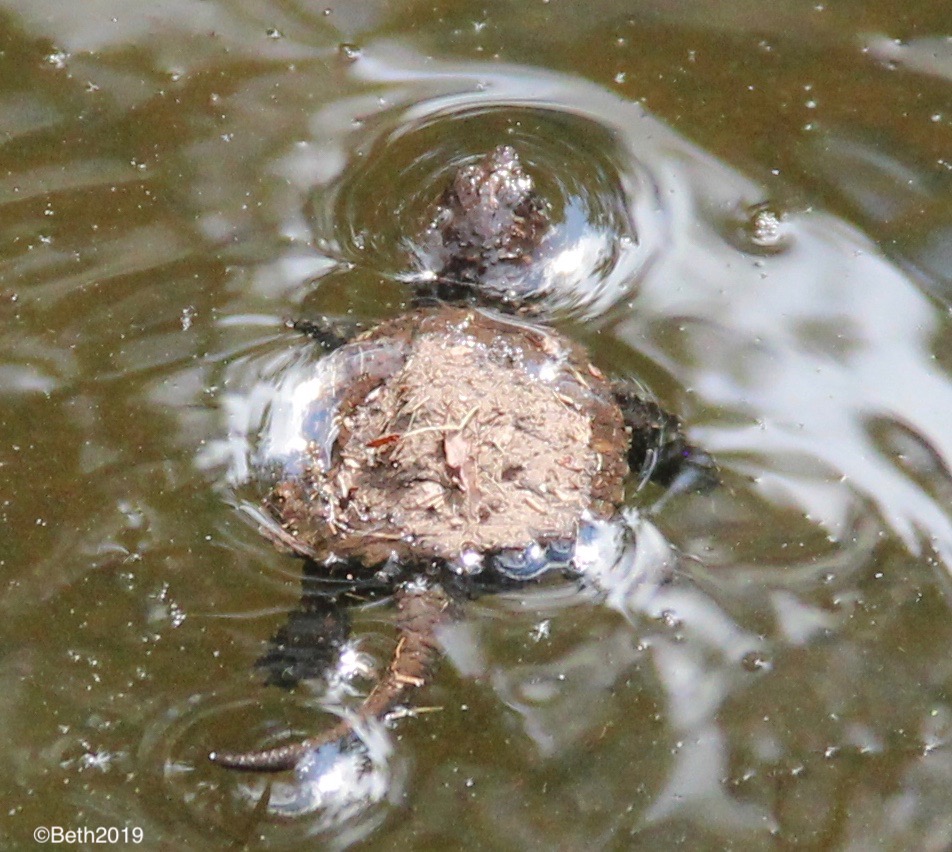
Newly hatched snapping turtles (Chelydra serpentina) are half-dollar sized and usually charcoal or black in color.

September is hatching time — but don’t look to the trees for these babies: they are common snapping turtles! Every spring, in late May or early June, a large female snapper lumbers out of the Snake River, digs a nest nearby and lays between 20-50 (or more) round, leathery eggs. She picks a sunny location, and when she’s finished, she returns to the river to let the sun warm and incubate her egg clutch.

Three months later, the eggs hatch and the baby snappers dig their way to the surface. (We couldn’t locate the nest site this year.) Our neighbors, Ed and Melinda, who live year-round next to Pine County’s Snake River, say the snappers usually hatch on September 2nd. Some years there’s a slight variation; this year it was September 3rd and I was there to see part of it.

This hatchling still carries mud on its shell from recently leaving the nest.

The babies take off in several directions, but generally head toward the river or the swamp across the road often stopping to rest. It’s a slow, dangerous journey from nest to water for the half-dollar-sized hatchlings. According to the Minnesota Department of Natural Resources, between 60 and 100 percent of each egg clutch is lost to predators. Baby snappers are a favorite food of many woodland creatures, such as herons, fox, skunks, mink and raccoons. Once they reach the water, they are vulnerable to many other predators, such as fish, frogs, northern water snakes, some birds and other turtles.

The turtles moved slowly, many taking naps along the way. I lost sight of them in the tall vegetation on the riverbank. However, this little one popped out on the rocky shore.

Those who survive infancy take at least 5-to-7 years to reach adulthood. Most settle in quiet water with a muddy bottom, such as a pond, stream, marsh or slow-moving river. They feed on crayfish, frogs, small birds and mammals, insects and many types of aquatic plants. They also scavenge dead plants and animals, which helps to clean their aquatic environment.

As adults, snappers typically measure at least 8-to-14 inches across the greenish-brown carapace or upper shell, and weigh 35 pounds or more. They have one main predator: humans who hunt them for their meat.

The hatchling headed straight into the water. Notice the grass and seeds picked up during its trip to the river.

Snapping turtles are shy by nature. They are often docile if encountered in the water and will sink and swim away. However, on land they are vulnerable because they cannot completely retract into their shell. That’s because the plastron or lower shell is much smaller than that of most turtles. The smaller size makes it much easier for a snapper to move its head and neck, but provides less protection. If they are harassed and feel threatened, they may become aggressive, lunge forward and bite very hard.

Scientists believe that common snappers evolved in North America about 90 million years ago during the Cretaceous period. They outlived the dinosaurs and survived several ice ages. Today they populate North America from the Atlantic Ocean to the Rocky Mountains, and from southern Canada to the Gulf of Mexico. Humans are the main threat to their long-term survival. In addition to being hunted for their meat, many are killed by motorists during the nesting season when females and hatchlings cross roads moving to and from water.

The baby snapper began to swim upriver. It was not taken by predators while I watched it. I hope it will be part of the slim percentage that survives infancy.

To learn more about snapping turtles, check out these resources: Tortoise Trust, The Staying Power of Snapping Turtles, Common Snapping Turtle.
Diverse Decomposers

Chicken fat mushrooms (Suillus Americanus) grow near white pine trees.

When I was little, I thought that fungi just meant the small, brown squishy mushrooms that appeared in the lawn after a wet spell — and I was squeamish about them. But that’s only a small part of the story. The hidden world of fungi runs deep within the soil like strands of microscopic silk. I imagine these tiny fungal strands as threads of life woven in a network in and around plant roots. What we see are the strange and often beautiful fruiting bodies — what we typically call a mushroom or toadstool — growing on a tree, a log, the ground, or some other food source. This visible part of a fungus produces reproductive spores.
Russulas often grow near oak trees.

In fact, fungi are one of Earth’s key recyclers of carbon and other materials. Along with bacteria, earthworms and other soil organisms, fungi decompose organic matter to release and recycle nutrients, feeding themselves and others through this process.

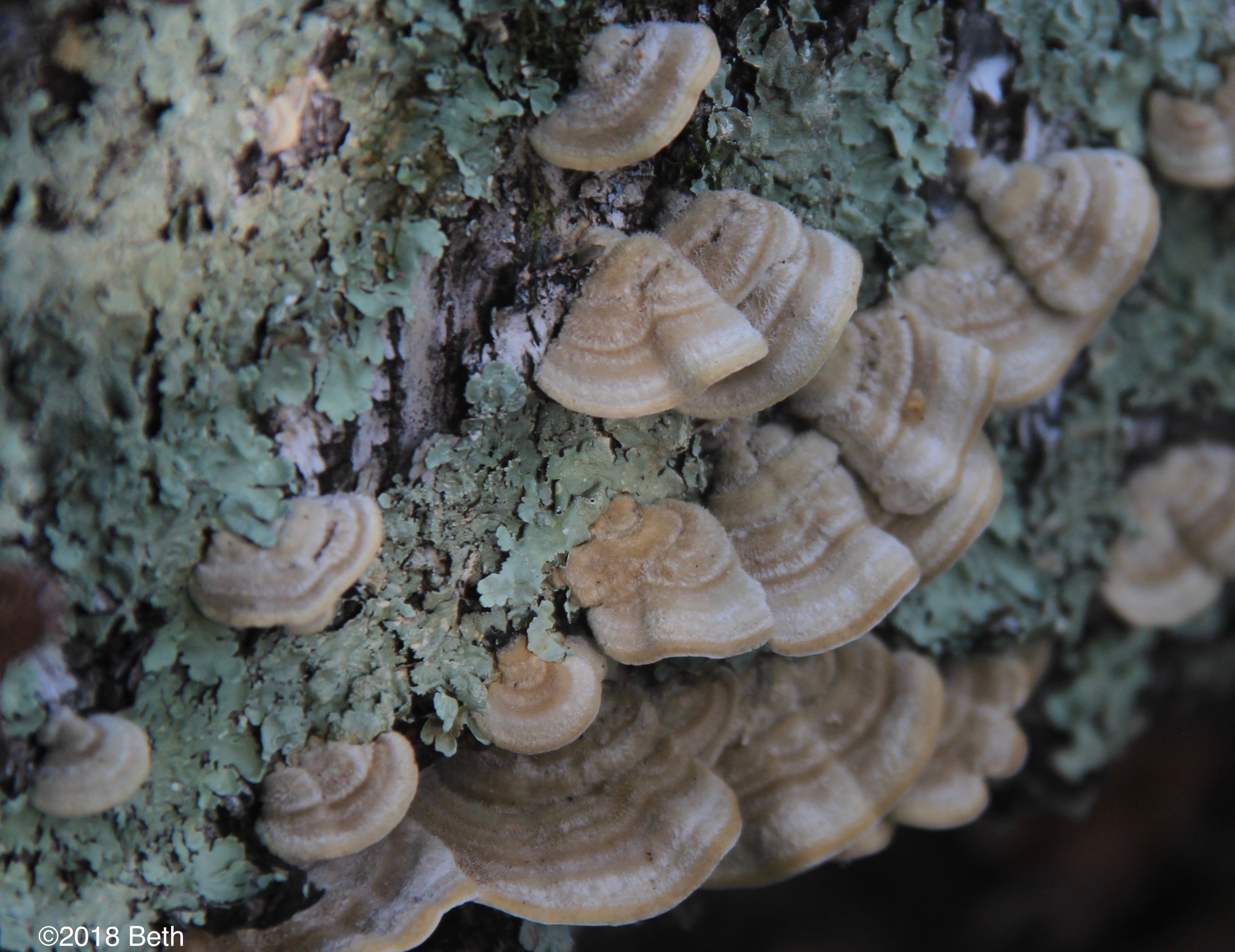
Bracket fungi and lichens grow on a log along the Kettle River.

Fungi are not plants; they have no chlorophyll, leaves, roots, flowers or seeds and do not make their own food. They are primarily strands called hyphae, which secrete enzymes that break down organic matter, such as leaves, dead trees, and animal remains. Scientists currently think that land fungi split off from the animal kingdom around 1.3 million years ago — about 500 million years before plants.

Tiny slime mold sporangia grow on a rotting log. (Slime molds are related to, but different than, fungi.)

Though some fungi are parasites that damage plants and other living organisms, mycorrhizal fungi form a symbiotic partnership with plants in which both benefit. The fungi obtain nutrients that the plant produces in photosynthesis. The fungal hyphae, in turn, break down organic substances releasing nitrogen, carbon, glucose and other nutrients, which they pass along to the roots of plants without parasitizing them. Many fungi also store carbon, meaning that less is released into the atmosphere as carbon dioxide. All winter long fungi will nourish the soil for spring growth. As I walk on these autumn days, with so many leaves underfoot, I like to think about how they will be decomposed and used again in the spring to help create next year’s new life.

Peeling Puffballs (Lycoperdon) often grow in sandy, open areas, such as roadsides.

Though some fungi are harmful to plants, humans and other organisms, many provide antibiotics and food in addition to forming nourishing soil. So the next time you spot a fungus and think it’s gross, remember the benefits that many fungi provide to nature, the food chain and to us. Here are a few fungal fruiting bodies that I’ve seen growing in the woods this autumn. Fungi often are difficult to identify, so I don’t know all of their names, but I appreciate their shapes and colors.

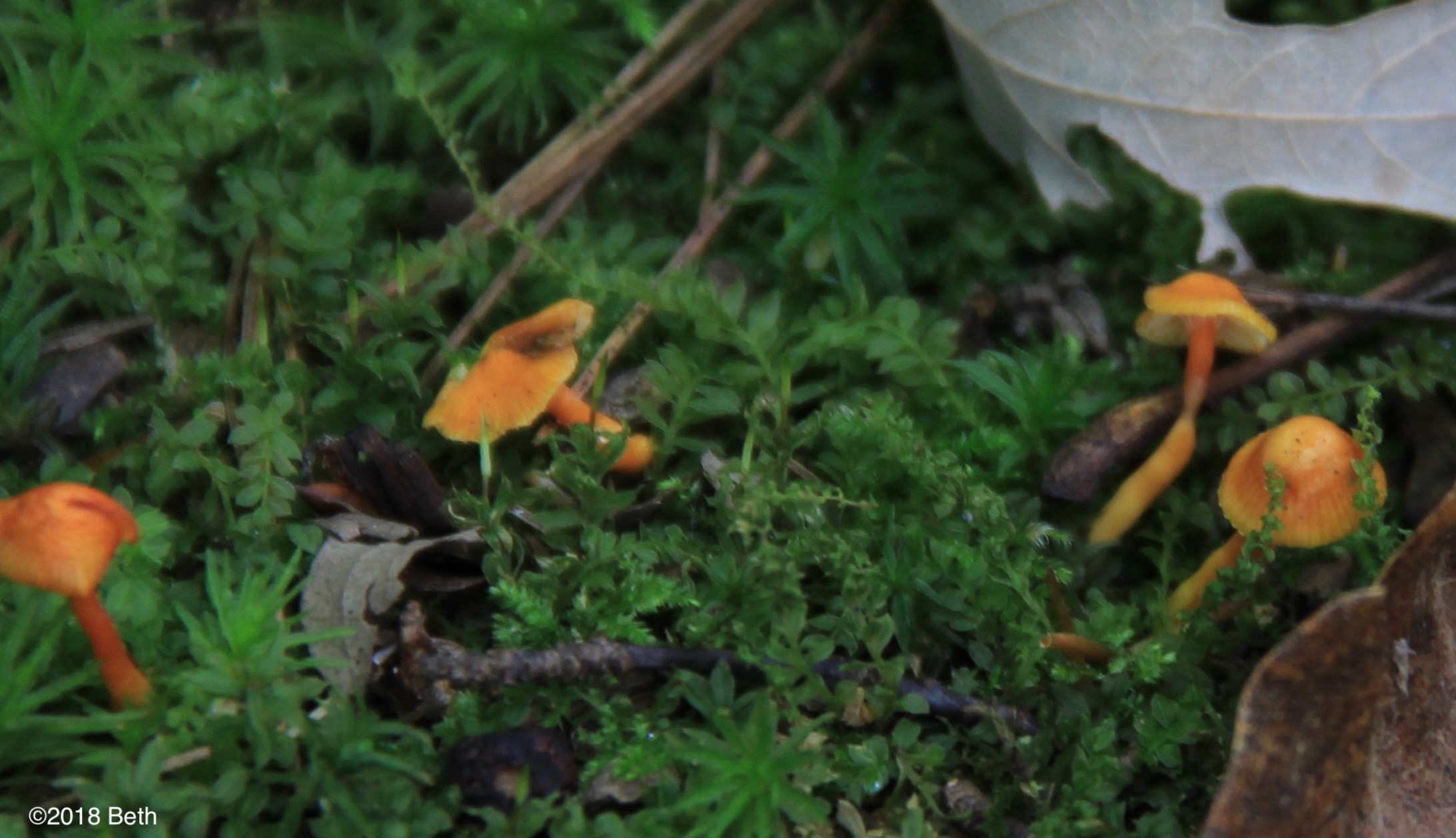
Tiny orange Mycena toadstools growing in moss.

The underside of this Russula mushroom cap shows the spore-producing gills.

A silvery blue-capped fungus pops up through moss near aspens and pines.

An autumn toadstool grows under bur oaks next to the riverbank.

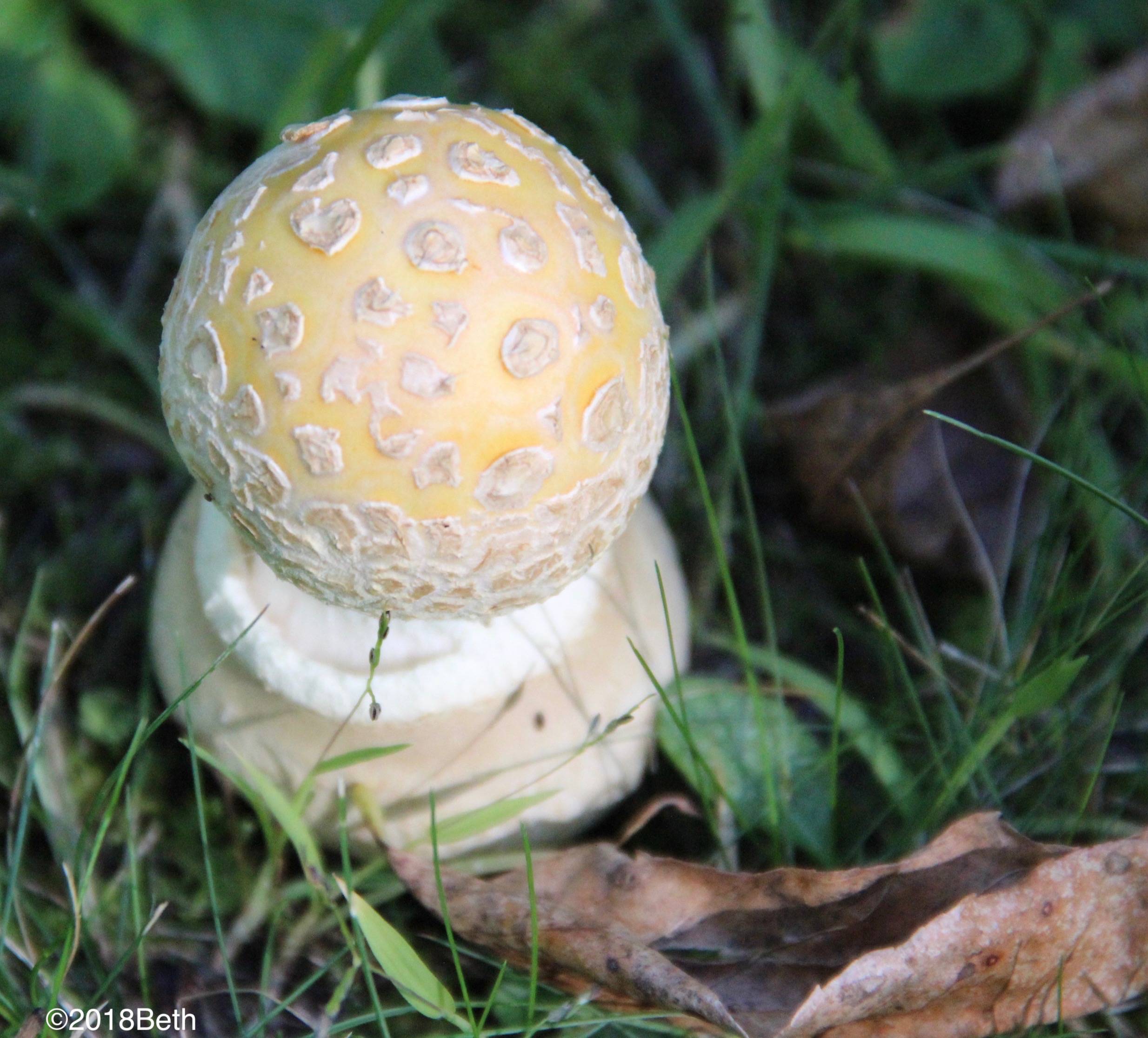
Amanitas grow in deciduous and mixed woodlands.

White polypore fungi slowly decompose a fallen tree limb.