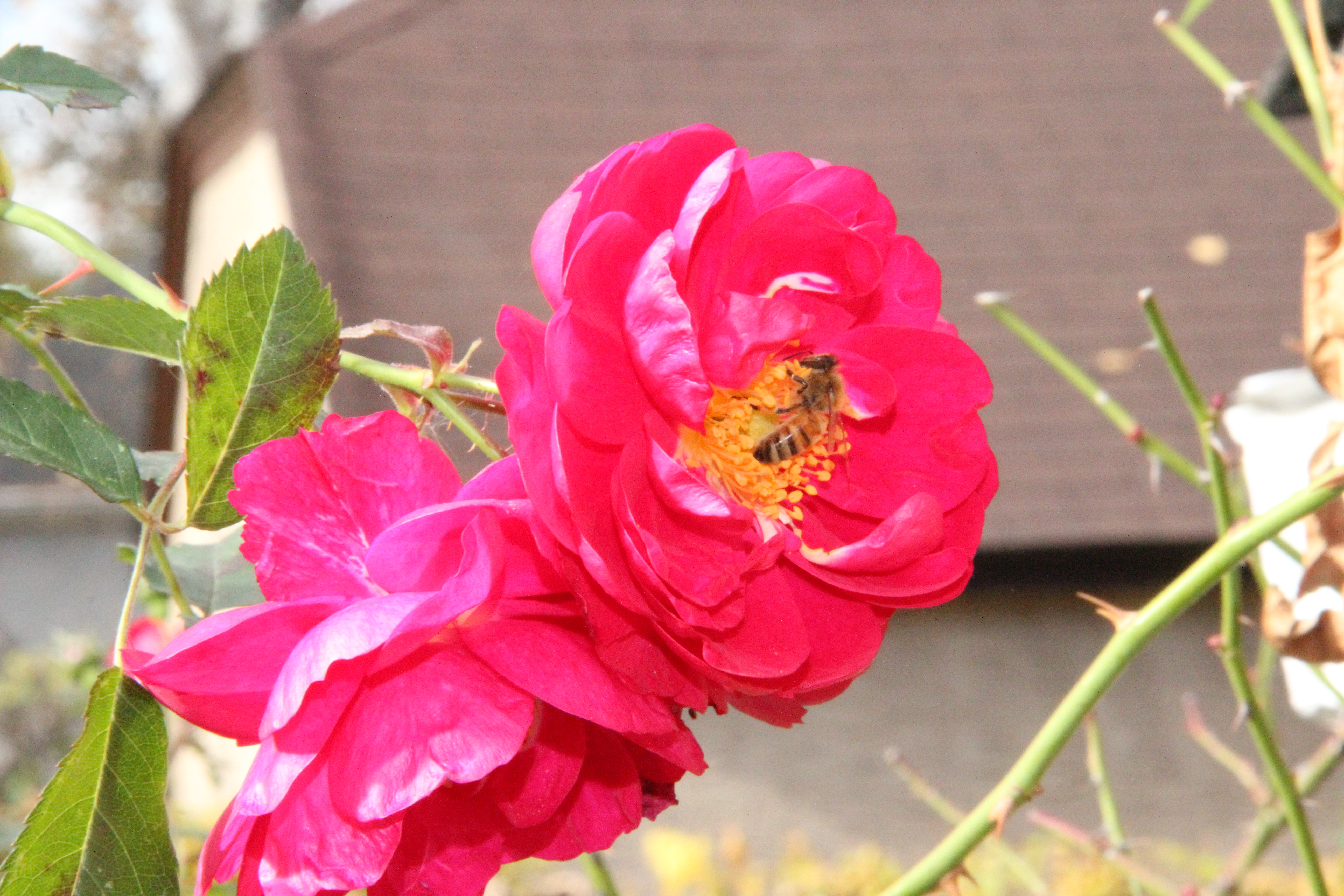
November Honey Bee

A honey bee visits a 'Henry Kelsey' rose in early November.

A honey bee visits a ‘Henry Kelsey’ rose in early November.

Under the gentle, midday sun, I walked through scads of scarlet maple, golden aspen and lemon-colored apple leaves that dot our cleaned up garden. I heard a steady buzzing and followed it to a group of buds and blossoms on the climbing rose that grows on our garage. Among the roses floated a single honey bee (Apis mellifera), as leisurely as if it had been a sultry August afternoon, instead of early November. The golden bee rolled in the pollen of each rose before heading skyward.

I miss my small garden so much during the winter. Seeing and hearing that tiny creature brought me great joy — the simple beauty of bee and blossom, the presence of life in the November garden, and a wonderful image to remember when winter inevitably arrives.

Most bees that inhabit Minnesota die in late autumn, but honey bee colonies overwinter. This year’s long, frost-free autumn gives them extra time to fortify their hives for winter. To find out more about how honey bees survive the long northern winter, visit:
What Happens to Honey Bees in the Winter?
Do Honey Bees Fly South for the Winter?

October Gold and Blue

White oaks shine against a cloudless October sky.

Bur oaks (Quercus macrocarpa) shine against a cloudless October sky.

The fleeting season of gold and blue arrived in central Minnesota last week. The golden hues of bitternut hickory, bur oak, aspen and ash glow against a sky the color of a newly opened morning glory — a shade unique to autumn. Along the Snake River in Pine County, MN, the steely blue-gray wings of a great blue heron swoop over the sparkling water.

A great blue heron (Ardea herodias) swoops over the Snake River in east central Minnesota.

A great blue heron (Ardea herodias) swoops over the Snake River in east central Minnesota.

Sky blue morning glories continue to bloom in October.

Heavenly blue (Ipomea purpurea) morning glories continue to bloom in October.

Closer to the ground, the last of the powder-blue bottle gentians and asters — some with center disks as bold as the sun — bloom among the grasses. Fallen aspen leaves accent walkways, and the heart-shaped leaves of the carrion flower vine wind their tendrils skyward. In a few days, this lovely combination will dampen down to more muted tones, the gentle softness that insulates the earth for winter’s palette of black and white.

Bottle gentian blooms (Gentiana andrewsii) turn dark and dry out as their seeds mature.

Bottle gentian blooms (Gentiana andrewsii) turn dark and dry out as their seeds mature.

Asters (Symphyotrichum novi-begii) provide nectar to these hoverflies and many other autumn insects.

Asters (Symphyotrichum novi-belgii) provide nectar to these hoverflies, or syrphids, and many other autumn insects.

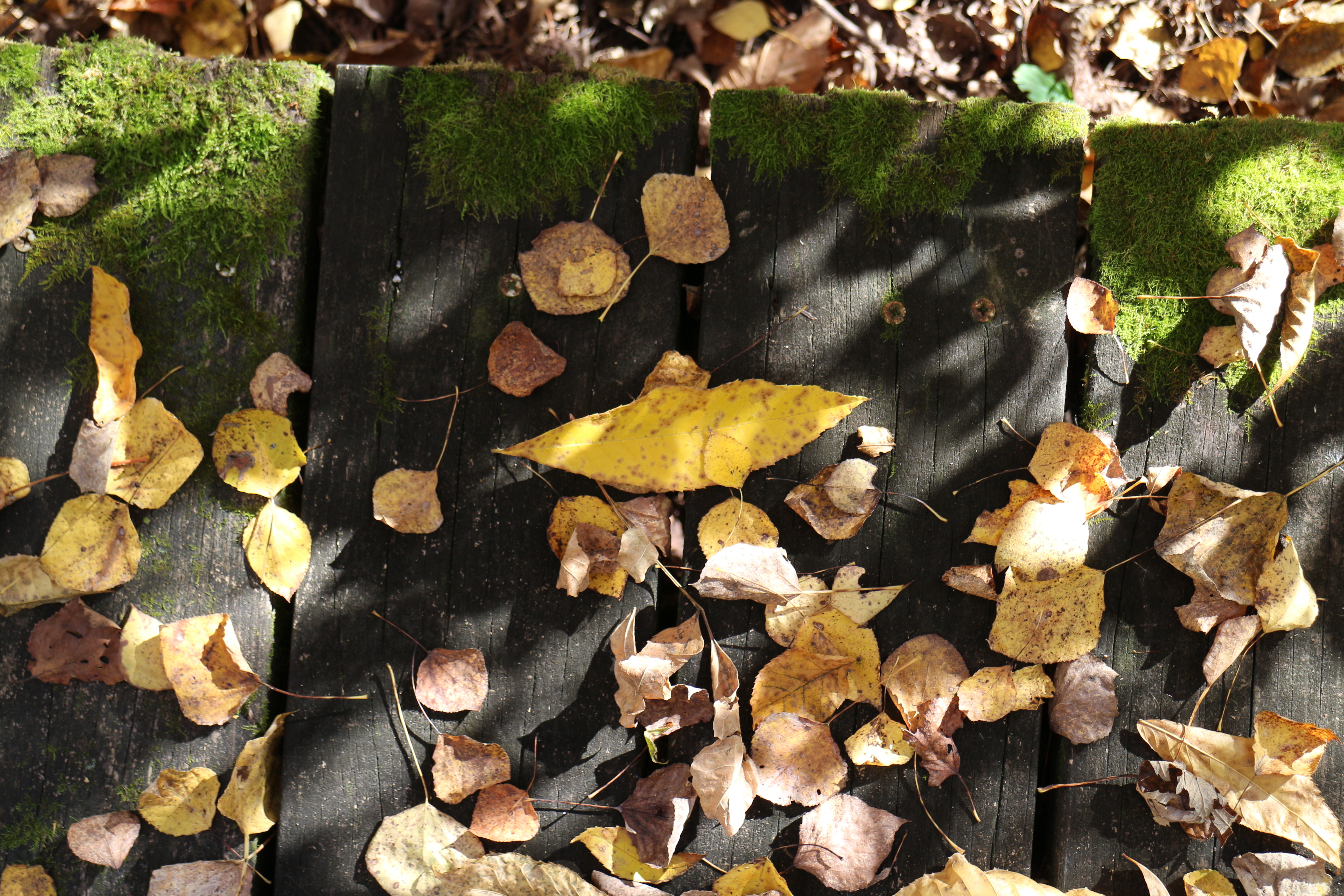
Aspen leaves and moss decorate a walkway at our cabin.

Quaking aspen leaves (Populus tremuloides) and moss decorate a walkway at our cabin.

The heart-shaped leaves of the carrion flower (Smilax herbacea) add light and color to the October woods.

The heart-shaped leaves of the carrion flower vine (Smilax herbacea) add light and color to the October woods.


Metallic Green Bees

A metallic green bee (agapostemon) drinks nectar from a Helenium flower.

A metallic green bee (Agapostemon) drinks nectar from a Helenium flower.

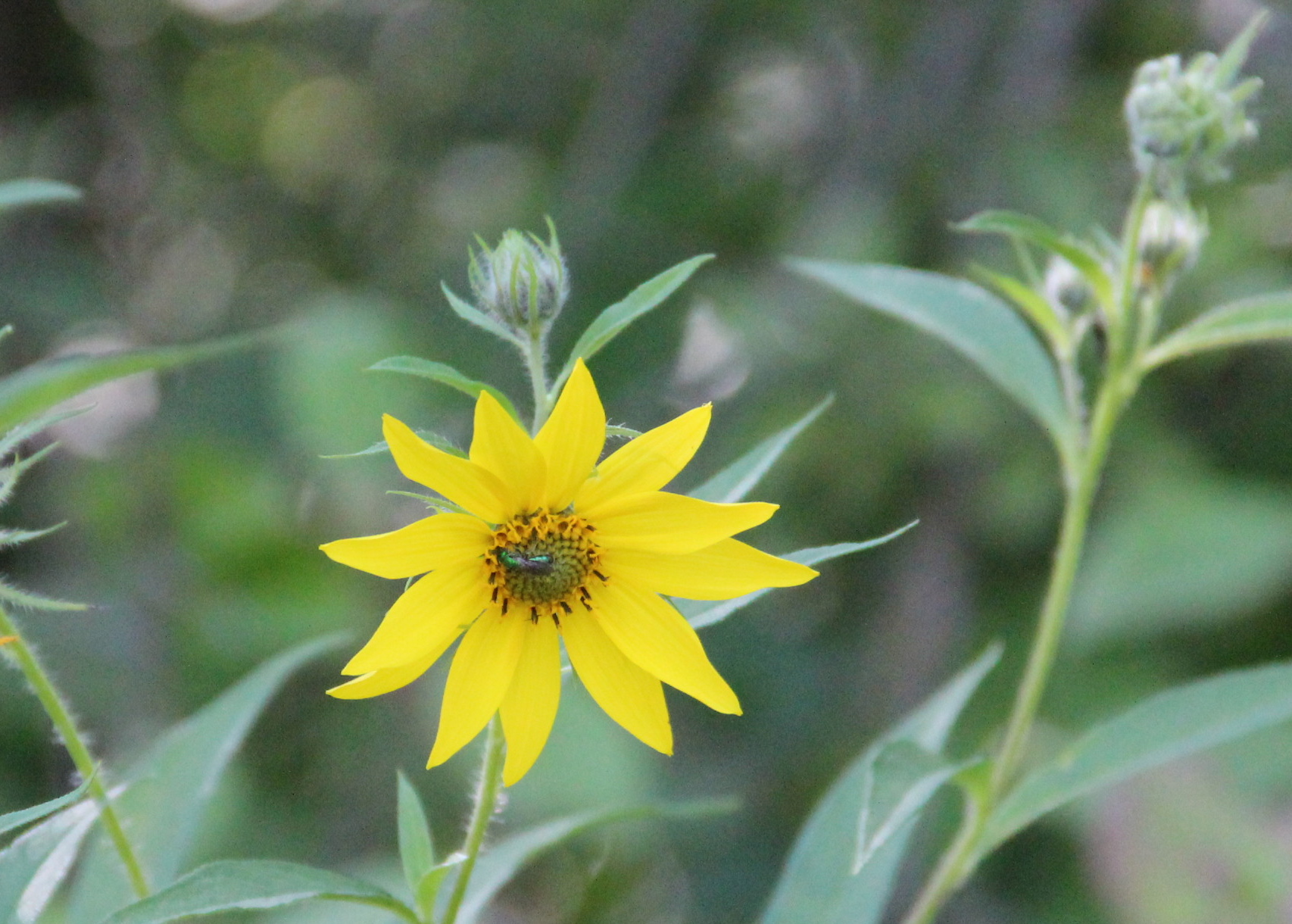
A female green metallic bee searches for nectar in a woodland sunflower.

A female metallic green bee searches for nectar in a Jerusalem Artichoke (Helianthus tuberosus L.).

Bees of many kinds visit our backyard garden on sunny autumn afternoons — and not all are black and yellow!  I think one of the prettiest is the metallic green bee, which is a type of tiny sweat bee in the (family Halictidae).  The female bee’s body is usually a beautiful iridescent green.  The male bee has a bright green head and thorax, but in contrast to the female, he sports a vibrantly striped abdomen — black with yellow or white stripes.

Native asters are a favorite of metallic green bees.

Native heath asters (Symphyotrichum ericoides) are a favorite of metallic green bees.

Metallic green bees, typically just a few eighths of an inch in size, are small in comparison to many backyard bees, such as bumble bees and honey bees.  They are short-tongued bees, so they prefer to drink nectar from flowers that have a more shallow, open structure. In our yard they prefer Helenium and asters.

Unlike colonial bees that live in hives, each adult female green bee creates her own underground nesting chamber in which she lays her eggs. Sometimes, several females construct individual nests near each other, but they remain solitary.

When cold weather arrives in late October, the male green bees die. Fertilized females survive because they form a layer of insulating fat and burrow into the ground to overwinter. Next spring, they will lay eggs in new underground nests and continue the life cycle. Most years, green bees should be visiting your garden by the end of April.

A green bee catches the warmth of the late afternoon sun.

A male green bee catches the warmth of the late afternoon sun on an aster (Symphyotrichum novi-belgii).


September Days

Woodland sunflowers (Helianthus divaricatus).

Woodland sunflowers (Helianthus divaricatus).

The morning’s first light dawns purple, builds to a soft pink, then strawberry red. Crickets and other night creatures punctuate the mild air; the birds are quiet. As the sun climbs the eastern horizon, its light flares and glows green in the tops of river birches, maples and cottonwoods. There is only a hint of autumn color in the trees, but the wildflowers are dominated by gold — the gold of woodland sunflowers, goldenrod, a few butter and eggs. The first asters, purple and white, softly accent the gold. In the coolness of the morning, voices of early walkers rise from the sidewalk. “A beautiful morning for a walk!” women call in greeting to each other.

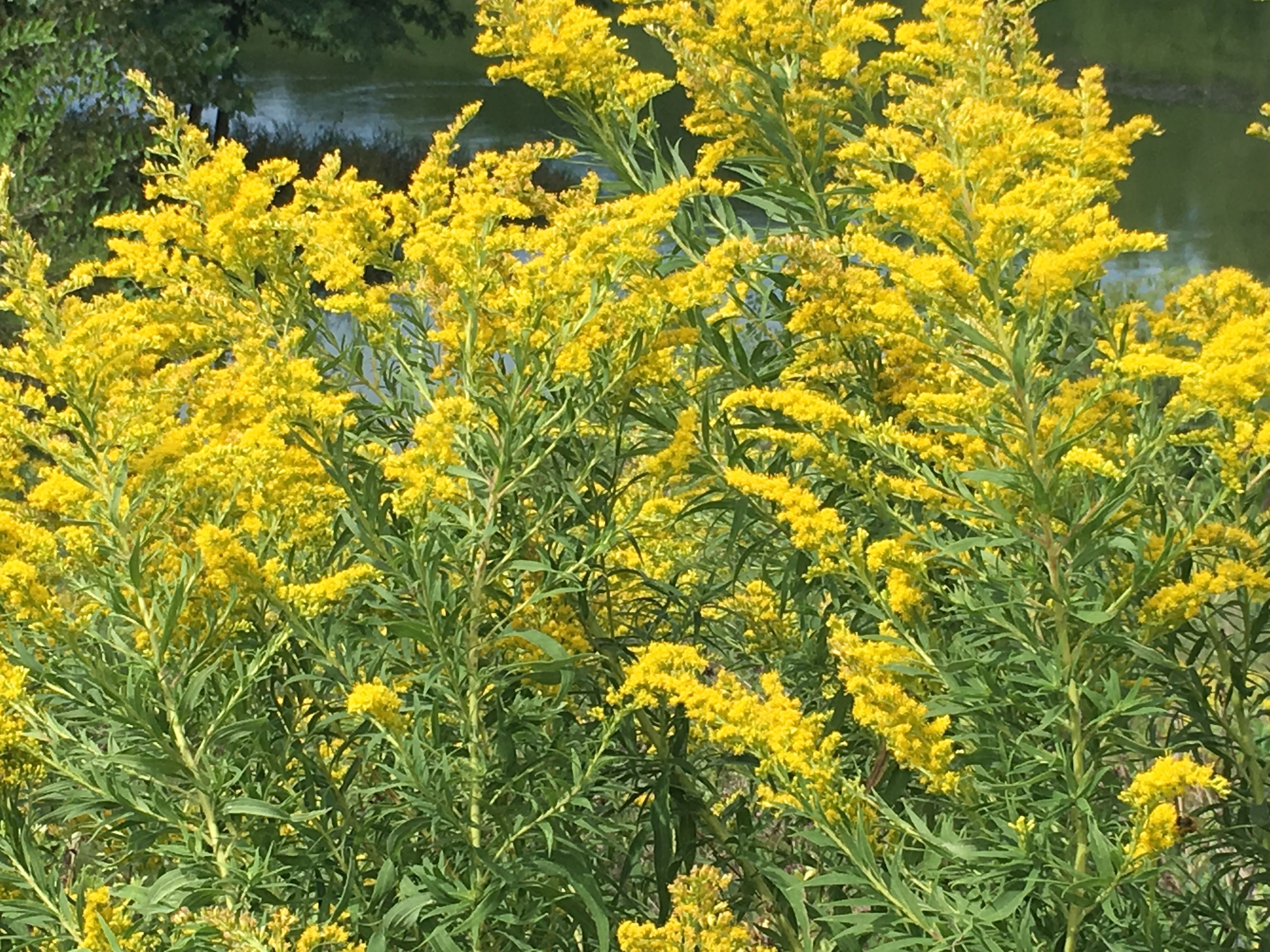
Plumes of Canada goldenrod (Solidago canadensis) surround a pond.

Plumes of Canada goldenrod (Solidago canadensis) surround a pond.

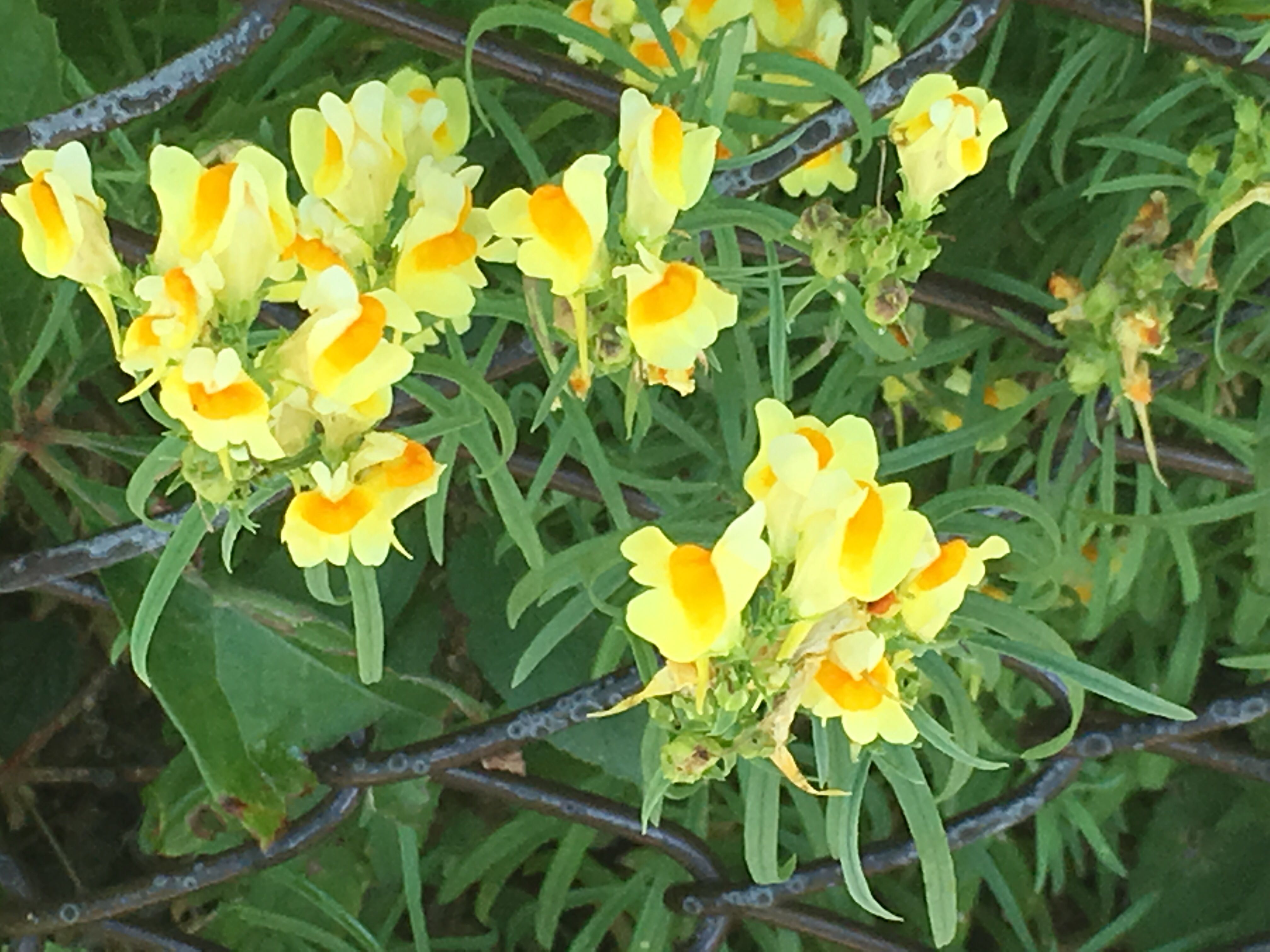
Butter and eggs, or common toadflax (Linaria vulgaris Mill) was introduced by European settlers in the 1800s. Unfortunately, its bright flowers are considered invasive.

Butter and eggs, (Linaria vulgaris Mill) was introduced by European settlers in the 1800s. Its bright flowers are now considered invasive.

Native heath asters (Symphotrichum ericoides) are at their peak bloom now.

Native heath asters (Symphotrichum ericoides) are at their peak bloom now.

Later, in the afternoon, I walk the hilly paths. The sun is warm, an easterly breeze is mild. Barn swallows twitter overhead, swooping and soaring in pursuit of small insects. At a nearby pond, a dozen Canada geese perch on a half-submerged snag and a green heron alights briefly at the tip top of a skeletal maple. Close to the ground, small butterflies flutter across the wildflowers bordering the pond.

A red admiral (Vanessa atalanta) sips nectar from New England asters (Symphotrichum novae-anglica).

A red admiral (Vanessa atalanta) sips nectar from New England asters (Symphotrichum novae-anglica).

I sit in the sun to breathe in the peaceful scene and soak up the sunlight. Its radiant heat soothes and relaxes. I miss it so much during the long winter. I wish these late-summer afternoons would never end. I am grateful to be outside surrounded by this abundance of life.

pondth2


The Dove’s Call

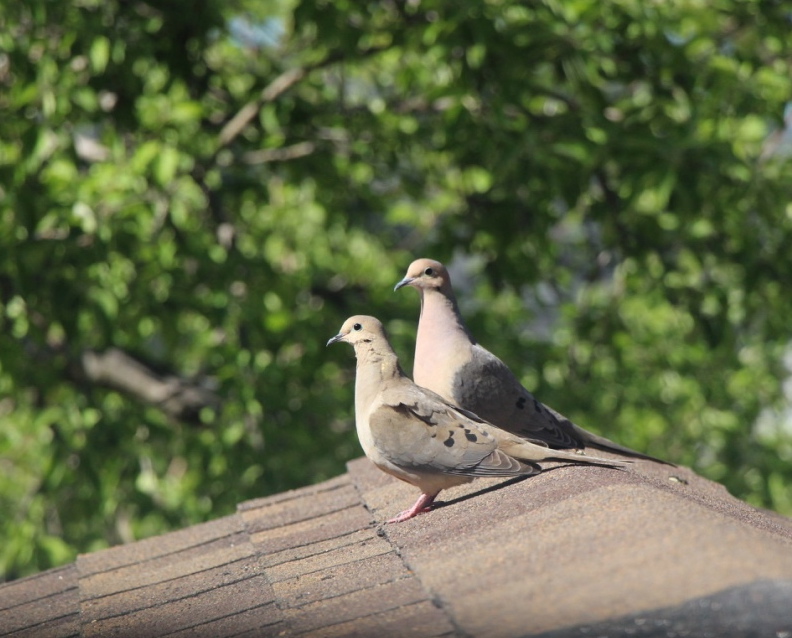
A mated pair of doves rest on the roof in the late afternoon sun.

A mated pair of mourning doves rests on a roof in the late afternoon sun.

The mourning dove’s (Zenaida macroura) call is a wild, haunting sound that complements the whistle of its wings. In mid-August, doves coo softly in the cool of early morning and in the sultry late-afternoon heat.

People react quite differently to the mourning dove’s call. A work colleague who grew up on a farm found the cooing to be so sad that her family removed any nests that were close to their farmhouse.

To our young son, who was born with a bilateral sensorineural hearing loss, discovering a dove’s sounds was a time of wonder. We returned home from work and daycare, one spring evening, and startled a dove in the backyard. The forceful whistle of its wings as it flew skyward was one of the first sounds he heard with his new hearing aids. He also loved their sweet call; if the doves quieted, he would spot one on the roof and say to it, “Don’t be shy little dove. Will you sing for me again, please?”

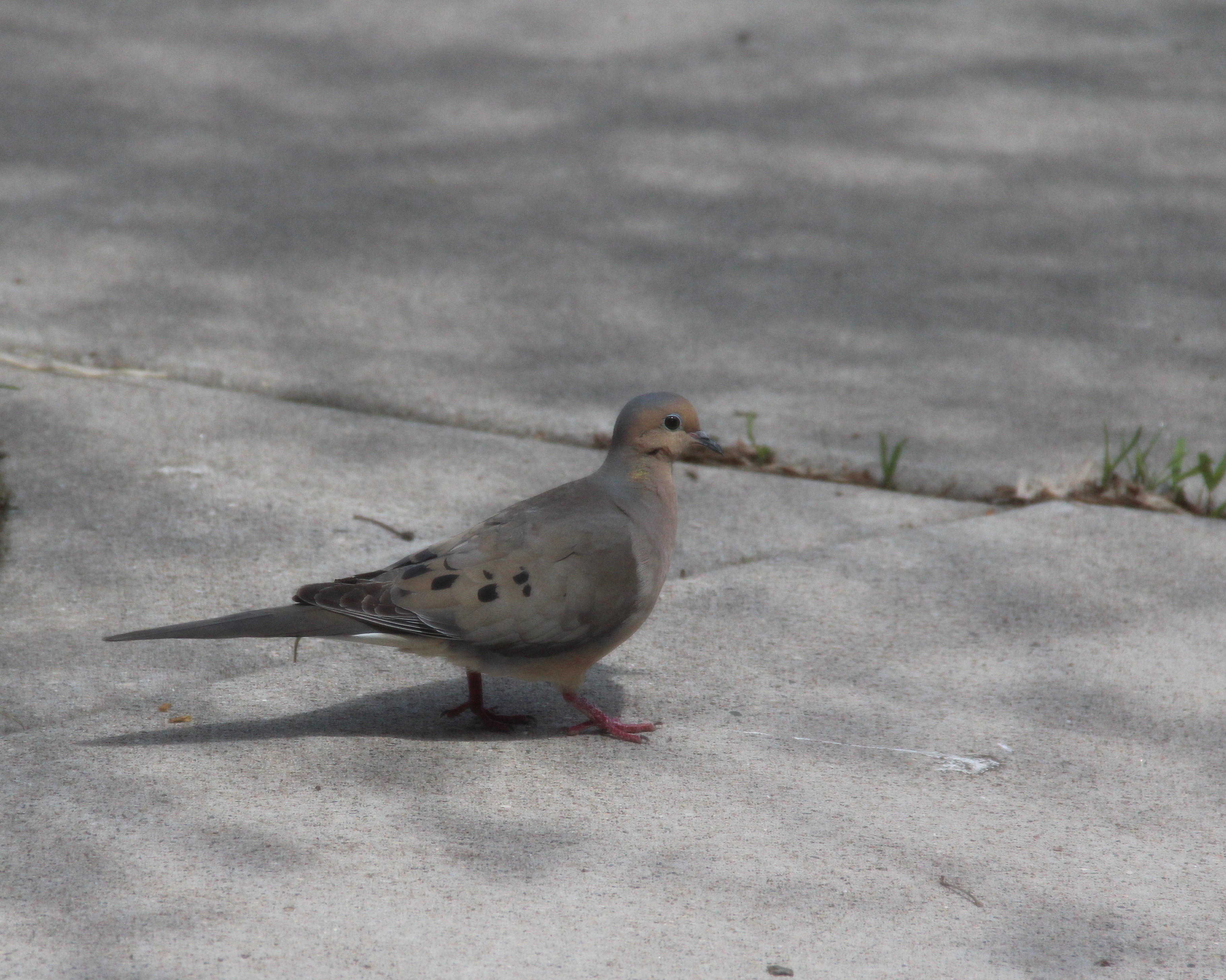
Mourning doves are warm buff to soft gray in color with black speckles on the wings.

Mourning doves are warm buff to soft gray in color with black speckles on their wings.

I love the mourning dove’s call; I find it soothing and relaxing. It brings memories of steamy summer afternoons when I was growing up. We’d imitate their calls and try to spot them in the majestic elms that shaded Saint Paul’s streets. To find a dove’s nest woven in the boughs of a small spruce tree was pure delight. How innocent they looked with their large, dark eyes and bespeckled wings, nestled on a clutch of bright white eggs. How excited we were to experience this tiny bit of nature so close to home.

Garden Damsels and Dragons

A thread-slender eastern forktail (Ishnura verticalis) damsel fly.

A thread-slender eastern forktail (Ischnura verticalis) damsel fly.

The early morning garden is a place of shadows and peace. Cardinals, goldfinches, mourning doves and house wrens ring out their song in neighborhood trees. Already, bumblebees work the flowers — bluebells, bee balm, hyssop and milkweed — buzzing softly.  Almost camouflaged in the deep green shadows, a tiny damselfly perches atop a milkweed leaf. An eastern forktail (Ischnura verticalis), its slender body, less than an inch long, is mint green, blue and black. The wings are folded over its back in damselfly style.

Across the backyard, a much larger dragonfly relative hangs from the edge of a hosta leaf, wings held away from its body horizontally. It is a green darner (Anax junius), one of the largest dragonflies in the world at three inches in length and with a wingspan of more than four inches. Its spring-green head and thorax hide it among the hosta. It “wing-whirs”, or rapidly vibrates its wings to warm up its flight muscles — and that movement catches my eye and reveals its presence.

A common green darner (Anax junius) is one of the largest dragonflies.

A common green darner (Anax junius) is one of the largest surviving dragonflies.

Damselflies and dragonflies are members of the order Odonata, which means “toothed ones”. Unlike the peaceable bumblebees, they are fierce predators, hunting for small insects in the garden and eating many pests. Odonata are descended from some of Earth’s most ancient creatures. Fossils of ancient dragonfly ancestors (Protodonata) date back 325 million years. Scientists believe that bees evolved more recently — about 120 million years ago; the oldest bee fossil discovered so far is about 100 million years old. Both insect families contribute to a healthy garden.


Michigan and Turk’s Cap Lily

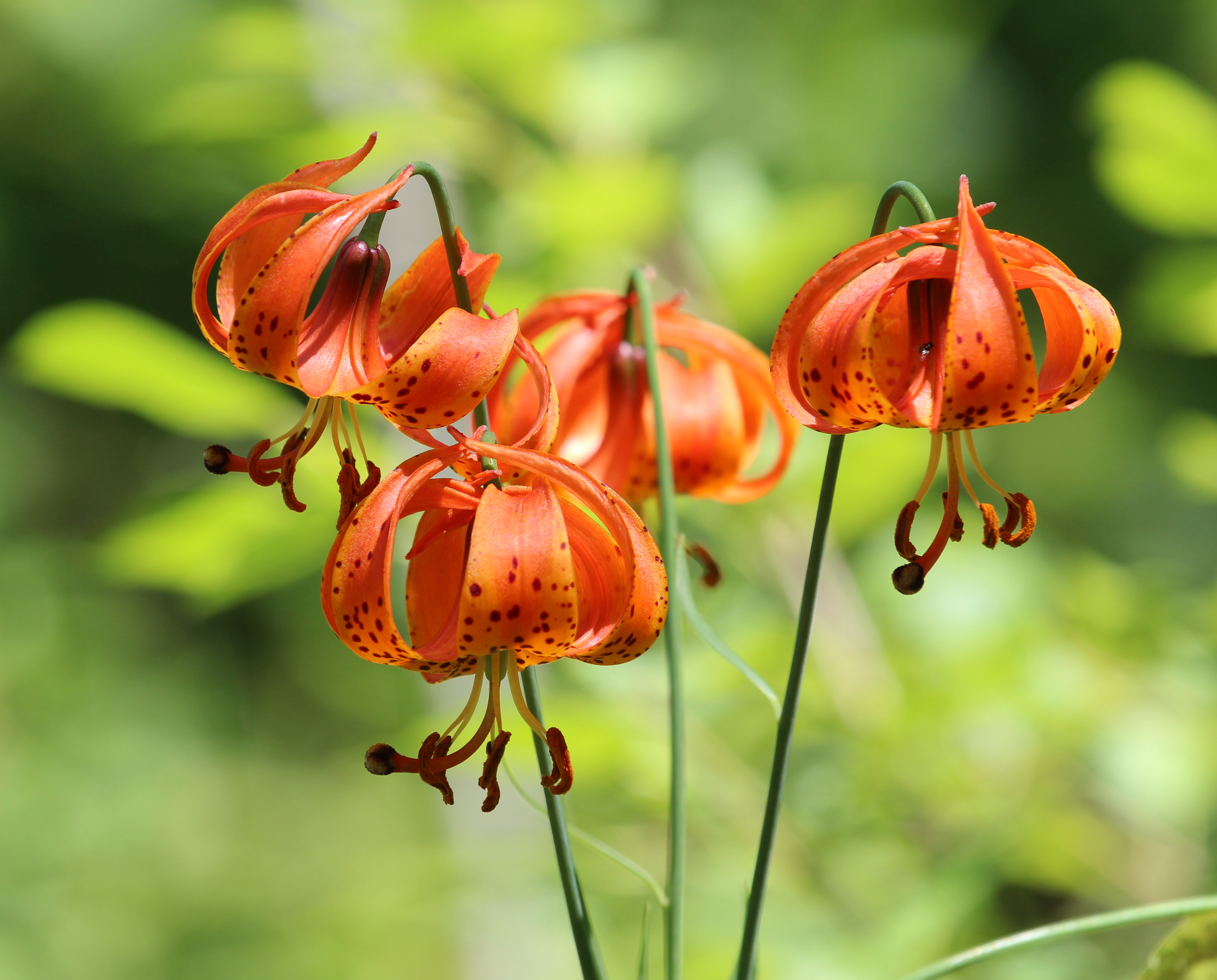
Michigan lily (Lilium michiganense) growing near the Snake River in east central Minnesota.

Michigan lily (Lilium michiganense) growing near the Snake River in east central Minnesota.

They are a gift of wet years, often not blooming in summers of little rainfall. Native to eastern North America, the Michigan lily’s (Lilium michiganense) delicate tepals curve up and backward, setting it apart from most other native lilies. They range in color from light orange to red-orange and are speckled with purple. The closely related Turk’s cap lily (Lilium superbum) is almost identical in appearance. Turk’s caps can sometimes be distinguished by the presence of a green star in the flower’s throat, and anthers longer than 1/2 inch that are colored magenta or darker.  It is native to areas south of Minnesota, but has been widely introduced here. Both lilies grow from a bulb, reach a height of four to seven feet, and form thin, tiny seeds in a pod.

When our son was little, one of the first things he did when we arrived at our cabin was to check all of the damp spots where we’d found Michigan lilies in previous years. They like “wet feet” and grow in moist right-of-ways, near drainage ditches, and edges of woodlands along the Snake River in Pine County, MN, and other streams. He delighted in finding them, and I was excited to find many in bloom last week.

The tepals curve up and back toward the base of the flower.

The tepals curve up and back toward the base of the flower.

Hummingbirds, sphinx moths and butterflies, such as monarchs and fritillaries, are attracted to the reddish blooms.  I’m attracted to them for a different reason. I think of light, joy and life when I see them glow so deeply in the morning sun. Both types of lily are becoming more uncommon in the wild due to roadside mowing and cultivation. If you spot these lilies growing on your property, please let them stand undisturbed until the plants become dormant in the fall.

Thoughts on a Butterfly

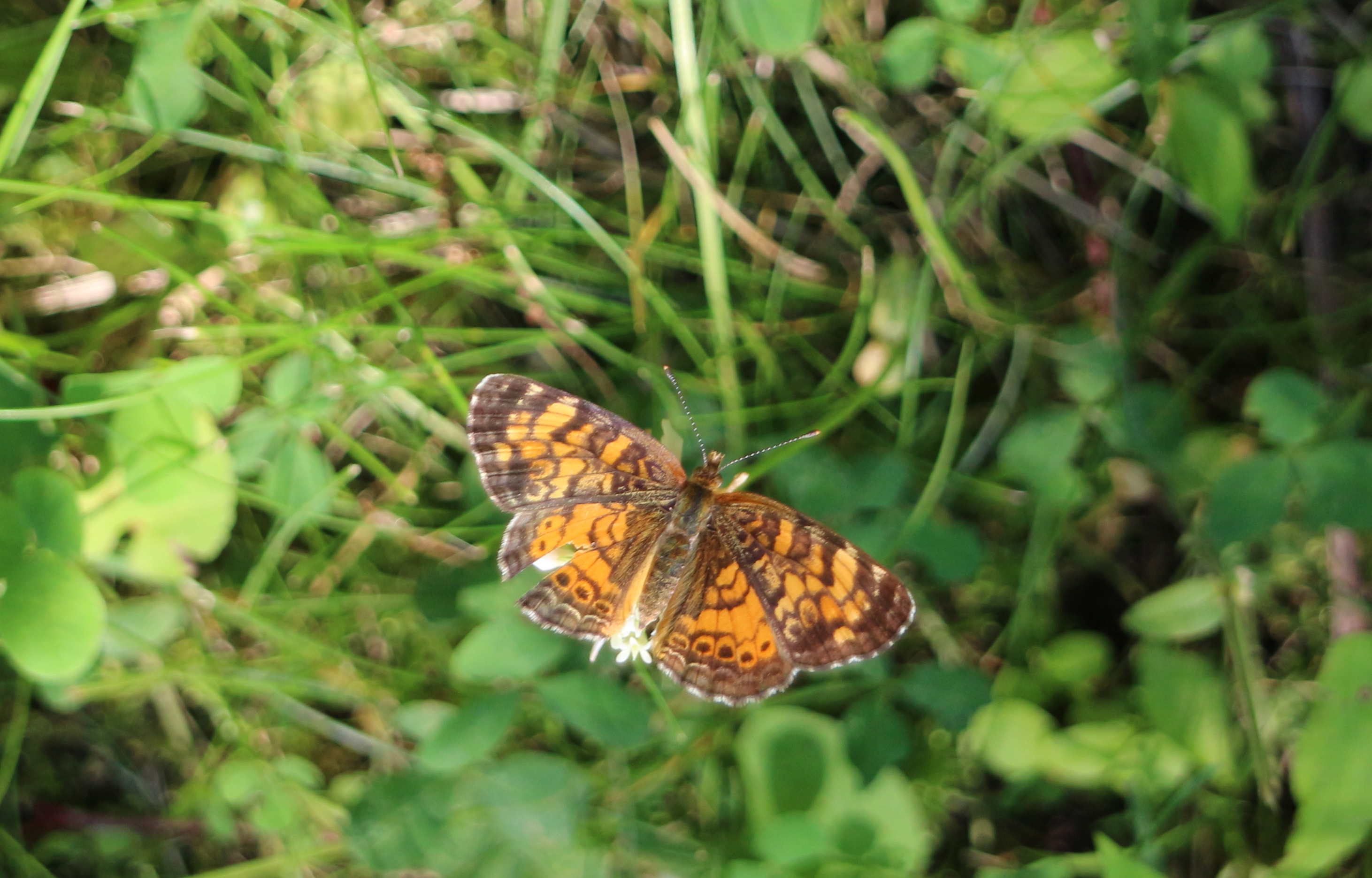
Sun glows on the wings of a crescent butterfly (Phyciodes).

Sun glows on the wings of a crescent butterfly (Phyciodes).

I spotted a small orange-and-black butterfly in a patch of white clover at our cabin in Pine County, MN. Most butterflies rarely sit for more than a few seconds; this one was an avid sunbather, fully opening its dark-spotted wings and resting on a clover bloom for several minutes. Its wing pattern indicated it was a type of crescent butterfly.

Because of their similar appearance and habitat, crescents challenge us to identify them correctly, and this could have been either a pearl or northern crescent. Adults of both species nectar on white clover, asters, thistles and dogbane. Their brown, spiky caterpillars feed primarily on the leaves of asters, and they overwinter to become next spring’s first generation to take flight.

Look closely at the photos and you’ll see the crescent’s worn, tattered wing — evidence that it’s no newbie, has seen some extended flight time, has already lived a good portion of its life. And still, though it shows some wear and tear, it remains beautiful even as it ages and lives out its brief days.

Tattered butterfly wings may indicate a close call with a predator, or advancing old age.

Tattered butterfly wings may indicate a close call with a predator or advancing age.

I think of the recent death of my mother-in-law, Mary, and of my friend, Cathy, last January. I watched them complete their lives, I held their hands, hoped they could hear my prayers and words of comfort. I wonder about them often, and deeply hope that, as the simple brown caterpillar morphed into a creature of light and air, they too have transformed into something lovely and eternal.

Prairie Smoke

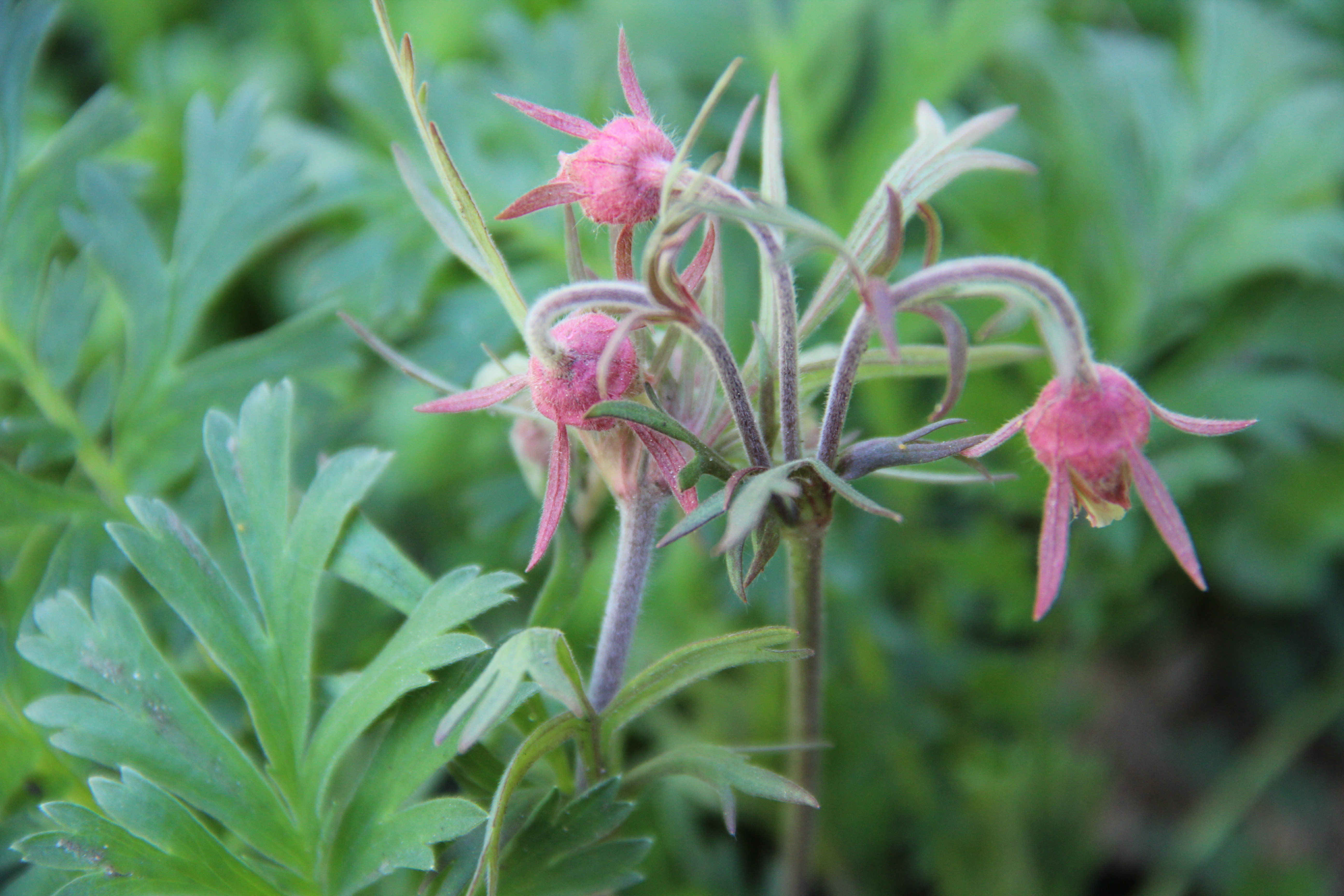
Prairie smoke (Geum triflorum) showing five dark pink outer petals covering five white inner ones.

Prairie smoke (Geum triflorum) sports five dark pink outer petals over five white inner ones.

The Midwestern prairies are famous for their large, showy flowering plants like purple coneflowers and black-eyed Susans. But, there are lovely smaller ones, too. Prairie smoke (Geum triflorum) is an interesting one that grows in early spring.

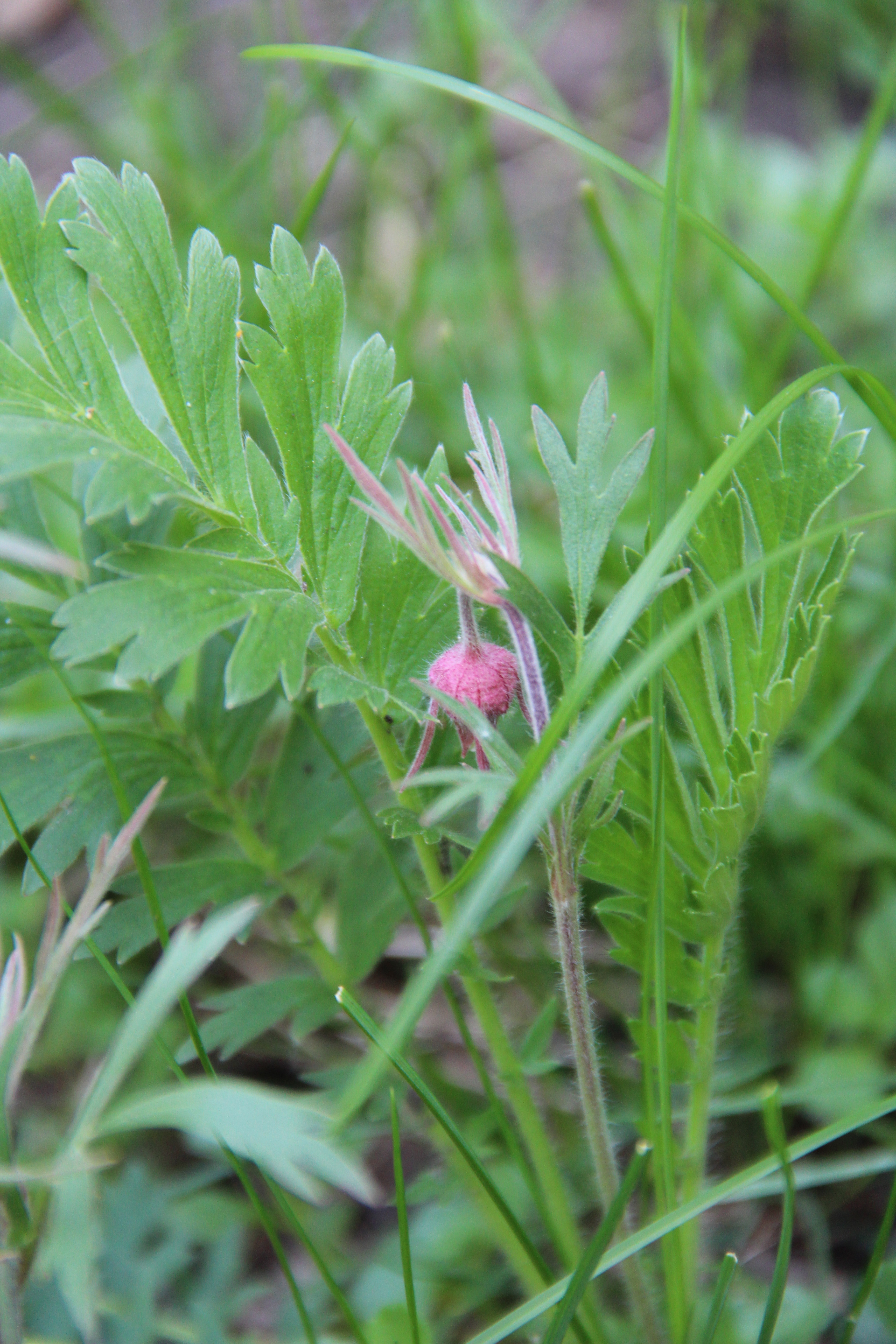
Fern-like, hairy foliage often stays green all winter and begins gowing in early spring.

Fern-like, hairy foliage often stays green all winter and begins growing in early spring.

Each spring, the melting snow uncovers a green rosette of hairy, fern-like leaves often tinged with burgundy. The rosette begins to grow, and a few weeks later, one or more stalks appear in the center of the rosette. Each carries a small group, or umbel, of three flowers. The five outer petals are pink-to-reddish colored and tightly cover five white petals forming a bell-like shape. Because the small flowers barely open, they are primarily pollinated by bumble bees, which are burly enough to push inside.

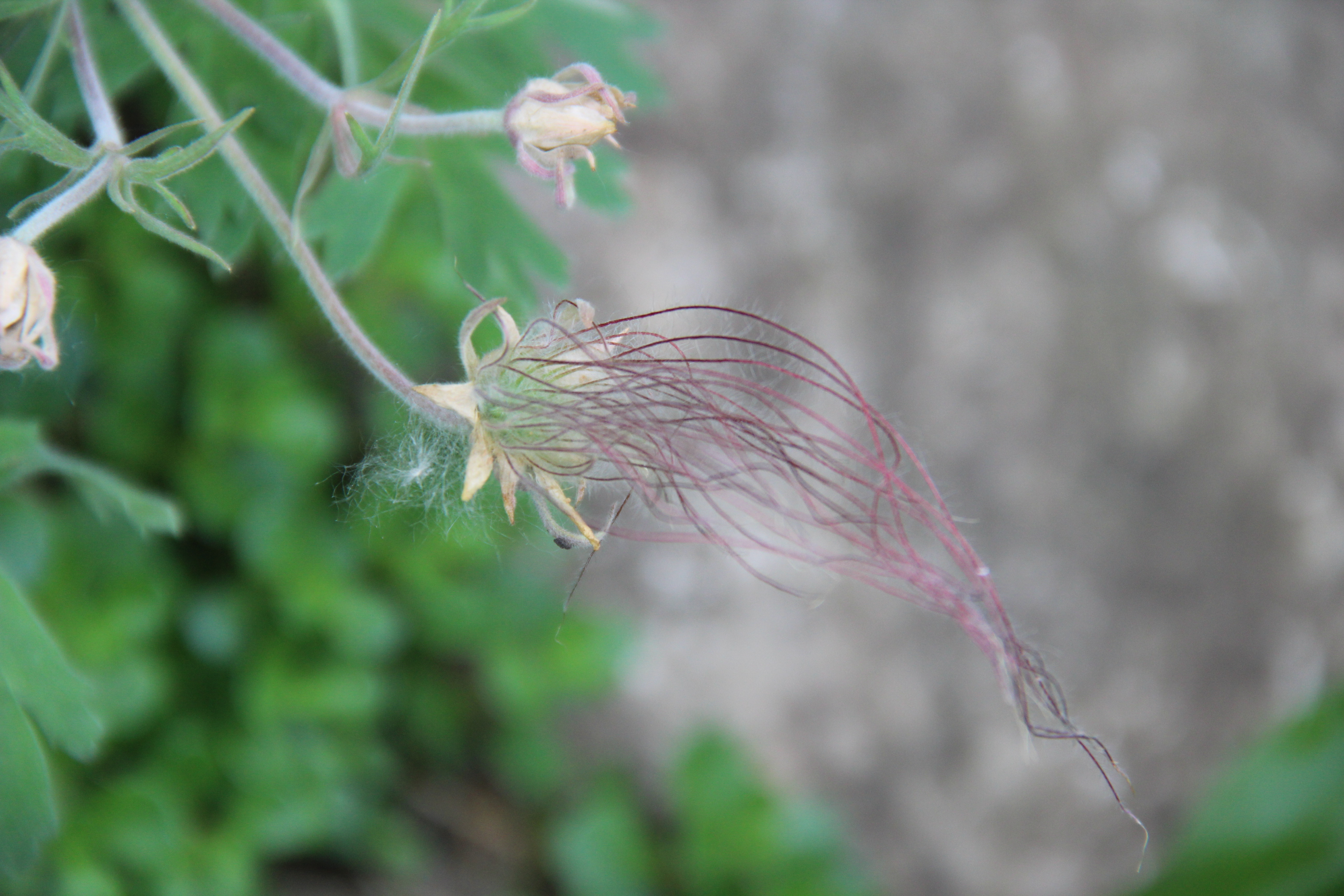
Prairie smoke seed plumes.

Prairie smoke seed plumes on last year’s plants.

After several weeks, the flowers turn upward and form small, one-seeded fruit that are attached to long styles covered with silky hair. The wispy appearance of the fruit led to the colorful names of prairie smoke and old man’s whiskers.

Another seed plume of prairie smoke or old man's whiskers.

Another seed plume of prairie smoke or old man’s whiskers.

In its native habitat, prairie smoke prefers sunny, dry soil that is rocky or sandy. In our garden, it’s happy growing near the top of a limestone wall where it receives direct sun and has good drainage.

Common Snowdrops

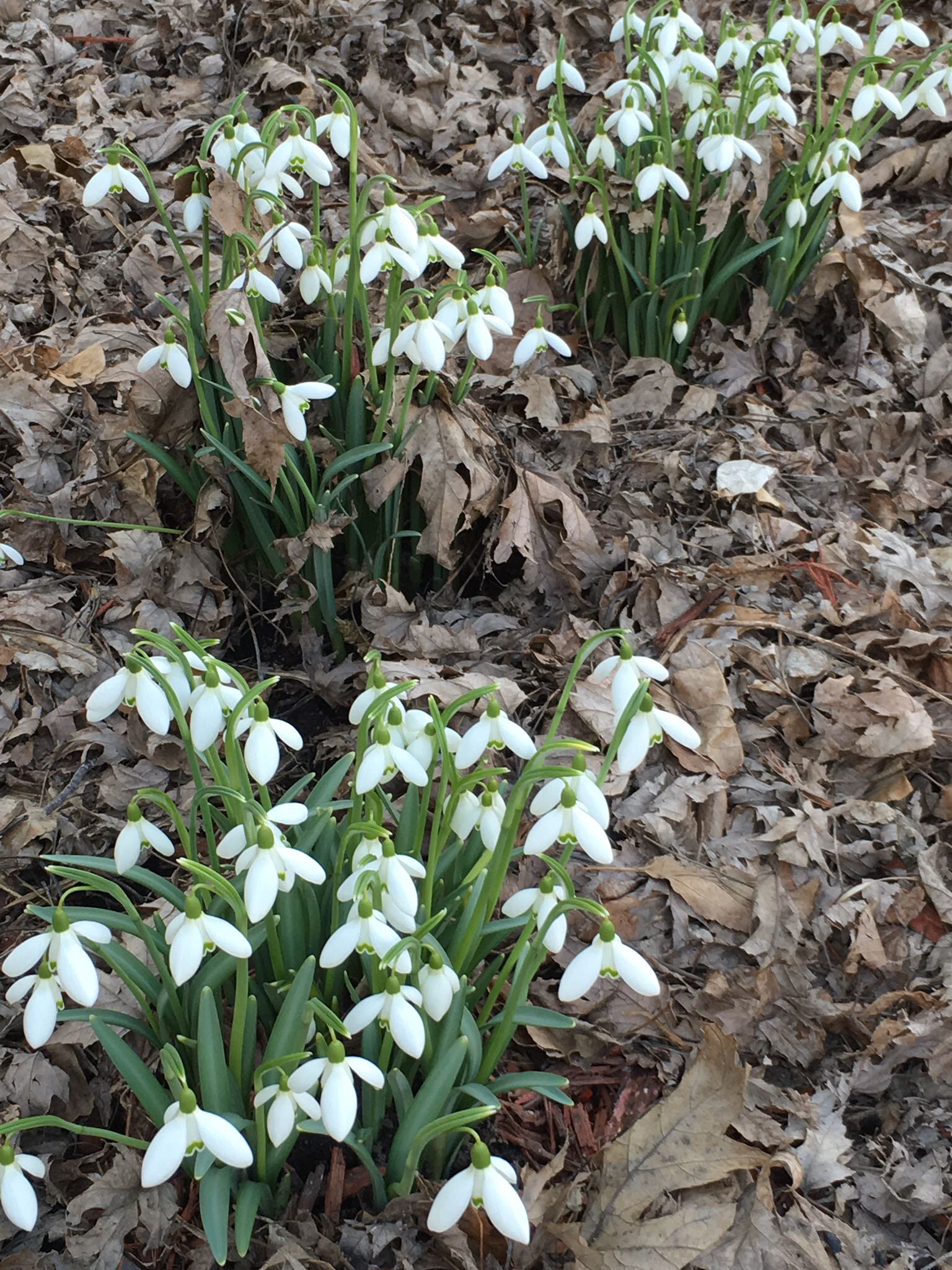
Snowdrops (Galanthus nivalis) often bloom in the snow, but this year the snow melted weeks ago.

Snowdrops (Galanthus nivalis) often bloom in the snow, but this year the snow melted weeks ago.

Every spring I hunt for some fresh green glowing against the snow-covered or brown landscape, depending on the year. Patches of moss, which often remain green under the snow, are refreshing, but the first snowdrops that push through the soil and bloom speak of the awakening earth.  Last Saturday, a sunny, warm afternoon when cardinals sang and a pair of great-horned owls hooted softly to each other, I found a lovely patch of snowdrops blooming in my sister, Theresa’s, shade garden.

Common snowdrops have three white outer tepals and three smaller inner tepals that are white and green.

Common snowdrop blossoms have three white outer tepals and three smaller inner tepals that are white and green.

Snowdrops are small bulbs that grow and bloom right through the snow.  This year’s early warmth melted the snow, so the tiny flowers stand out in contrast to autumn’s brown leaves that still cover the soil. The Latin name, Galanthus nivalis, roughly translates as “snowy milk flower.” Sources that I read say that the name refers to the blossoms looking like drops of snow or milk.  Snowdrops are native to Europe and will grow reliably in USDA zones 3 – 7.