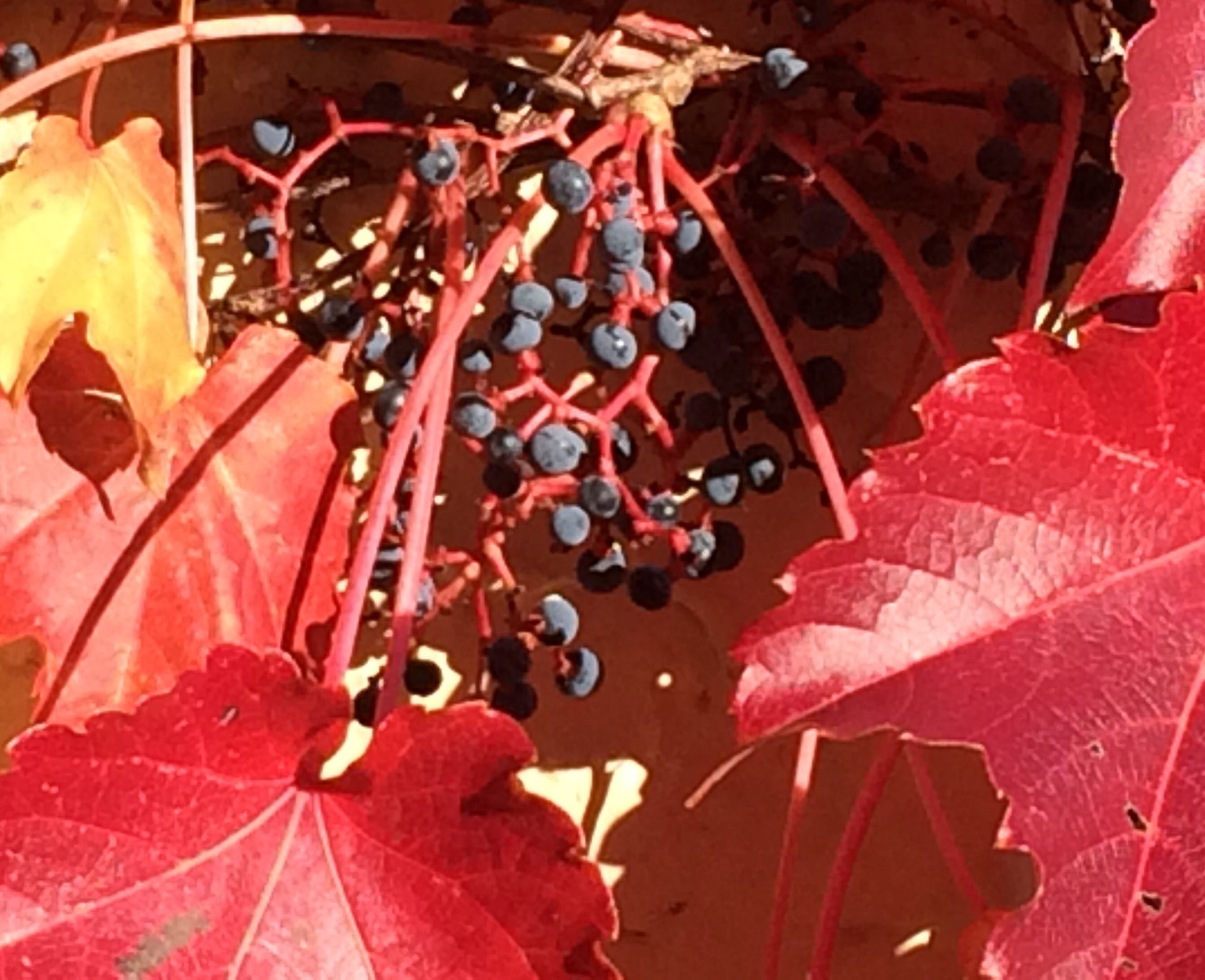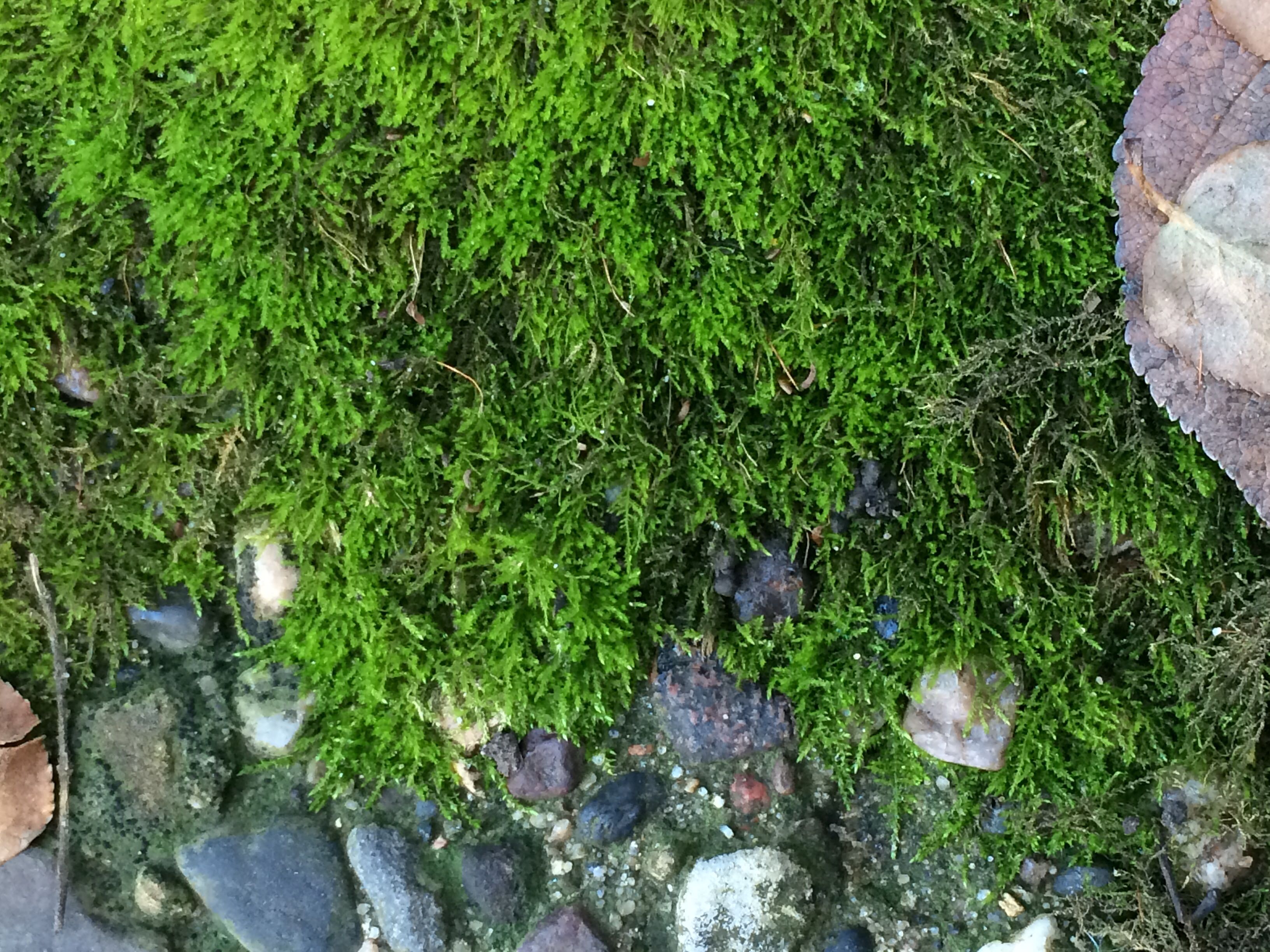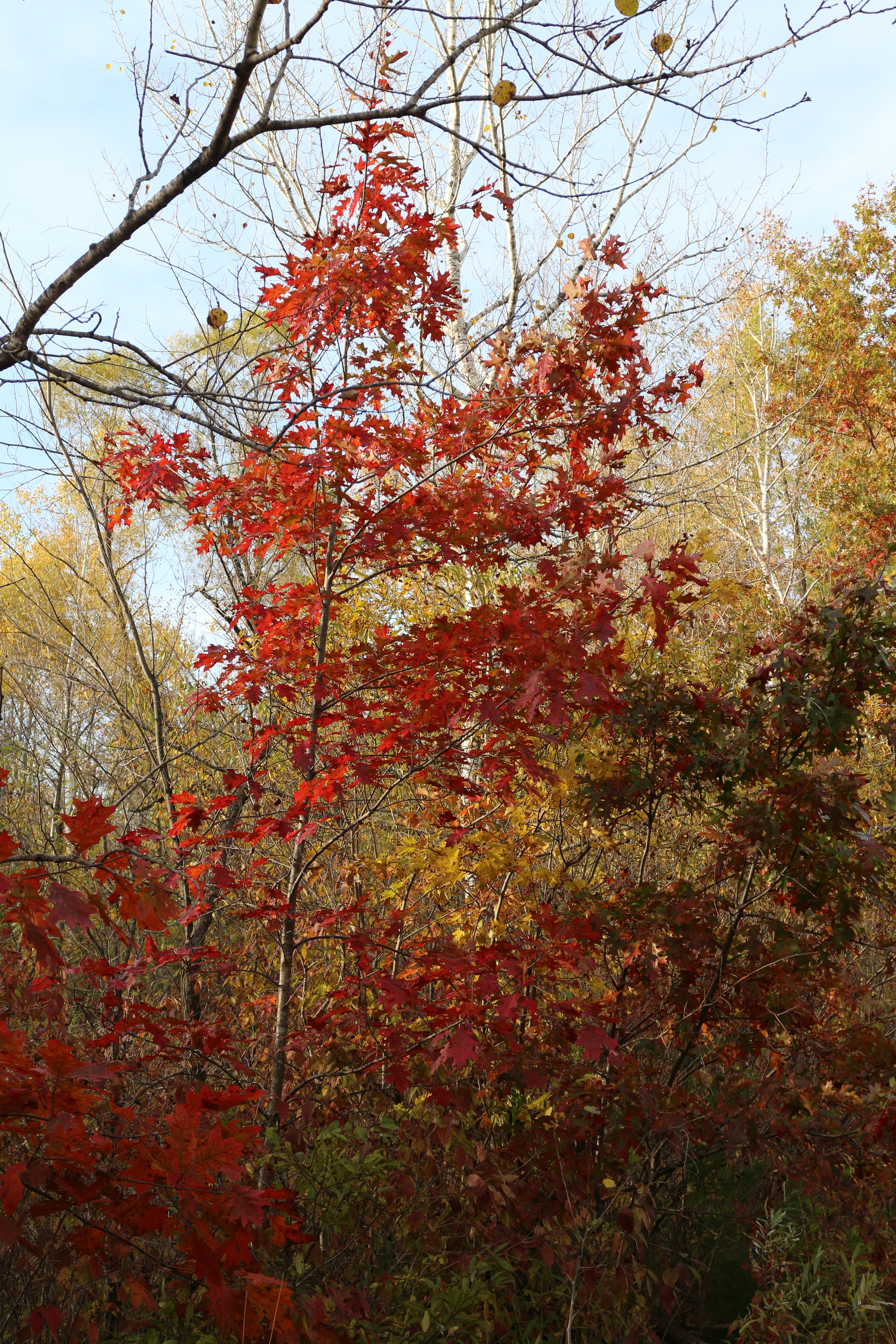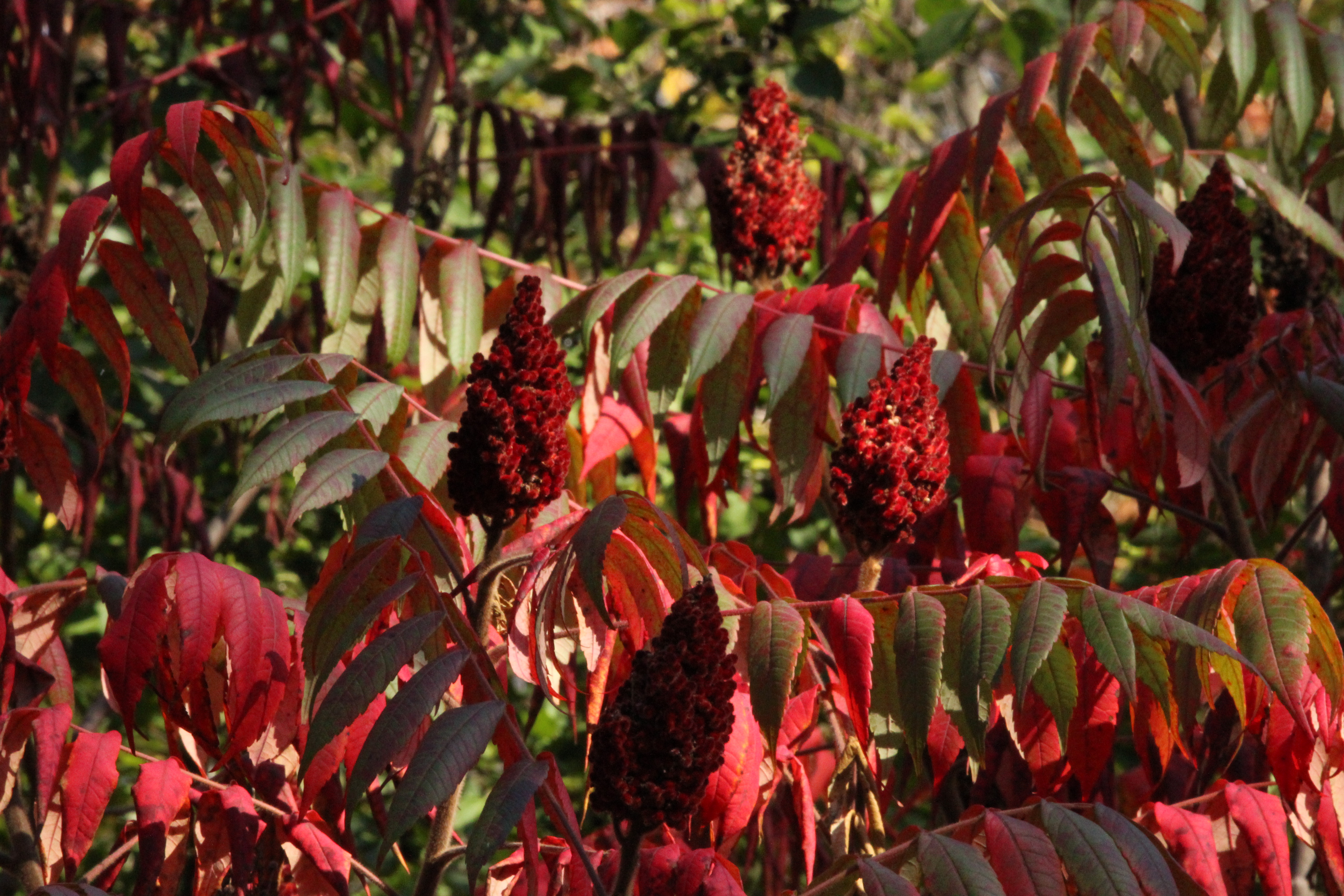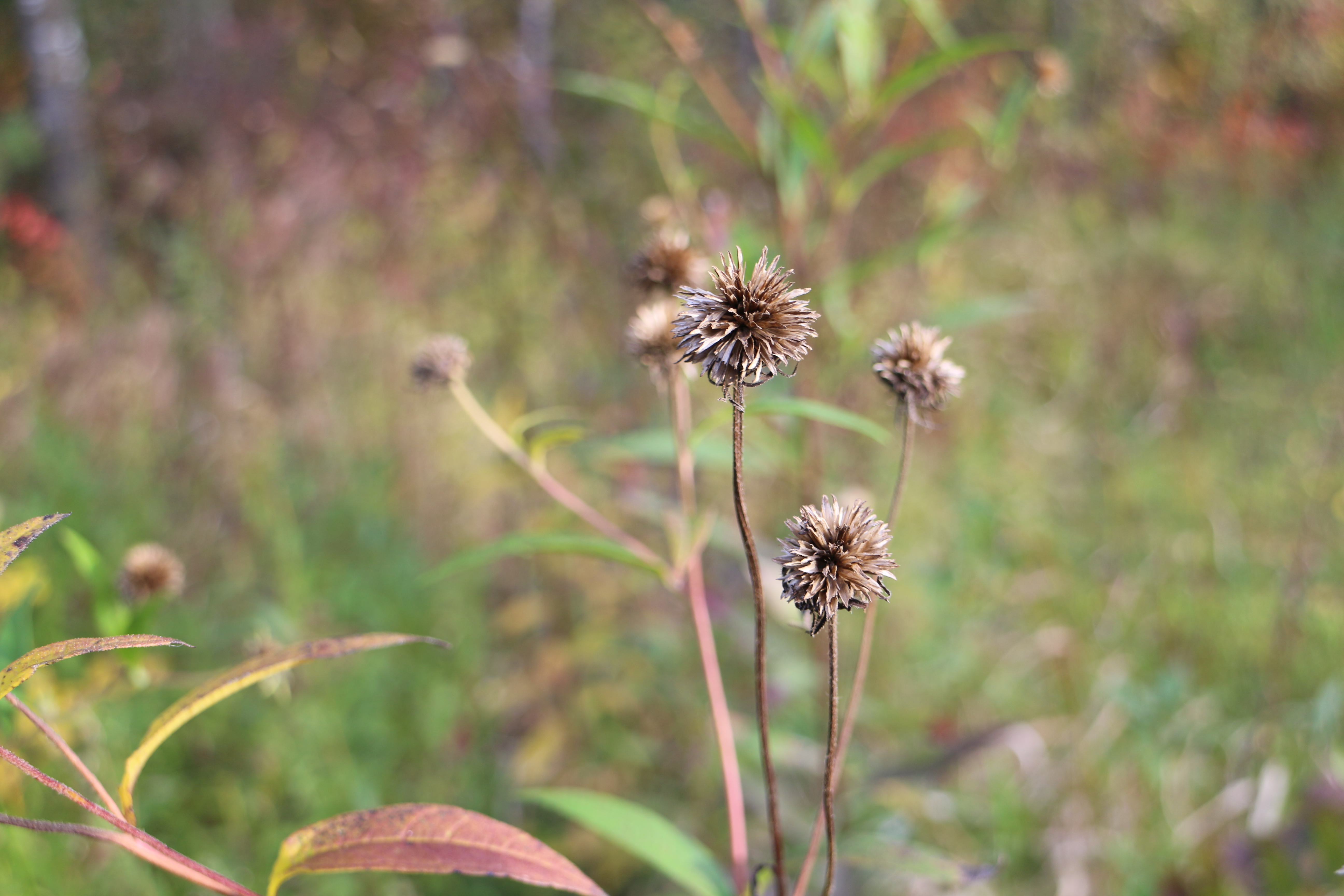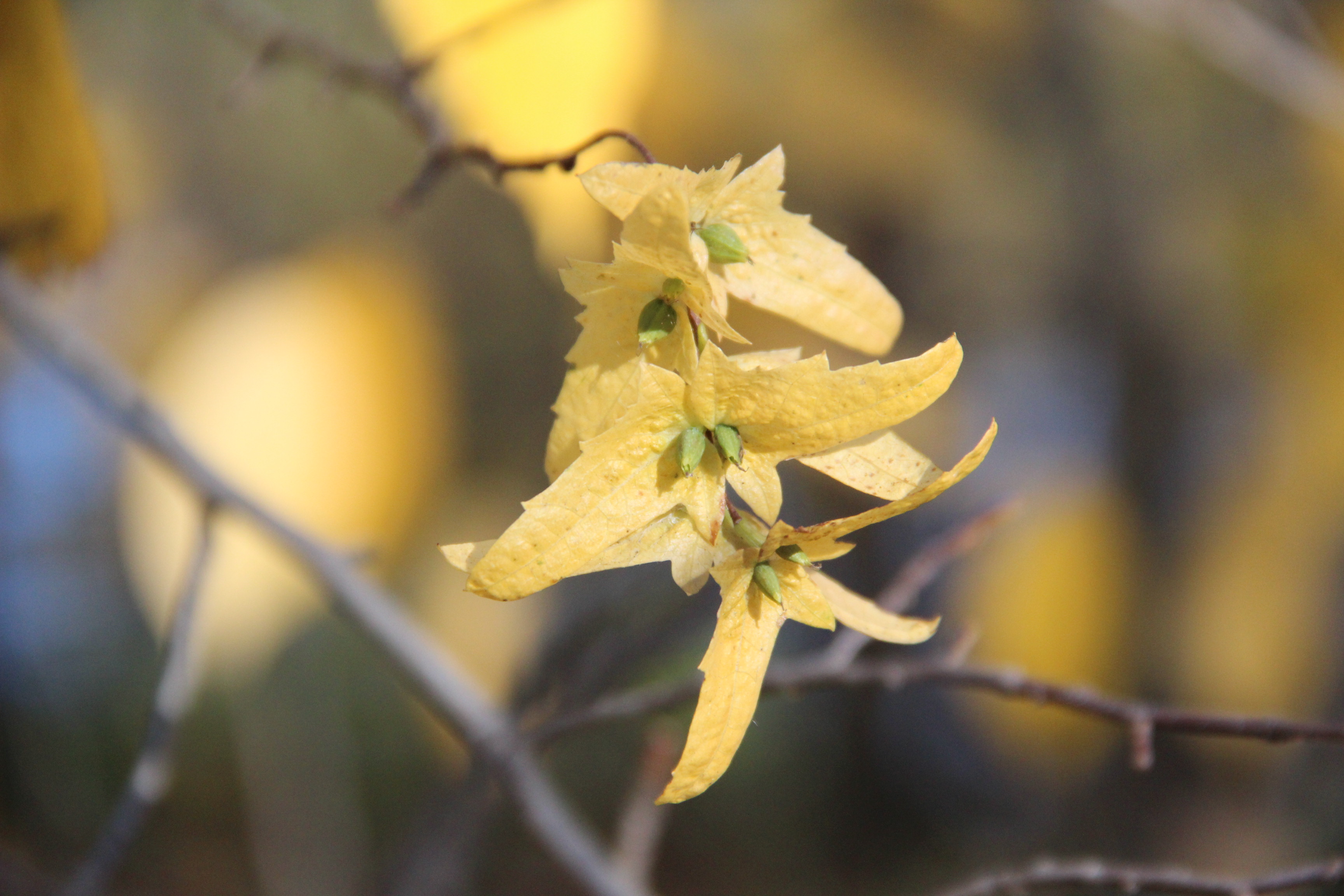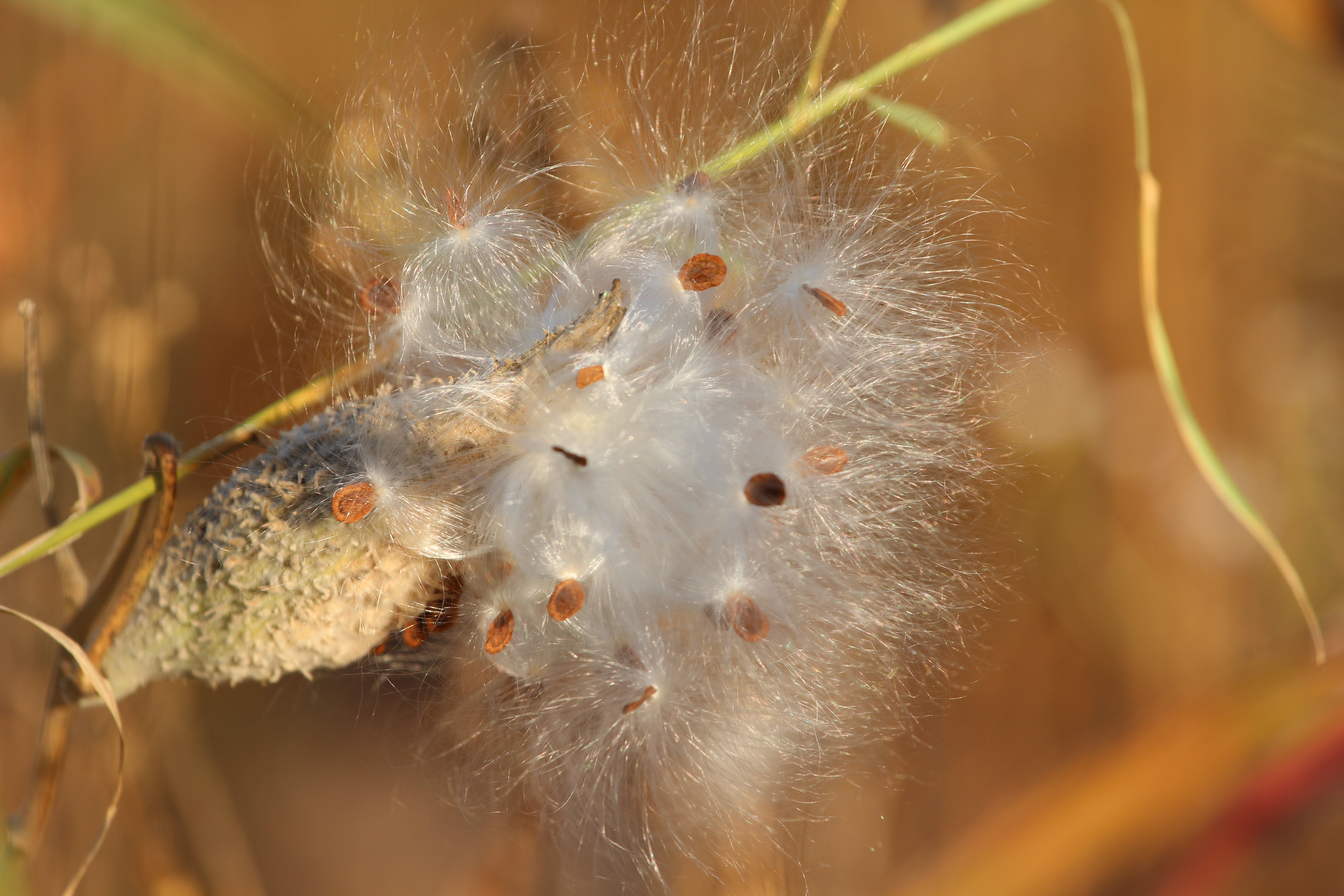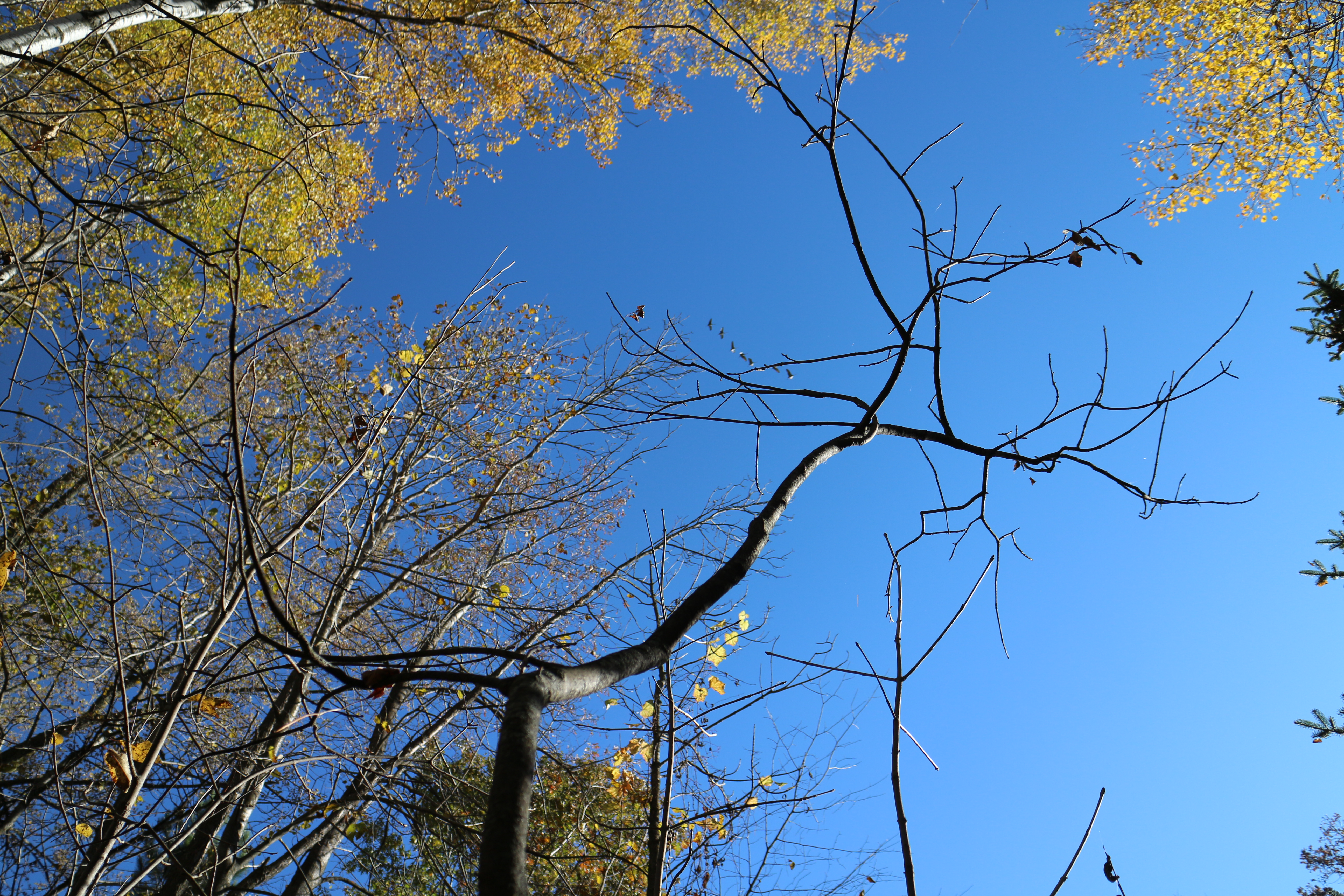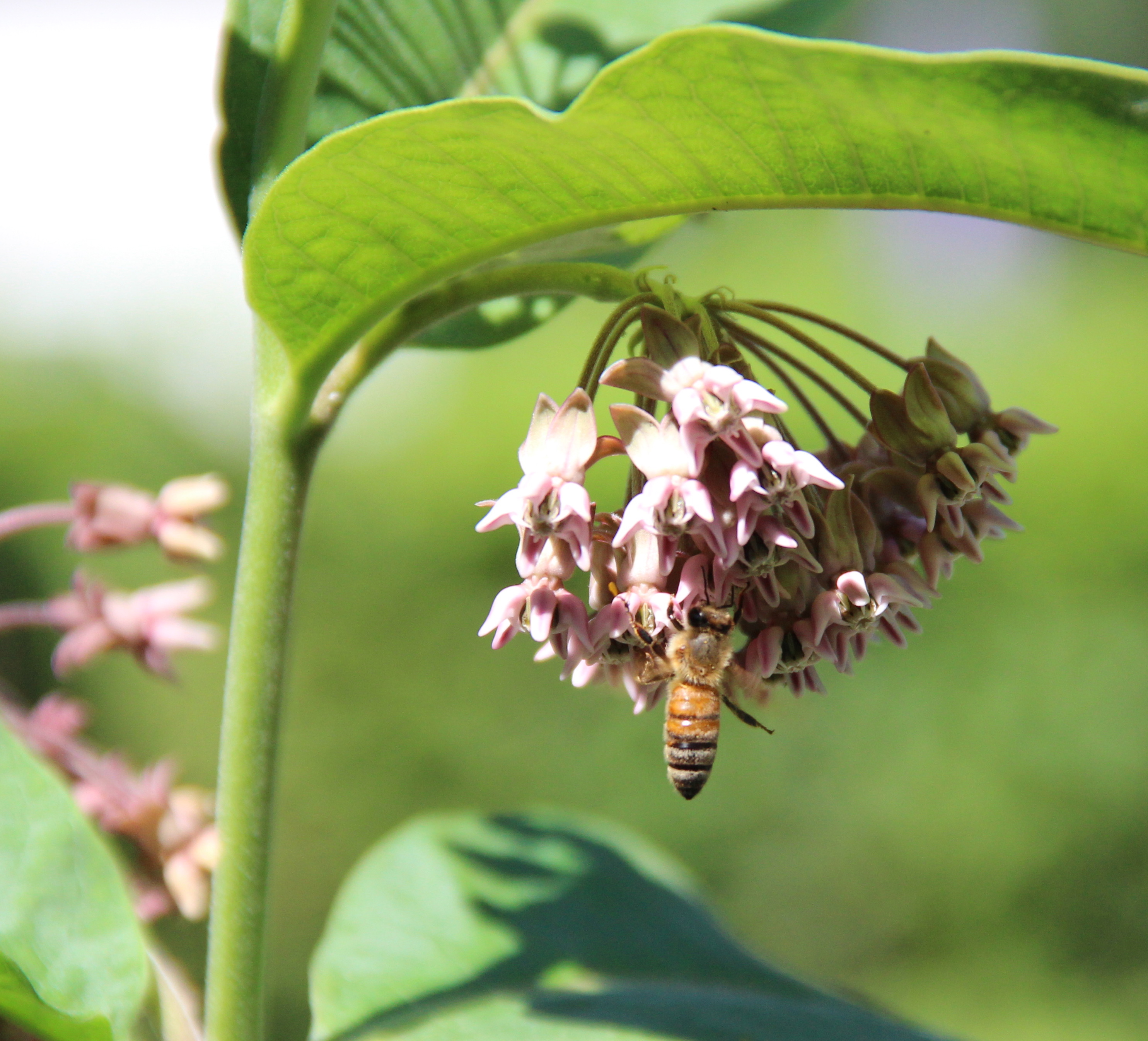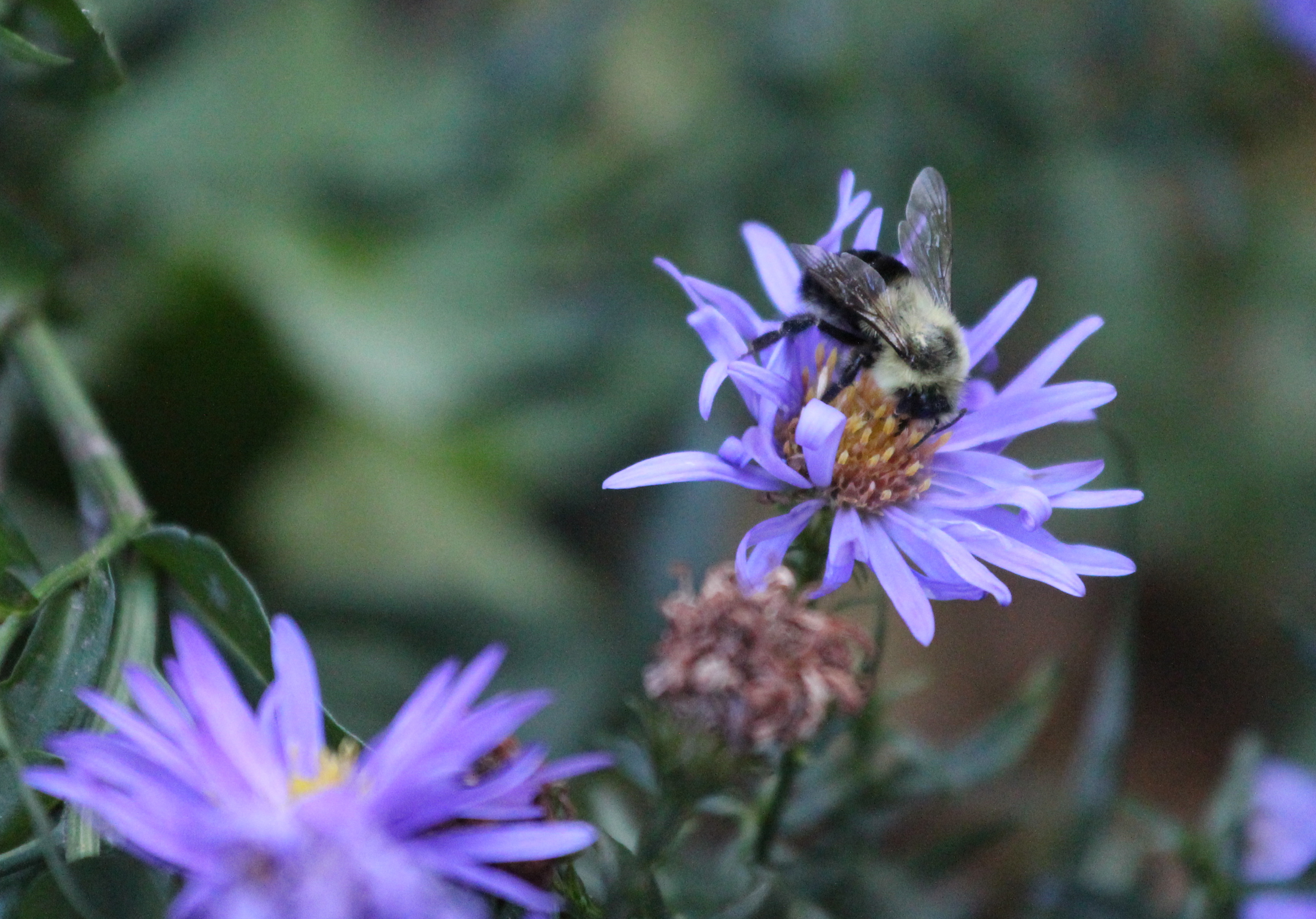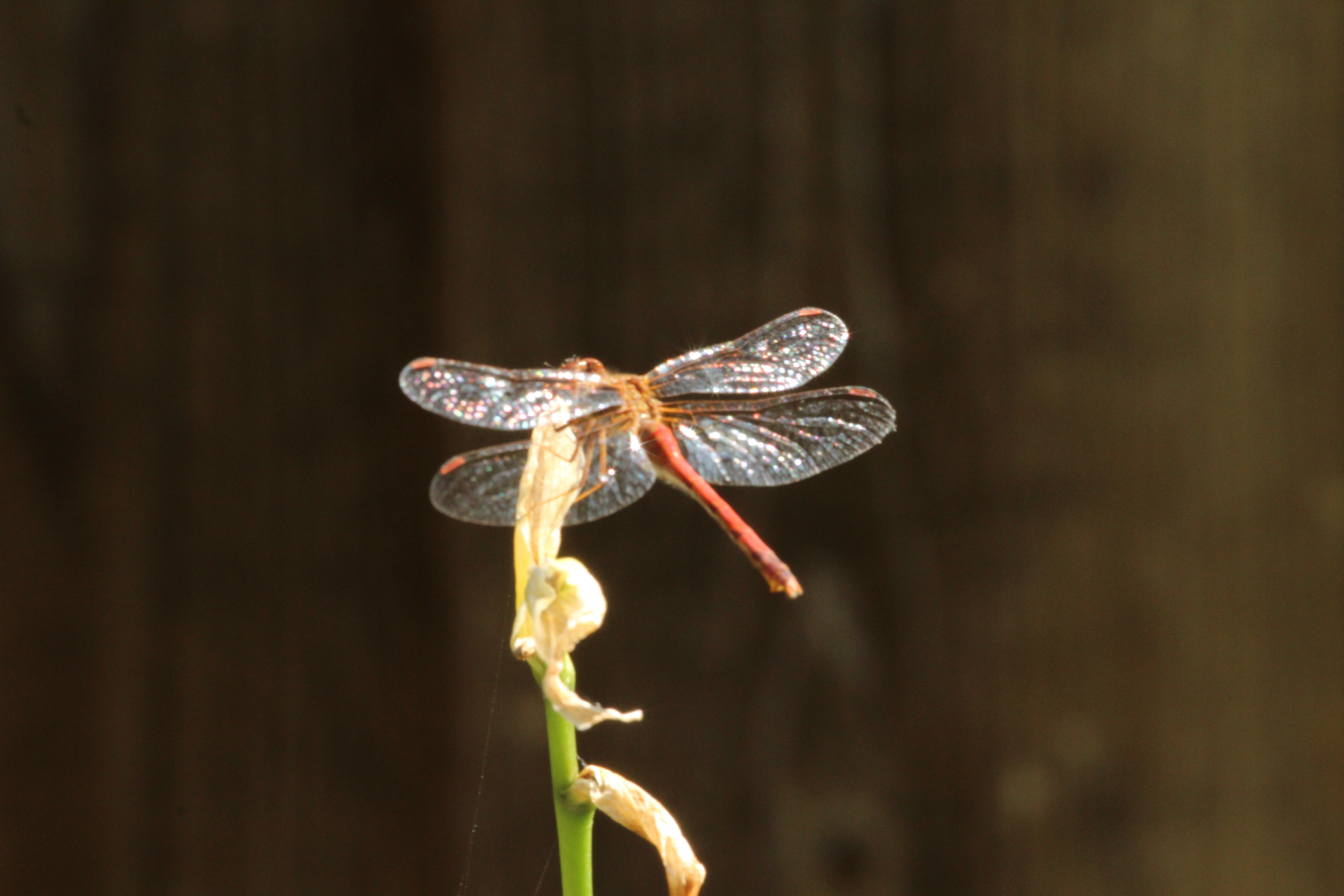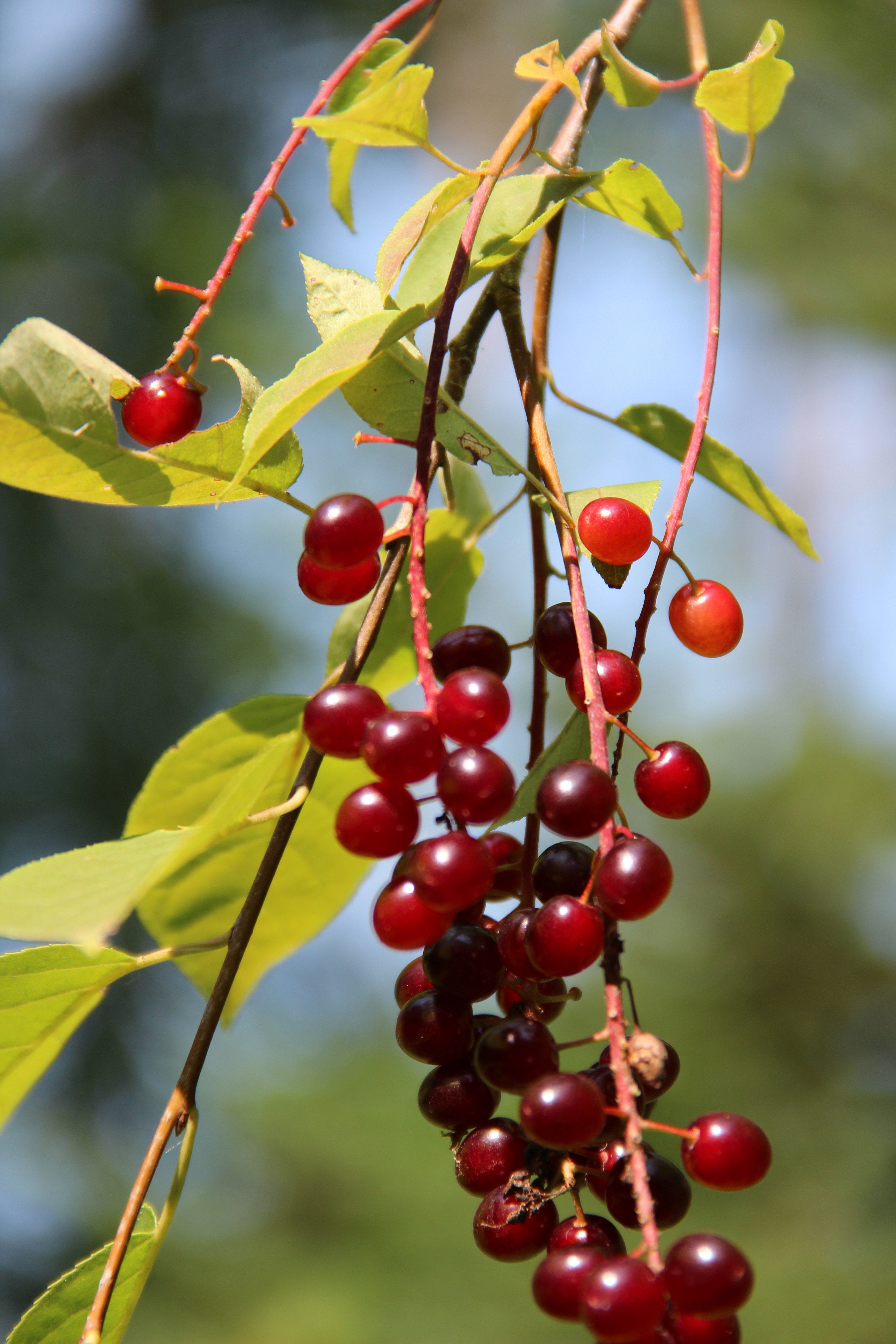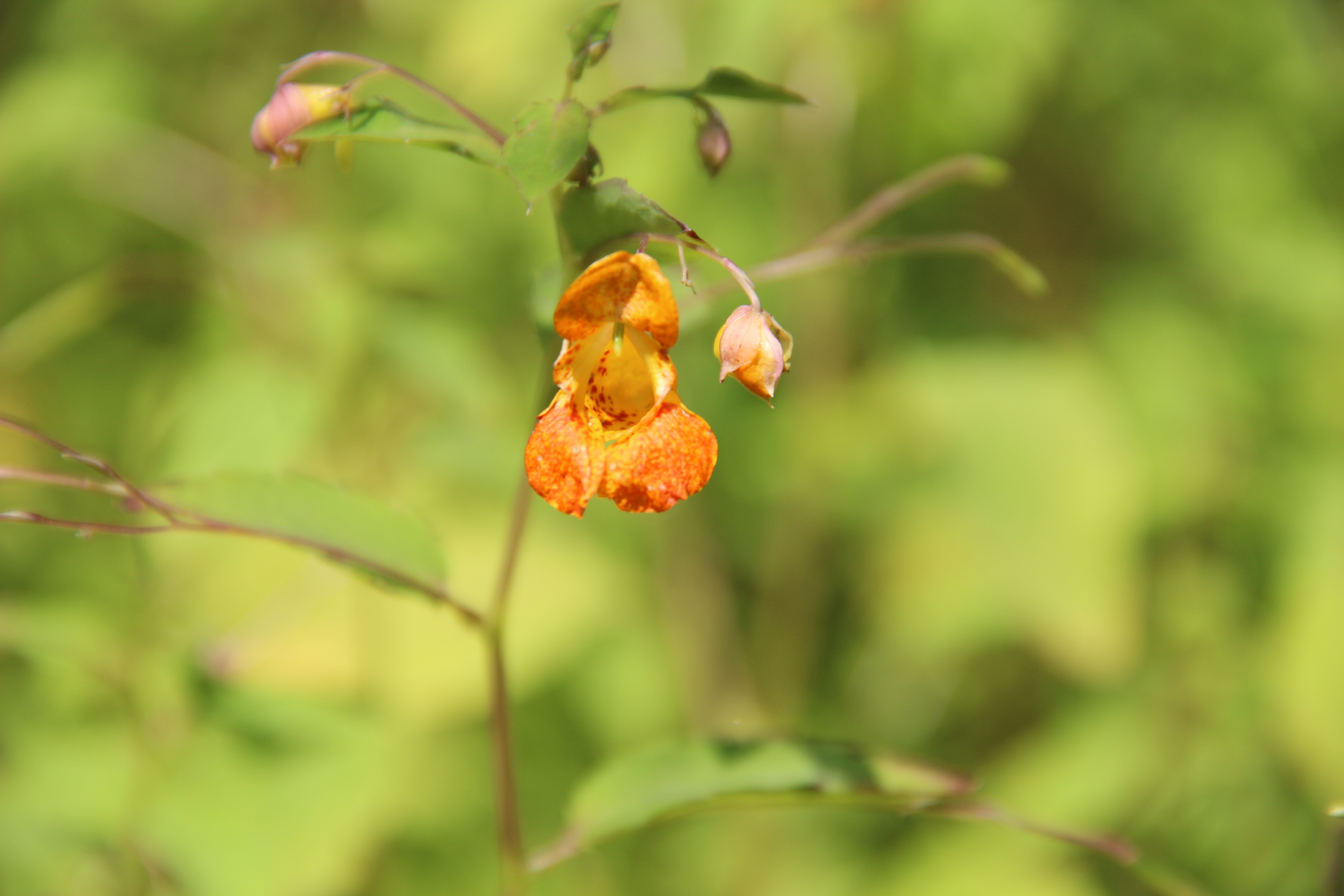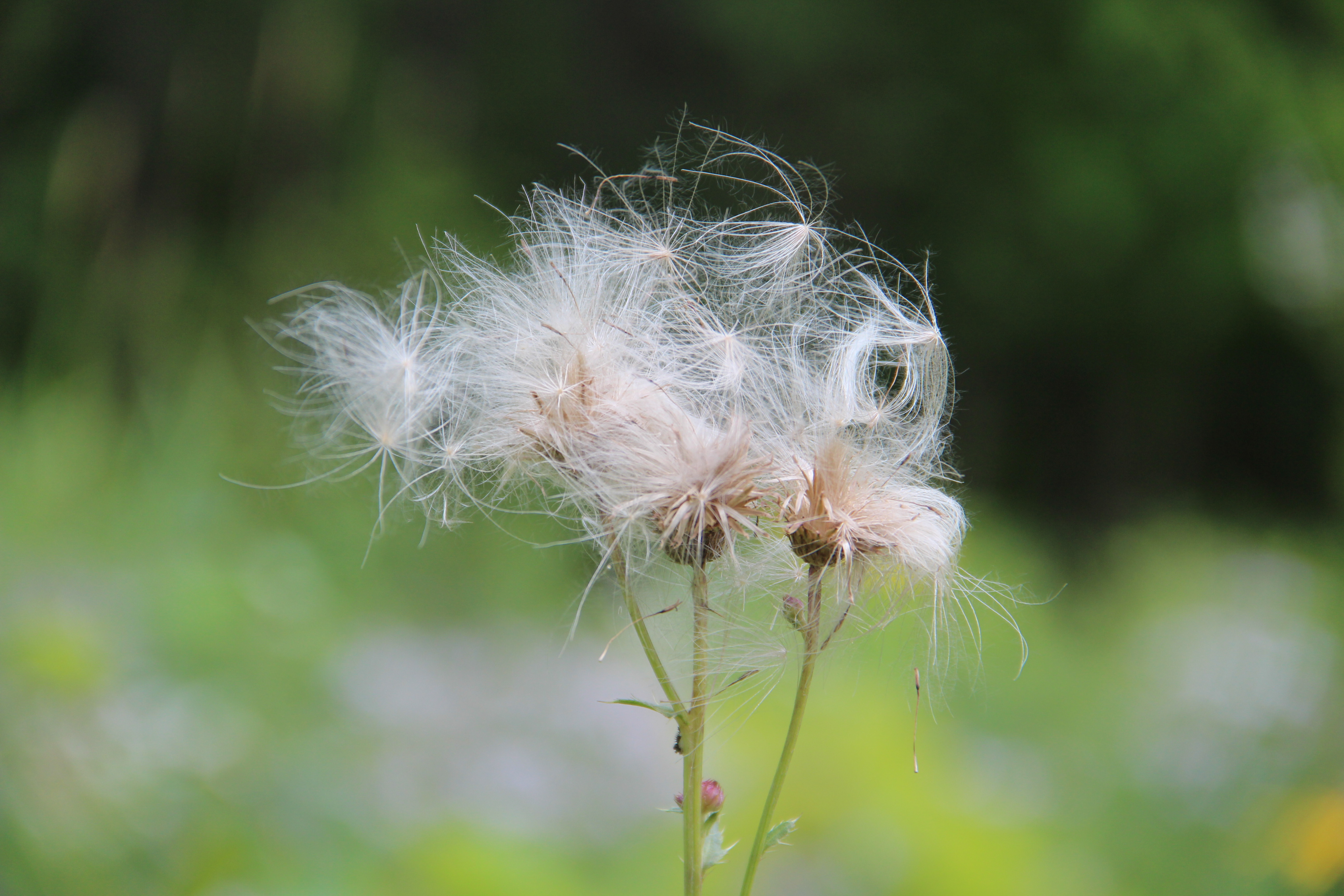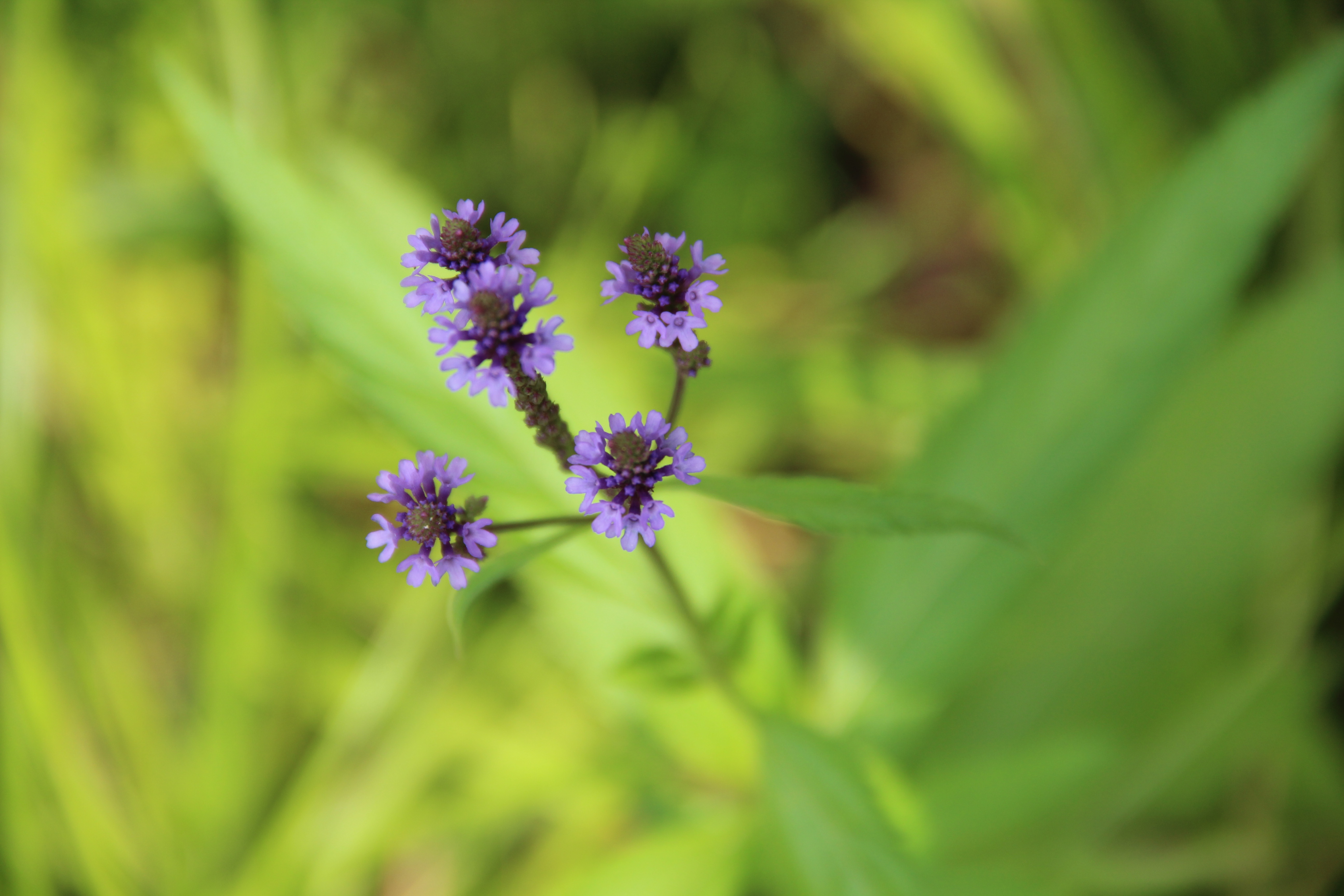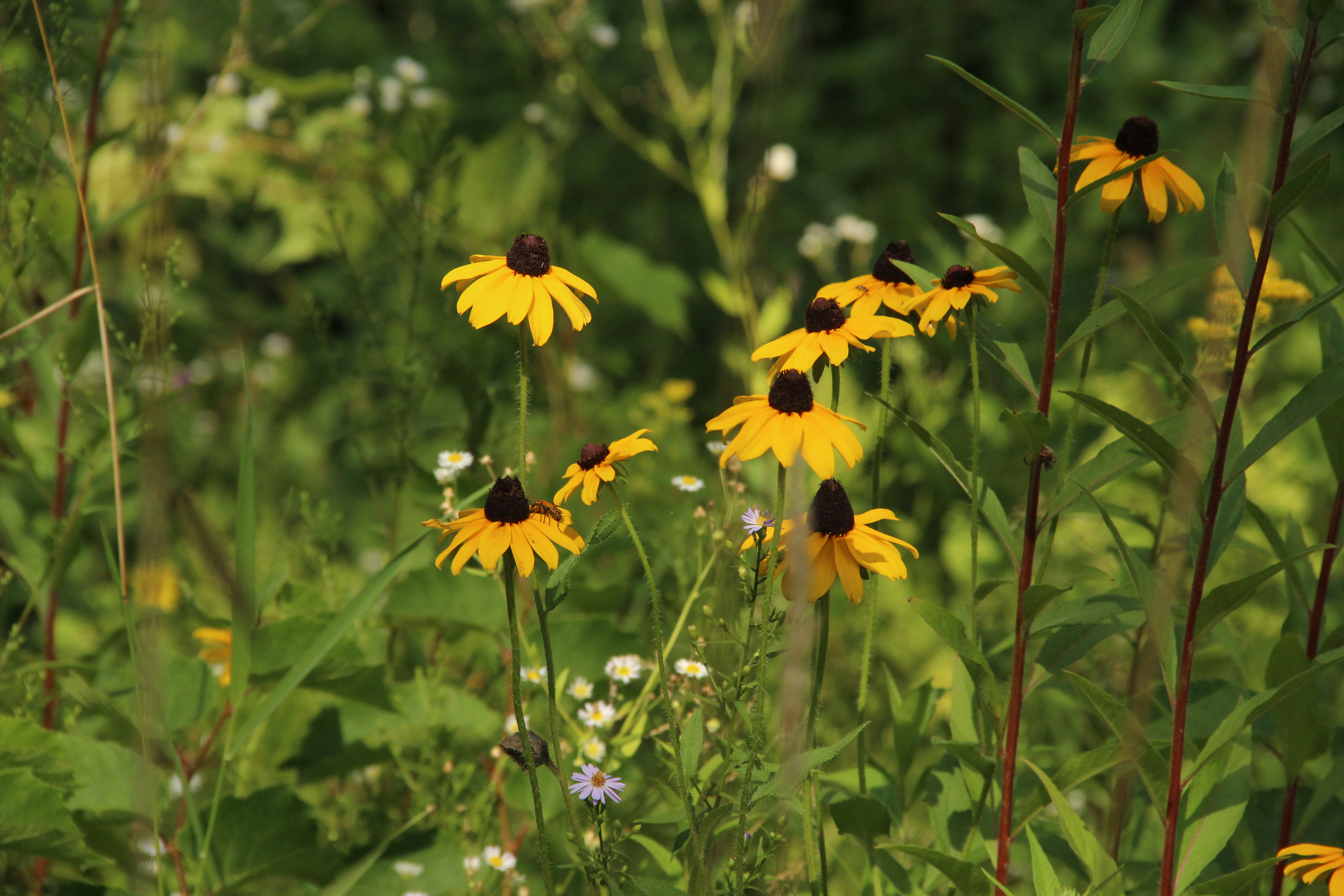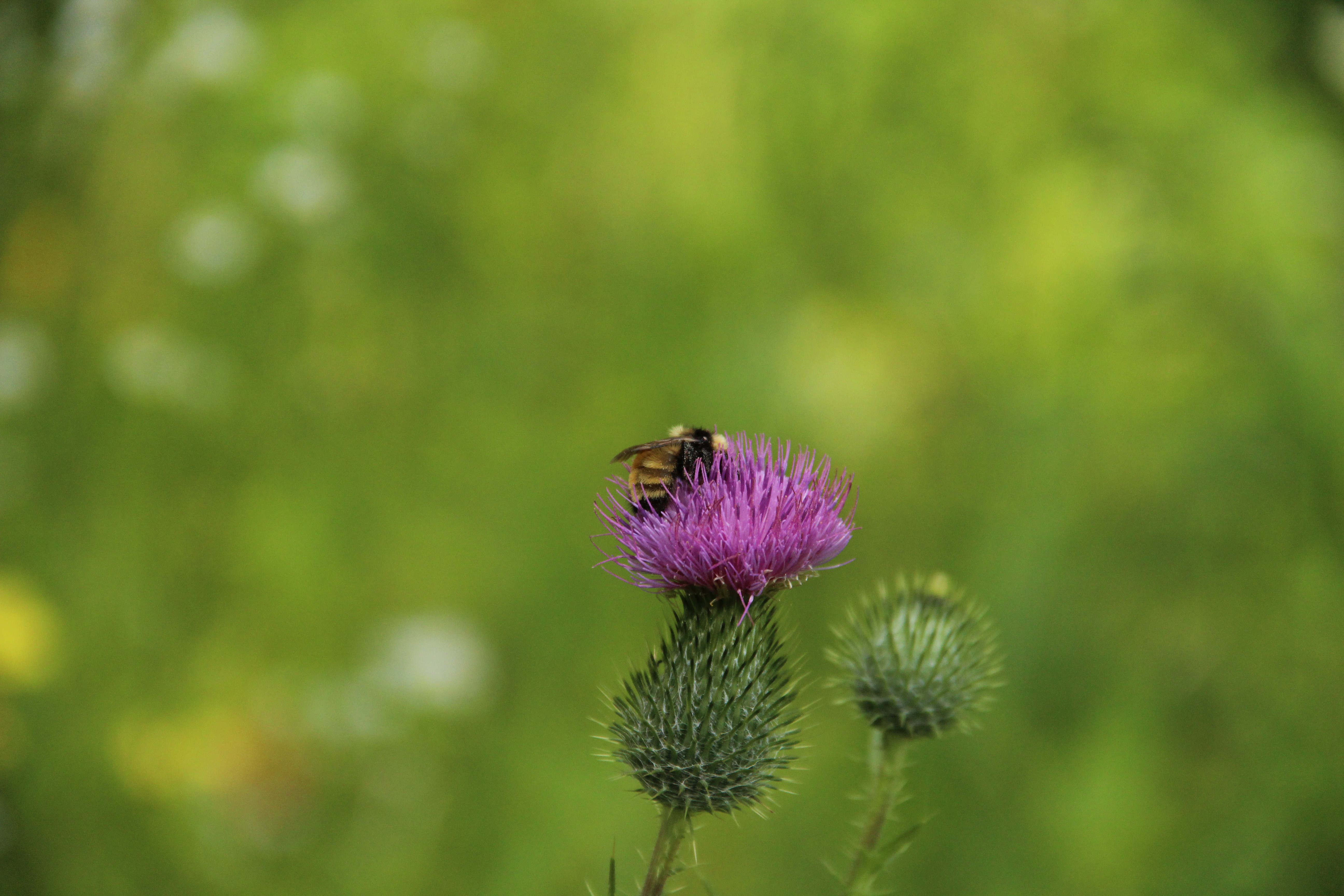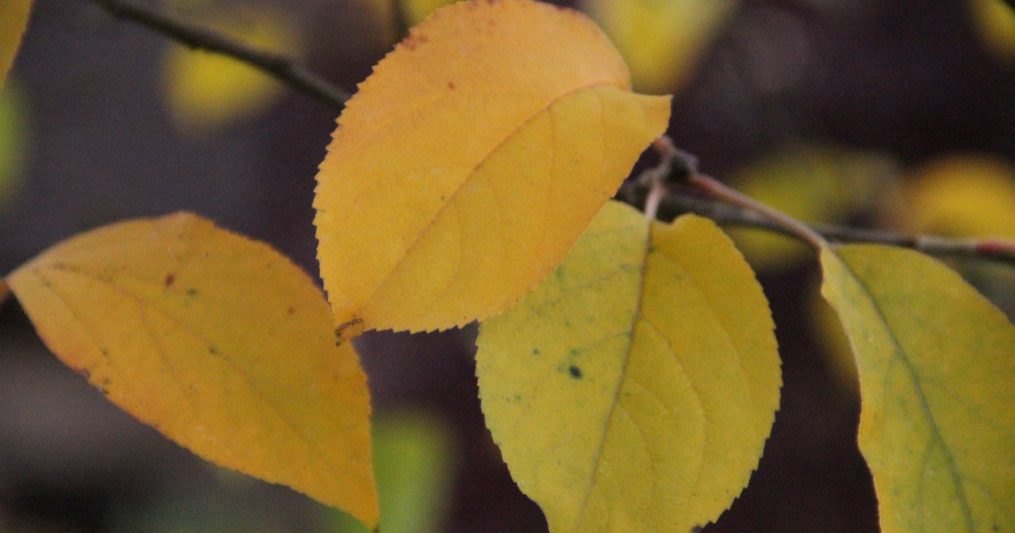
One morning last week, I walked in our garden between bouts of rain. I wanted to enjoy the warm, mild air before a cold front rolled in that evening. Chipmunks had retired to their underground dens, birds were quiet, and I saw no insects. The exposed wet earth in the gardens smelled almost as fresh and pungent as in spring. Oregano and sage still scented our little herb garden. (I miss the aroma of fresh herbs so much during the winter.) A few bright patches of color accented the beige, russet and brown of mid-November, tiny remnants of a beautiful summer and autumn. I am so grateful for gentle autumn days and memories of a lovely, bountiful growing season. What nature and garden memories bring gratitude to your mind and heart?
Author: Beth
Late-Autumn Insects
Last week, the coming winter teased us with snow flurries mixed in with the rain. But, during the first week of November, the temperature rebounded to the 70s. The breeze is gentle, the afternoon sun is hot and a few insects are active in some sun-warmed patches of our backyard.
On the garden’s last purple coneflower, a yellow-green, spotted beetle, similar to a ladybug at first glance, nibbles on the coneflower’s center. It is a spotted cucumber beetle (Diabrotica undecimpunctata). And, though it’s a garden pest, it won’t survive the Minnesota winter, so I let it stay. It looks beautiful on the deep magenta bloom.
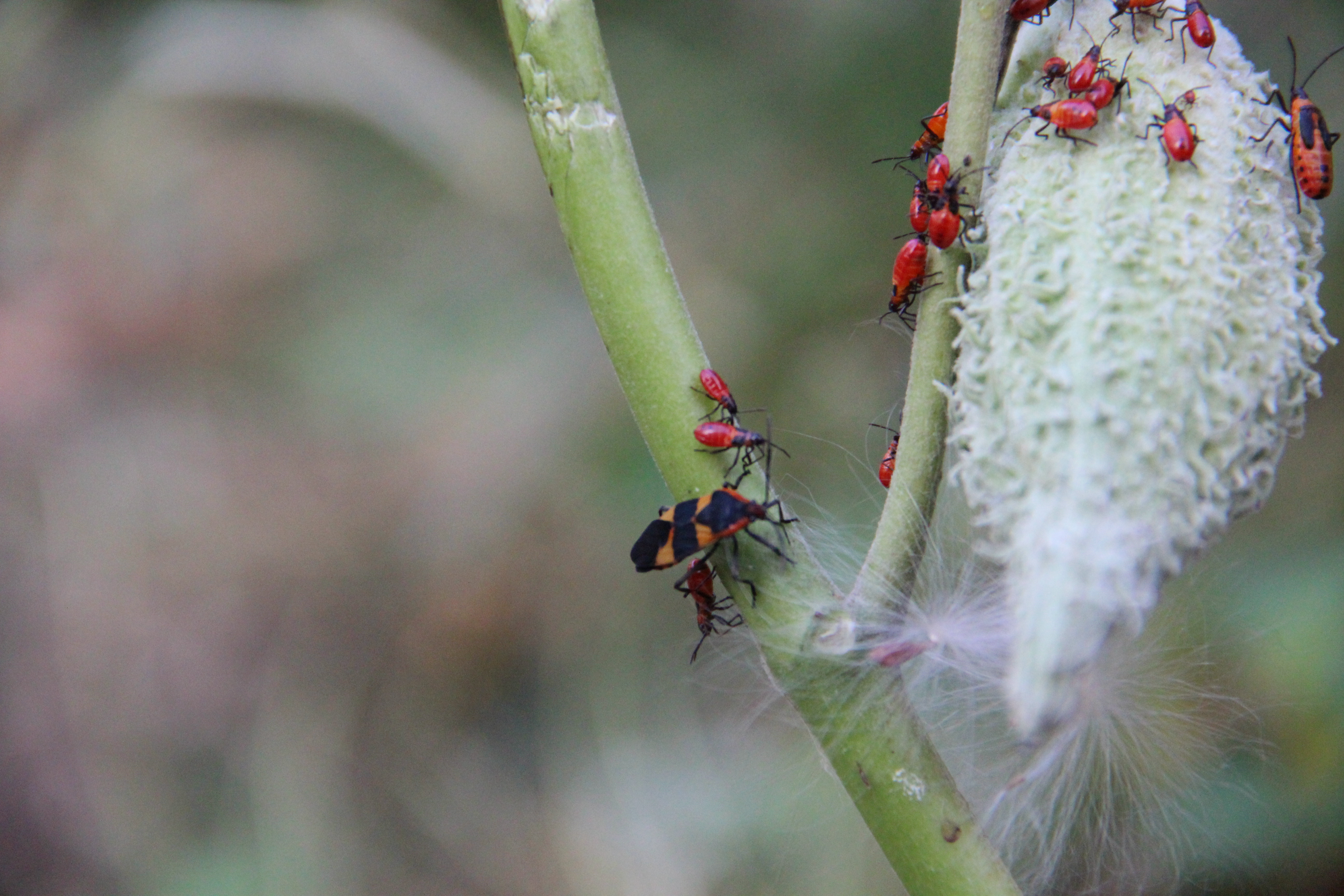
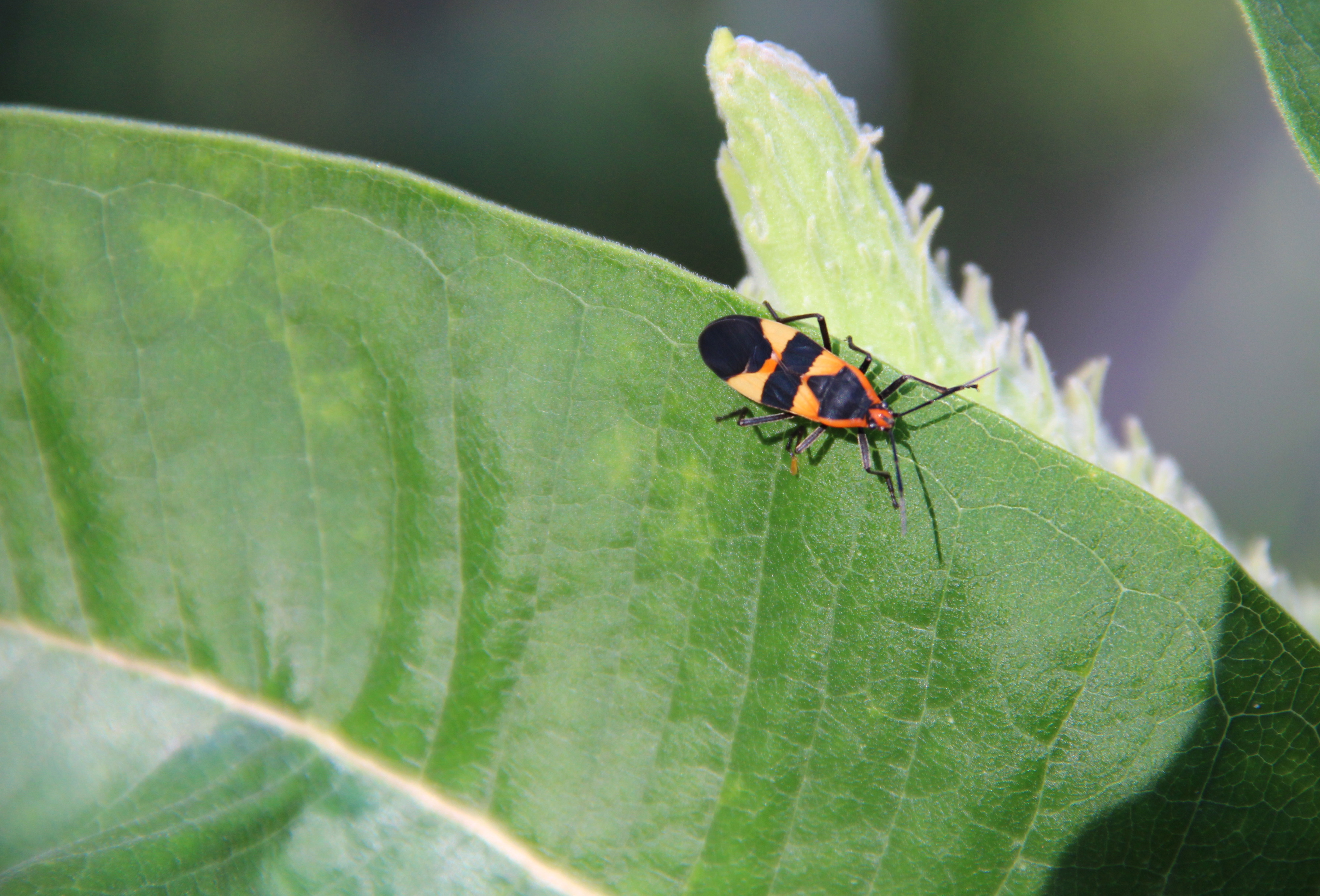
Across the yard in another sunny spot, bright red insects huddle together on a common milkweed pod. They include three different developmental stages, or instars, of the same insect, the large milkweed bug, (Oncopeltus fasciatus). They use a tubelike mouth to inject digestive enzymes into the pod and then suck out the partially digested plant material. Because they eat milkweed, they have the same toxicity found in monarchs and other insects that dine on the plant. When I first noticed them a few weeks ago, I thought they were red aphids until I spotted an adult on the pod. Over time, they began to grow larger, develop black markings, and become darker red. Like the spotted cucumber beetle mentioned above, the large milkweed bug is migratory and those still here won’t survive our northern winter.
The orange shells of Asian lady beetles (Harmonia Axyridis) glow where they’ve settled on the sun-warmed brick of our house and on a few hardy garden plants. Unlike the insects mentioned above, these beetles survive the Minnesota winter. They were introduced into the southern United States in the mid-1900s to help control agricultural pests and first appeared in Minnesota in the 1990s, according to University of Minnesota records. To some people they’re pests because the beetles often find a way inside in the autumn. But, they also eat aphids found on trees, in gardens and on agricultural crops. The easiest way to distinguish Asian lady beetles from native species is by an “M” or “W” mark (depending on the viewing angle) on the thorax between the head and abdomen. (More about Asian and native ladybird beetles in another post.)
Glimpses of a Mid-October Afternoon
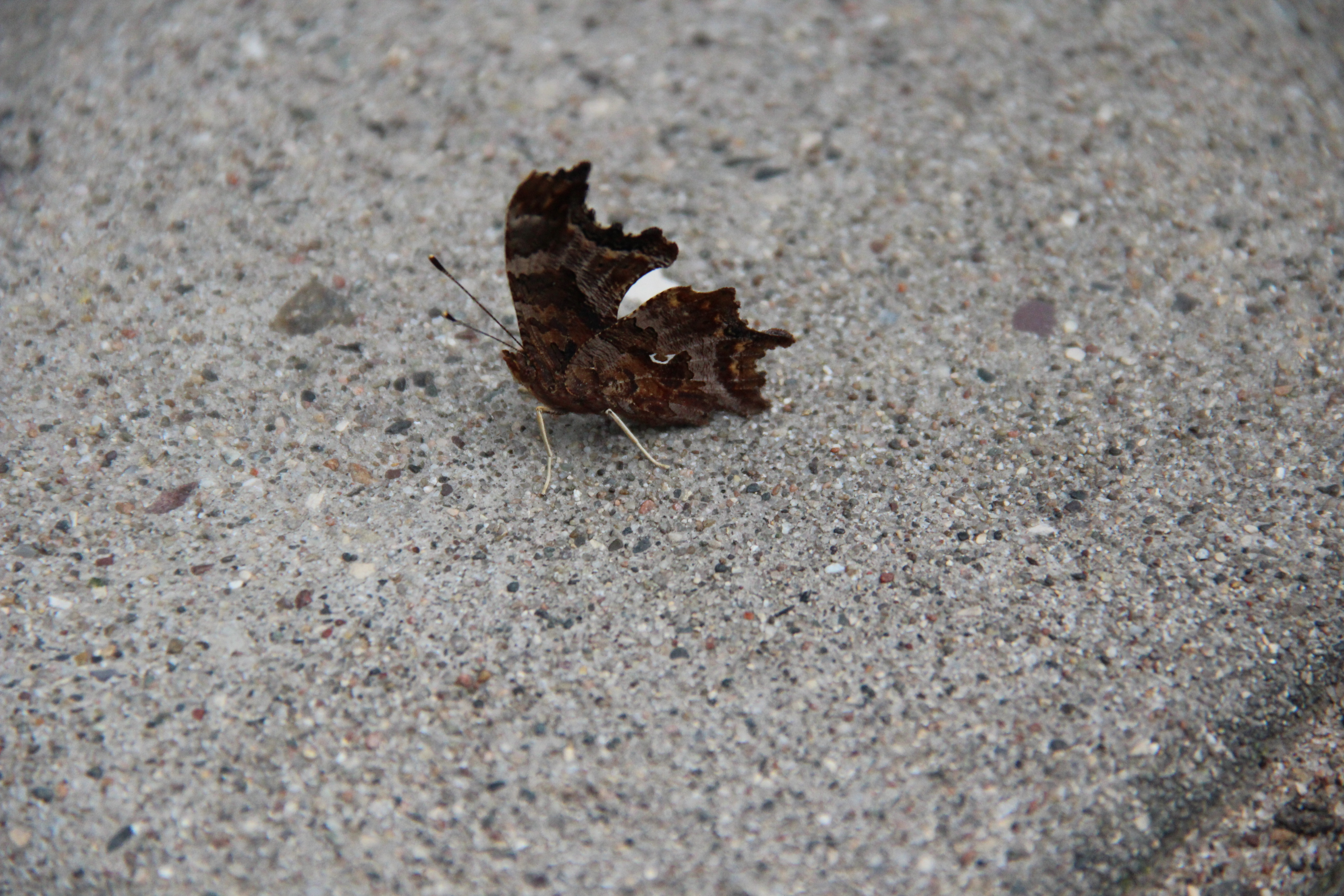
The breeze feels like August; warm, close, comforting. But the sun and the landscape reveal the day’s true identity: mid-October. Deep red, maroon, cranberry, orange and yellow leaves replace the myriad greens of summer. A few tattered wildflowers remain, but most have given way to sharp, sturdy seed heads in shades of brown and cream. Thick, warty milkweed pods crack open and set free their silky seeds. The woods are much quieter now without thrushes, warblers, orioles and so many other nesting birds to sing their courtship songs. A few chickadees, kinglets, nuthatches and woodpeckers call in the trees and thickets, and small groups of Sandhill cranes bugle overhead as they fly between fields. On the bank of the Snake River in Pine County, MN, a brown morph leopard frog rests in the long grass, and a few wood ducks splash and take flight as I approach. Chipmunks scold each other as they scramble to collect and store red acorns for their winter stash. Most insects have disappeared for the season, but an eastern comma butterfly suns itself, ladybugs swarm looking for a place to wait out the winter, and hardy bumble bees seek the few remaining wildflowers. During the coming winter, I’ll hold close these memories of the sun’s gentle warmth and the glowing landscape.
2015 Monarch Journey South
Coppery orange and black monarch butterflies glow against the warm, late summer sun. Monarch migration to Mexico is underway in the northern United States. According to monarchwatch.org’s peak migration chart, at 45° latitude the greatest number of monarchs will migrate between August 29 and September 10. In St. Paul, Minnesota, I’ve primarily seen the butterflies floating beneath trees in backyards and along the streets. A few rest in our garden and nectar on garden phlox, goldenrod, snakeroot, Japanese anemones, black-eyed Susan’s and Joe-Pye weed, which appears to be their favorite.
Will this year’s migration numbers be higher or lower than 2014’s? It’s easy to help scientists track the data by contributing your own monarch migration observations. Visit learner.org’s Fall 2015 Migration Report Page and complete the short information form for monarchs. Or, if you’re just interested in how 2015 fall migration is progressing, you can check out the latest information on their Fall 2015 Maps and Sightings page.
Rainy Evening Gift
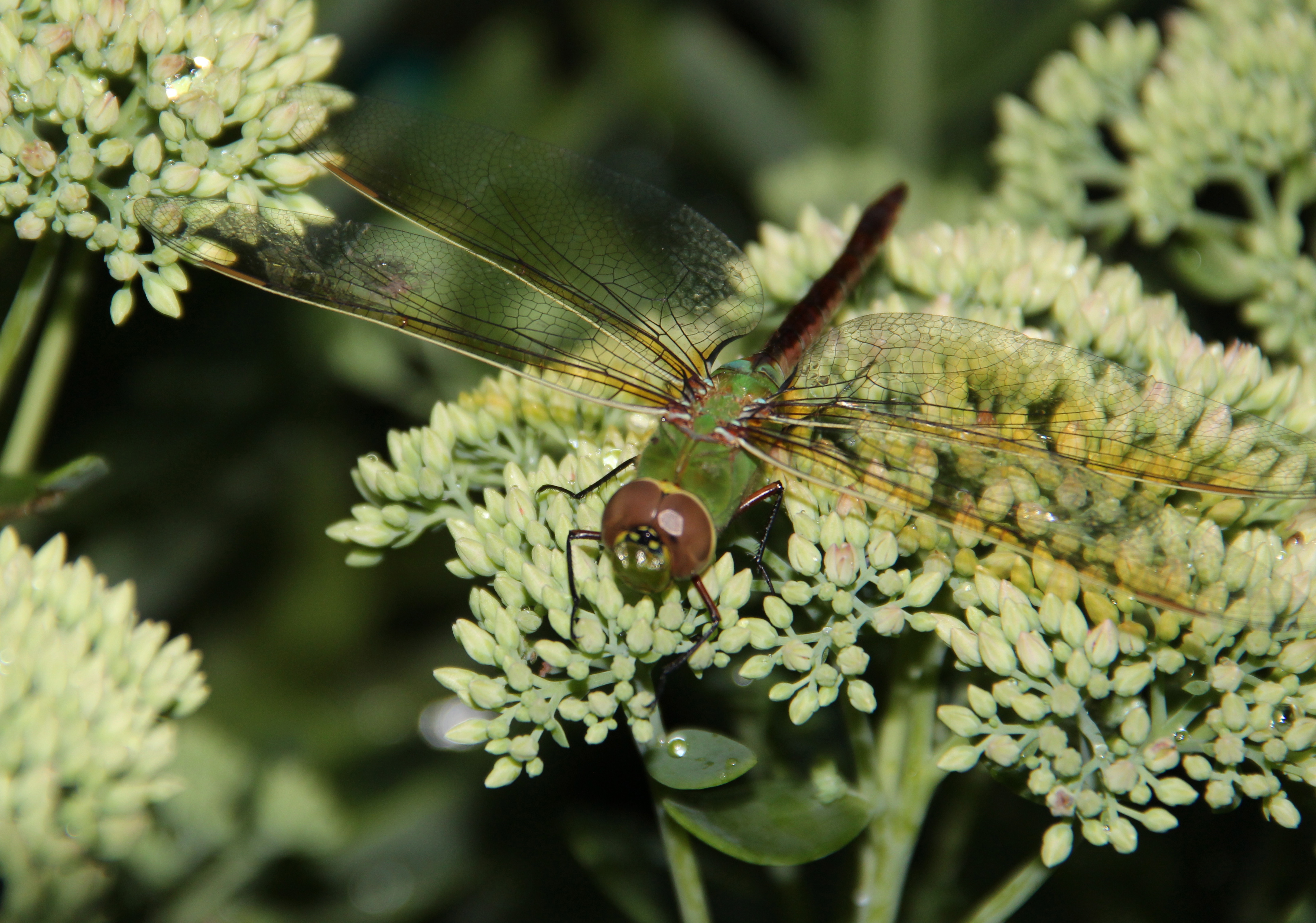
The backyard was lush and green after the week’s heavy rain. The air felt chilly and damp as I picked up windfalls from our beacon apple tree. Soaked, bedraggled bumble bees and long-horned bees clung to Joe-Pye blossoms and the undersides of leaves. Only a few crickets chirped in the unusually cool August evening air. As I reached into the garden to pull some weeds, I felt a fluttering against my fingers and heard the slightest rustle of wings. Barely grasping my fingertips was a beautiful green dragonfly —a common green darner. Its aqua-green thorax and dark maroon abdomen hinted that it was probably a female or juvenile. I thought it was injured, or perhaps dying. Gently, I held my hand next to some sedum plants. The dragonfly struggled onto the flower buds and I left it for the night.
In the morning, the green darner was gone. I found no scattered wings or chitin, no other remains in the garden to indicate that it had been eaten. I believe that the sun’s warmth revived it. Since then, I’ve glimpsed a large dragonfly zooming over the garden on several different days; perhaps it is the same one. I hope that it lives to make the long migration flight south to the Gulf Cost in September.
Variety in an Urban Milkweed Patch
Most of us learned about the special relationship between monarch butterflies and milkweed plants when we were young children — and just about anytime I look in our garden, monarchs sail among the milkweed. Females lay eggs on the underside of leaves and monarchs of both genders sip the plant’s sweet nectar. But milkweed isn’t just for monarchs! It also provides a place for many other creatures: A few that are immune to its toxicity eat it; others drink its nectar, depend on it for reproduction, watch for a meal, or simply rest. Here’s a sampling of critters living in our backyard milkweed in early August. What’s in your milkweed patch??

The adult red milkweed beetle (Tetraopes tetrophthalmus) eats milkweed leaves, buds and flowers. Its larvae eat the plant’s roots.

Insects aren’t the only critters to favor milkweed nectar. Ruby-throated hummingbirds (Archilochus colubris) frequently drink it, too.
About Those Bumblers
My first encounter with a bee was not a happy one. I was five years old and Mom was mowing the clover-filled front lawn. I tried to step carefully in the clover, but my flipflop flipped up a honey bee that stung the side of my big toe. I was hysterical when I felt the jolt of pain, looked down and saw the bee on my toe trying to pull its stinger out. According to Mom, I wailed loudly enough to bring the neighbors outside. I didn’t care that the honey bee stung out of self-defense and that it would die. I was petrified of bees and their kin for many years and always avoided them.
It wasn’t until I was an adult and a gardener that I grew to like bees — especially bumble bees. Why bumble bees? It comes down to temperament. Bumble bees are large, round, fuzzy, noisy and very intent on collecting nectar. Their sting packs a wallop, but bumble bees are even-tempered and rarely sting unless they feel threatened. Many times I’ve accidentally knocked a bumbler out of a flower; the bee ignored me, flew back into the flower and resumed pollination. Once, a neighbor was cutting back old hosta stems, squeezed the faded blossoms in the process, and was stung by a bumble bee that was deep inside of a blossom. In decades of gardening, that is the only time she’s been stung by a bumble bee.
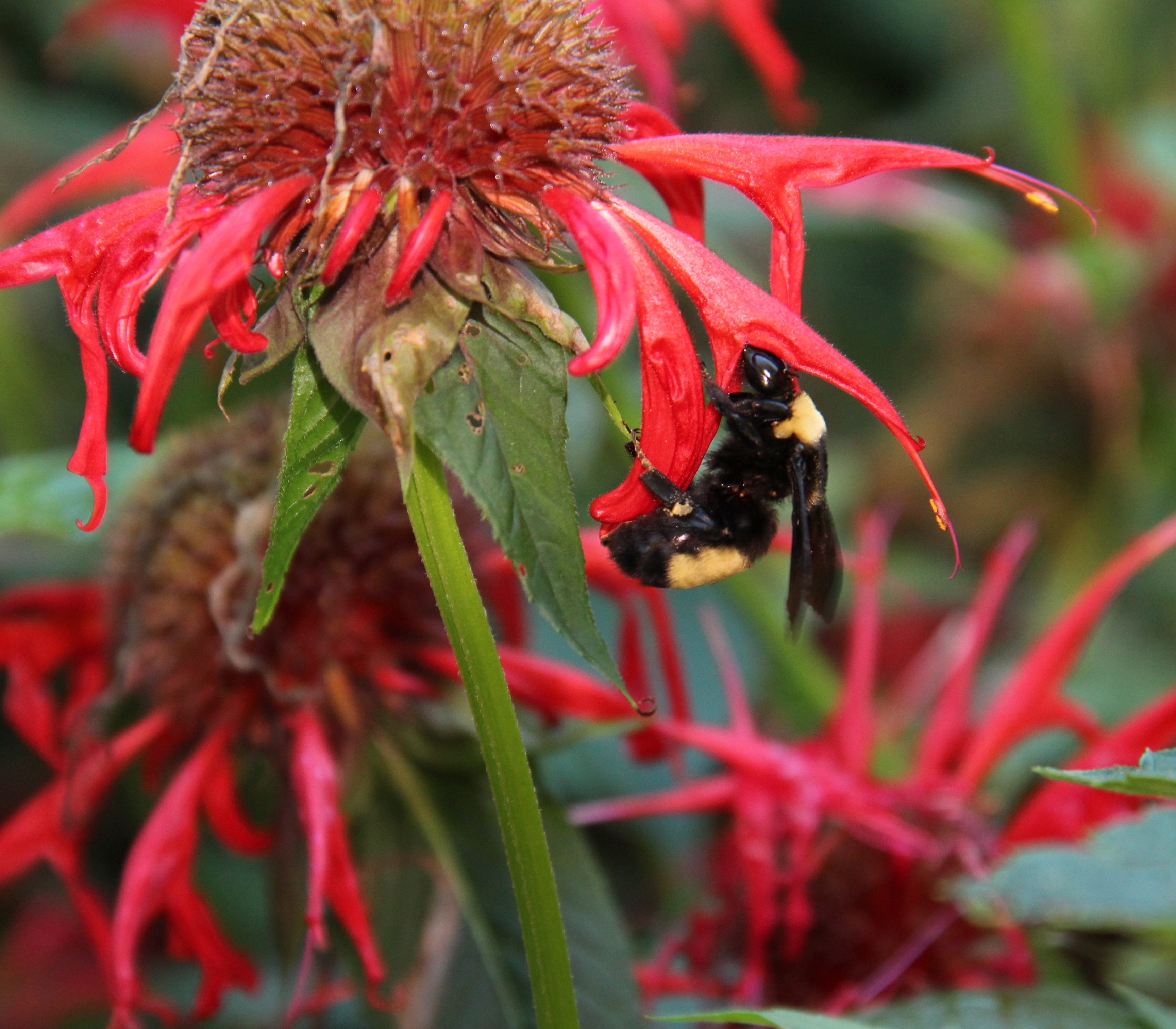
Bumble bees are native to North America, unlike honey bees, which were brought to the United States from Europe. Covered with thick, soft hair, bumble bees vibrate their strong flight muscles to raise their body temperature and fly at colder temperatures than other bees; as low as 41˚F (5˚C) in comparison to about 57˚F (14˚C) for honey bees. They pollinate flowers and crops both earlier and later in the season than most species. I love the sound of their buzzing in the autumn garden, which is much quieter now than the busy insect-filled garden of just two weeks ago. The bumble bees will fly until early November if the weather stays mild. Then, only the young queen bees will overwinter to create new colonies next spring. I miss all of the bee activity during the winter and look forward to seeing a queen bumble bee collect pollen and nectar in the first crocus next April.
Autumn Meadowhawk
The late afternoon September sun is warm and soothing. Cicadas whine loudly and a monarch butterfly nectars in our patch of sweet Joe-Pye. But another garden critter catches my eye this afternoon: the yellow-legged meadowhawk dragonfly.
Also known as autumn meadowhawks (Sympetrum vicinum), their bodies flash gem-like red, orange and amber in the sun. Perched on daylily stalks, balloon flower seed pods and hosta stems, each dragonfly swivels its head watching for flies, small bees and wasps, and other soft-bodied insects.
Adult autumn meadowhawks are present from August into early November in Minnesota. The species is common across much of the United States and southern Canada, and often is seen in yards and gardens. Their yellow or brownish legs set them apart from other types of meadowhawks, which have black or dark-striped legs. They also have minimal or no black marks on the abdomen.
When I see a meadowhawk flash in the garden, I think of the ancient history of these creatures. Scientists believe that early dragonflies (Protodonata) first inhabited Earth 300 million years ago. They speculate that Earth’s warmer temperatures, and the atmosphere’s higher oxygen content, contributed to insects growing larger than today. Fossils show that some ancient dragonflies had a wingspan of two feet. Today, most of the larger dragonflies have a wingspan of two to five inches, and meadowhawks are smaller yet at about one inch. What they lack in size they make up for in the sparkle of sun on their transparent wings and the jeweled designs of their bodies. And, after watching a meadowhawk grind up a small bee in its jaws, I’m glad they’ve evolved into smaller predators!
Pileated Acrobatics
The bush seemed too weak to support the pileated woodpecker’s (Dryocopus pileatus) size and heft. Catbirds, robins, chipmunks and squirrels easily picked the ruby and purple fruit from the spindly chokecherry branches. But, the crow-sized woodpecker struggled to alight and balance in the bush. Its black forehead and mustache stripe identified this pileated as being a female. First, she flew straight into the bush, but the branches bent and sank under her weight. Next, the woodpecker landed in each of the bur oak trees that flank the chokecherry and then dropped into the bush; still unsuccessful.
When we returned to our cabin on the Snake River the following weekend, she had solved the problem. Sometimes the pileated used her wings and tail to brace herself — even hanging upside down. At other times, she seemed to pluck the fruit from midair. The beauty of her wings unfurled in waves of ivory and black that thwacked the air. Her red crest glowed like a flame in the bush.
Though pileated woodpeckers primarily eat insects such as carpenter ants and beetles found in bark, they also eat a variety of berries and fruit, and sometimes visit our backyard suet feeder in St. Paul, Minnesota.
Our deck is just 6 feet from the bush, and if we were silent and still, the woodpecker payed no attention to us. When I tried to photograph her she flew immediately. As a result, I had to photograph her through the cabin windows, which reduced photo quality.
August’s Beauty
August’s warm, sunny days hum with insect activity. Many kinds of bees and wasps, butterflies and grasshoppers inhabit the colorful swaths of wildflowers and grasses along country roads. The buzzing of bees is soft against the louder trills and whirs of crickets, grasshoppers and gray tree frogs. Scents of sweet clover and grass fill the air. Here is a sampling of the beauty my husband and I enjoyed when we walked along the road near our cabin on the Snake River in Pine County, MN, last weekend.

Native big bluestem (Andropogon gerardi) is also called turkeyfoot grass due to the shape of its seed heads.

Non-native rabbit-clover (Trifolium arvense) is a low-growing plant that provides color along dusty country roads.