Nature: Looking Back at 2013

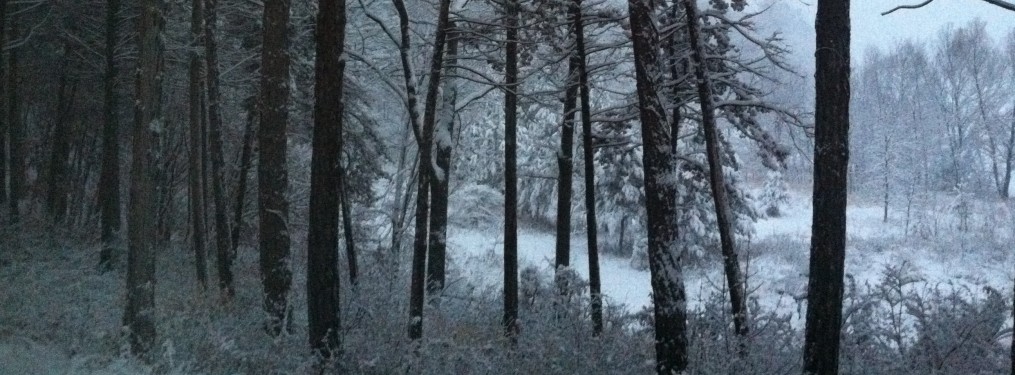
Snow, ice and cold blanket Minnesota now, but last June through October the woodlands bustled with life.  From unfurling ferns, to hummingbirds and harebells, to the changing Snake River and autumn woods in Pine County, MN, here are a few of nature’s simple gifts in 2013 that I recall with gratitude — and look forward to seeing again in 2014.  Happy New Year!

Trillium grandiflorum blooms at the base of a burr oak.

Large-flowered trillium (Trillium grandiflorum) and early meadow rue (Thalictrum dioicum) bloom at the base of a burr oak.
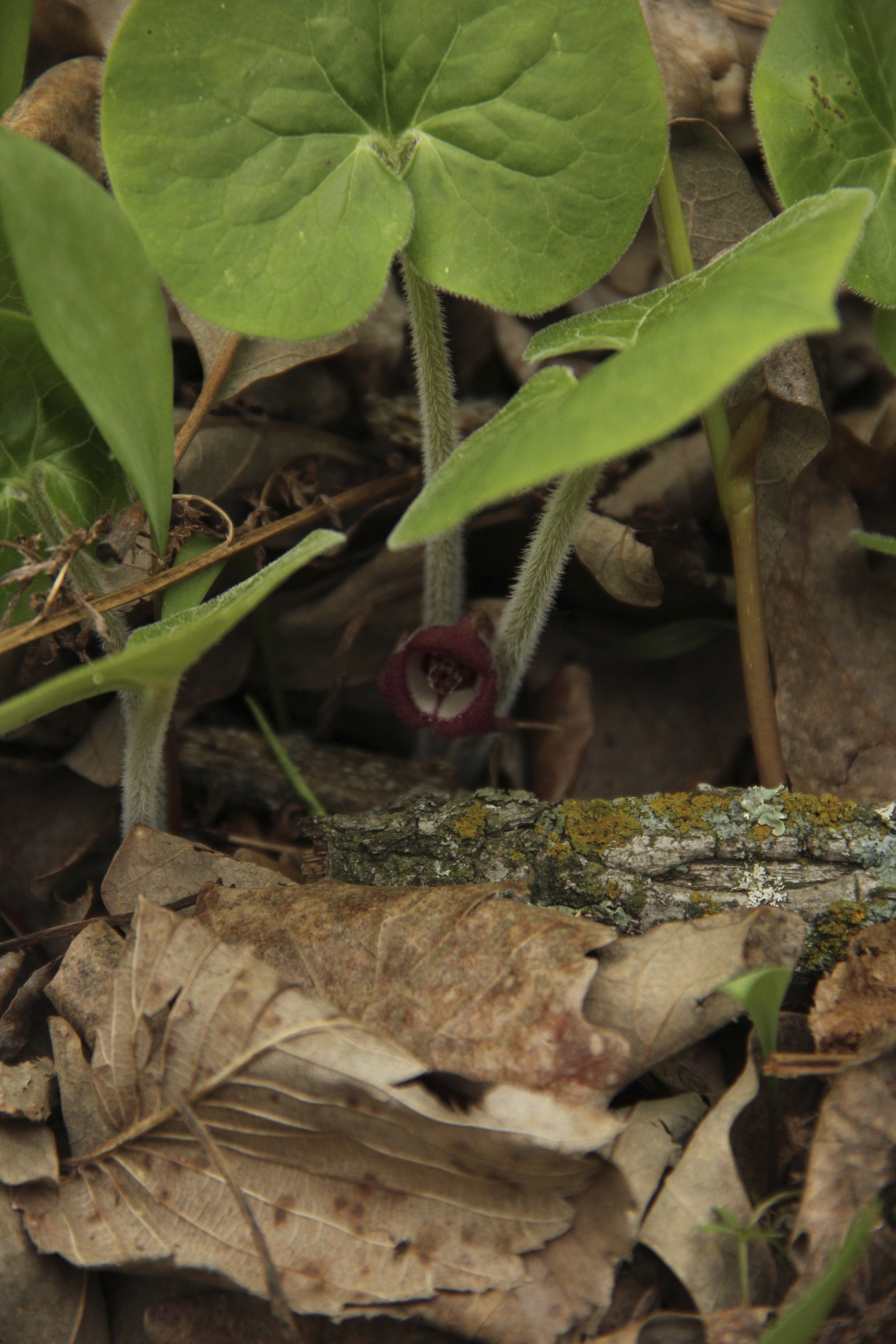
The maroon blossoms of Canadian wild ginger (Asarum canadense) lie hidden beneath its leaves.

The maroon blossom of Canadian wild ginger (Asarum canadense) lies hidden beneath its leaves.
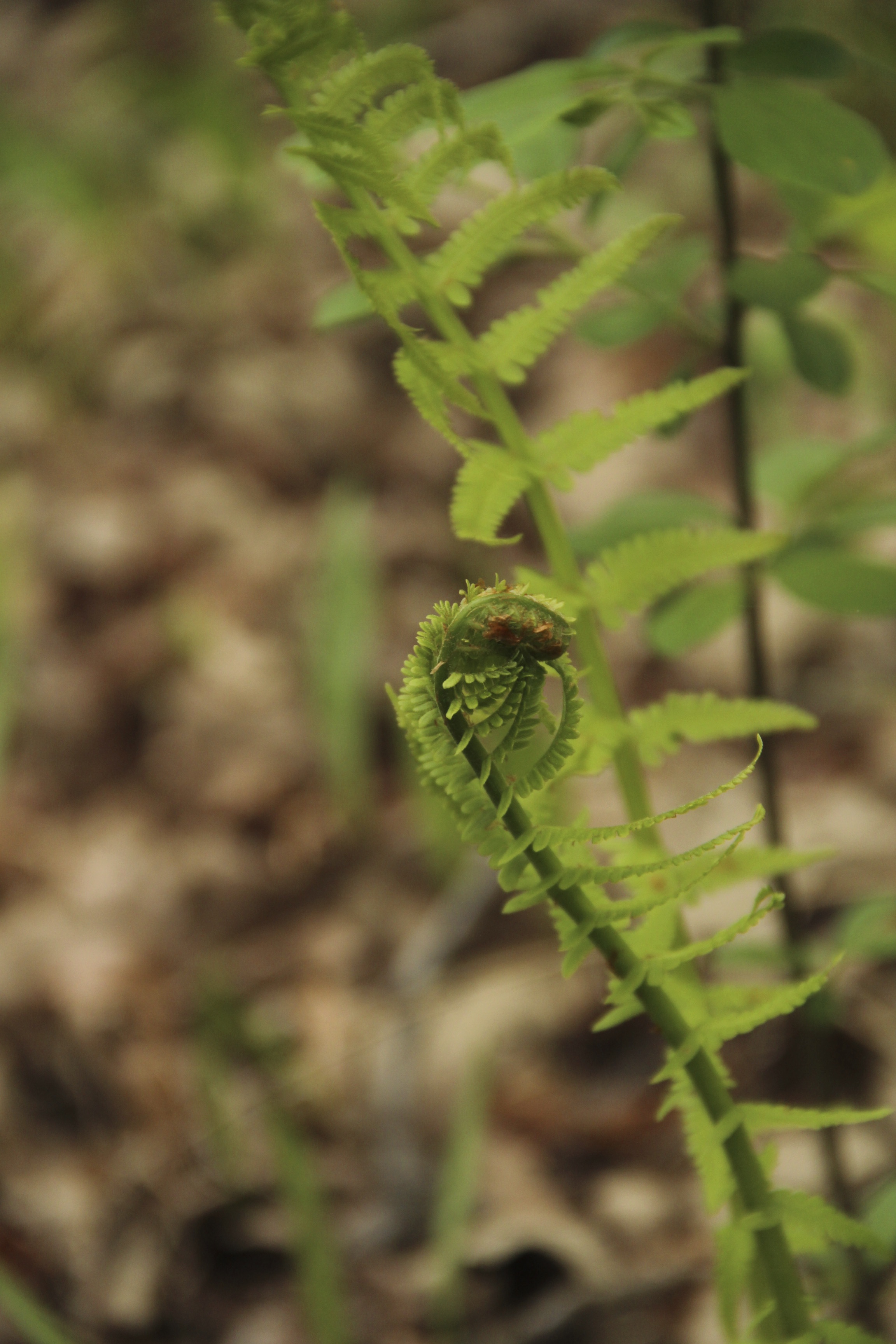
Furled fiddleheads of an ostrich fern began to open.

Furled fiddleheads of an ostrich fern (Matteuccia struthiopteris) begin to open.
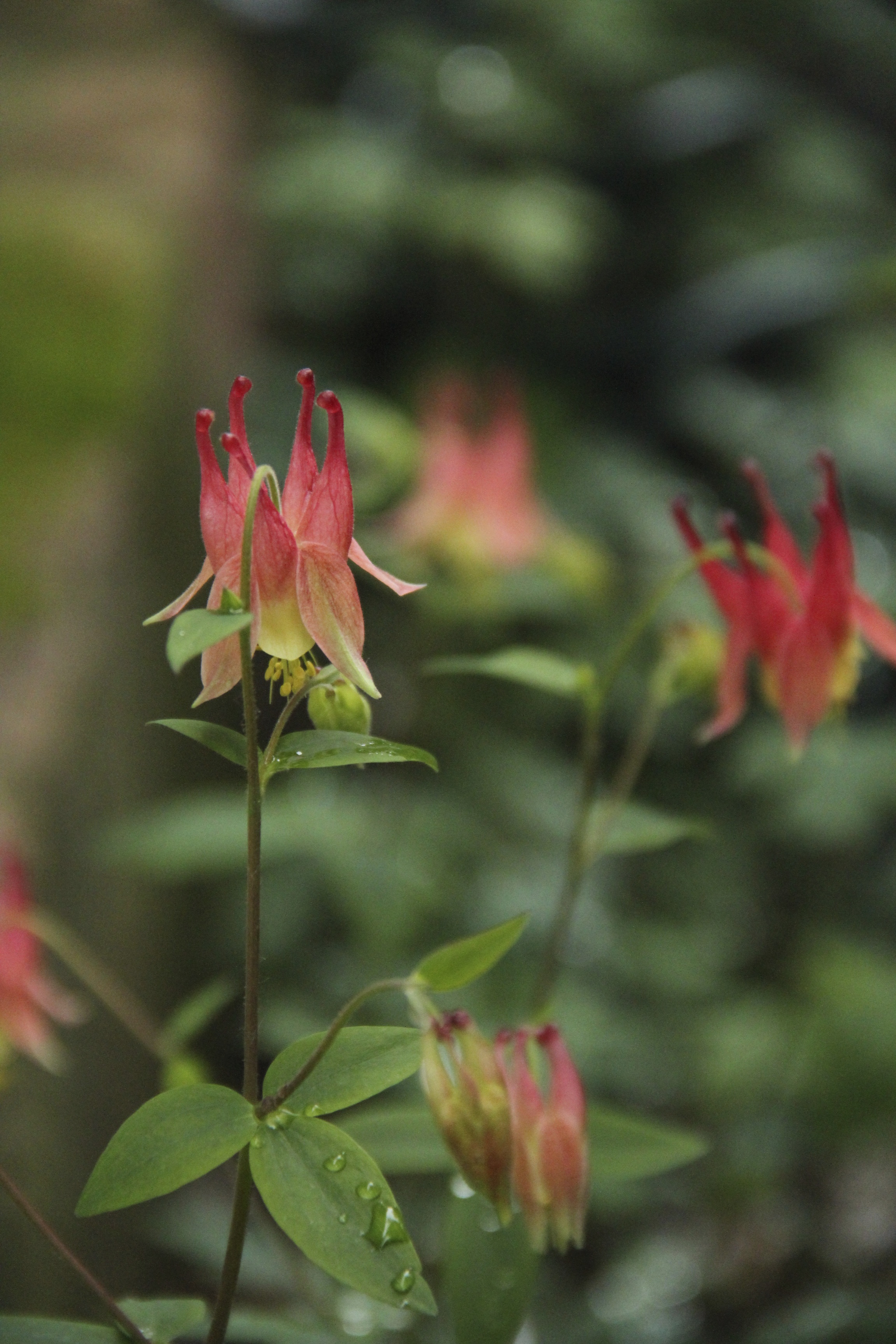
Canada columbine (Aquilegia canadensis) attracts hummingbirds in the spring.

Canada columbine (Aquilegia canadensis) attracts hummingbirds in the spring.

The Snake River flows high and fast through spring and early summer.

The Snake River in east central Minnesota flows high and fast through spring and early summer.

Yellow warblers are one of the most visible and vocal of our warbler species.

Yellow warblers (Dendroica petechia) are one of the most visible and vocal of our warbler species.
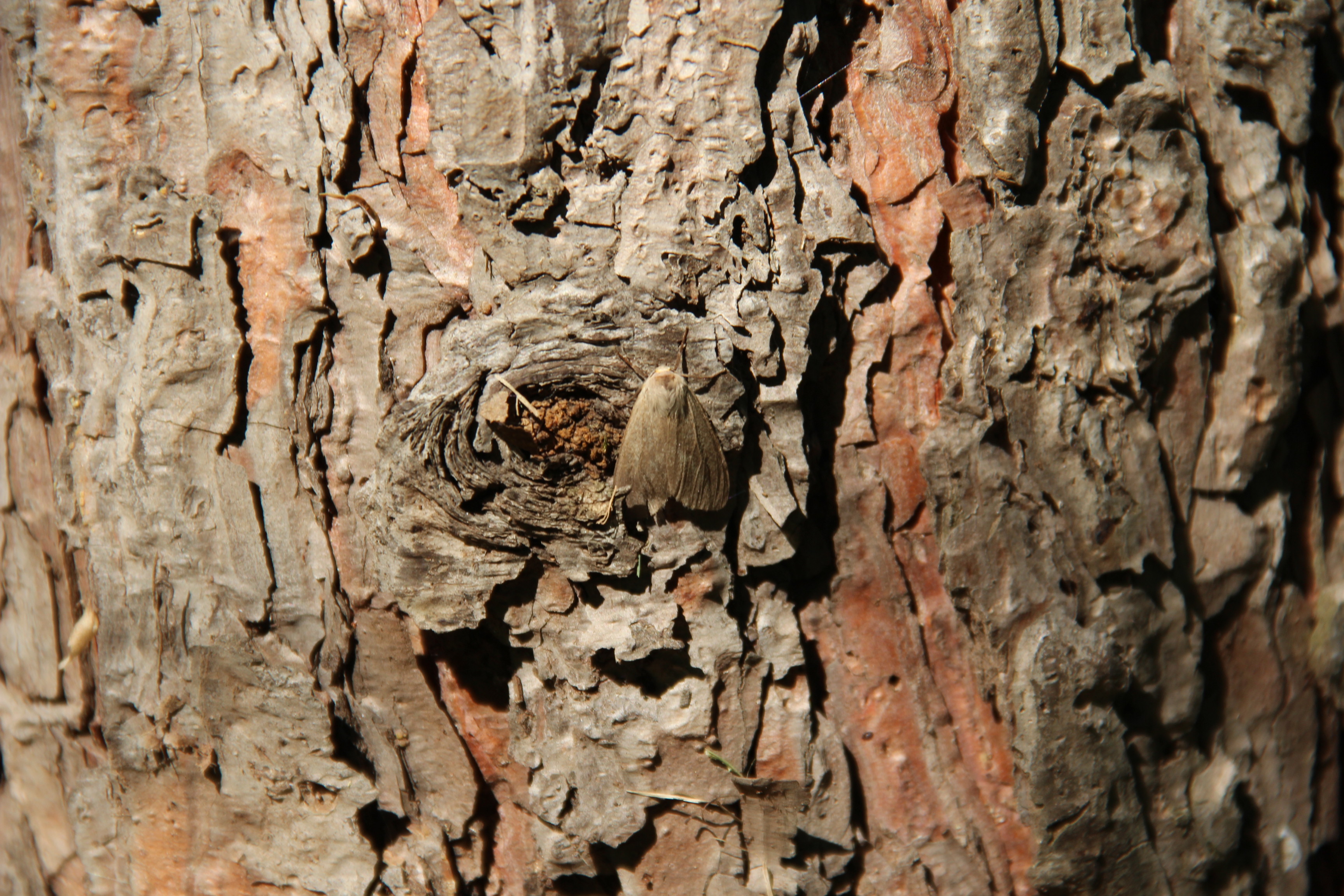
A web moth rests on the trunk of a red pine.

A woodland moth rests on the trunk of a red pine (Pinus resinosa), Minnesota’s state tree.

Ruby-throated hummingbirds are abundant through the summer and early autumn.

Ruby-throated hummingbirds (Archilochus colubris) are abundant throughout the summer and early autumn.

Bluets (Enallagma) are plentiful along the river in late summer.

Bluets (Enallagma) are plentiful along the river in late summer.

Delicate native harebells (Campanula rotundifolia) bloom into autumn and are loved by bumblebees.

Delicate native harebells (Campanula rotundifolia) are loved by bumblebees.

The Snake River runs slower in autumn.

The Snake River’s water level drops in late summer revealing basalt river rock.

Many different kinds of colorful fungi appear in autumn.

Many different kinds of colorful fungi appear in autumn.

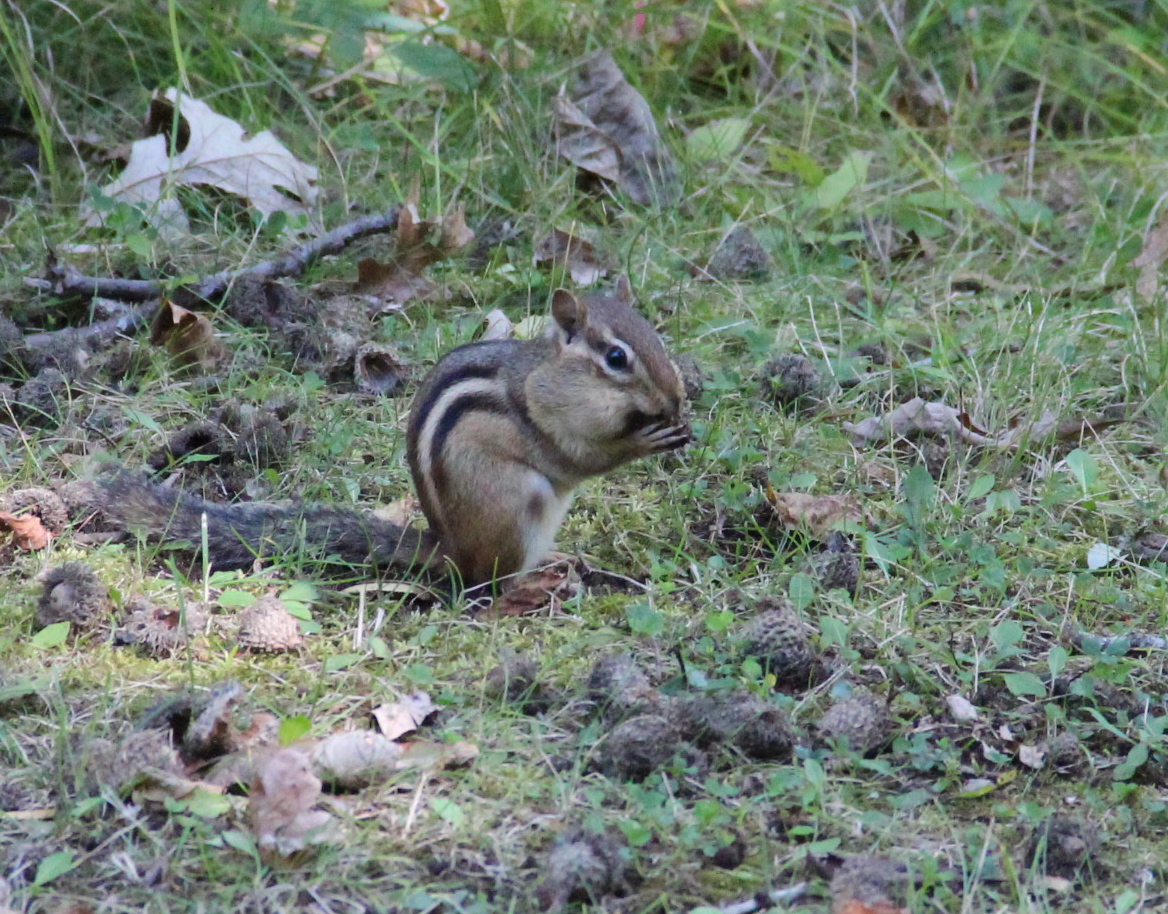
 Eastern chipmunks gather nuts, seeds and fruit for the winter.

Eastern chipmunks (Tamias striatus) gather nuts, seeds and fruit for the winter.

Native bladdernut seeds ripen in papery husks.

Native bladdernut seeds (Staphylea trifolia) ripen in papery husks.

Falling leaves settle among pebbles and add color to the riverbed.

Falling leaves settle among pebbles and add color to the riverbed.

A basswood leaf glows in the late afternoon autumn sun.

A basswood leaf (Tilia americana) glows in the late afternoon sun.
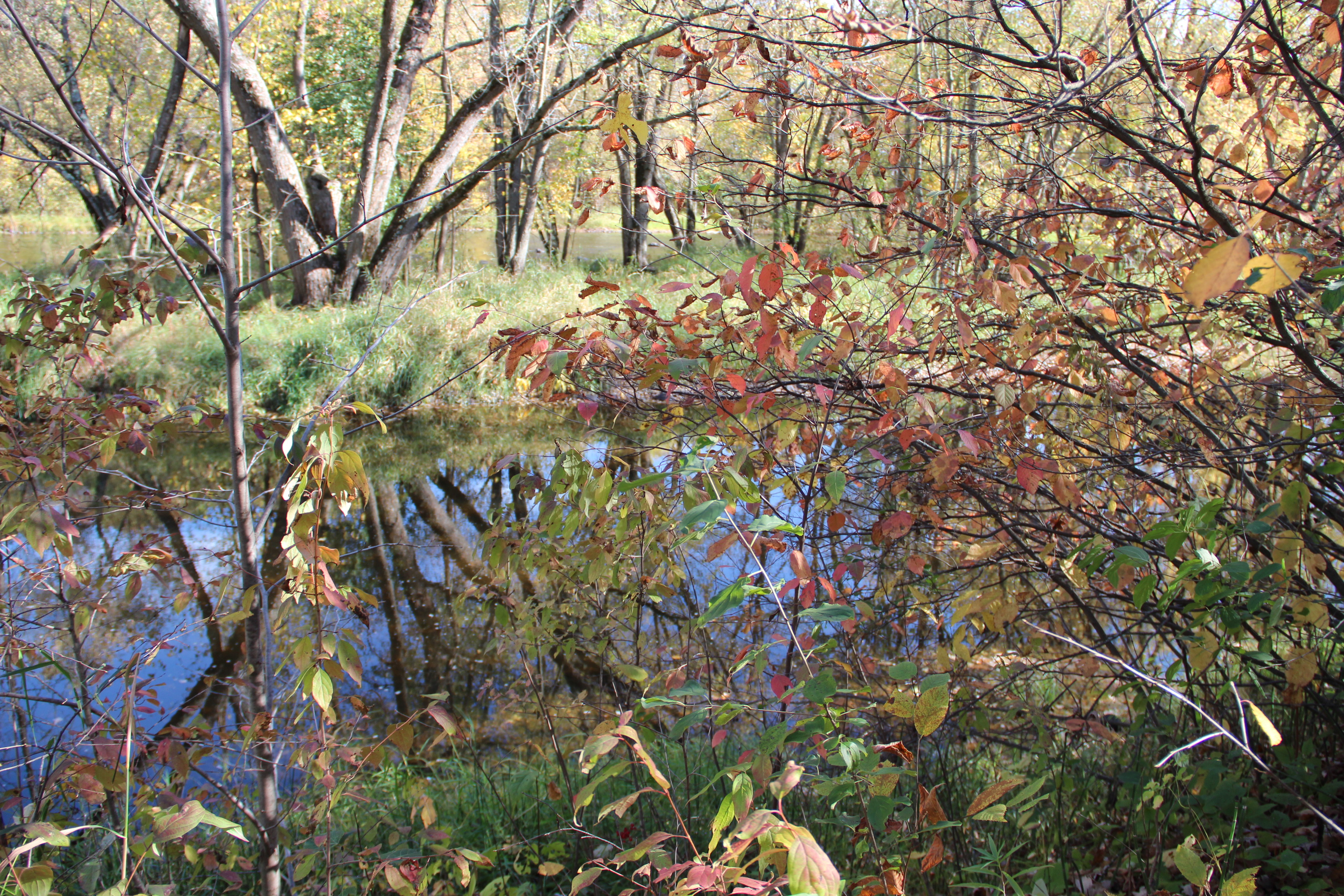
In late autumn, the river...

In mid-October, soft green, beige, maroon and brown color the riverbank.
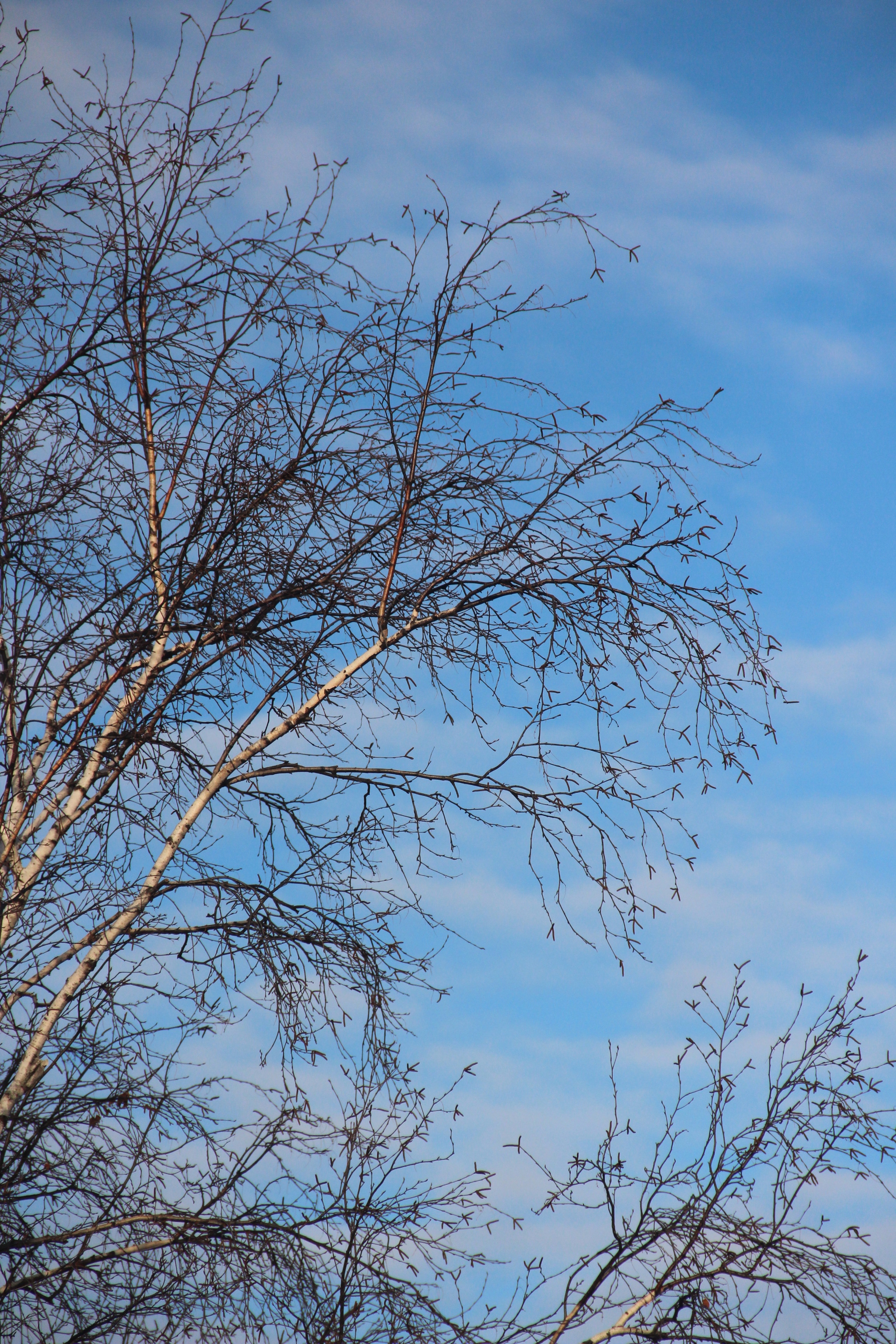
Birch branches, bare except for their catkins, ...

Male catkins on a paper birch (Betula papyrifera) stand starkly against an early-winter sky.
A Harvest of Berries

In late November, most leaves have fallen to the ground, turned brown and tucked Earth’s northern regions in for the long winter.  But the bareness reveals new beauty in the form of a harvest of berries.  Many colorful berries decorate trees, shrubs and vines, both here in St. Paul and in the woods surrounding our cabin on the Snake River in Pine County, MN.  They also provide food for many birds and small mammals.  Here is a sample of this generous harvest:

Six species of dogwood are native to Minnesota.  Among the  most colorful are gray dogwood and swamp dogwood, also known as silky or blue dogwood.

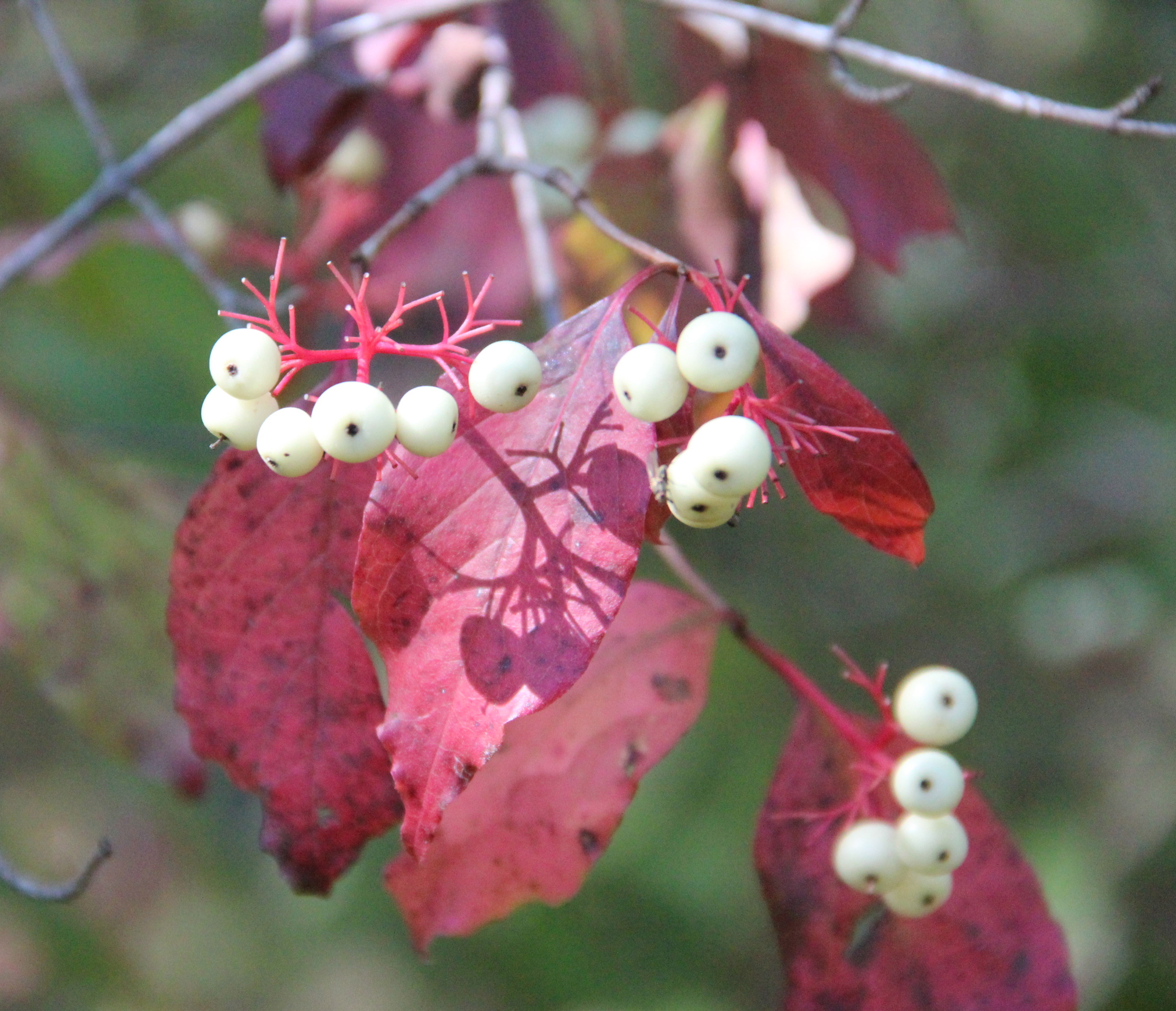
gray dogwood

Gray dogwood (Cornus racemosa) leaves turn shades of maroon and purple. White berries or “drupes” grow on stalks that turn bright red in autumn.

Swamp or silky dogwood (Cornus amomum) berries ripen to dark blue. The shrubs form dense thickets that provide cover for snowshoe hare and other animals.

Swamp or silky dogwood (Cornus amomum) berries ripen to dark blue. The shrubs form dense thickets that provide cover for snowshoe hare and other animals.

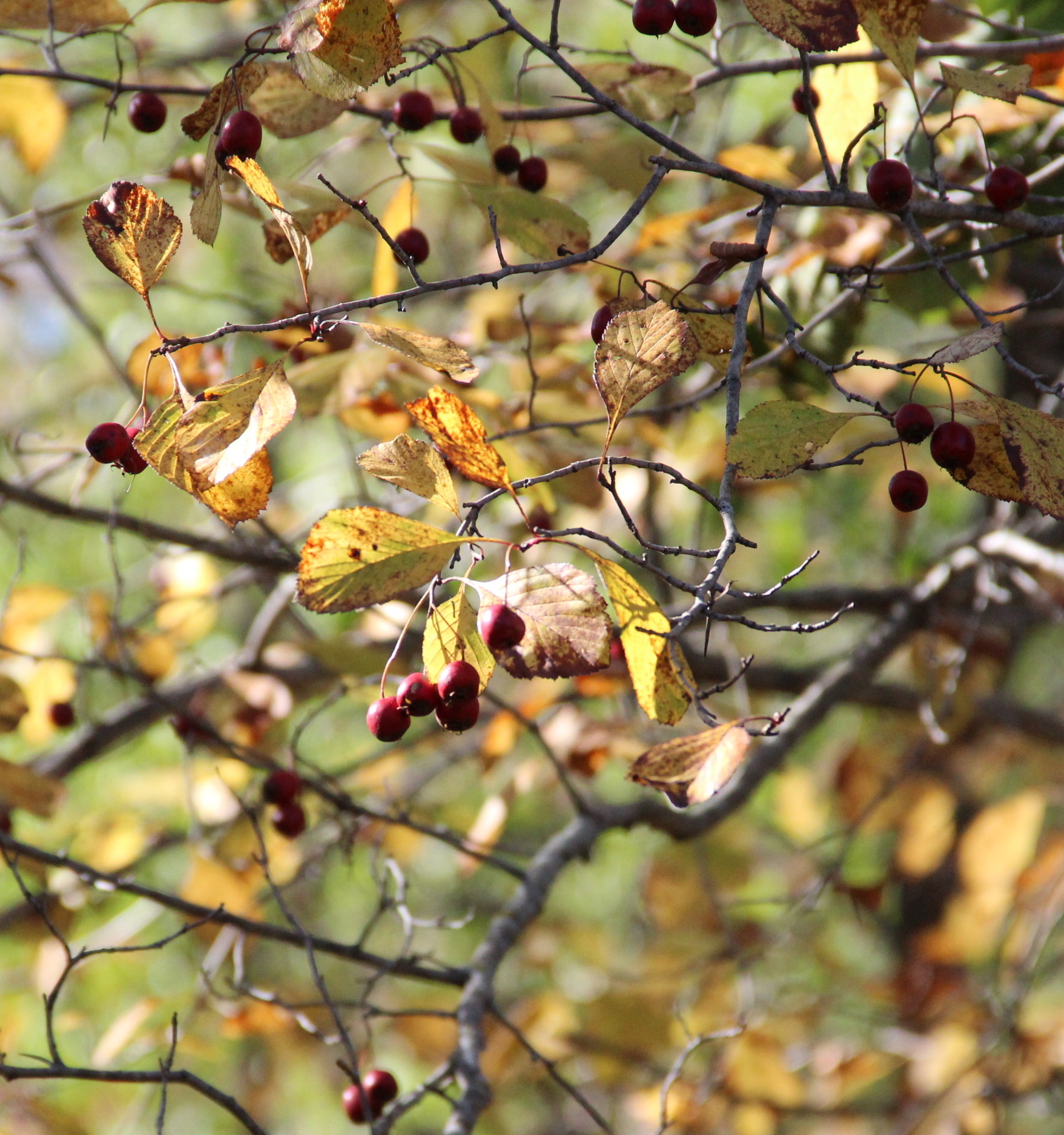
Native hawthorns (Crataegus) are small trees with long, sharp thorns that produce a beautiful red fruit eaten by many songbirds.

Native hawthorns (Crataegus) are small trees, with long, sharp thorns, that produce a beautiful red fruit or “pome” eaten by many songbirds.

American woodbine’s scarlet leaves have fallen to reveal deep-blue berries on fire-red stalks or pedicels.  Woodbine is a close relative of Virginia creeper, but prefers sunnier locations and lacks adhesive cups at the end of its tendrils.

American woodbine berries are a winter food source for some species of songbirds.

American woodbine (Parthenocissus inserta) berries are a winter food source for some species of songbirds.

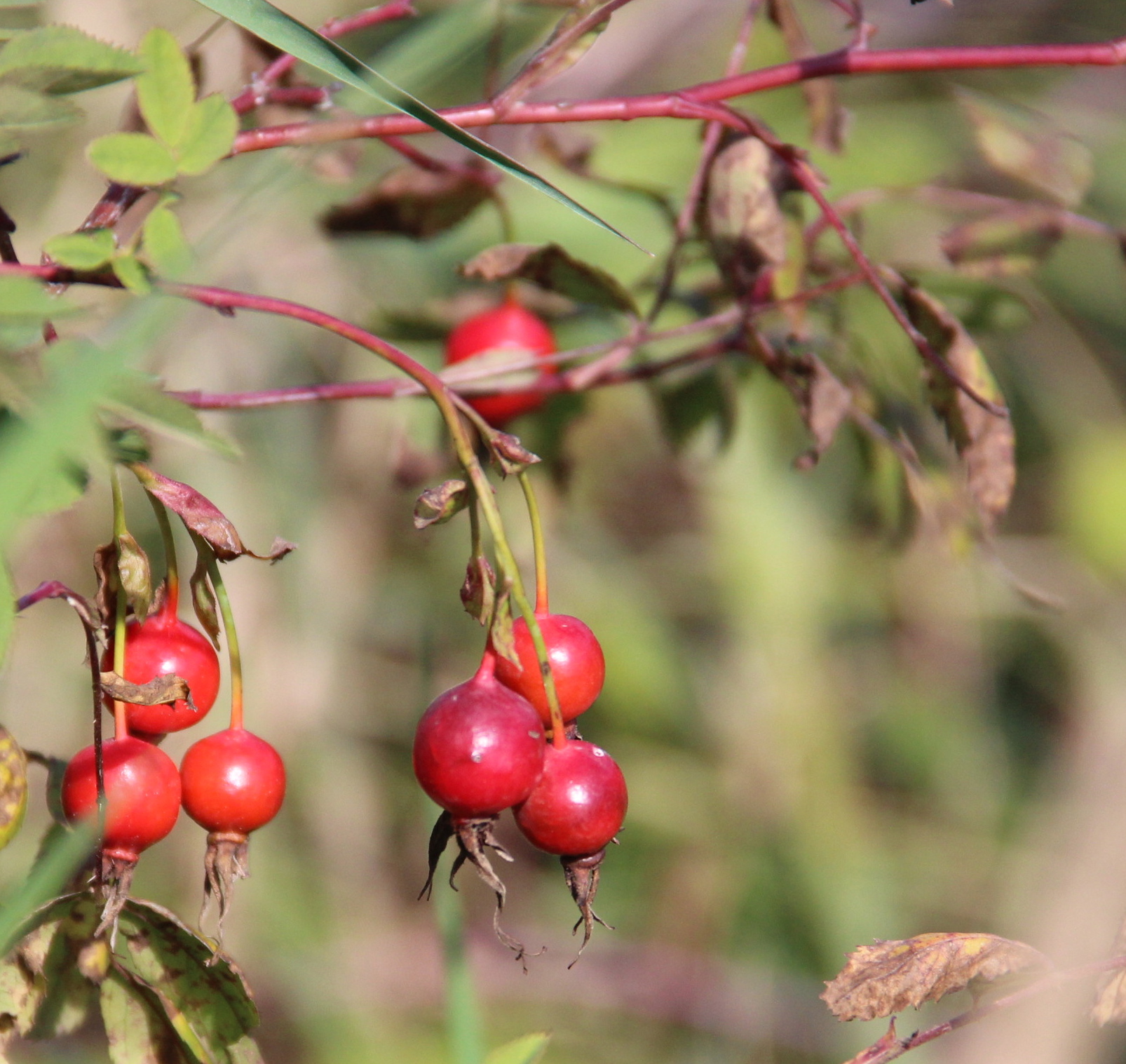
Many species of rose, both native and cultivated, produce beautiful fruit known as “hips”.  Rose hips are rich in vitamin C and other nutrients.

Squirrels eat the fruit or "hips" of (Rosa 'Henry Kelsey') before they've even ripened.

Squirrels eat the fruit or “hips” of (Rosa ‘Henry Kelsey’) before the fruit has even ripened.

rosehips3

Smooth rose (Rosa blanda) produces nutritious hips favored by many mammals and birds.

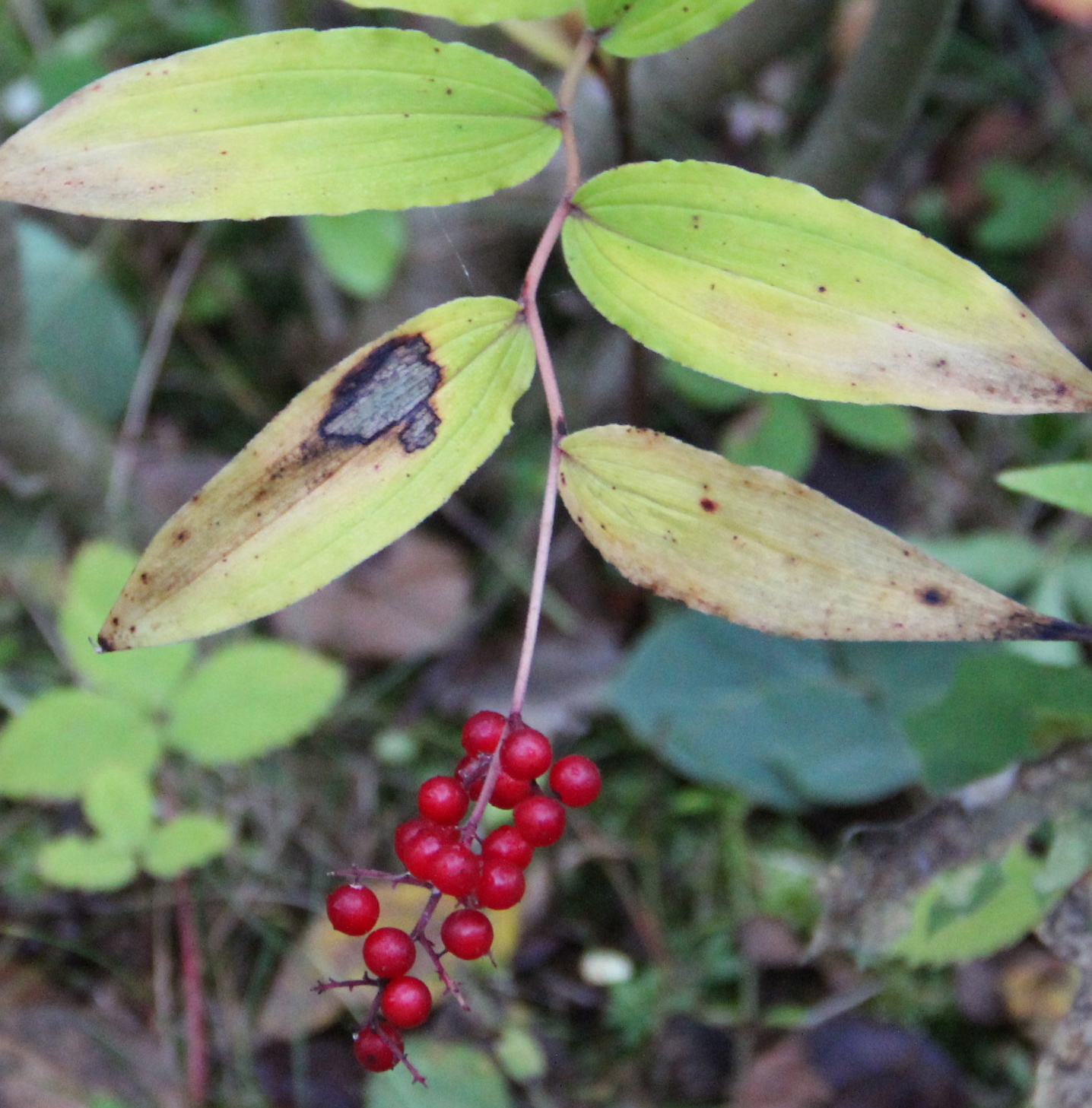
The feathery white plumes of starry false Solomon’s seal have grown into plump berries that gradually changed from bright green to beige mottled with coppery red, and now are bright, translucent red.

Ripe berries of starry false Solomon's seal (Maianthemum racemosum) hang in plumes.

Ripe berries of starry false Solomon’s seal (Maianthemum racemosum) hang in plumes.

Milkweed Seeds

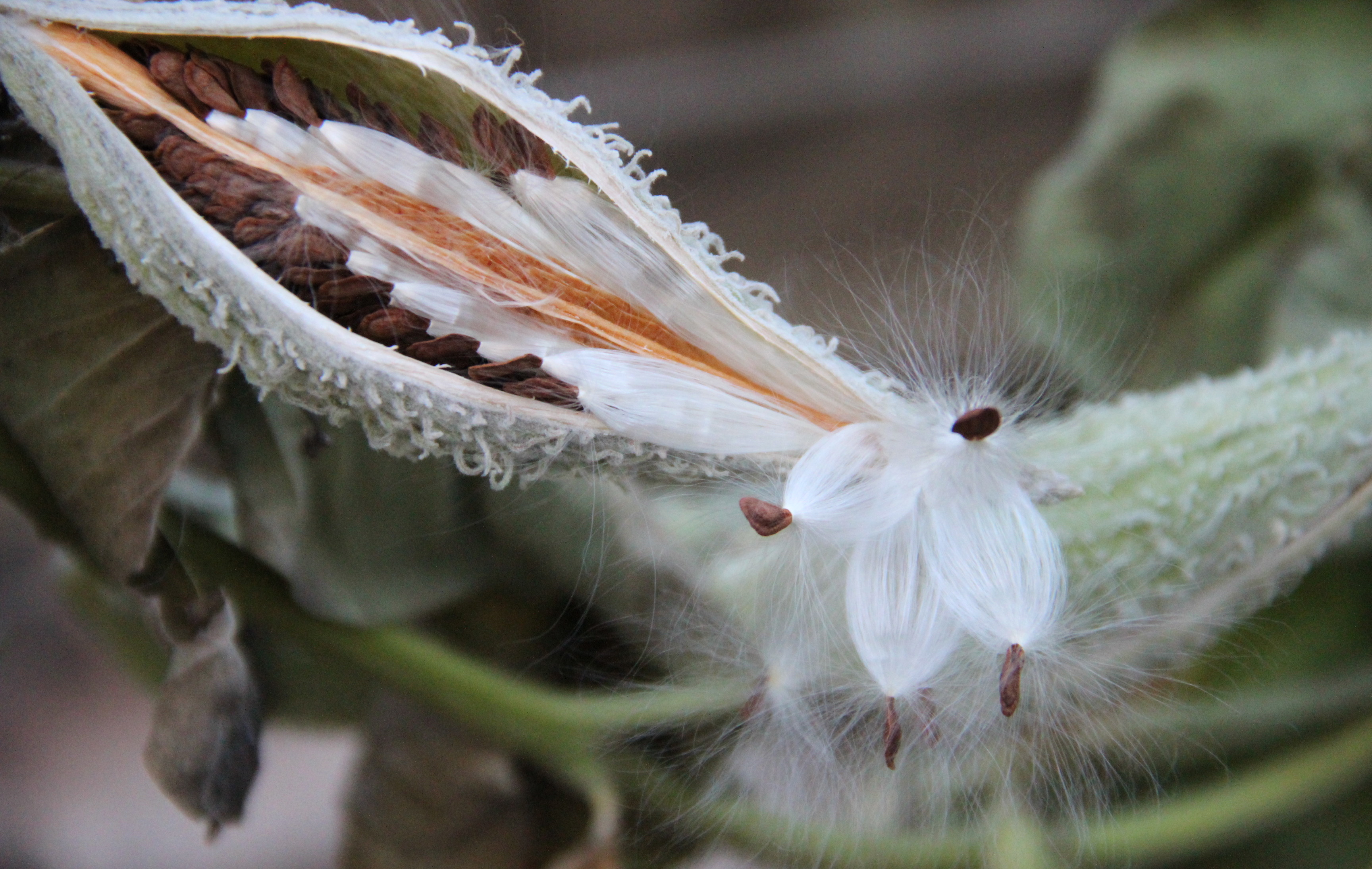
Last summer, hummingbirds, butterflies and bees nectared in the pale pink blossoms of common milkweed that grows in our back garden.  Now in mid-November, the thick, fibrous stalks and leaves have died back.  Last week, the rough, oval pods split open and released their small, coffee-brown seeds, each one surrounded by an arc of silk to sail it on the wind.  They seem such delicate creations to be floating November’s raw skies and, for me, symbolize the beauty and life that will return next spring.

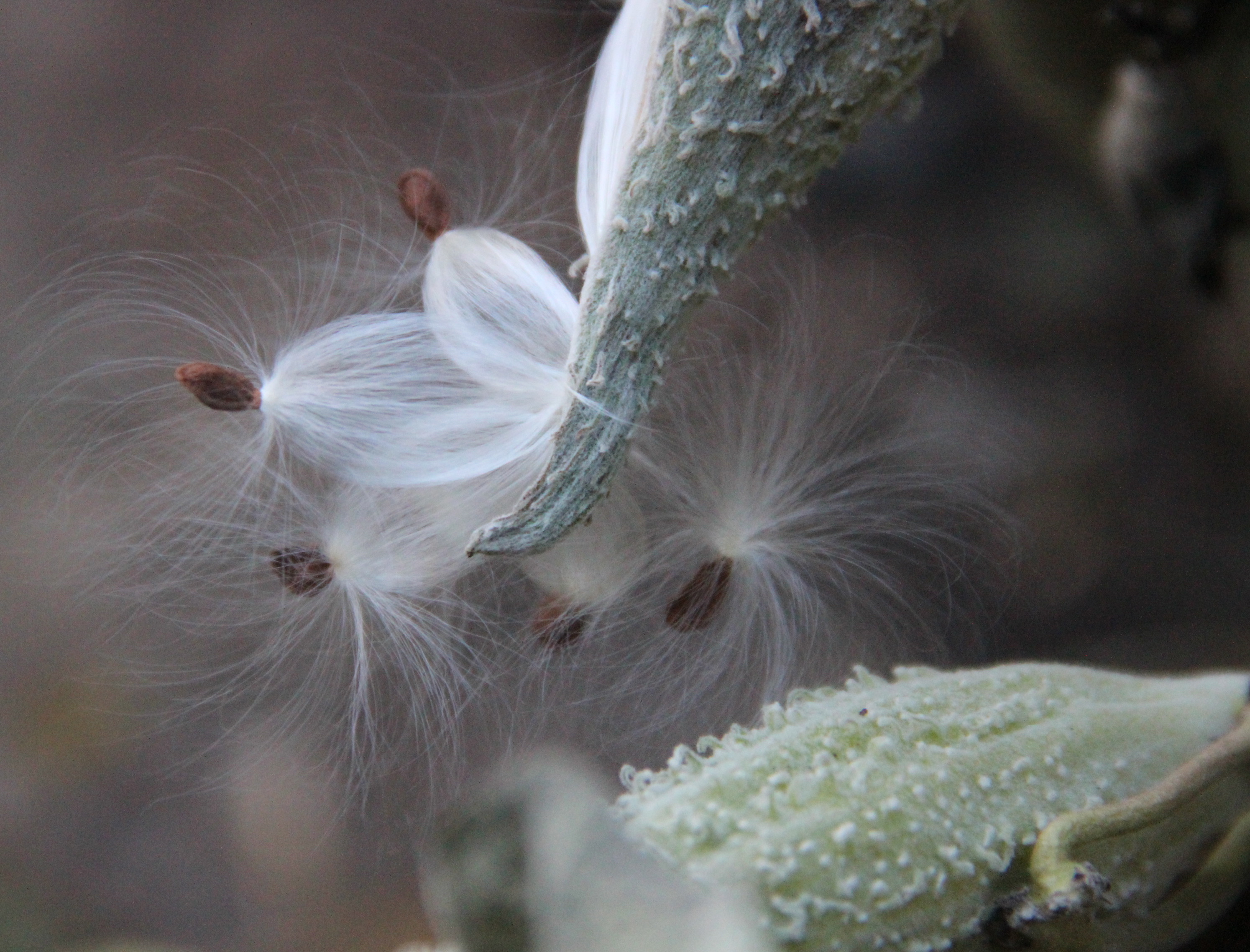
The delicate-looking seeds of common milkweed escape their pods.

The delicate-looking seeds of common milkweed (Asclepias syriaca) escape their pods.

Before the pod opens, the milkweed seeds are tightly arranged in orderly rows around a central core.

Before the pod opens, the milkweed seeds and their silky “parachutes” are tightly arranged in orderly rows around a central column.

Last summer a bumblebee fertilized the flower that formed the milkweed pod I photographed above.

Last July, a bumblebee fertilized the blossoms that became today’s seeds.

Autumn Photos and Phenology

Seasonal changes happen quickly in Minnesota during October and it’s interesting to watch the progression into autumn. For example, swamp milkweed seed pods break open, male goldfinch feathers transform from bright yellow to olive green, chipmunks and other rodents stash nuts and seeds for the winter, and bees and most other insects have either died or are hibernating until spring.

Naturalists use the term phenology to refer to these changes.  Phenology is the study of the changes that occur in plants and animals from year to year — such as flowering, ripening of fruit and nuts, emergence or disappearance of insects, and migration of birds — especially the timing and relationship of these events with weather and climate.  It also can include other observations, such as the occurrence of the first frost, the date on which a body of water freezes, and when specific constellations are visible in the sky.  Here are a few examples of current autumn phenology that I photographed along the Snake River in Pine County, MN:

 Northern red oak leaves begin to change color.

Northern red oak (Quercus rubra) leaves begin to change color.

Wild rose hips ripen to cherry red.

Wild rose hips (Rosa acicularis) ripen to cherry red.

Swamp milkweed (Esclepias incarnata) seeds pods release their silky seeds.

Swamp milkweed (Esclepias incarnata) pods release their silky seeds.

An eastern chipmunk collects acorns, hickory and hazelnuts in its pouches to store in its den for the winter.

An eastern chipmunk stuffs bur oak acorns into its pouches to store in its den.

Puffball mushrooms are common in autumn.

Puffball mushrooms appear in autumn.

Everyone who observes nature and records their observations contributes to the science of phenology.  If you’re interested in contributing your own observations, there are several organizations online, including:  “Nature’s Notebook” at the USA Phenology Network, the University of Minnesota’s Minnesota Phenology Network  and the National Science Foundation’s “Project Budburst”.

Early October Wildflowers: Zigzag Goldenrod

Twelve or more species of goldenrod grow in Minnesota.  All provide an important source of autumn nectar to bees, butterflies and insects, and also give a burst of long-lasting color at the end of the growing season.  Most goldenrod species grow in sunny locations, but zigzag goldenrod (Solidago flexicaulis) prefers shady woods and woodland borders.  It’s smaller, daintier and better-behaved than many of its cousins.

Zigzag goldenrod with aerial yellowjacket (Dolichovespula arenia).

Zigzag goldenrod with aerial yellowjacket (Dolichovespula arenia).

A patch of zigzag goldenrod grows in dappled sun near a hazelnut thicket along the banks of the Snake River in east central Minnesota

A patch of zigzag goldenrod (Solidago flexicaulis) grows in dappled sun near a hazelnut thicket along the banks of the Snake River in east central Minnesota.

Known also as broad-leaved goldenrod, it has oval-shaped leaves rather than thin narrow ones typical of many goldenrods.  The stem bends a little bit at each node, hence the name zigzag.  An interesting fact:  Sometimes allergy sufferers blame their misery on goldenrod, but ragweed is the true culprit.  Unlike ragweed pollen, which is wind-dispersed, goldenrod has sticky pollen that is dependent upon insect pollination.  So, if you’re sneezing in the fall, it is primarily caused by the pollen of ragweed and nettle!  To learn more about the difference between ragweed and goldenrod, visit the University of Minnesota Extension website for an excellent, succinct overview.

Early October Wildflowers: Spotted Jewelweed

In early October, wildflowers in shades of orange-gold, yellow, purple and white light up Minnesota’s roadsides, fields, woods and riverbanks.  One of my favorites is spotted jewelweed (Impatiens capensis), or touch-me-not.  Its small flowers are bright orange with red spots and are shaped like tiny funnels or cornucopias.  The name jewelweed refers to the way that water droplets bead up like shiny jewels on the plant’s leaves, and also to the blossom’s jewel-like appearance.  Touch-me-not refers to the ripe seed pods, which burst open and expel the seeds if touched.  When our teenage son was little, we loved popping open the ripe pods and watching the seeds fly out.

Spotted jewelweed (Impatiens capensis)blossom and ripening seed pods.

Spotted jewelweed (Impatiens capensis) blossom and ripening seed pods.

Native to much of Canada and the United States, spotted jewelweed grows along streams, rivers, damp roadsides and other moist, shady spots.  The one I photographed was growing in a shady wet area about four feet from the edge of the cabin road.  Hummingbirds, which are attracted to the bright, red-spotted blooms, are the main pollinator of spotted jewelweed.  The nectar is contained within spurs that are easily reached by the hummer’s long beak.  A closely related plant is pale touch-me-not (Impatiens pallida) which is light yellow with just a few reddish-brown spots.

Related Video:  Spotted jewelweed pods popping open.

Biodiversity on a Sunflower

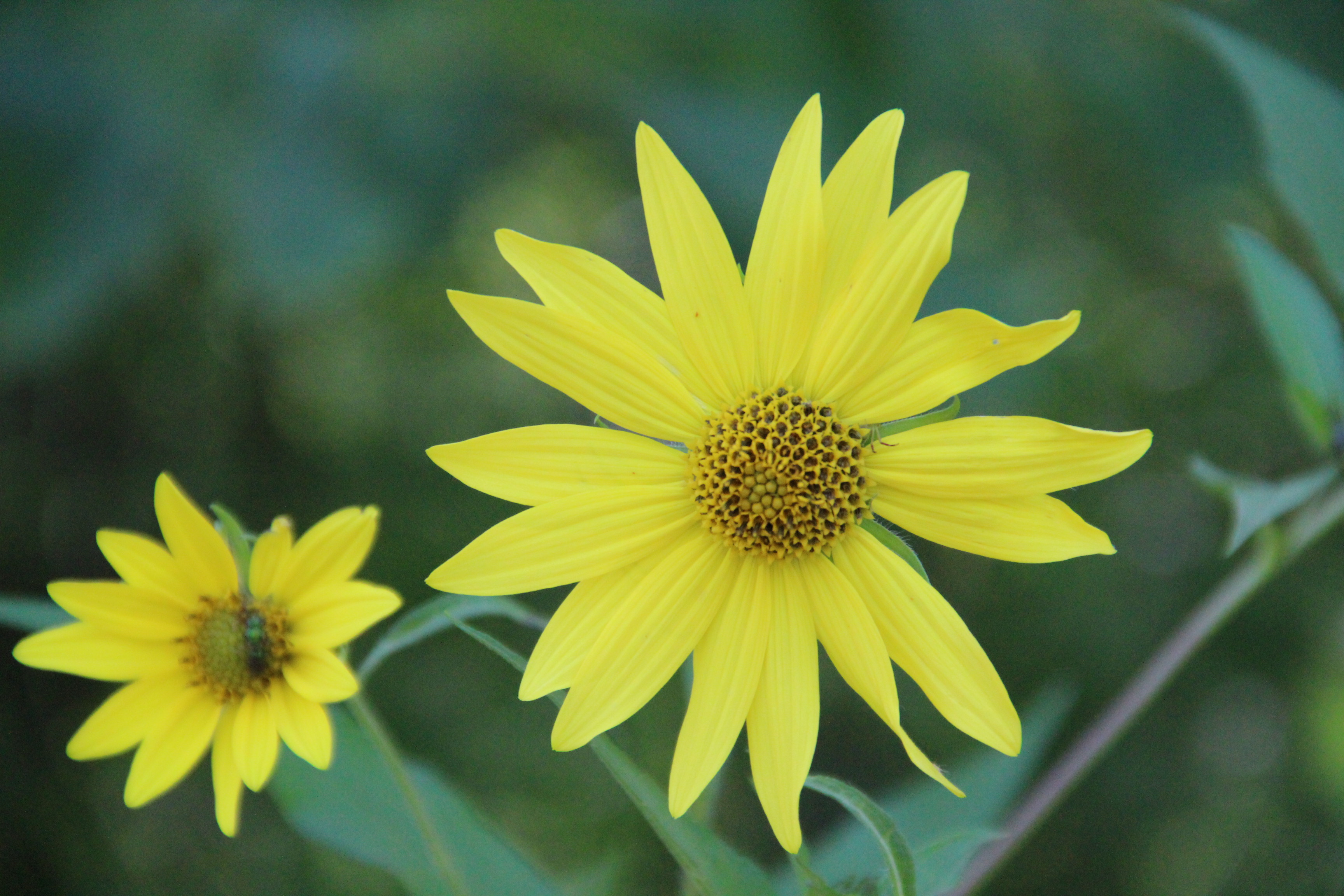
Late Sunday morning in early September.  I walk along our unpaved road next to the Snake River.  The sun is hot, grasshoppers whir and click, bees drone and American goldfinches call to each other in the aspen grove.  Small stands of native sunflowers (Helianthus tuberosus L.) dot the roadside.  In a single group of three plants, also known as Jerusalem artichokes, I spot four species of native bees, two species of wasps, several ladybird beetles, a goldenrod soldier beetle and a northern crescent butterfly.  Here’s a sampling:

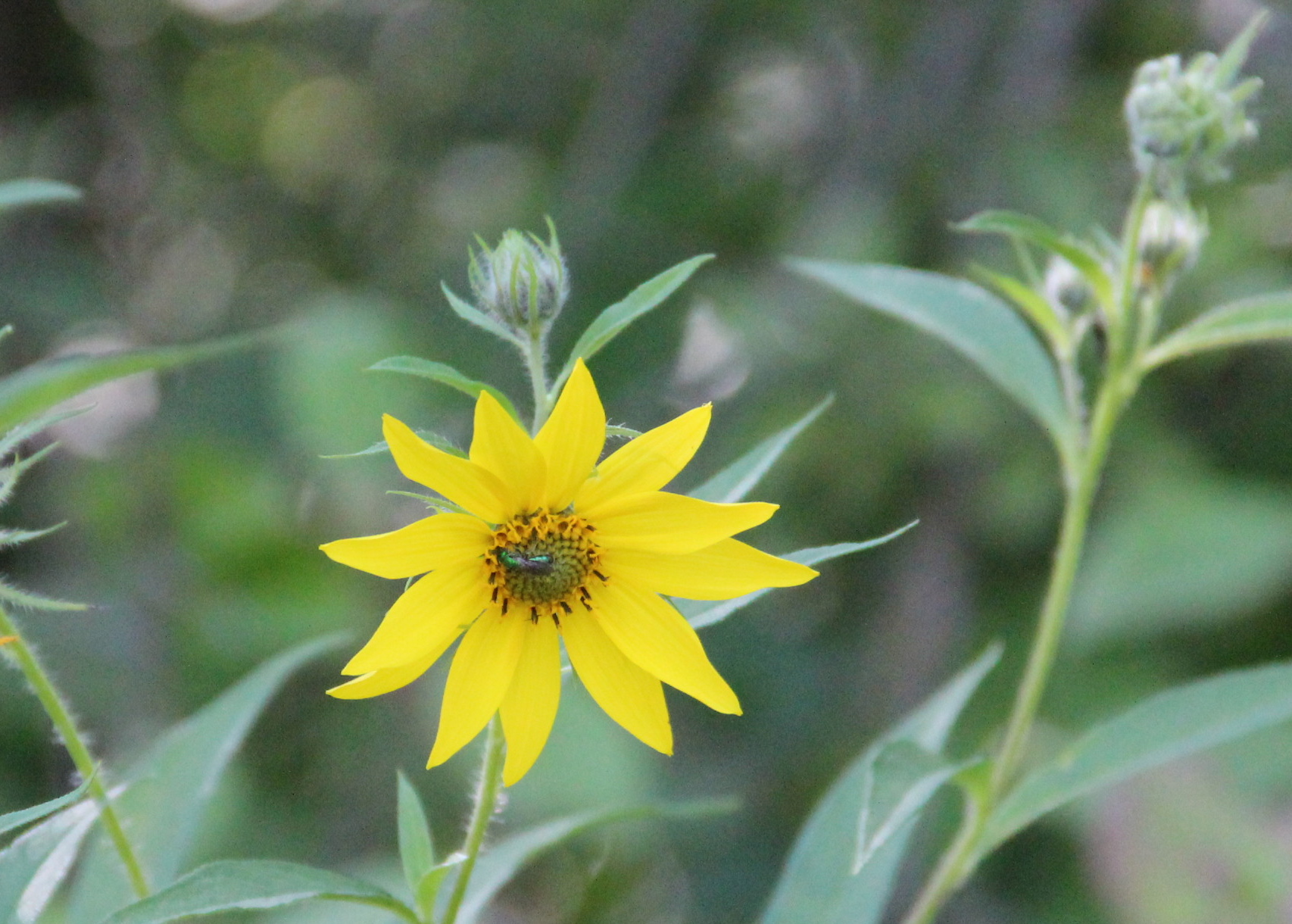
Green metallic bee.

Metallic green bee on a native sunflower known as Jerusalem artichoke.

Ladybug beetle on woodland sunflower.

Ladybird beetle on a native sunflower (Helianthus tuberosus L.).

Goldenrod soldier beetles are important pollinators of native sunflowers, goldenrod and tansy.

Goldenrod soldier beetles are important pollinators of native sunflowers, goldenrod and tansy.

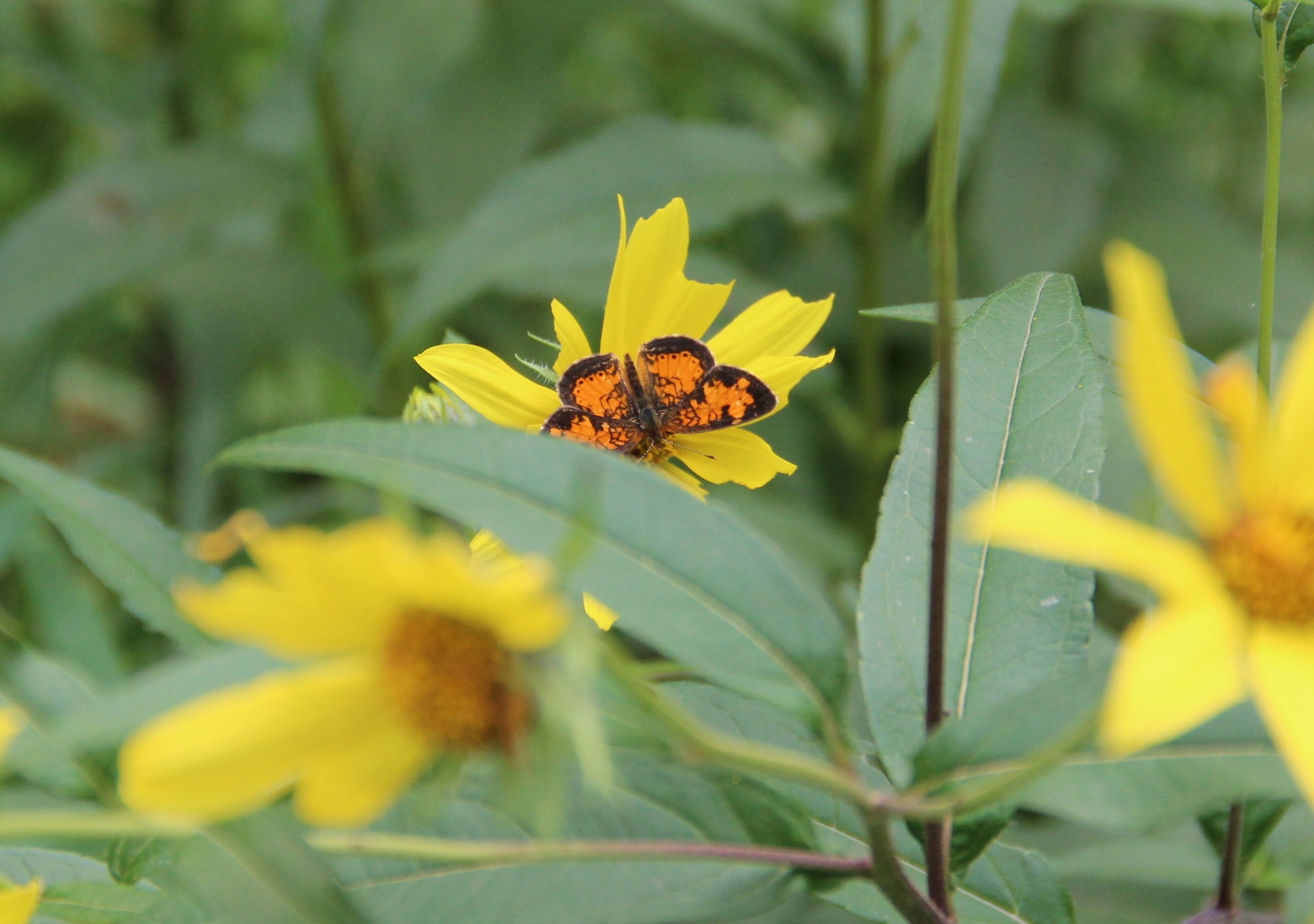
A crescent butterfly, most likely a northern crescent, sips nectar.

A crescent butterfly, most likely a northern crescent, sips nectar.

Bottle Gentians

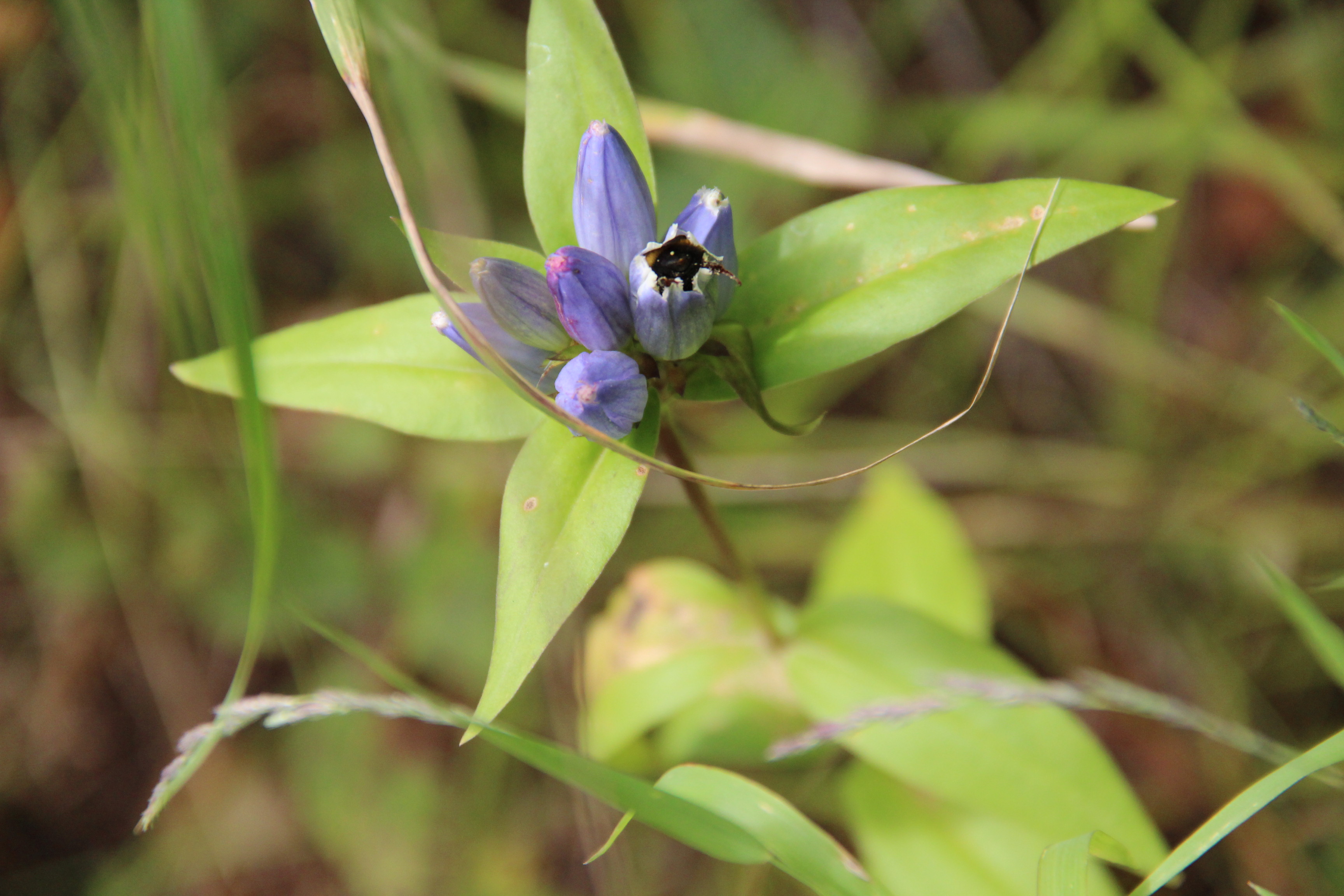
One of my favorite late-summer wildflowers is the bottle gentian (Gentiana andrewsii), which grows in sunny, moist patches along the dirt road next to our cabin.  The tightly closed oval flowers, which never open into a blossom, are all deep blue so far this year, but in the past, I’ve also seen powder blue, pearly white, and light pink blooms.  The plants are about 18 inches tall and the flowers are clustered together at the top.

Bottle gentians grow in sunny, moist patches.

Bottle gentians grow in sunny, moist patches.

Because the blooms are narrow and closed, they primarily are pollinated by bumble bees, which are strong enough to wiggle their way into the flower.  A bumble bee pollinated several of the blooms on the bottle gentian that I was photographing.

A bumble bee pushes its way into the closed bloom.

A bumble bee pushes its way into the closed bloom.

After pollinating the gentian, the bumble bee backs out of the bloom.

After pollinating the gentian, the bumble bee backs out of the flower.

Monarchs and Joe-Pye Weed

Monarch butterflies are rare visitors this summer.  In a typical year, they float through the backyard all day.  Over the past week, a solitary monarch visited our patch of spotted Joe-Pye weed (Eutrochium maculatum) each day between 7 and 8 a.m.  Sunlight glowed in its beautiful wings as it sipped the Joe-Pye nectar.

A monarch sips Joe-Pye weed nectar in early-morning sunlight.

A monarch sips Joe-Pye weed nectar in early-morning sunlight.

In the next two weeks, monarch migration through St. Paul, MN, should peak, according to MonarchWatch.org.  To check peak migration in your own area, visit  peak migration.  During the 2011 fall migration peak, 10-to-25 monarchs visited our Joe-Pye patch each afternoon, and often roosted in our apple tree for the night.  I’m interested in comparing this year’s numbers with the 2011 observations.  (Last year, the Joe-Pye blossomed two-to-three weeks earlier than usual, due to the early spring, and as a result, finished blooming ahead of monarch migration.

In addition to the low numbers of monarchs, I’ve only seen one each of black swallowtails, red admirals and mourning cloaks, and only two tiger swallowtails in our garden.  I haven’t found caterpillars of any of the five species.  Read more about the low number of butterflies this year, from the Star Tribune.

On the Banks of the Snake River (St. Croix Basin)

It’s a breezy, clear, mid-August morning at the Snake River in east central Minnesota.  An old silver maple creeks in the wind and a pileated woodpecker’s call rings through the woods.  Trees, thickets and river grasses show lush shades of green.  I am so glad to see no hint of autumn in them yet. But, other plants tell a different story.  The berries of false Solomon’s seal grow red, chokecherries and currants ripen to purple, and hawthorne fruit and wild rose hips begin to blush.  Hickory and hazelnuts are plump and the fragrant basswood flowers of a few weeks ago are now little round nutlets.

False Solomon's Seal Berries

False Solomon’s Seal Berries

Flowers are changing too.  Turk’s-cap lilies, meadow rue and vetches have been replaced by woodland sunflowers and lesser purple fringed orchids.  The first goldenrod buds are turning yellow, and harebells and heal-all continue to bloom.

Woodland sunflower

Woodland sunflower

IMG_3378

Lesser purple fringed orchid

The woods are much quieter than in July.  Most birds have finished breeding and their babies have grown, putting an end to the feeding frenzy.  I miss the morning and evening chorus — especially the ethereal vespers sung by the wood thrushes.  Fortunately, the last few mornings, a family of five blue jays visited our hazelnut thicket.  They call softly to each other as they pluck the nuts, hold them against a tree branch and peck open the husk.  These jays are more elusive than the jays in our city yard.  They retreat deeper into the woods when I sit outside and try to photograph them.

In the late afternoon, a lone cicada buzzes.  Grasshoppers and crickets trill softly and are joined by snowy crickets and katydids in the evening.  Their night music, though simpler than birdsong, complements the burble of river water over rocks and gently soothes as darkness falls.