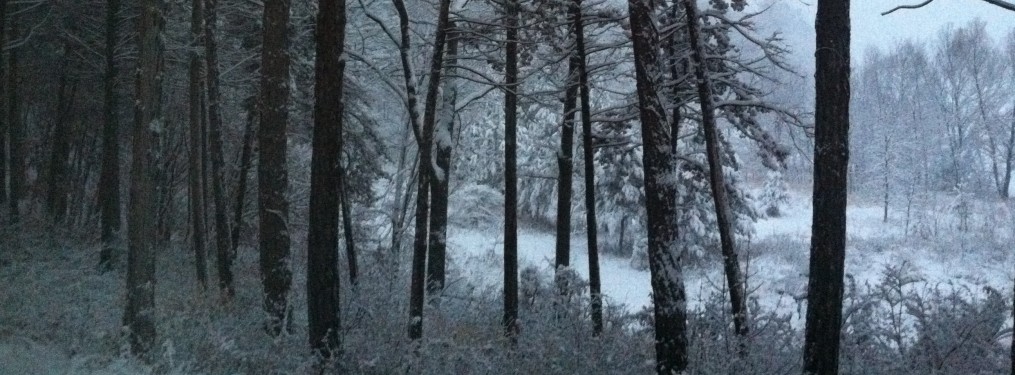
Winter Trees

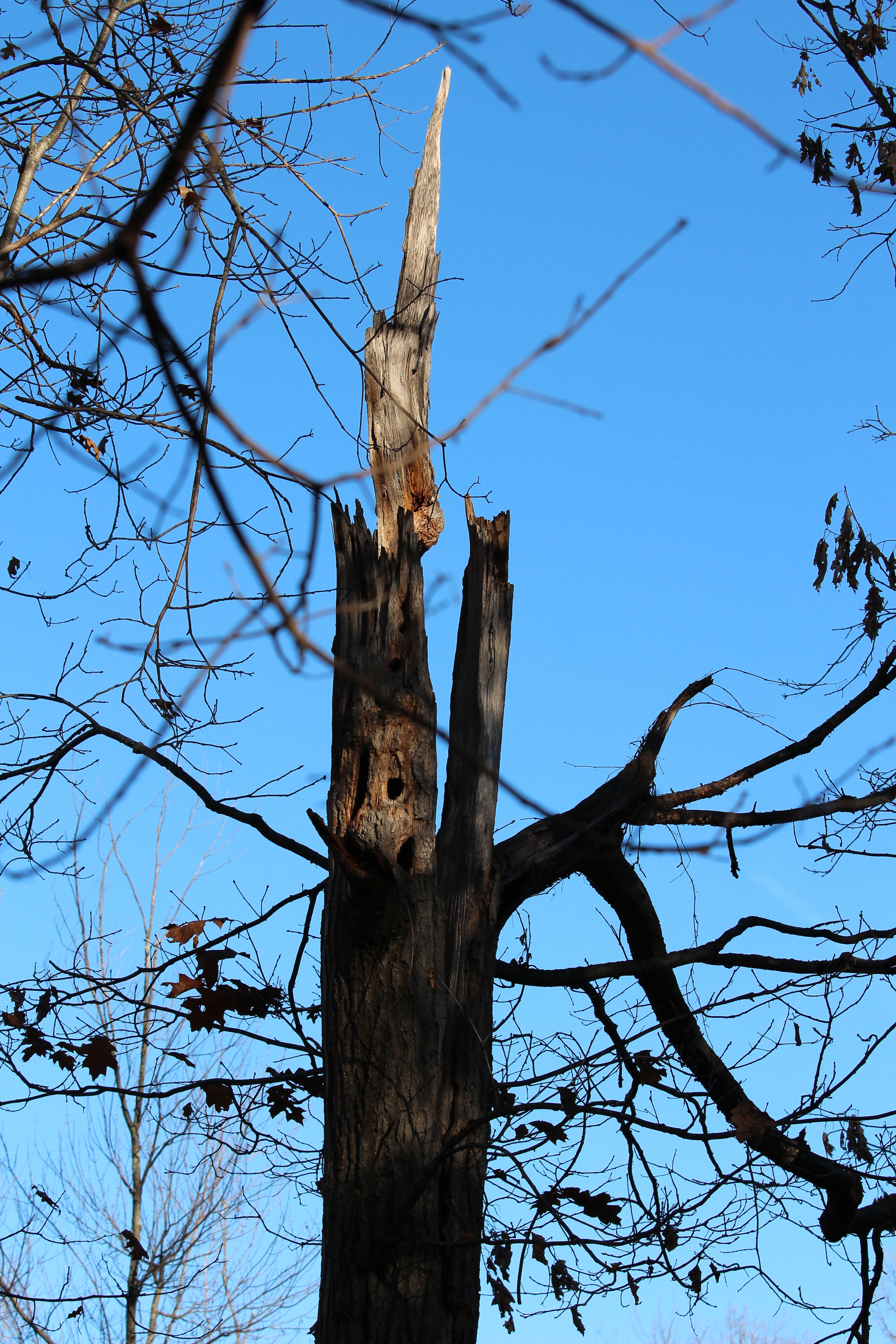
A weathered old northern red oak (still living) has been a home to many birds and other animals.

A weathered old northern red oak (Quercus rubra) is home to many species of birds and other animals.

A tree’s beauty is easily noticed in three seasons: Spring’s first green haze of buds; summer’s rustling crown of leaves; and autumn’s smoldering colors. Winter uncovers a different kind of beauty: that of bark, interesting shapes, animal shelters and open sky — the guts of things not often seen.

A small stand of northern red oak, at our cabin along the Snake River in Pine County, MN, includes a tree that was sheared off in a summer windstorm two decades ago. Neighboring branches hide the jagged top most of the year, but in winter the scarred wood’s polished grain and shape are revealed, along with hidden nesting cavities. Squirrels, great-crested flycatchers, red-bellied woodpeckers and most recently, pileated woodpeckers have nested and raised their young in this red oak.

Crabapple trees (Malus) provide food for many birds and add winter color.

Crabapple trees (Malus) provide food for many birds and add winter color.

Crabapple trees, especially those with long-lasting fruit, add warm crimson to the stark black and white landscape. Their small shapes and curving branches remind me of bonsai trees. By late spring, most of the plump fruit will be consumed by cedar waxwings and robins.

The bark of river birch (Betula nigra) is multicolored and has a shredded texture.

The bark of river birch (Betula nigra) is multicolored and has a shredded texture.

Bark patterns and colors are more pronounced in winter with fewer distractions from the rest of the plant world. One of my favorites is the papery bark of the river birch. The colors range from soft brown to salmon, pink and ivory. The bark shreds and flutters in the wind. Paper birch bark (Betula papyrifera) is pretty too, especially at sunrise and sunset when low rays add blush to the tips of twigs and branches.

White spruce (Picea glauca) and other evergreens shelter many creatures.

White spruce (Picea glauca) and other evergreens shelter many creatures.

The white spruce has grayish-red bark with a rough mosaic-like texture. Its evergreen branches shelter cardinals, kinglets, juncos and chickadees. At the end of winter, new burgundy cones appear, like tiny ornaments, on the tips of branches.

New cones form on a white spruce.

New cones form on a white spruce.

Winter trees reveal the hidden face of nature — textures, hues, patterns weathered and worn — and more open sky to view the moon, stars and urban sunsets; beauty to the eye that looks carefully. What do you see?
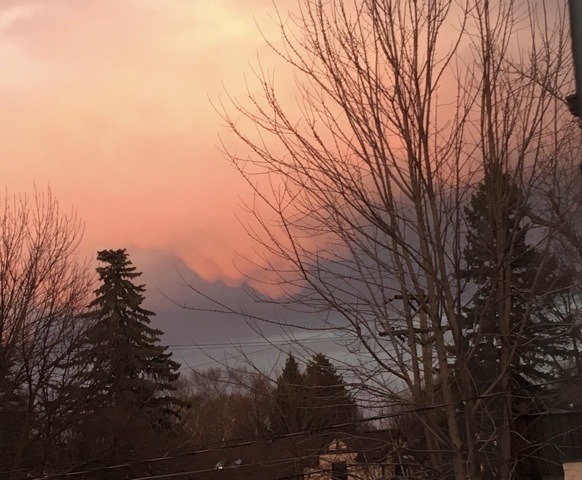
Winter sunset over Saint Paul, MN, on Feb. 22, 2017.

Winter sunset over Saint Paul, MN, on Feb. 22, 2017.


January Thaw

The week’s mild air and slow, steady melt have given voice to the first cardinal songs and chickadee whistles. Robins also call softly throughout the neighborhood. It’s too early to look for bulbs and other new life in the garden, but there’s a lot happening under the snow. I’m excited about the thaw and had a peek at what goes on under the white blanket during the winter!

Where the snow melted away from the lower stalks of a climbing rose, I found bracket fungus growing on the remains of an old stalk that died several winters ago. I hesitated to cut it down (for fear of damaging the plant) and left it alone. Now, nature is returning it to the earth on its own schedule. The fungus, also known as shelf fungus, breaks down the main components in the dead wood and returns them to the soil.

Bracket or shelf fungus, with their striations, remind me of freshwater clam shells.

Bracket or shelf fungus, with their striations, remind me of freshwater clam shells.

I also found a few patches of bright green moss exposed by the melt. I think it is fire moss (Ceratodon purpureus), which remains green under the snow throughout winter. Like the fungus, it is an ancient plant that evolved more than 500 million years ago. The moss breaks down rock and other components that enrich the soil. Moss also helps prevent erosion by holding water and soil in place. Its fresh spring green is a beautiful contrast to winter’s formal black and white.

Fire moss stays moist and green under the snow. It builds soil and helps control erosion.

Fire moss stays moist and green under the snow. It builds soil and helps control erosion.

Both plants replenish the earth and prepare for spring growth. So, in a few months, as you enjoy the beauty of spring bulbs, budding trees and blossoming perennials, remember the lowly fungi and moss that return nutrients to the earth and restore soil to nourish the circle of life.

Living things like this mourning cloak and common milkweed, benefit from the hidden actions of fungi and moss under the snow.

Living things like this mourning cloak and common milkweed, benefit from the hidden actions of fungi and moss under the snow.

Late-Winter Beauty

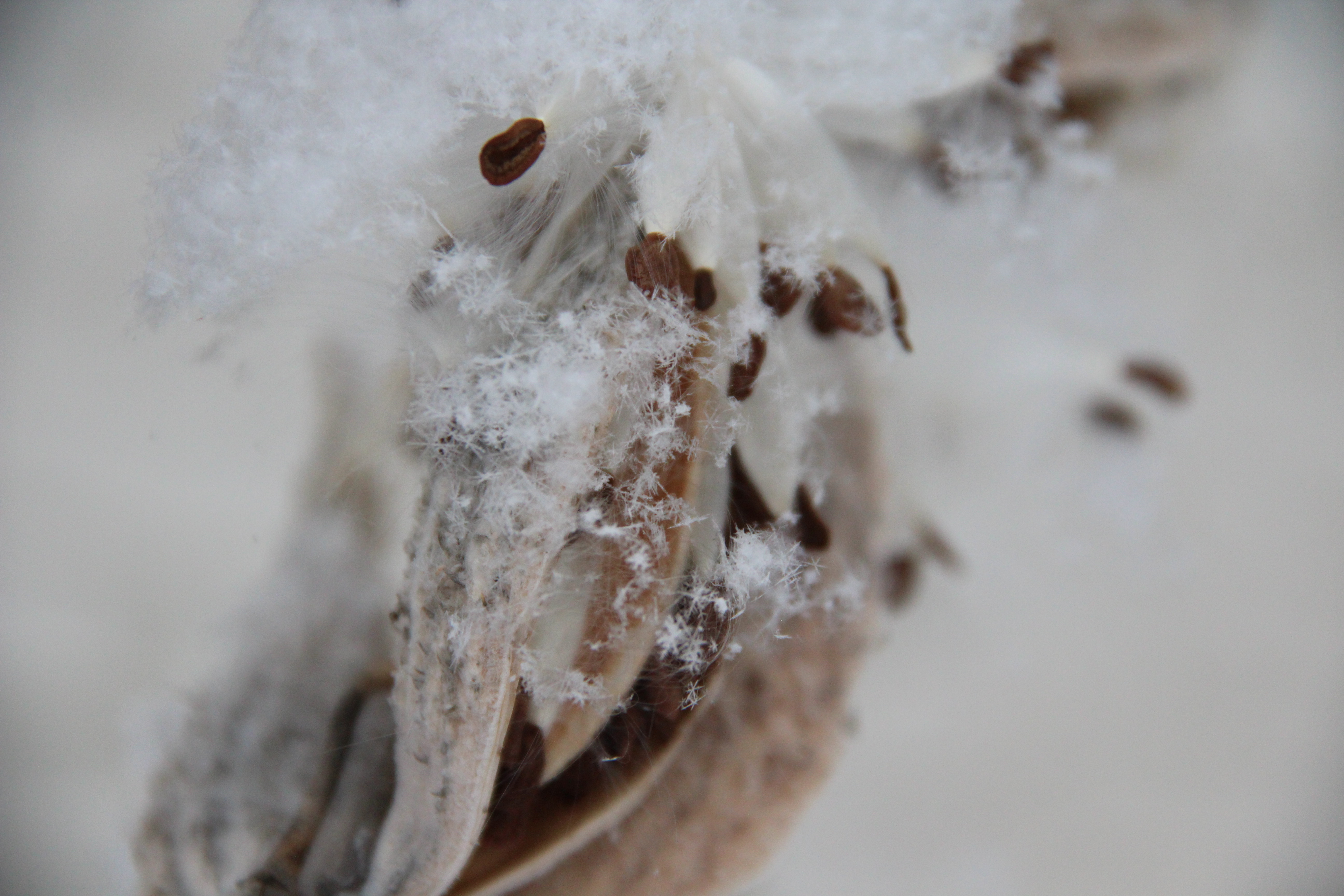
Star-like snow crystals add beauty to common milkweed (Asclepia syriaca) in early March

Star-like snow crystals add beauty to common milkweed (Asclepia syriaca).

Soft, wet snow falls in early March. White blankets the garden and lawn, outlines tree limbs in frosty ice, and meltwater gurgles in downspouts.  It’s a peaceful scene — and what’s most beautiful to my eye is the common milkweed in our garden.  All winter long, north winds shook the dead, dry stalks and tugged at the pods until the seeds ballooned into the wind on their silky parachutes. A few seeds float free each day, but most still ride the breeze tethered to their pods.  Minute feathery snow crystals etch the silken strands like starry sequins on nature’s beautiful gown.

milkweedwholeThough the stalks are tattered, rough and hollow, soon spring-green shoots will pop through the soil to grow new plants and nourish bees, butterflies and hummingbirds. But for today, I’ll enjoy the crystal-covered seeds and the snowy scene knowing it will soon give way to spring’s warmth.ballerinaseeds2

Silent Snow

Pond Snowy Day

Low, heavy clouds lumber overhead, and the world narrows down to the bare-treed woods and pond.  Outside, I listen to the quiet  —  so still that I can feel the pressure of silence.  All traffic and aircraft noise is muffled and absorbed by feathery flakes.  I hear only the occasional ruffle of wind swishing snow crystals across open space in powdery swirls. A lone crow soars black against the sky not breaking the stillness.

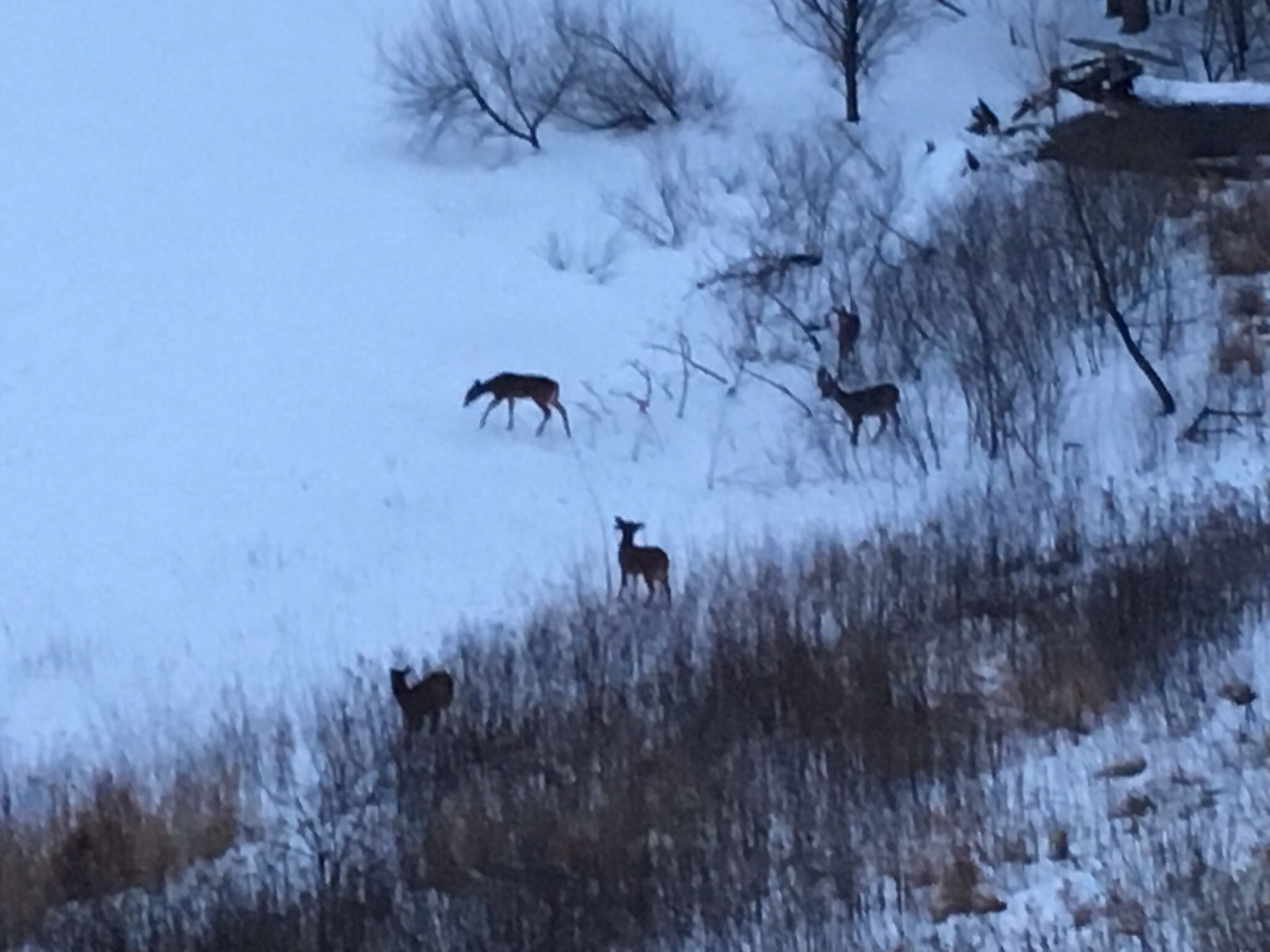
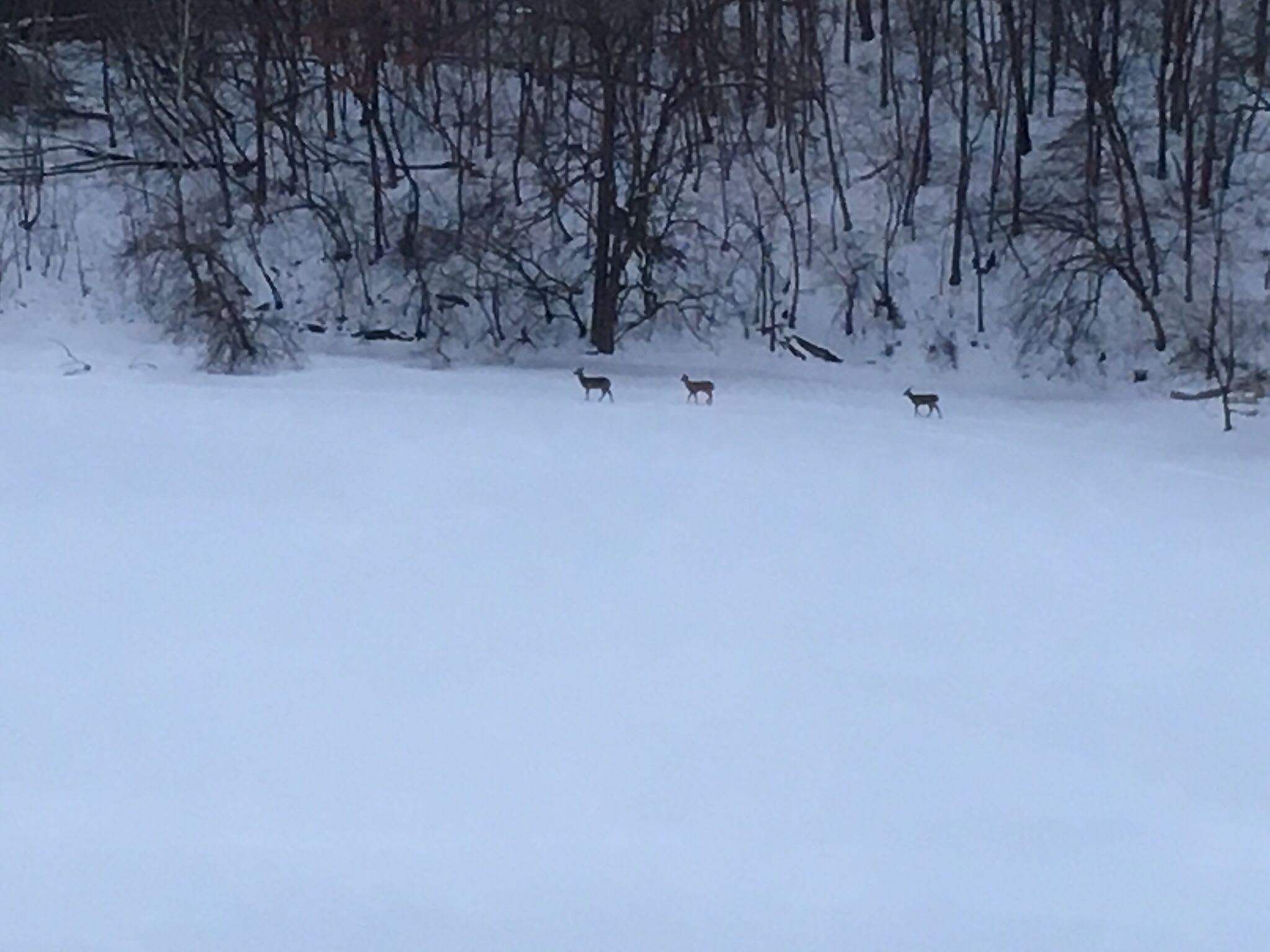
In the morning, the predawn darkness is tinted with the odd light that accompanies a new snowfall.  I am up early and watch as daylight slowly builds beneath slate clouds.  I hear no birds, but there’s a gentle huffing sound: the breathing of white-tailed deer.  Gradually, several appear on the shore of the pond.  They nibble the tips and buds of willow saplings and other tender plants that protrude from the ice-covered pond and its bank.

Pond Deer Feeding

A second group grazes along the pond’s far shore.  As I watch them, I daydream of seeing their spotted fawns in a spring world filled with green leaf buds, lush moss, wildflowers, glorious birdsong, and wood ducks and mergansers sailing on the pond.  But for now, the winter world remains black, white and still.

Pond Distant Deer

Winter Solstice

grayskies:geese

It hasn’t seemed like winter this December; more like a mild November with moody skies, soaking rains and even a few thunderstorms. What little snow fell, melted into the unfrozen ground. But the sun tells the truth as it rides low on the southern horizon. I always look at winter solstice (10:48 p.m. CST on December 21) as a milestone achieved: We’ve reached the time of peak darkness for the winter. And happily, though sunrise is still getting later, sunset began to lengthen on December 10th!  We celebrate solstice with extra candles on the dinner table, a glass of wine, and Celtic Christmas music.  

I look for the understated, sometimes harsh beauty of winter, and I like the extra hours of moon-watching. Yet, I impatiently wait for the seeds, bulbs, perennials and tiny creatures that rest in the dark earth to reawaken. In the meantime, I will try to appreciate the slate skies and spent plants that add their own stark loveliness to the winter months.

The mid-December moon is often visible during the day.

The mid-December moon is often visible during the day.

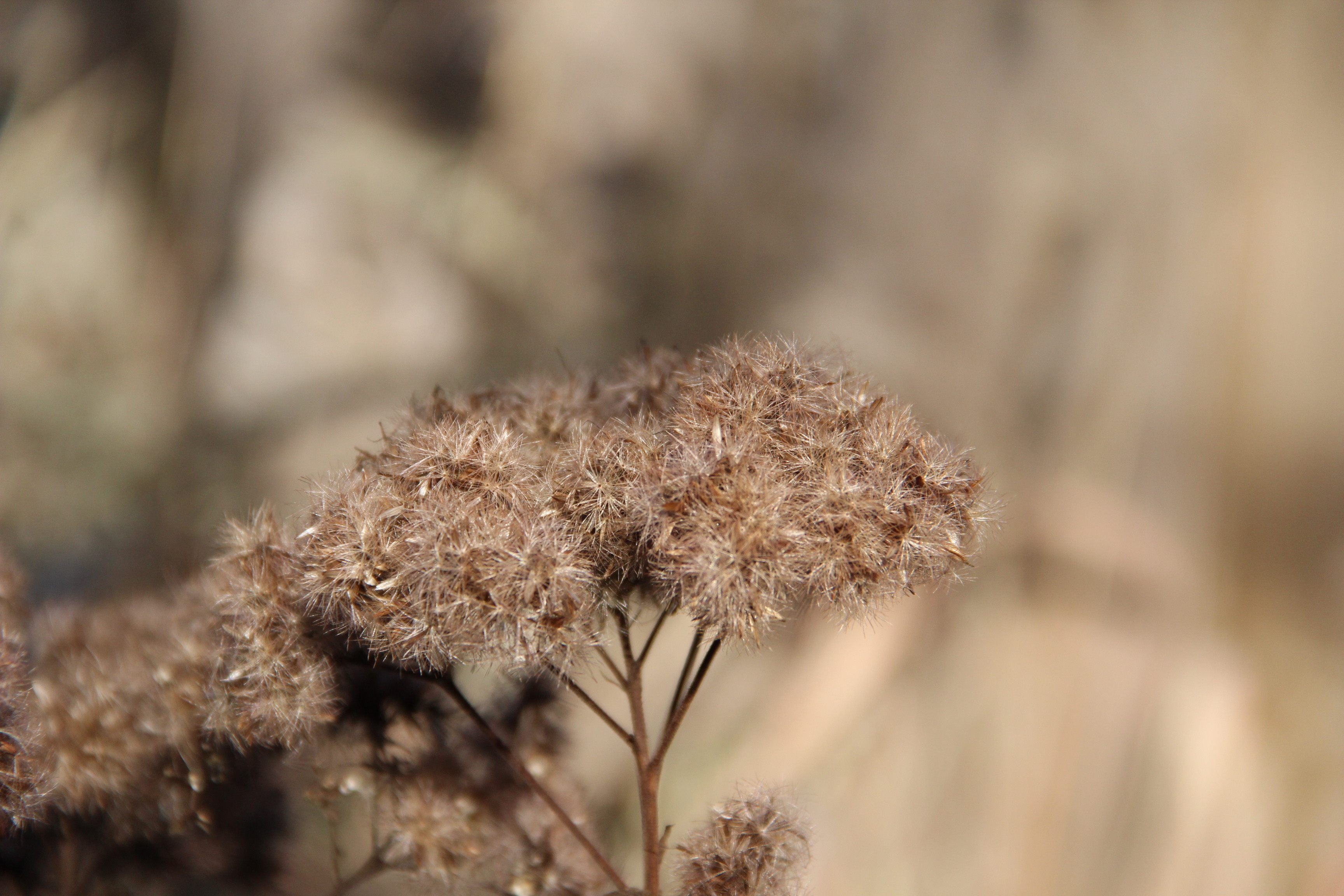
Joe-Pye seedheads.

Joe-Pye weed (Eutrochium dubium) seedheads.

Flame grass seed heads.

Flame grass (Miscanthus sinensis ‘purpurascens’) seed heads and leaves.

Fluffy goldenrod seeds.

Fluffy, soft goldenrod (Solidago) seeds.

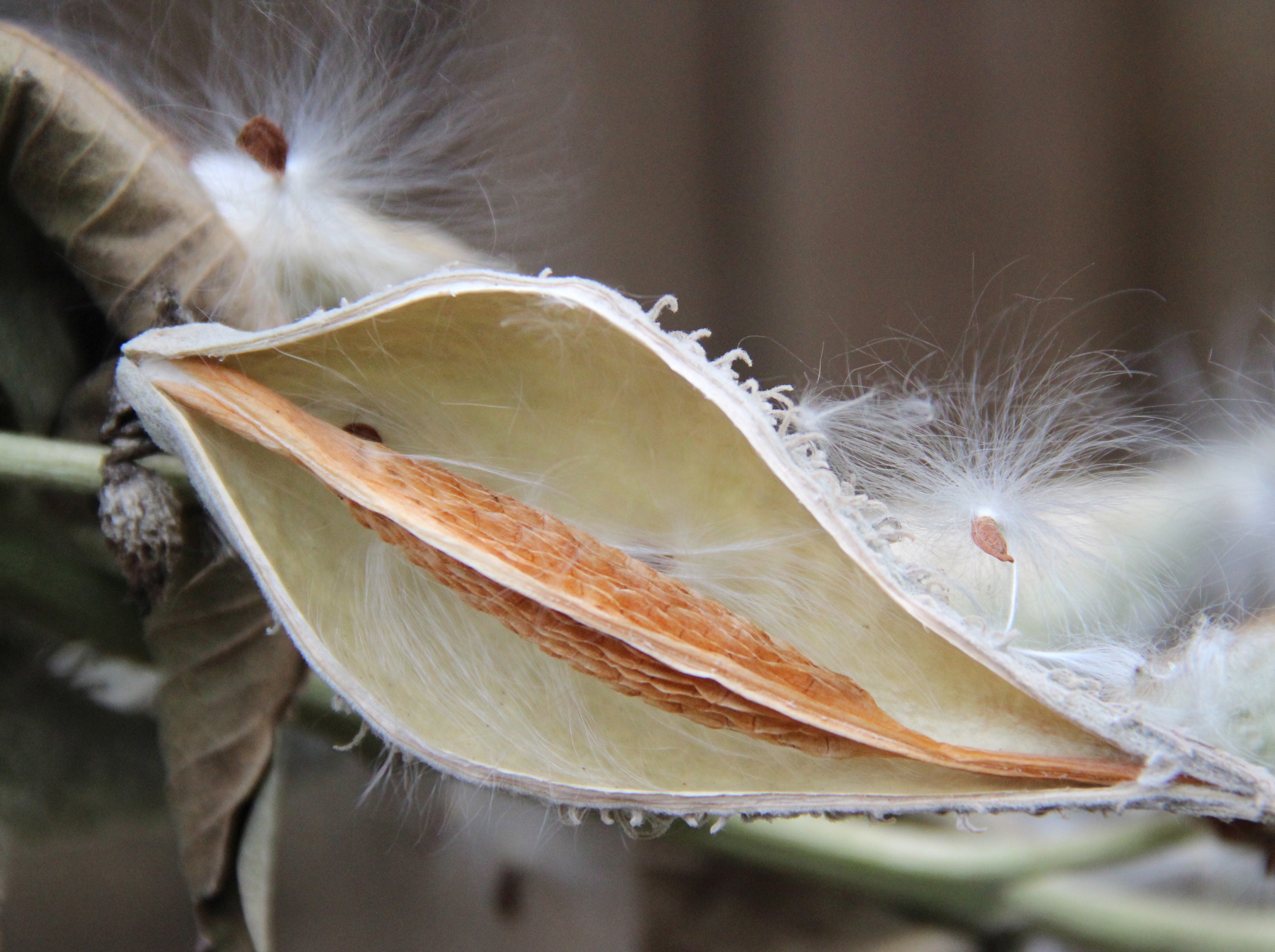
A few seeds still cling to the soft, empty cup of a milkweed pod.

A few seeds still cling to the soft, empty cup of a milkweed pod (Aesclepias syriaca).

Ready for Spring

The sun rides higher in the sky and daylight lasts almost 11 hours, but those are just about the only signs of spring — and most of us long for a warm-up that stretches beyond a meager two days.  Last week brought “bookend” snowstorms:  6.4 inches of new snow on Monday and 9.9 inches on Thursday/Thursday night, for a total of 16.3 inches measured at nearby Minneapolis-St. Paul International Airport.

As we awaited the city plows, and dug out our sidewalks, driveways and garage aprons, the meteorologists promised an end to the snow and another plunge to below-zero temperatures for at least the next week.  (In St. Paul, the average daytime high is +31°F and the nighttime low is +15°F for late February.  Today’s predicted high is +8°F with a low of -13°F.)
Fresh snow blankets white cedars in our backyard.

Heavy snow blankets white cedars in our backyard.

Ice and snow cover black spruce and a red maple in our front yard.

Ice and snow cover a black spruce and a red maple in our front yard.

How I pine for the first crocus to poke through the soil and open its delicate cup-shaped flower to the early spring sun!  But, with at least two feet of snow, plus the snow from sidewalk shoveling heaped on top of the garden, it’s likely to be several weeks before the snow melts and sunlight warms the soil.  As soon as I spy the first patch of dirt, I’ll be out every afternoon peering at the muddy earth for the first tiny, reddish-green tip of a crocus to push through to the light and signal the reawakening of life.  What signals spring to you?

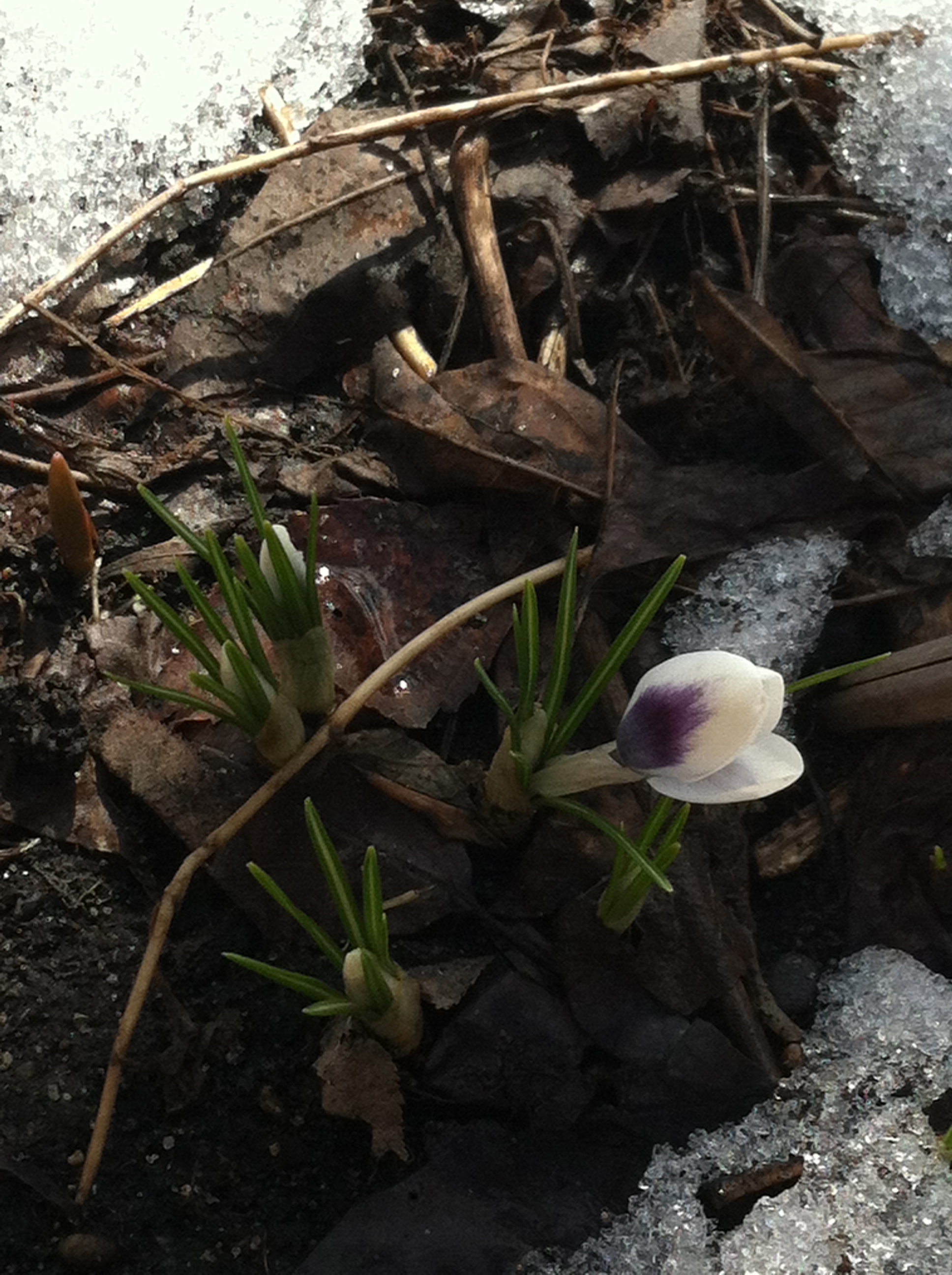
In 2013, our first crocus bloomed on April 20th in our north-facing garden).  It is

In 2013, the first crocus bloomed on April 20th in our north-facing garden. (iPhone 4)

© Beth and Nature, Garden, Life, 2013-2014.  All photographs and text are created by Beth unless specifically noted otherwise.  Excerpts and links may be used as long as full and clear credit is given to Beth and Nature, Garden, Life with specific direction to the original content.  Please do not use or duplicate material from Nature, Garden, Life without written permission from Beth.

Frost Flowers — and a Few Wild Ones

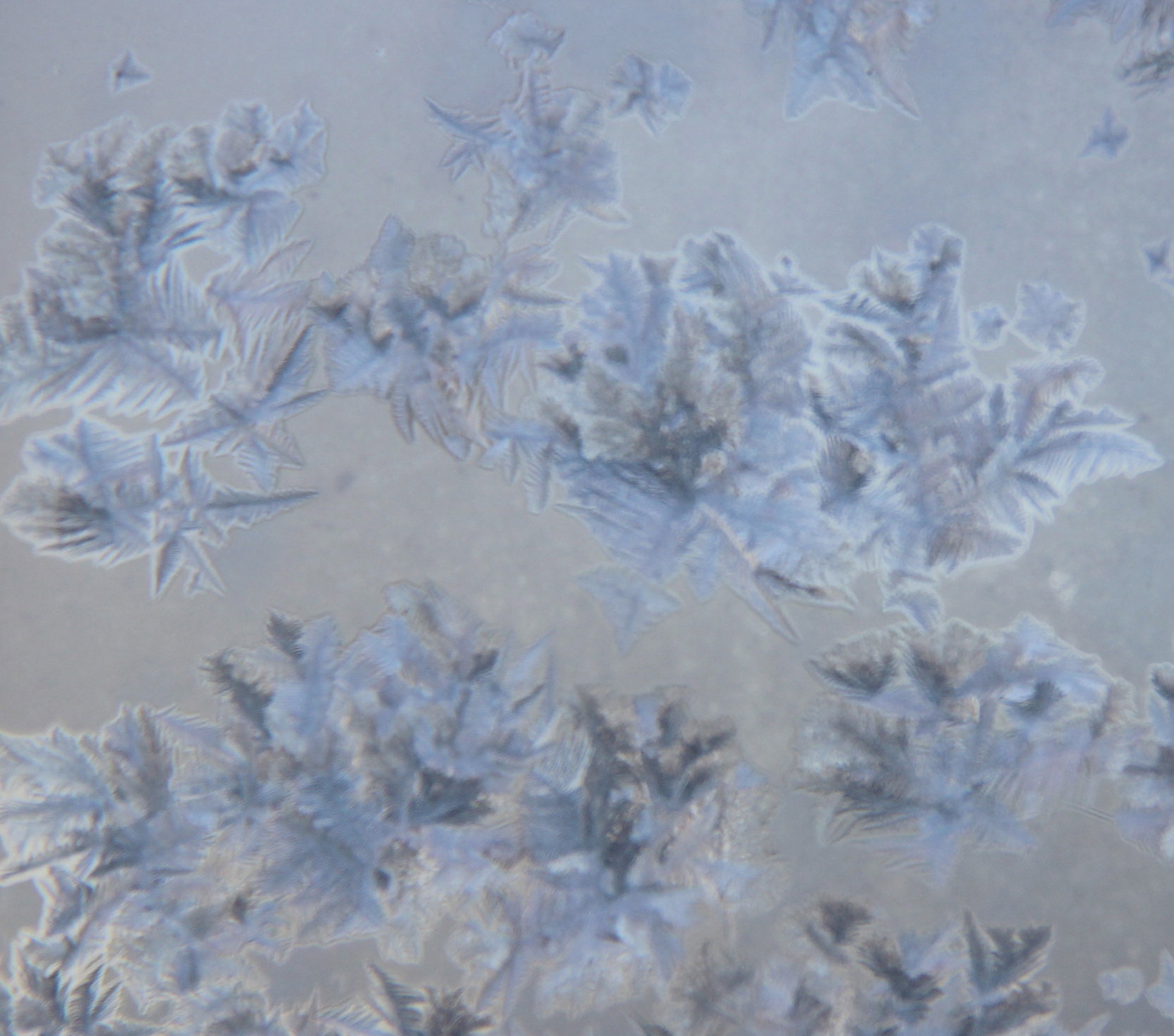
Crystalline flowers flow across the storm windows in our north-facing bathroom.  In this subzero weather, the moisture from our steamy morning showers seeps through the old, loose-fitting decorative windows and condenses as frost on the cold glass panes that cover the screens.  The patterns that take shape depend on the amount of dirt, scratches and residue on the glass, and the humidity level and temperature of the air.  These patterns are often called frost flowers, roses or ferns.

frost1

frost3

According to Halldor Svavarsson at the Icelandic Web of Science the most commonly formed pattern of crystallization is hexagonal because it requires the least amount of energy.  If the moisture settles and freezes quickly, the roses will be small and close together.  If not, the roses may be fewer in number, larger in size and may spread out on the glass.

frost4

frost5

frost2

Frost roses and ferns are delicate and lovely, but I prefer nature’s wildflowers.  Here are a few from last summer:

Monarda fistulosa also known as bergamot and beebalm.

Fragrant, spicy wild bergamot or bee balm (Monarda fistulosa).

Vernonia fasciculata also know as smooth ironweed and prairie ironweed.

Prairie or smooth ironweed (Vernonia fasciculata).

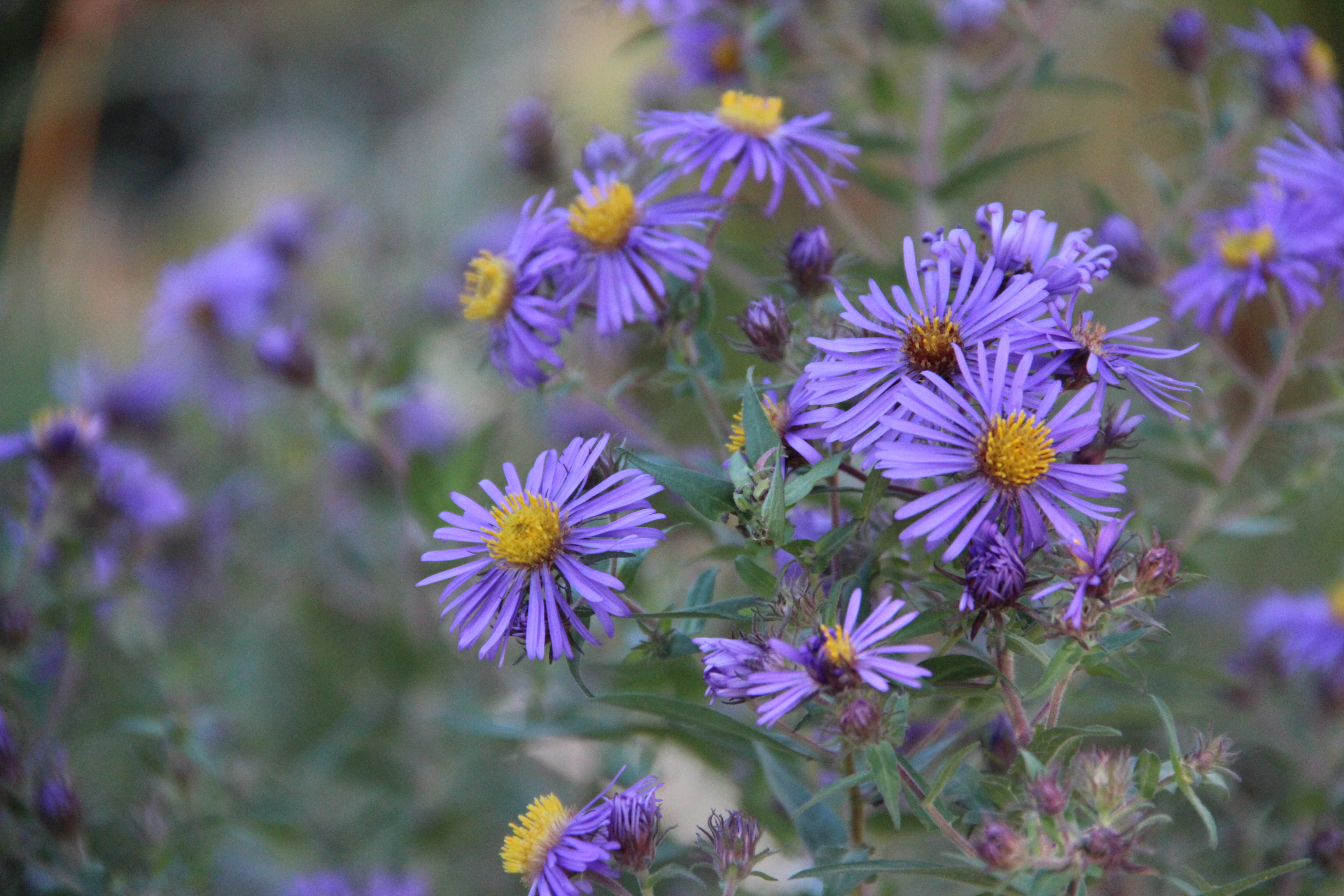
New England aster also known as Michaelmas Daisy (Symphyotrichum novae-angliae).

New England aster or Michaelmas Daisy (Symphyotrichum novae-angliae).

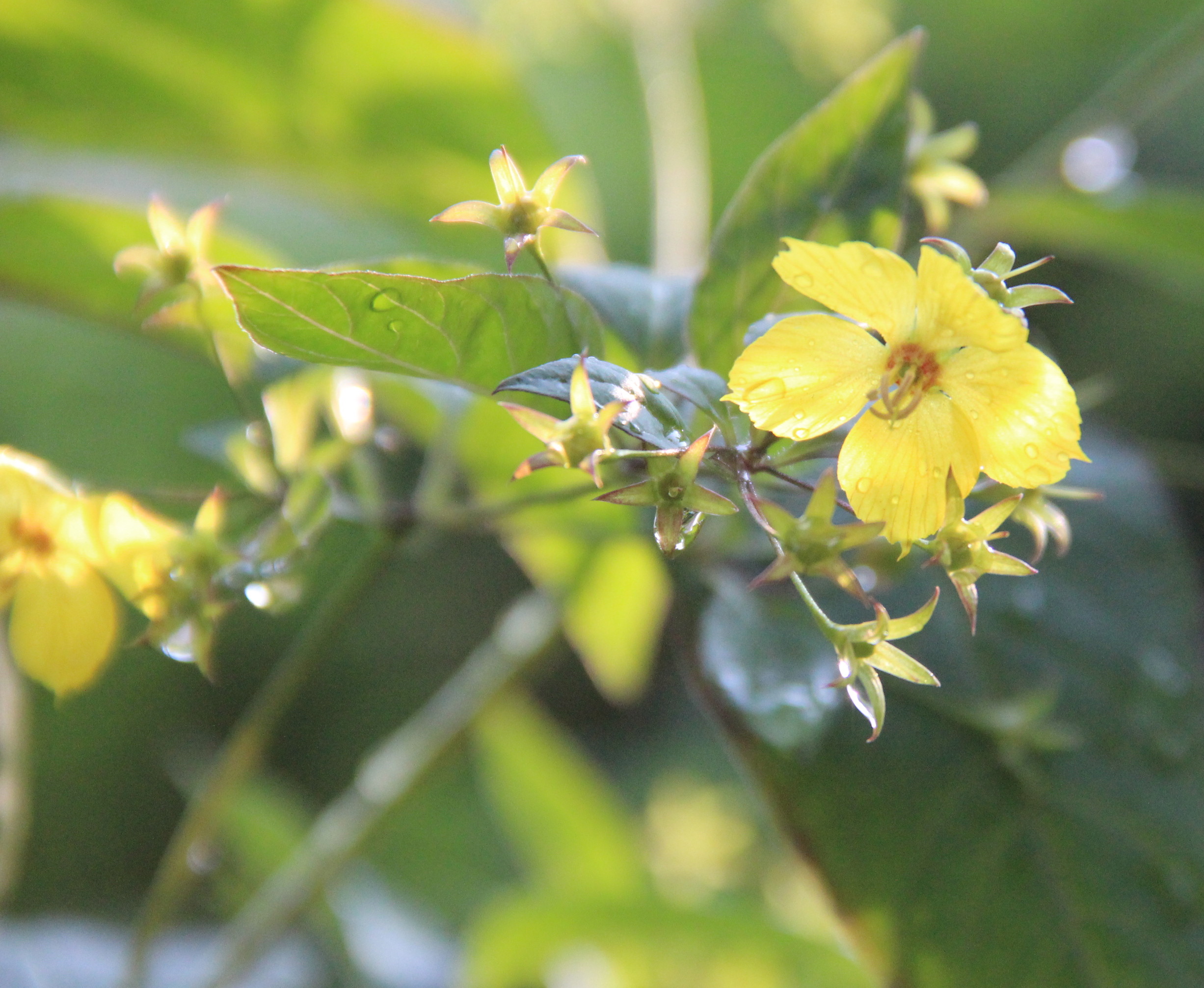
Fringed loosestrife (Lysimachia ciliata) a native perennial that is unrelated to the non-native, invasive purple loosestrife.

Native fringed loosestrife (Lysimachia ciliata) is unrelated to the non-native, invasive purple loosestrife.

© Beth and Nature, Garden, Life, 2013-2014.  All photographs and text are created by Beth unless specifically noted otherwise.  Excerpts and links may be used as long as full and clear credit is given to Beth and Nature, Garden, Life with specific direction to the original content.  Please do not use or duplicate material from Nature, Garden, Life without written permission from Beth.

December Thaw

I walked a mile or so around our city neighborhood at noon today.  The sun was gently warm in a powder-blue sky and a mild breeze blew from the south.  Melting snow plunked and gurgled in metal downspouts, and chunks of ice on roof shingles loosened and crashed to the ground.  Plants lost their winter snow caps.  Squirrels snoozed on tree branches in the sun.  Blue jays, black-capped chickadees and a white-breasted nuthatch chattered in the trees.  Walkers smiled, called greetings and shed hats and mittens in the warmth.

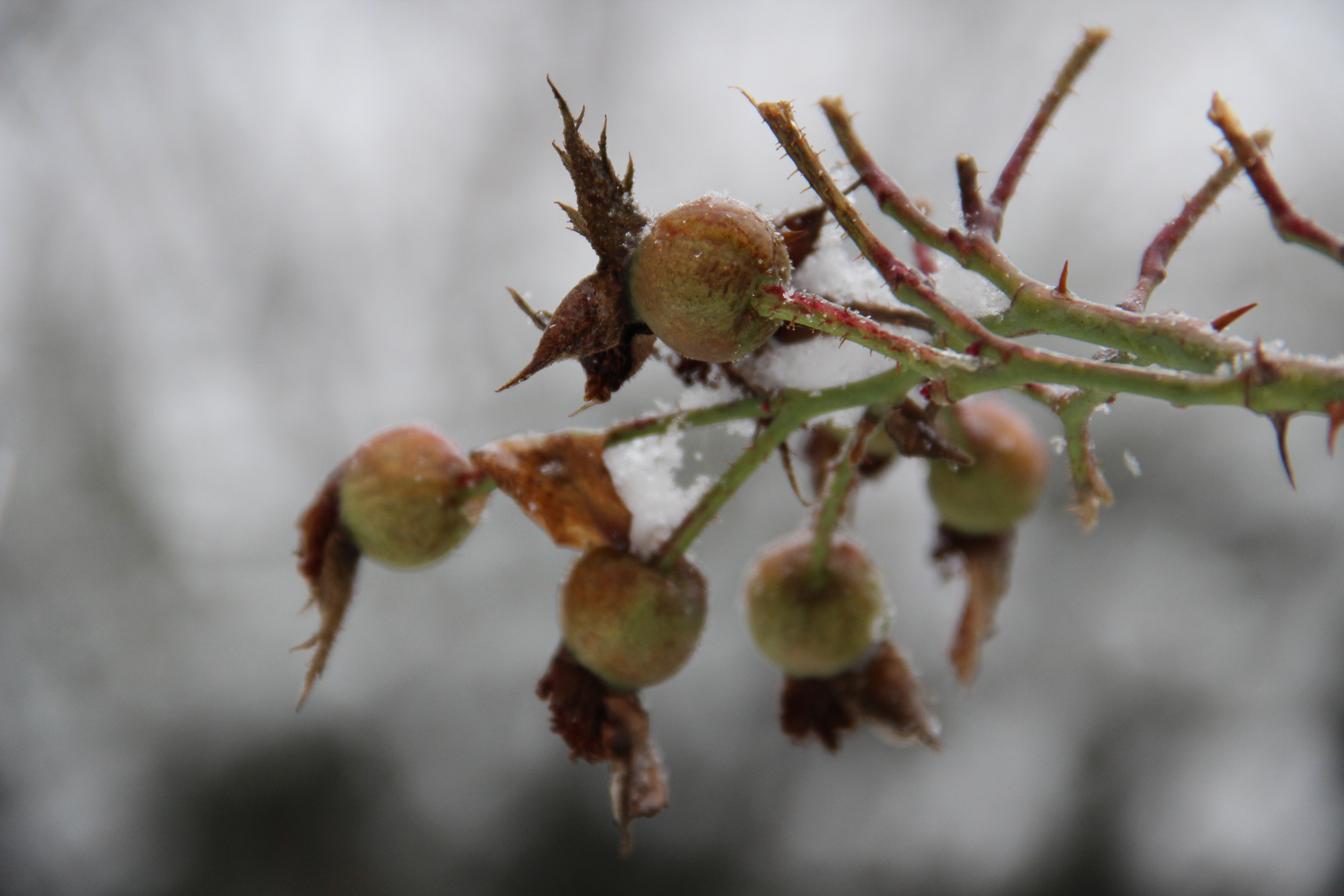
Snow melts on the still-green stems and hips of Rosa 'Henry Kelsey".

Snow melts on the still-green stems and hips of Rosa ‘Henry Kelsey’.

Six weeks ago, a high of 47 degrees (F) would have felt very chilly and worthy of complaint.   Today, it feels balmy — a glorious day to be outside.   And though the next Arctic air mass will arrive tonight with subzero temperatures and dangerous wind chills, I’ll cherish this tiny foretaste of spring while I wait for the January thaw.

Northern Christmas Greetings

In the cold darkness of the northern winter, solstice arrived and soon the days will grow noticeably longer.  May you know the beauty,

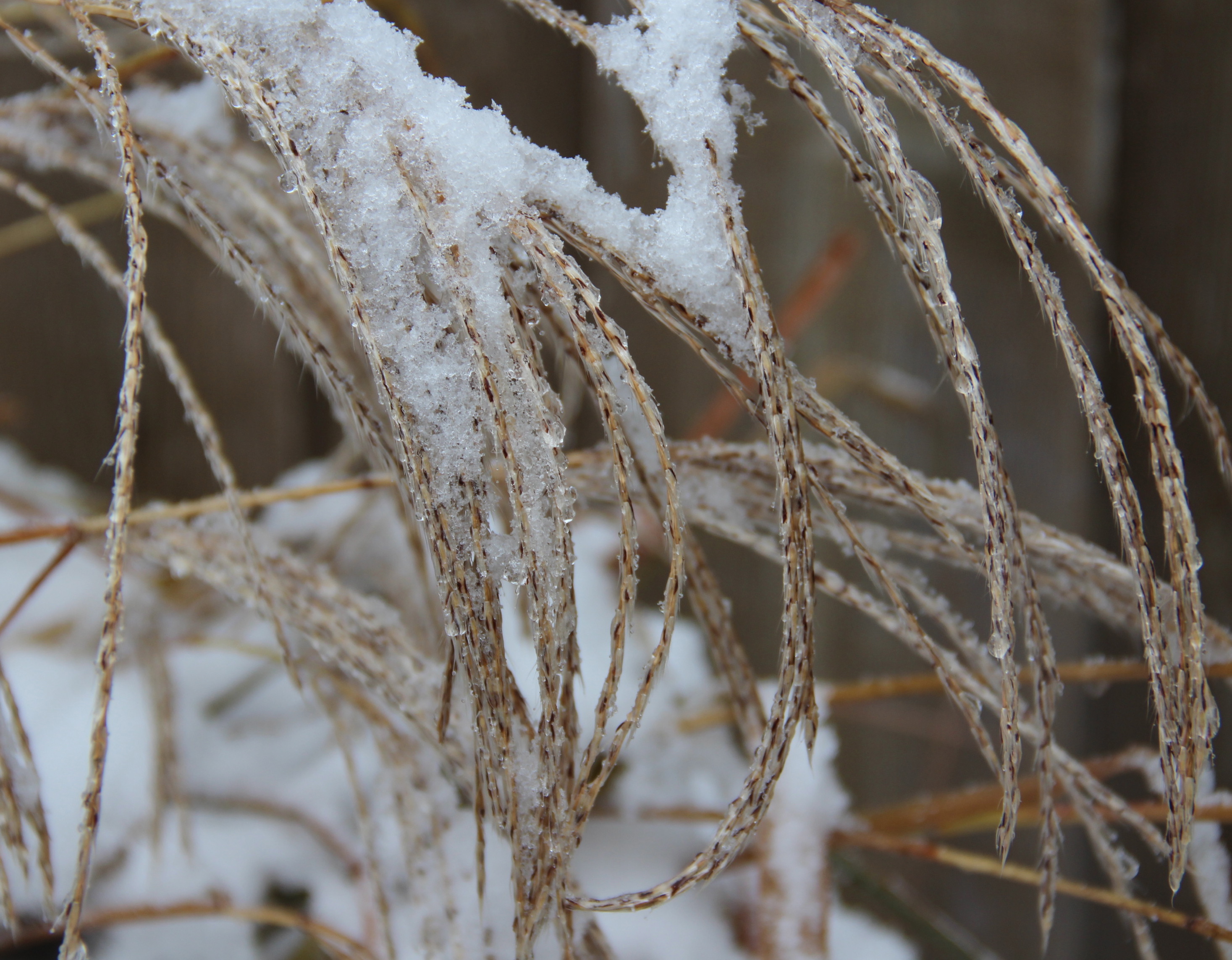
Miscanthus sinensis 'Purpurascens'

Miscanthus sinensis ‘Purpurascens’ seed heads glisten with ice, Saint Paul, Minnesota.

the quiet peace,

Red pines in the St. John's Arboretum, Collegeville, Minnesota.

Early morning among the red pines, St. John’s Arboretum, Collegeville, Minnesota.

and the joy in this season of Light.

Evening sky and Black Hiils spruce, St. Paul, Minnesota.

Evening sky and Black Hills spruce, Saint Paul, Minnesota.