Wild Columbine

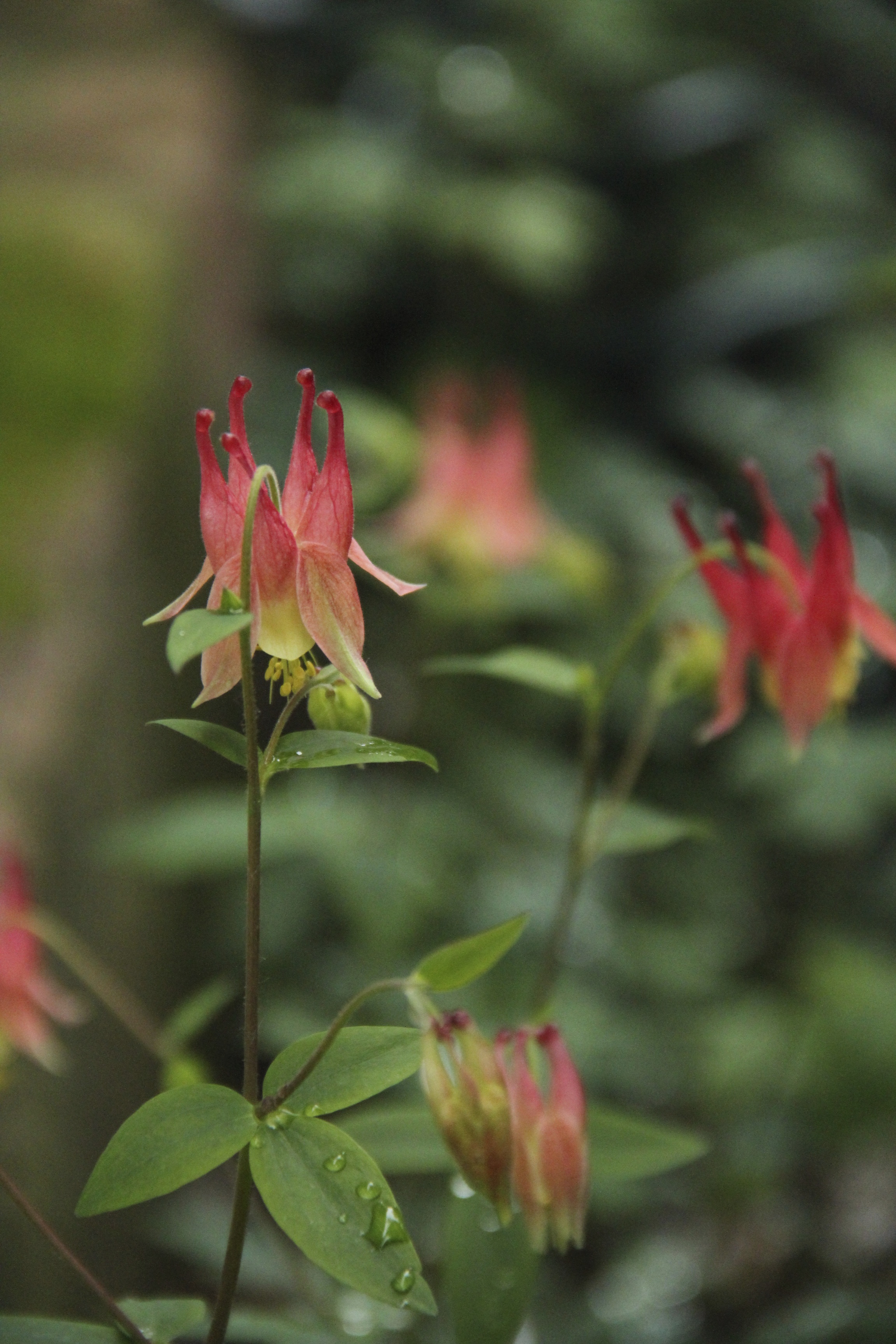
The first spring that we lived in our home, a large patch of wild columbine (Aquilegia canadensis) bloomed outside the back porch. The red-orange and yellow blooms of wild columbine dominate woodlands and rocky areas of Minnesota and eastern North America in early June.  Also called Canada columbine, or eastern red columbine, these native wild flowers are a favorite source of nectar for hummingbirds and bees.
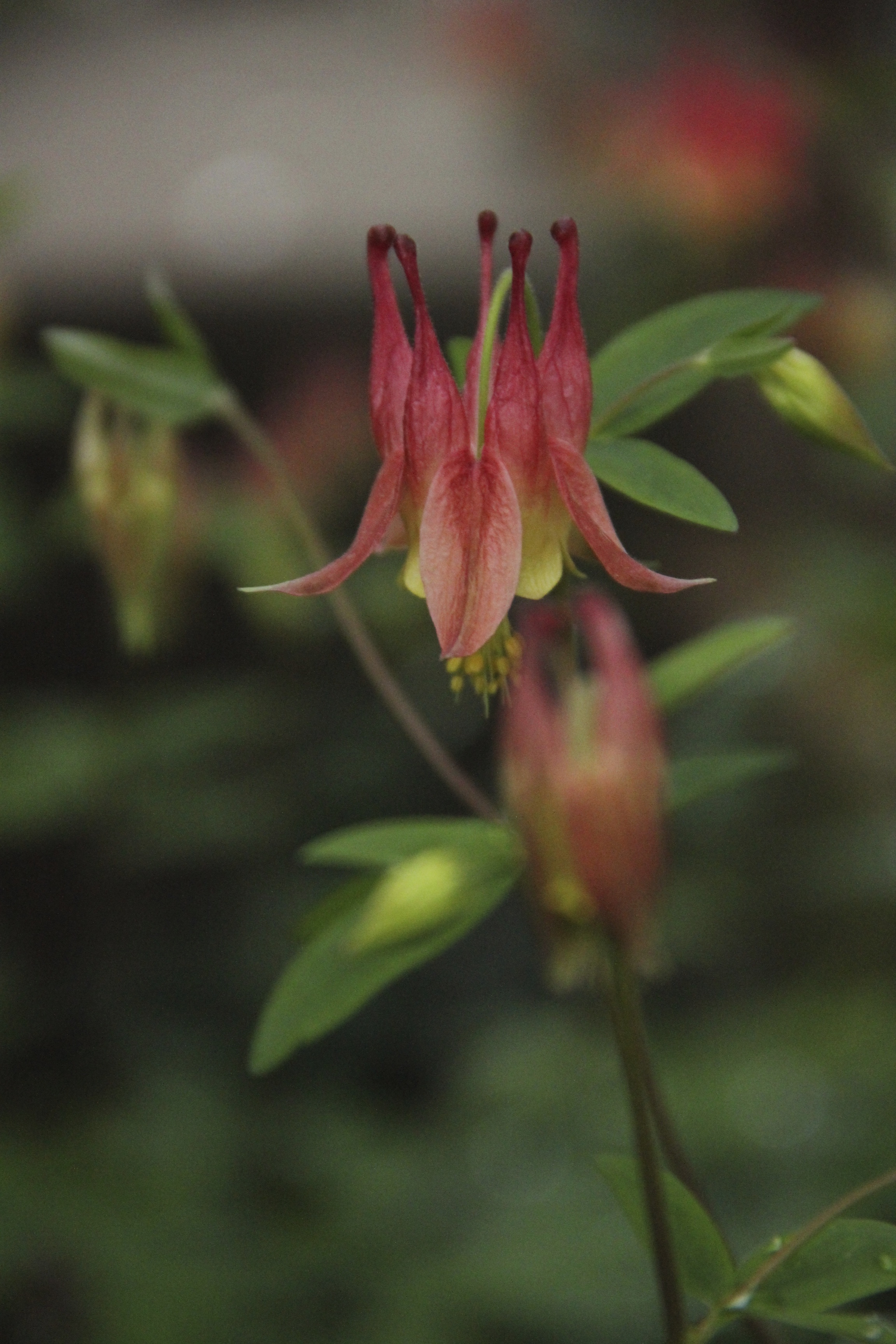
Canada columbine (Aquilegia canadensis) is native to eastern North America.

Canada columbine (Aquilegia canadensis) is native to eastern North America.

The entire patch in our yard was native Canada columbine.  That summer, I planted a small area of blue and white Colorado blue columbine (Aquilegia caerula), native to the western United States, in a different section of the yard.

Over time, nature and the bees produced lovely hybrid flowers, ranging from dark purple, to violet, a cranberry color, and pale, lemony pink.  Individual columbine do not live a long time, so the colorful hybrids usually last three or four years.  However, Canada columbine produce dozens of shiny black seeds that keep the original native wildflower growing abundantly.  The seeds often take root in small cracks in our stone garden wall, similar to the rocky habitat they favor in nature.  But they also pop up in many different spots around the backyard in both sun and shade.

A cranberry-hued hybrid columbine thanks to the bees.

A cranberry-hued hybrid columbine — thanks to the bees.

A lavender hybrid of Canada columbine and Rocky Mountain columbine.

A violet hybrid of Canada columbine and Colorado blue columbine.

The scientific and common names for this plant reflect the blossom in two different ways.  Aquilegia, from the Latin term for eagle, represents the flower as the talons of an eagle.  I like the common name columbine, which is derived from Columba, the Latin for dove.  Each section of the flower looks like the outline of a dove — from its tiny head, down through the oblong body and pointed tail.  The entire blossom resembles a group of five doves.

The "five doves" form the blossom and give columbine its common name.

The “five doves” form the blossom and give columbine its common name.

Whether you see the eagle or the dove, columbine is a beautiful spring wild flower and an important source of nectar for insects and hummingbirds.  It also adapts well to gardens, especially rock and wall gardens.  The colorful flower, scalloped foliage and large seed pods make it an interesting plant for much of the spring and summer.

The sticky green seed pod will ripen an split open to reveal shiny black seeds.

The sticky green seed pod will ripen and split open to release shiny black seeds.

Our “Biodiverse” Lawn

Our “lawn” would be outlawed in most of the Twin Cities’ tonier suburbs.  But living in the city allows for a little more variety.  Twenty years ago we sodded our yard after building an addition.  The grass was perfect — pure, uniform blades of healthy green.  We kept it that way for a couple of years, then quit using chemicals when our son was old enough to play in the yard.

First a few common violets dotted the grass with their subtle, delicate blooms.  Then dandelions showed their bright heads —miniature globes of sunshine that blossomed into balls of fluff.  Our son loved to blow the fluff, watch the seeds dance on the breeze and settle into the grass (to grow the following spring).

Canada violets and common blue violets grow in our backyard.

White clover (Trifolium repens), Canada violets (Viola canadensis) and common blue violets (Viola sororia) grow in our backyard lawn.

Canada violets (Viola canadensis) and dandelions (Taraxacum officinale).

Canada violets (Viola canadensis) and dandelions (Taraxacum officinale).

Over the years, seeds from garden Siberian squill and striped squill spilled out into the lawn during heavy rains.  They popped up in all parts of the backyard along with three other species of violets.  These spring blooms are lovely and welcome, but the plantain, chickweed and crabgrass that appear later in the summer?  Not so much.

Siberian squill bloom in the grass in April, but quickly disappear for the rest of the growing season.

Siberian squill (Scilla siberica) bloom in the grass in April, but quickly disappear for the rest of the growing season.

One afternoon our neighbor, Steve, an environmental engineer, stopped to chat while I was digging out dandelions.  I bemoaned the state of our lawn.  Steve looked at it for a minute, then said that he thinks of it as a biodiverse lawn.  The variety of blooms, though they are “weeds” in the eyes of most people, provide a great source of nectar to native bees and other pollinators.  The insects and worms provide food for birds, chipmunks and many small critters.  In comparison, Steve said, our former uniform lawn was a “dead zone” with little life beyond the non-native grass.

I still miss our perfect lawn when I look at the lush, tidy, green grass on our block, and every summer I’m tempted to use chemicals to restore ours.  But, I ignore that urge and instead, we mow the “grass” down to a short patch of green turf that is alive with birds, insects and other creatures — and that also looks  acceptable to our neighbors!

Early Spring

Spring is slow in coming this year; but over the past two weeks, the awakening of life has softened the dingy, post-winter landscape.  Summer bird migrants add their songs to the morning chorus; maples, Canada cherries and other trees bud; chipmunks dart about in the yard; and the early spring bulbs begin to bloom — among them my favorite: the beautiful blue squill.

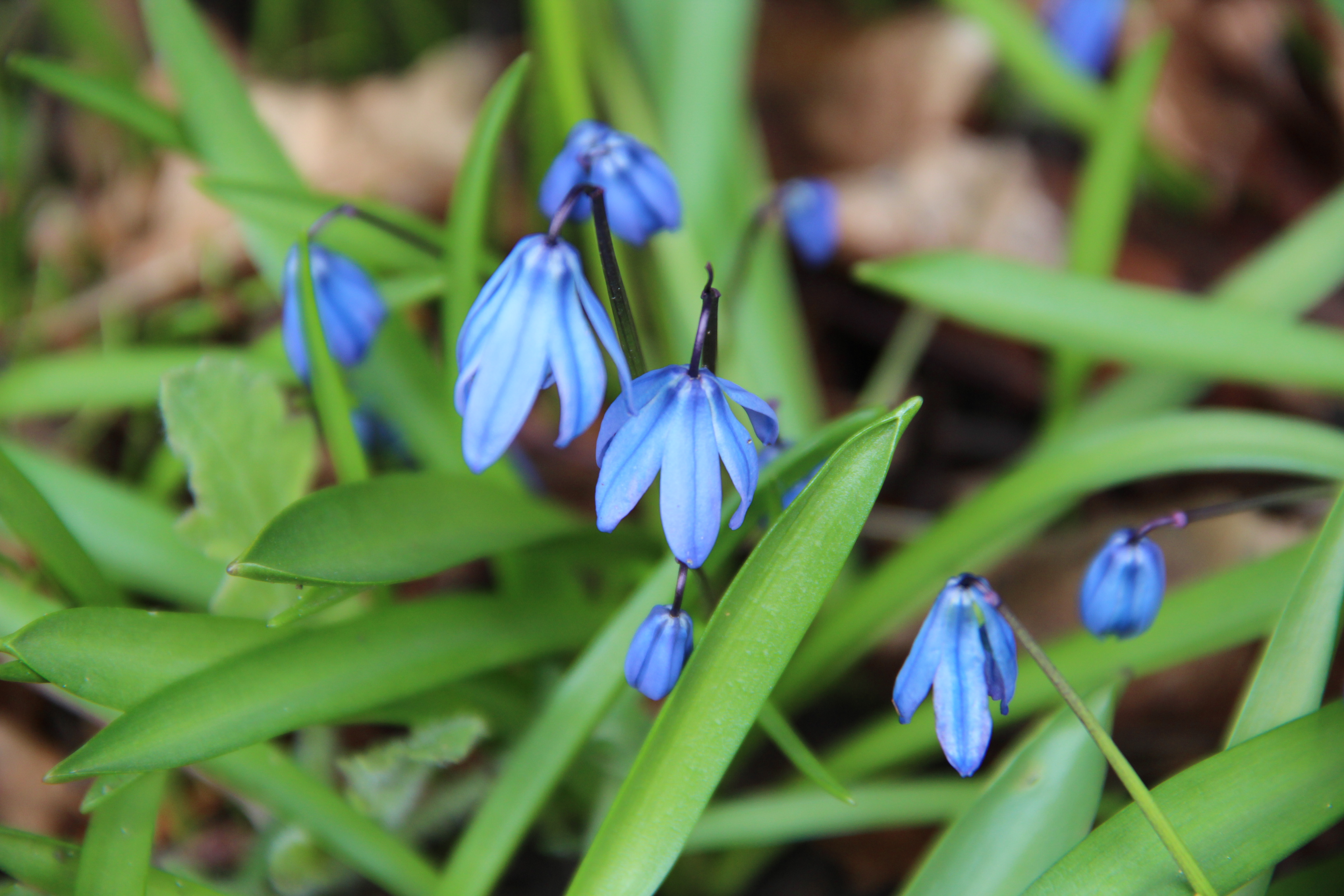
Siberian Squill (Scilla Siberica)

Siberian Squill (Scilla siberica).

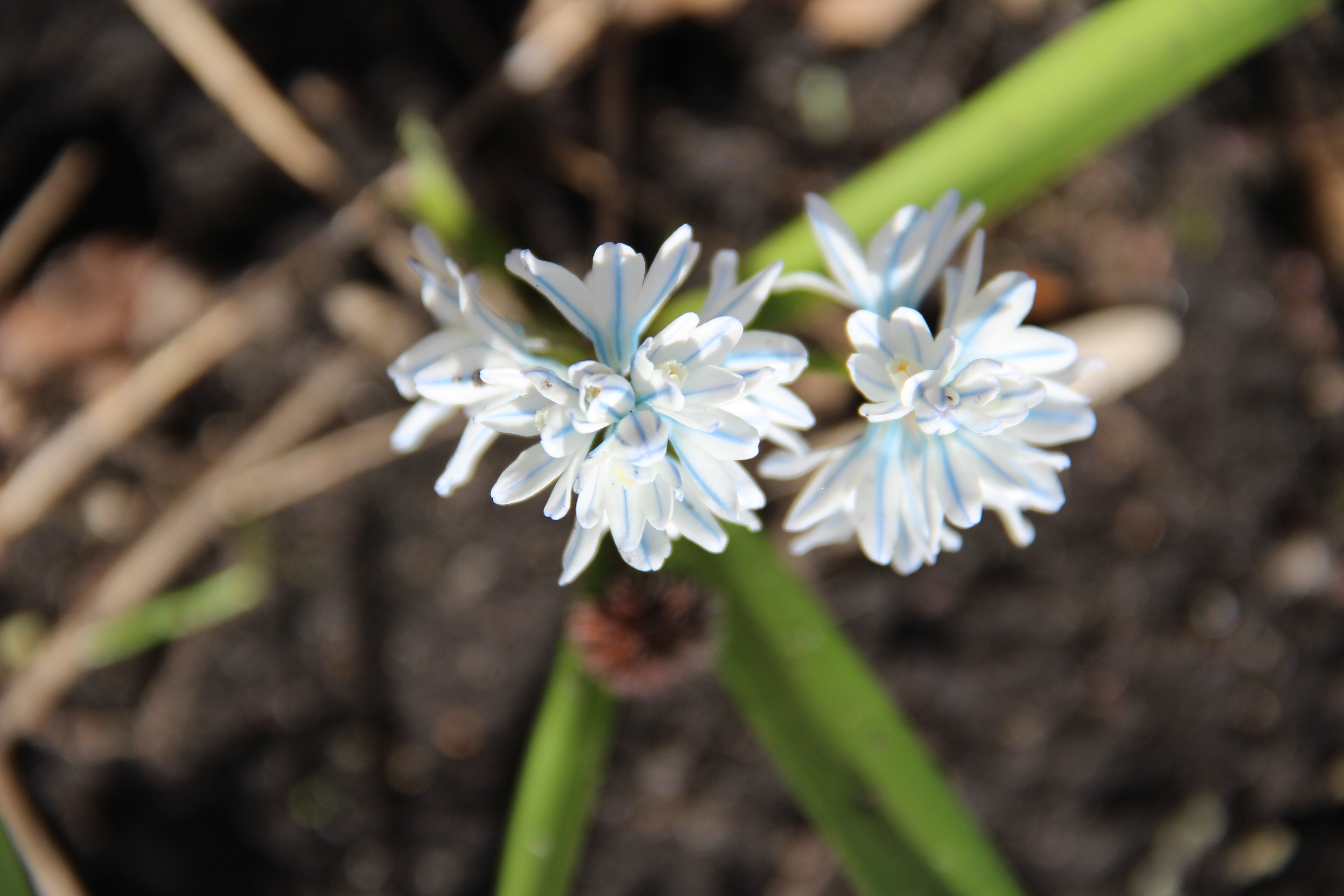
Striped Squill (Puschkinis scilloides).

Striped Squill (Puschkinis scilloides).

Crocus buds (Crocus spp 'ladykiller).

Crocus buds (Crocus species ‘Ladykiller’).

Crocus blossoms (Crocus spp 'ladykiller')

Crocus blossoms (Crocus species ‘Ladykiller’)

Red Maple Flowers (Acer rubra).

Red Maple flowers (Acer rubrum).

Canada cherry (Prunus virginiana 'Canada Red') leaves and flower buds

Canada Cherry (Prunus virginiana ‘Canada Red’) leaves and flower buds.

White-throated Sparrow (Zonotrichia albicollis) © T.M. Murray 2014; used with permission.

White-throated Sparrow (Zonotrichia albicollis) © T.M. Murray 2014; used with permission.

White-throated sparrows are migrating north and add a melodious, clear whistling to early spring mornings.  Once you’ve heard the song, it’s easy to remember.  Many people liken it to the phrase, “My Sweet Canada, Canada, Canada”.  This sparrow has a bright white throat, a black-and-white striped crown and a bright yellow spot between the eyes and bill.  Listen to and watch a white-throated sparrow whistle its lovely, plaintive song.
 

Eastern chipmunks (Tamias striatus) are out of their dens.

Eastern Chipmunks (Tamias striatus) are out of their winter dens.

American robins (Turdus migratorius) are building nests.

American Robins (Turdus migratorius) are building nests.

Newly opened Glory-of-the-Snow (Chinodoxa).

Newly opened Glory-of-the-Snow (Chinodoxa).

A patch of striped squill and Siberian squill in our garden.

A patch of Striped Squill and Siberian Squill in our garden.

Hermit Thrush Visitors

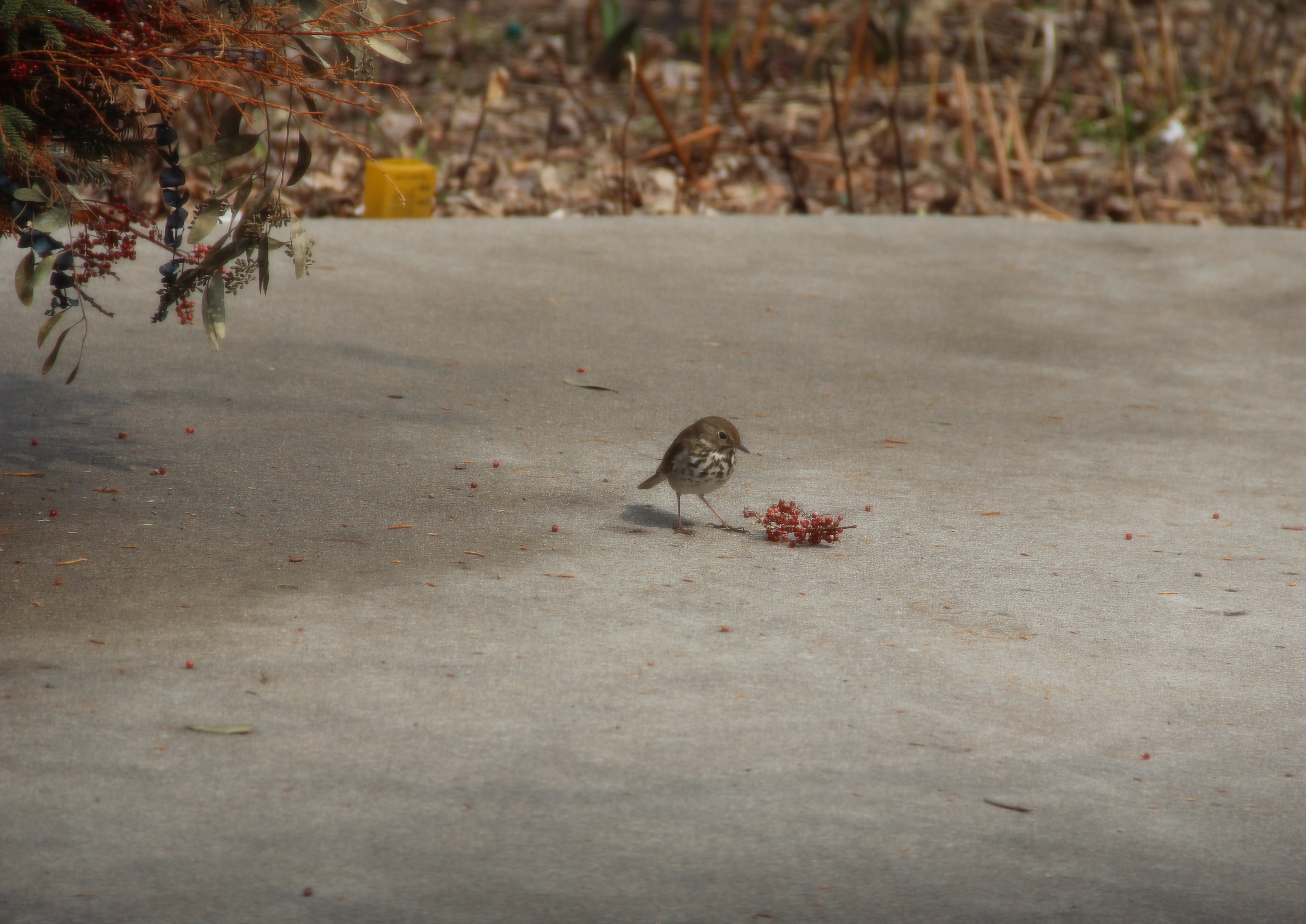
A hermit thrush eats berries from our patio planter.

A hermit thrush eats berries from our patio planter.

Recent strong winds brought a pair of migrating hermit thrushes to our backyard.  Their brown backs, spotted breasts and rust-colored tails camouflaged them well among the leaves littering the gardens and against our winter-weary lawn.  They plucked berries from a planter on the patio, picked in the grass under the suet and thistle feeders, and turned over leaves in the garden in search of food.

Cousins to American robins, eastern bluebirds and several other thrushes, hermit thrushes may be the best singers of the family. Their song is flute-like, liquid, melodious.  In Minnesota, these songsters spend the summer in the north-central and northeastern regions of the state.  It is rare to hear a hermit thrush sing during migration, and over the many years that migrants have rested in our yard, I’ve heard their ethereal singing only once  —  when a bird perched in a tall arbor vitae and sang on a sunny morning.  Watch and listen to a hermit thrush sing its haunting song.

hermit4

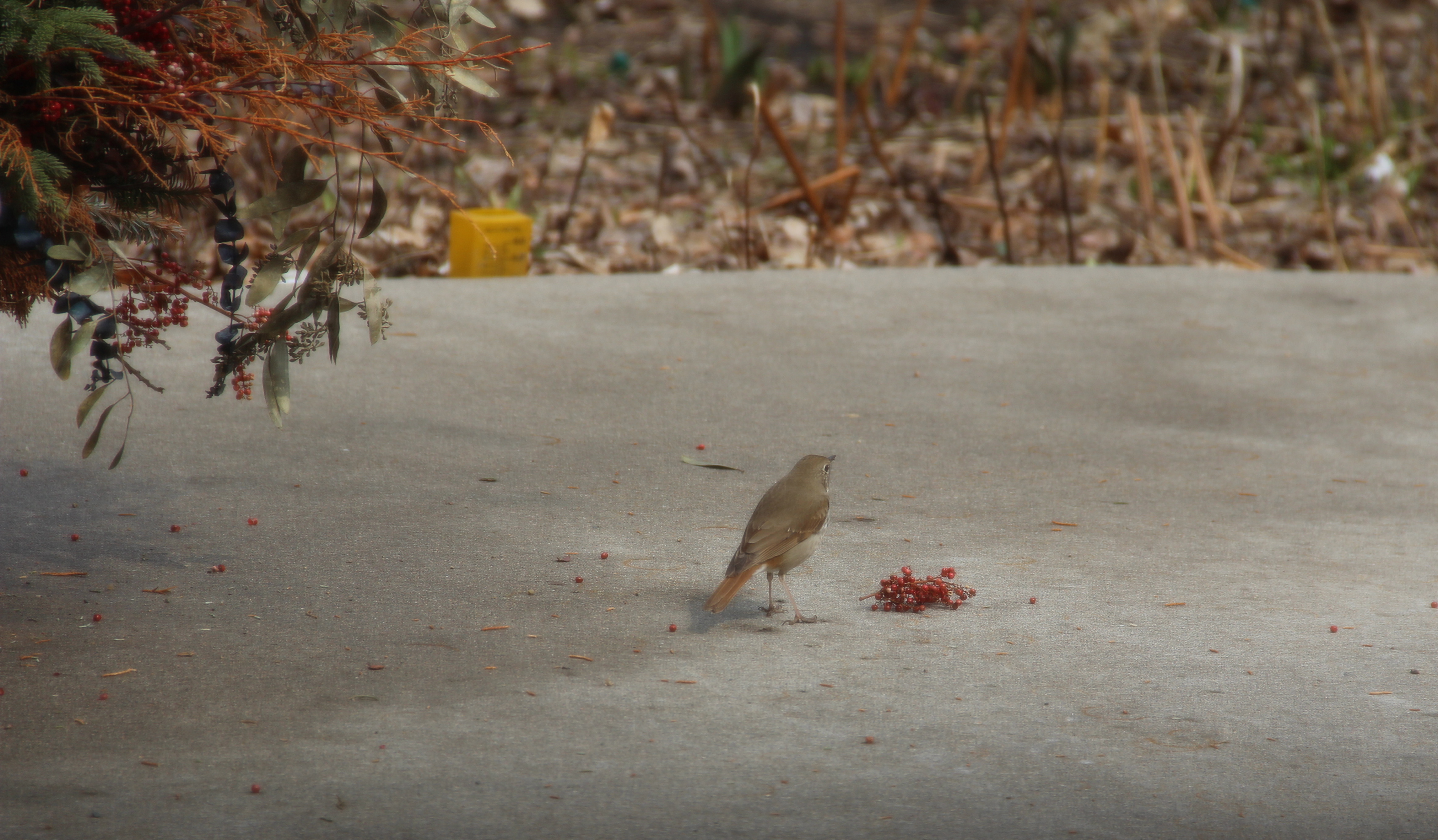
A rust-colored tail helps identify the hermit thrush.

Some thrush species can be tough to tell apart because of the spotted breast and brown coloring shared by many. But, if the bird has a rusty tail that it flicks up and down, you’ll know you’ve likely spotted a hermit thrush!


Spring’s First Green

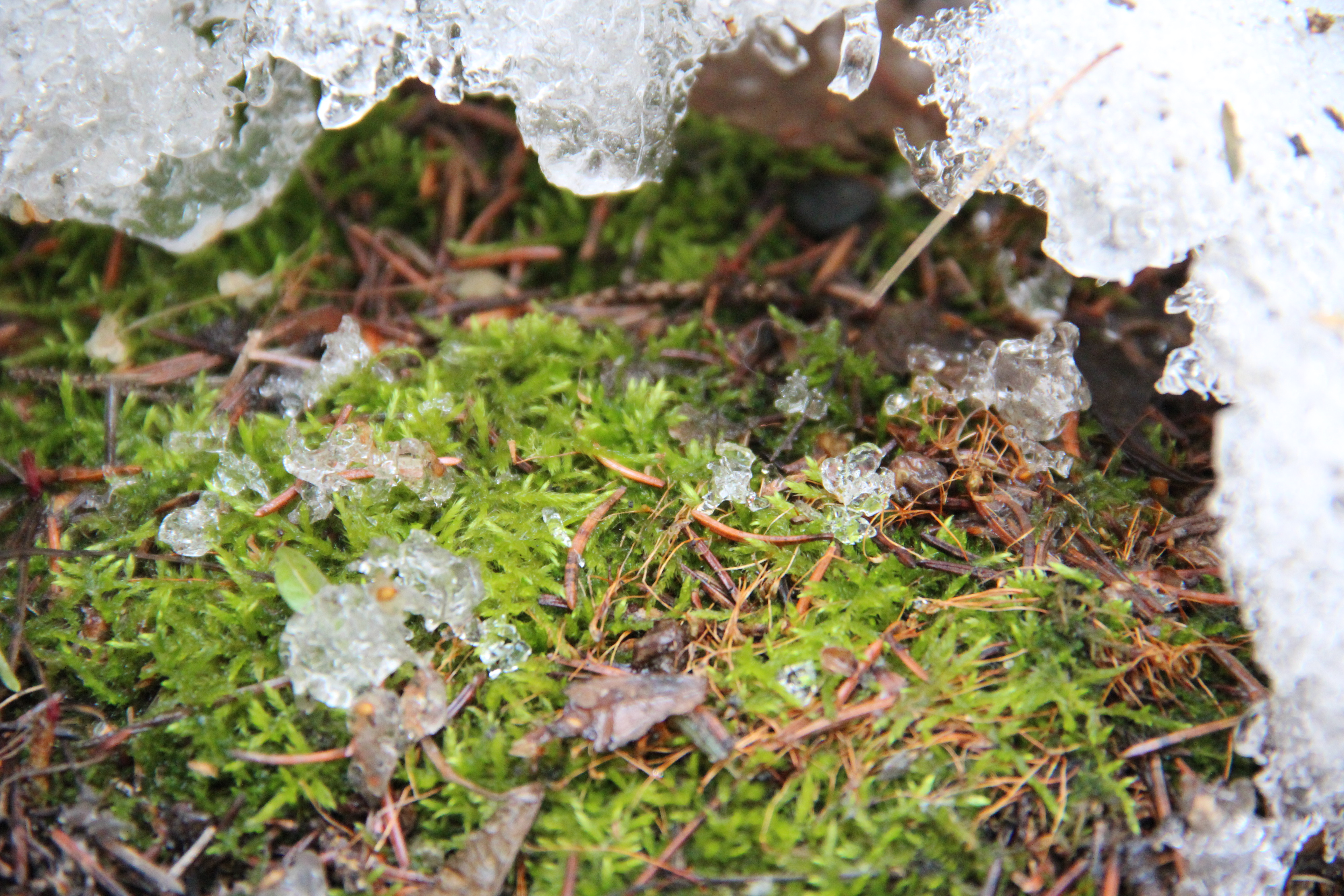
Melting snow waters and revives a tiny patch of moss.

Melting snow waters and revives a tiny patch of moss.

Early last week, I searched the few exposed patches of dirt for signs of bulbs pushing through the soil.  No sign of bulbs in the north-facing garden, yet.  Instead, I found the first bright green of the season:  An oasis of moss tucked beneath a little cavern of melting snow under our spruce tree.  Threaded with tiny seeds and spruce needles, the moss was the golden green of spring and droplets of melting snow refreshed it.  Lovely, restful green; a beautiful, hopeful color after months of black and white.

Morning Song

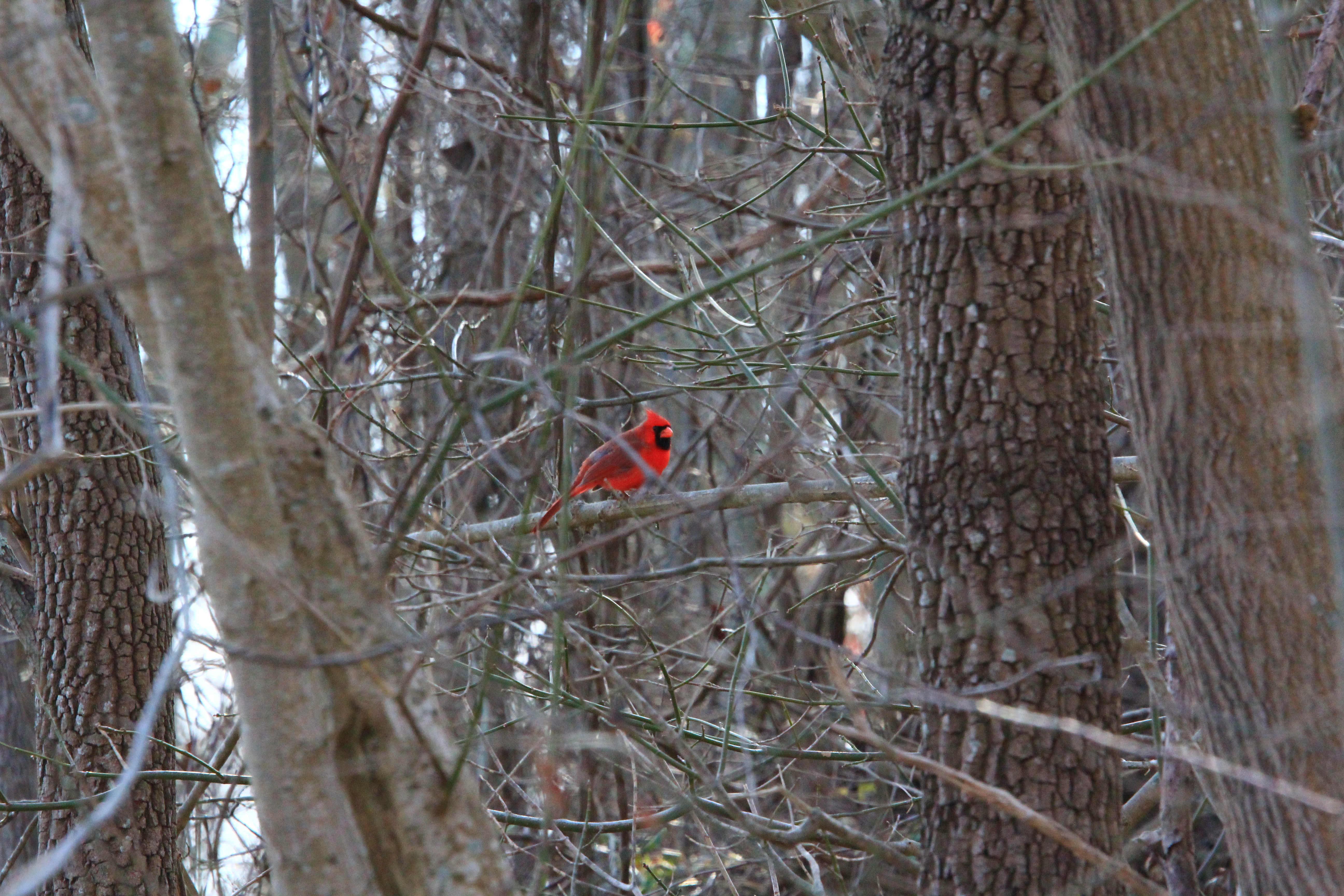
Each morning between 6:00 and 6:30, a male cardinal perches in the arbor vitae at the back of our yard and sings in the predawn darkness.  His melodious whistles serenade his mate, define his territory and bring cheer to the cold morning.

When the sun is higher, he whistles a more intricately patterned call.  Soon his mate comes to feed at the suet brick while he watches from the cedars, a red ornament decorating the green fronds. His lady is softly colored in olive and brown highlighted with pinkish red.  I haven’t heard her song yet this year, but female cardinals are able to sing as lovely as males, and soon she will join him — especially when they begin nesting, to communicate location and the need for food.

This cardinal pair has nested in our hedge for the past two summers.

This cardinal pair has nested in our hedge for the past two summers.

Why does the sight of a cardinal bring joy to so many people? Cardinals are common, year-round residents throughout most of Minnesota, the eastern United States and Mexico. Yet, spotting a flash of red in a tree top, at a feeder, or in a garden is always delightful.  For me, it is because cardinals sing when most other birds are silent — on frigid late-January mornings and sweltering late-summer afternoons; and because, most summers, they raise a family in the hardwood hedge in our backyard; and, simply for their red brilliance against the winter landscape or among the purple and gold in our September garden.  A common bird, perhaps; uncommonly beautiful, most certainly.

2014 TM Murray; used with permission.

A male cardinal glows in the stark winter woods.  © 2014 T. M. Murray; used with permission.

Quaking Aspen Buds

The season's first tiny catkin buds open on quaking aspens (Populus tremuloides).

The season’s first tiny catkin buds open on quaking aspens (Populus tremuloides).

Shiny, brown buds began to open on a neighbor’s quaking aspen trees today!  Each open bud held what looked like a tiny, soft, gray cat’s paw, similar to a pussy willow bud.  Aspens are members of the willow family, so it’s no coincidence that they bear soft, fuzzy catkins.  The buds will develop into long catkins, which are the aspen’s flowers. They are wind-pollinated and the male catkins will release large amounts of yellow pollen into the air later in the spring.  (According to pollen.com, poplars and junipers already are releasing low levels of pollen in the Twin Cities.)  The seeds will develop and be dispersed with tufts of soft, white “cotton” before the leaves open.

Ready for Spring

The sun rides higher in the sky and daylight lasts almost 11 hours, but those are just about the only signs of spring — and most of us long for a warm-up that stretches beyond a meager two days.  Last week brought “bookend” snowstorms:  6.4 inches of new snow on Monday and 9.9 inches on Thursday/Thursday night, for a total of 16.3 inches measured at nearby Minneapolis-St. Paul International Airport.

As we awaited the city plows, and dug out our sidewalks, driveways and garage aprons, the meteorologists promised an end to the snow and another plunge to below-zero temperatures for at least the next week.  (In St. Paul, the average daytime high is +31°F and the nighttime low is +15°F for late February.  Today’s predicted high is +8°F with a low of -13°F.)
Fresh snow blankets white cedars in our backyard.

Heavy snow blankets white cedars in our backyard.

Ice and snow cover black spruce and a red maple in our front yard.

Ice and snow cover a black spruce and a red maple in our front yard.

How I pine for the first crocus to poke through the soil and open its delicate cup-shaped flower to the early spring sun!  But, with at least two feet of snow, plus the snow from sidewalk shoveling heaped on top of the garden, it’s likely to be several weeks before the snow melts and sunlight warms the soil.  As soon as I spy the first patch of dirt, I’ll be out every afternoon peering at the muddy earth for the first tiny, reddish-green tip of a crocus to push through to the light and signal the reawakening of life.  What signals spring to you?

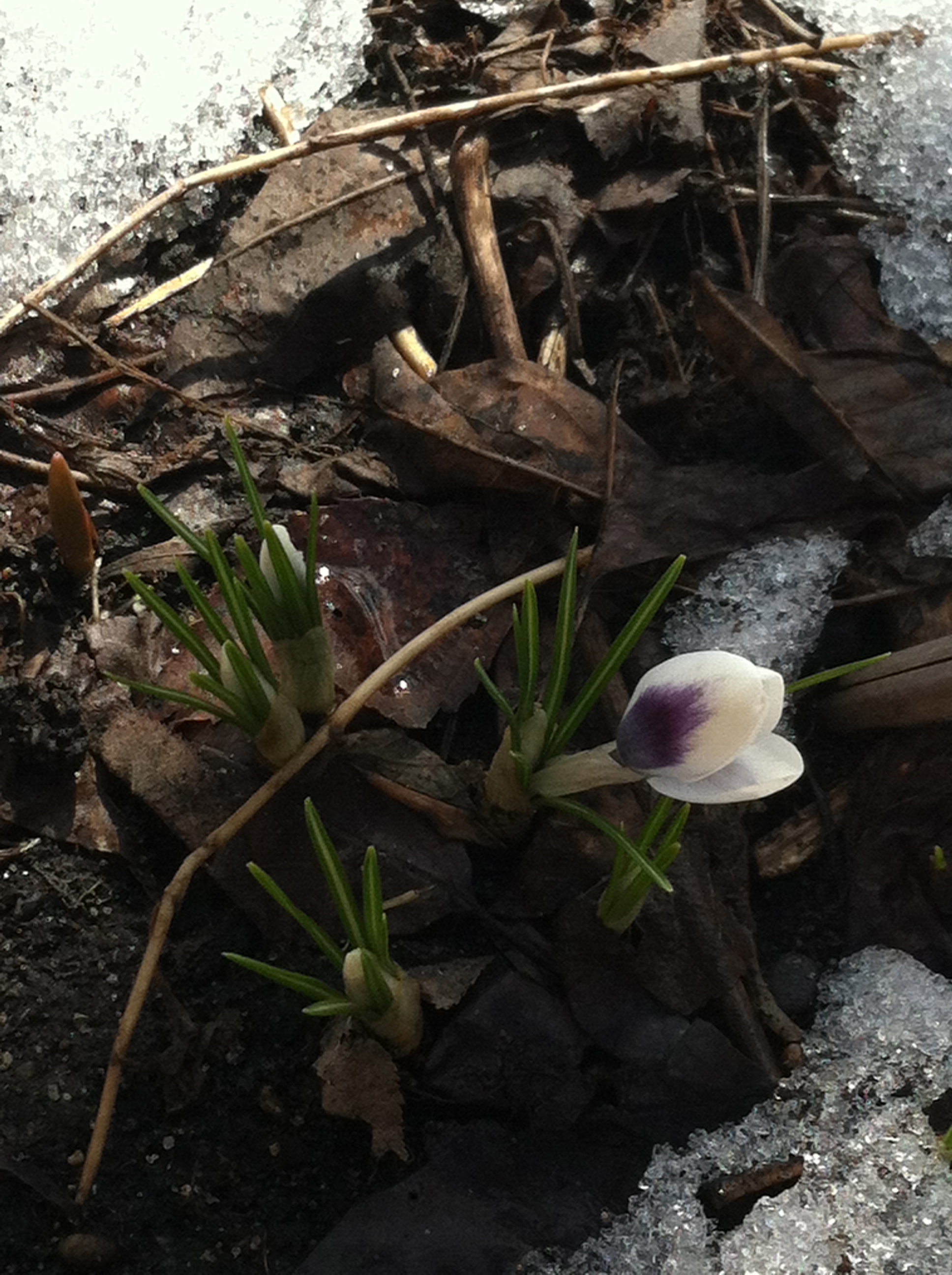
In 2013, our first crocus bloomed on April 20th in our north-facing garden).  It is

In 2013, the first crocus bloomed on April 20th in our north-facing garden. (iPhone 4)

© Beth and Nature, Garden, Life, 2013-2014.  All photographs and text are created by Beth unless specifically noted otherwise.  Excerpts and links may be used as long as full and clear credit is given to Beth and Nature, Garden, Life with specific direction to the original content.  Please do not use or duplicate material from Nature, Garden, Life without written permission from Beth.

Frost Flowers — and a Few Wild Ones

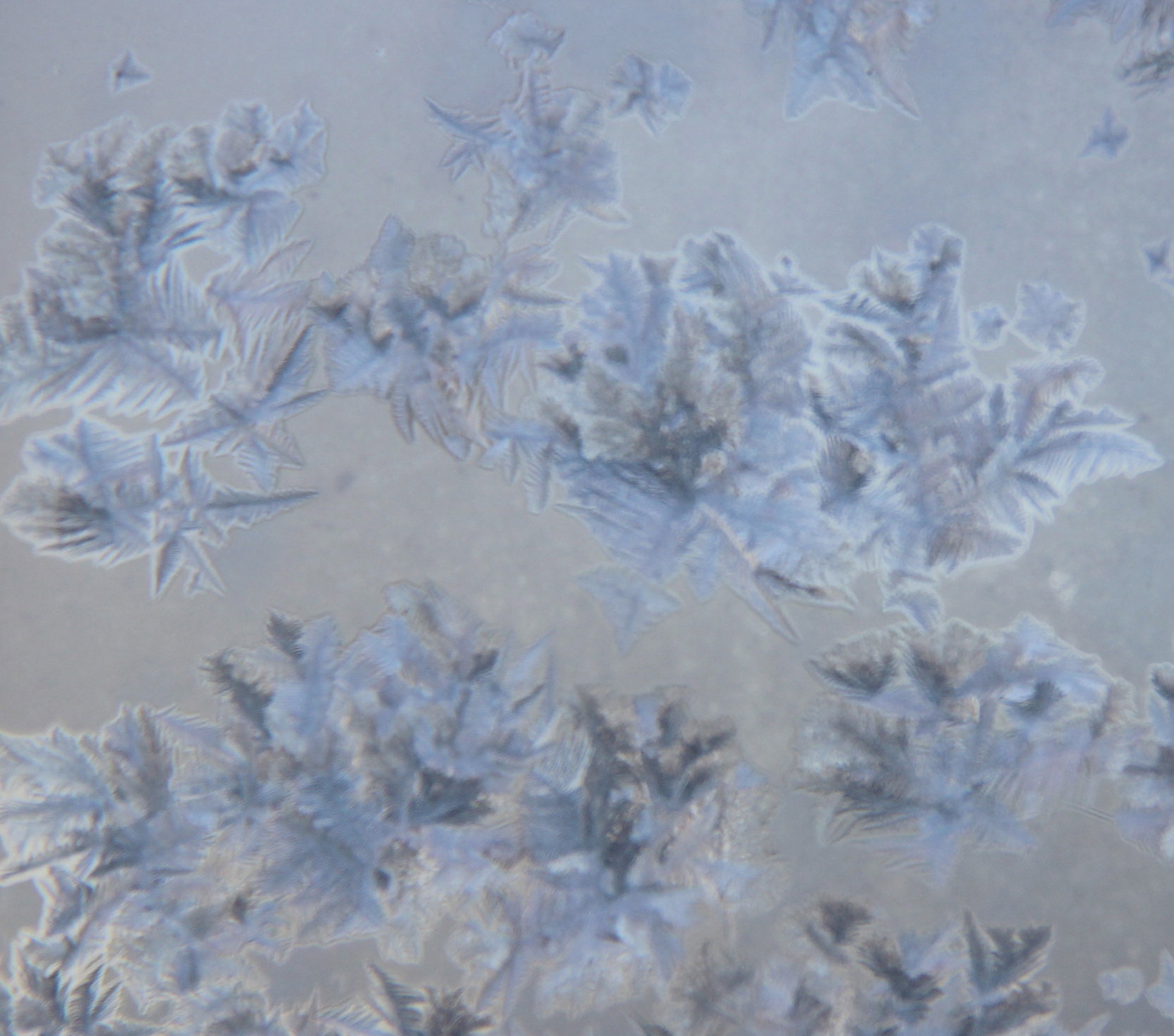
Crystalline flowers flow across the storm windows in our north-facing bathroom.  In this subzero weather, the moisture from our steamy morning showers seeps through the old, loose-fitting decorative windows and condenses as frost on the cold glass panes that cover the screens.  The patterns that take shape depend on the amount of dirt, scratches and residue on the glass, and the humidity level and temperature of the air.  These patterns are often called frost flowers, roses or ferns.

frost1

frost3

According to Halldor Svavarsson at the Icelandic Web of Science the most commonly formed pattern of crystallization is hexagonal because it requires the least amount of energy.  If the moisture settles and freezes quickly, the roses will be small and close together.  If not, the roses may be fewer in number, larger in size and may spread out on the glass.

frost4

frost5

frost2

Frost roses and ferns are delicate and lovely, but I prefer nature’s wildflowers.  Here are a few from last summer:

Monarda fistulosa also known as bergamot and beebalm.

Fragrant, spicy wild bergamot or bee balm (Monarda fistulosa).

Vernonia fasciculata also know as smooth ironweed and prairie ironweed.

Prairie or smooth ironweed (Vernonia fasciculata).

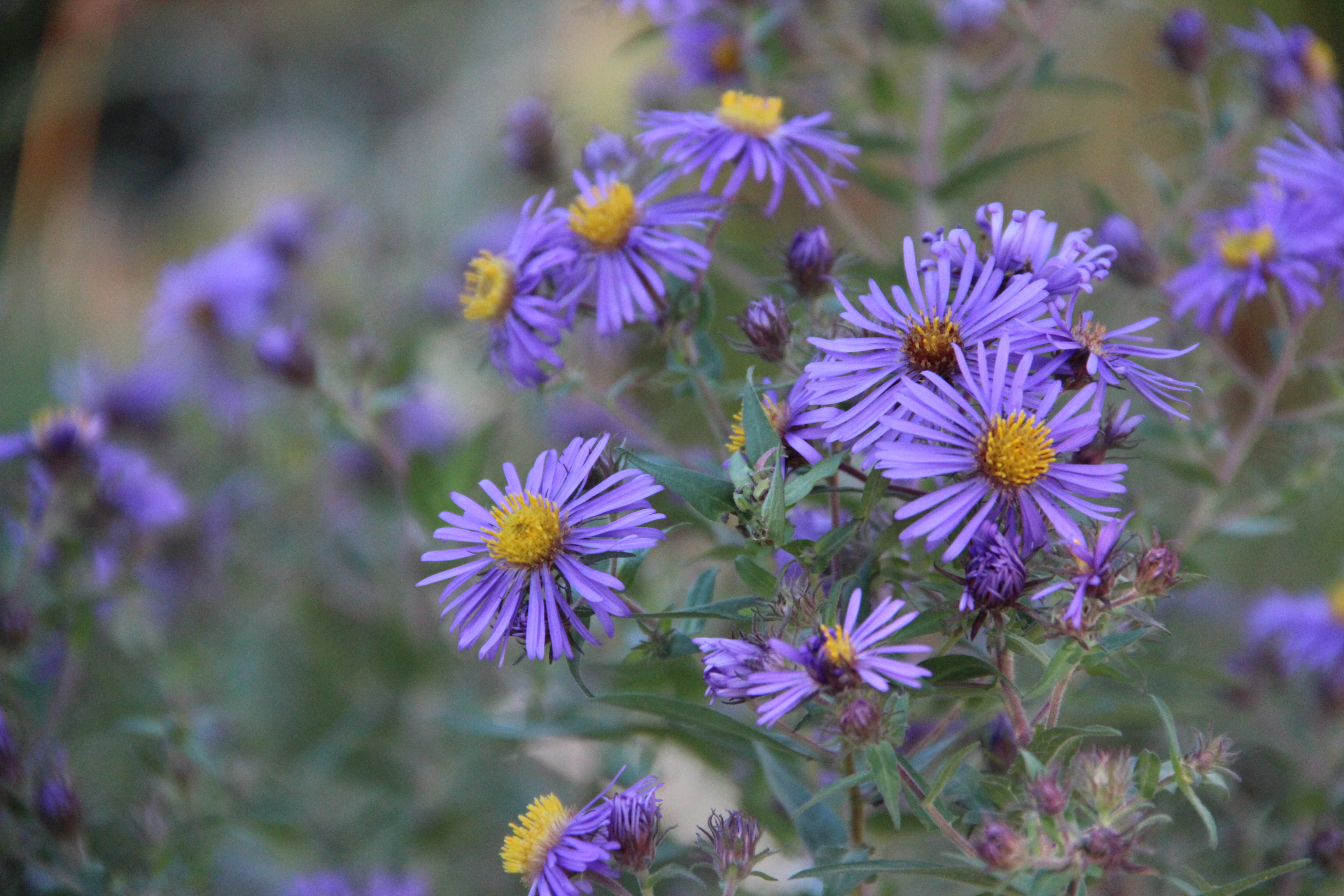
New England aster also known as Michaelmas Daisy (Symphyotrichum novae-angliae).

New England aster or Michaelmas Daisy (Symphyotrichum novae-angliae).

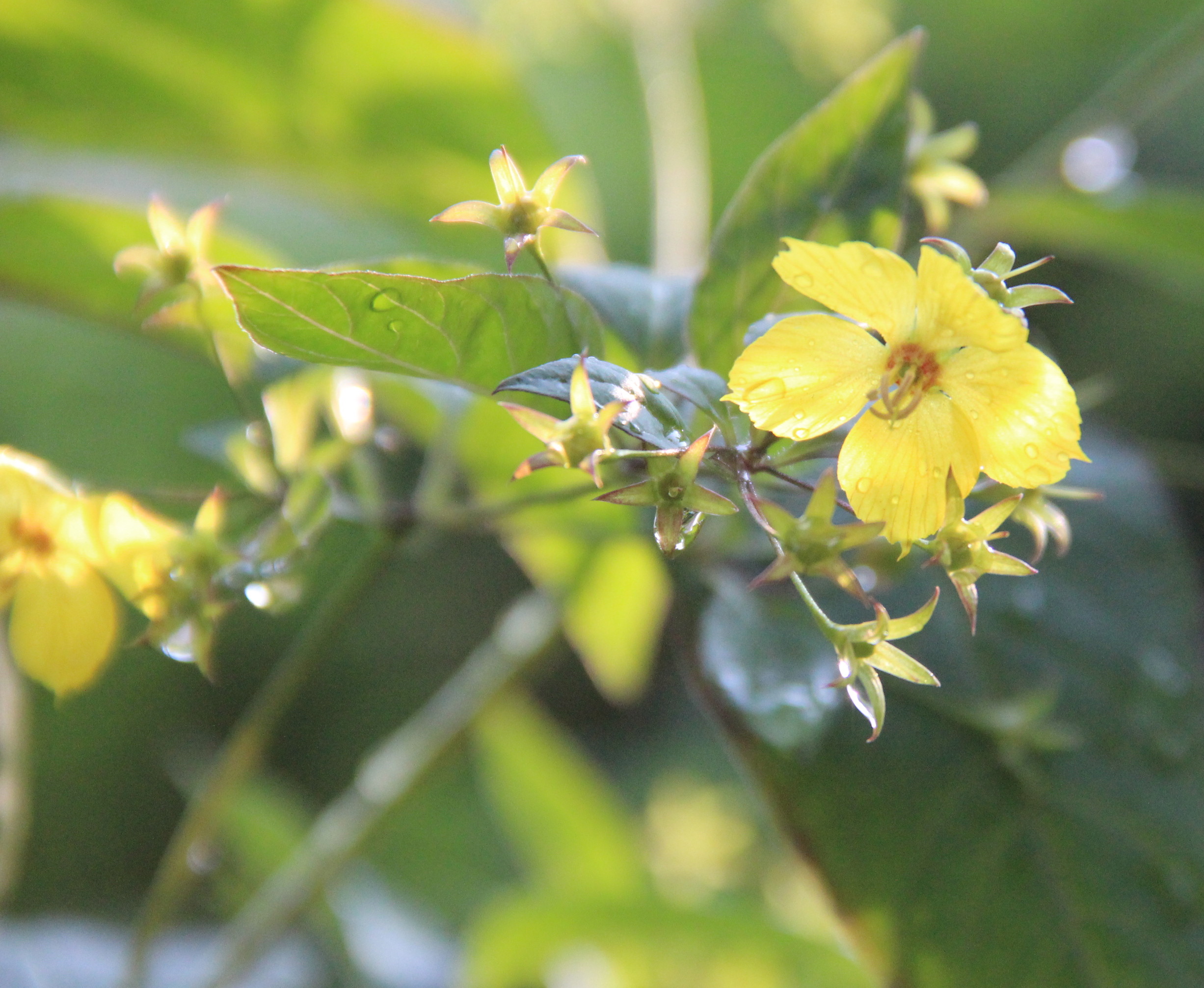
Fringed loosestrife (Lysimachia ciliata) a native perennial that is unrelated to the non-native, invasive purple loosestrife.

Native fringed loosestrife (Lysimachia ciliata) is unrelated to the non-native, invasive purple loosestrife.

© Beth and Nature, Garden, Life, 2013-2014.  All photographs and text are created by Beth unless specifically noted otherwise.  Excerpts and links may be used as long as full and clear credit is given to Beth and Nature, Garden, Life with specific direction to the original content.  Please do not use or duplicate material from Nature, Garden, Life without written permission from Beth.

Nature: Looking Back at 2013

Snow, ice and cold blanket Minnesota now, but last June through October the woodlands bustled with life.  From unfurling ferns, to hummingbirds and harebells, to the changing Snake River and autumn woods in Pine County, MN, here are a few of nature’s simple gifts in 2013 that I recall with gratitude — and look forward to seeing again in 2014.  Happy New Year!

Trillium grandiflorum blooms at the base of a burr oak.

Large-flowered trillium (Trillium grandiflorum) and early meadow rue (Thalictrum dioicum) bloom at the base of a burr oak.

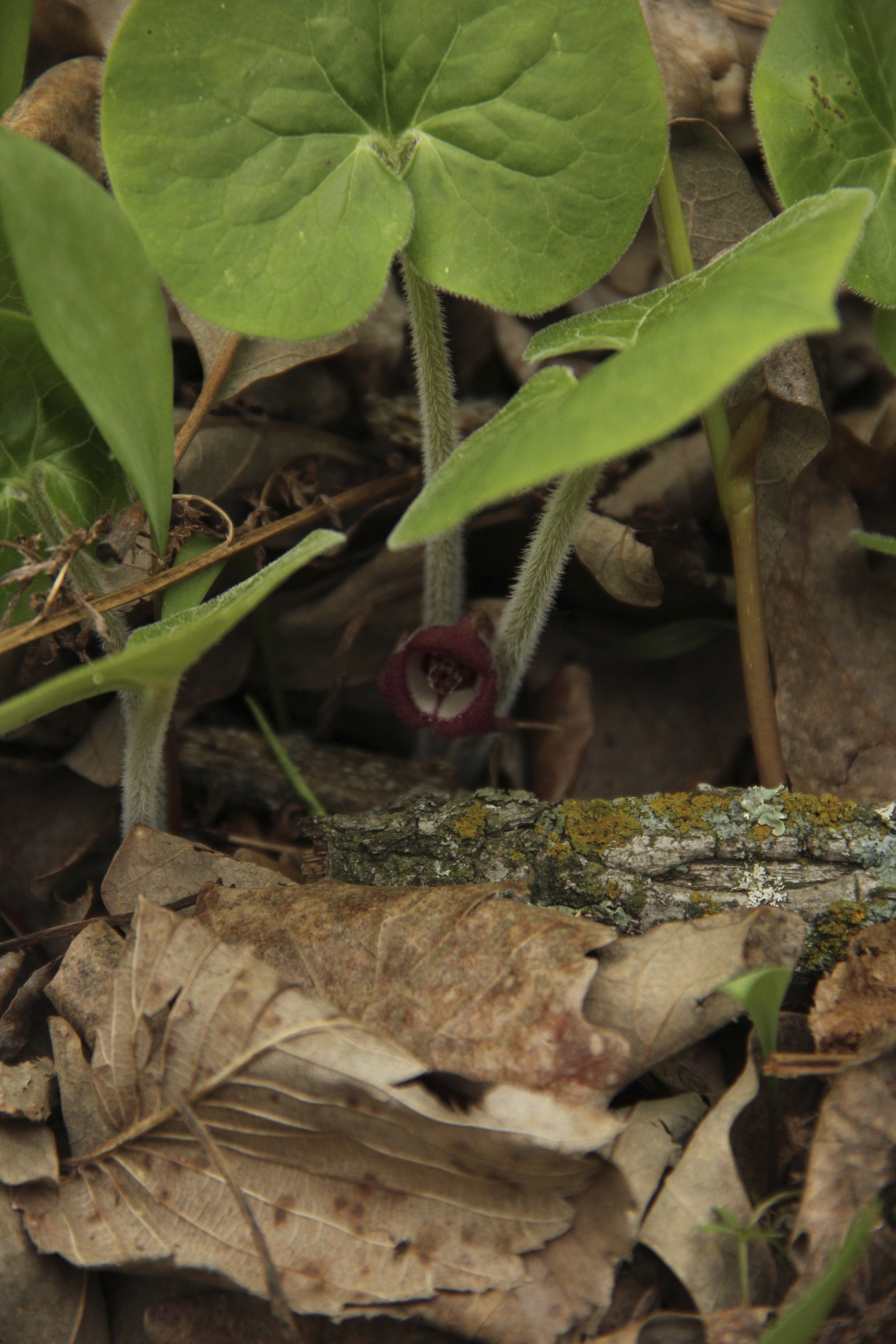
The maroon blossoms of Canadian wild ginger (Asarum canadense) lie hidden beneath its leaves.

The maroon blossom of Canadian wild ginger (Asarum canadense) lies hidden beneath its leaves.

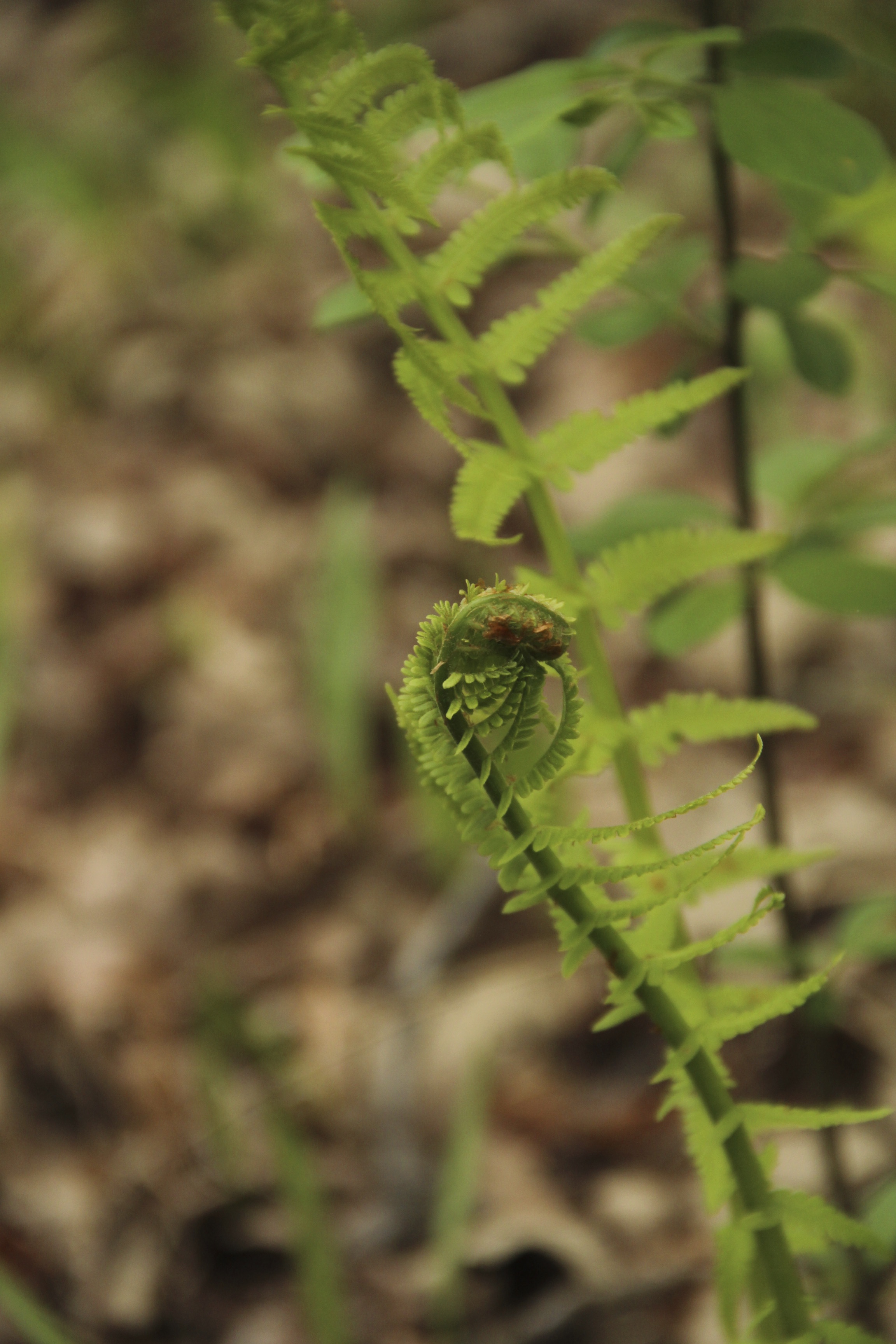
Furled fiddleheads of an ostrich fern began to open.

Furled fiddleheads of an ostrich fern (Matteuccia struthiopteris) begin to open.

Canada columbine (Aquilegia canadensis) attracts hummingbirds in the spring.

Canada columbine (Aquilegia canadensis) attracts hummingbirds in the spring.

The Snake River flows high and fast through spring and early summer.

The Snake River in east central Minnesota flows high and fast through spring and early summer.

Yellow warblers are one of the most visible and vocal of our warbler species.

Yellow warblers (Dendroica petechia) are one of the most visible and vocal of our warbler species.

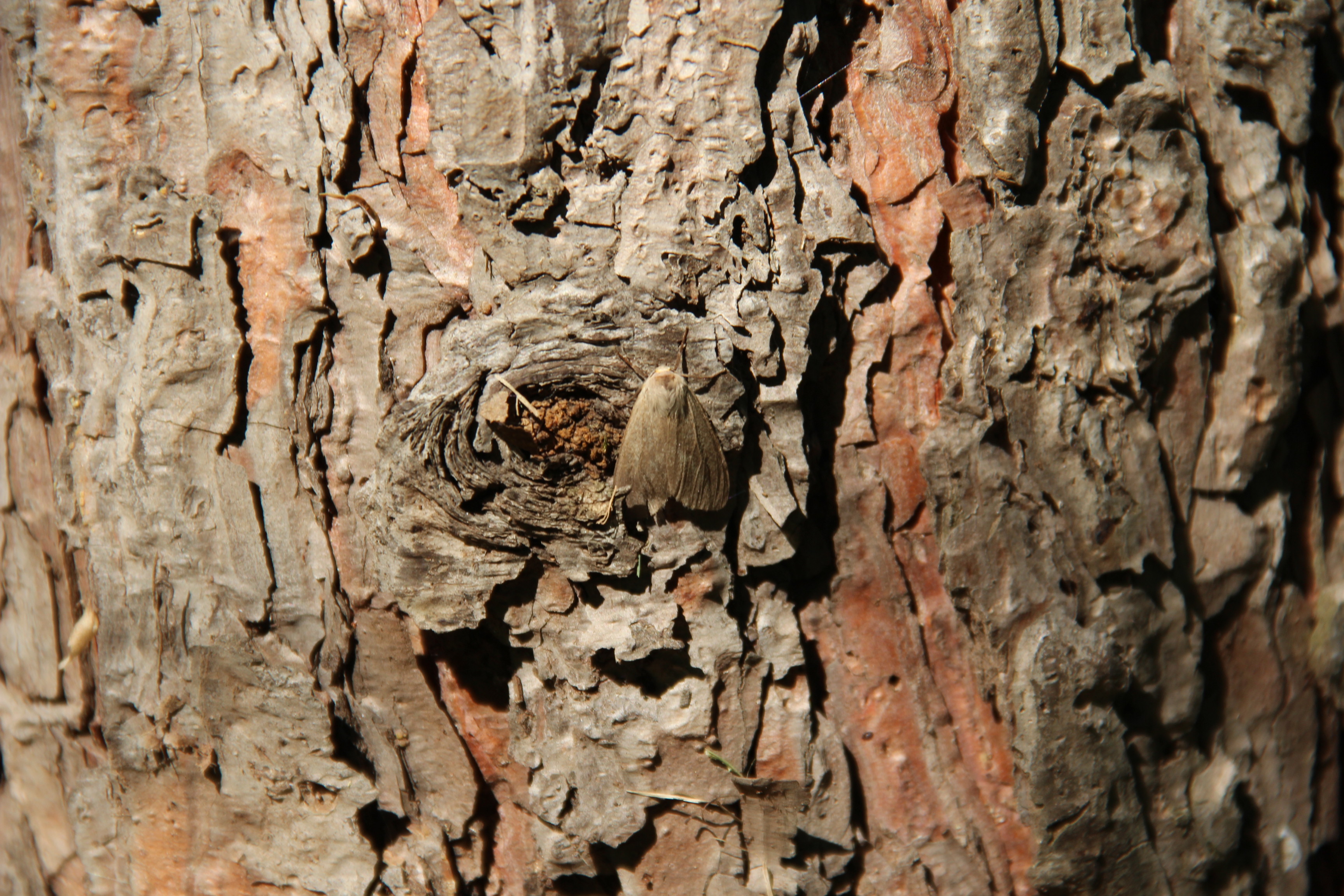
A web moth rests on the trunk of a red pine.

A woodland moth rests on the trunk of a red pine (Pinus resinosa), Minnesota’s state tree.

Ruby-throated hummingbirds are abundant through the summer and early autumn.

Ruby-throated hummingbirds (Archilochus colubris) are abundant throughout the summer and early autumn.

Bluets (Enallagma) are plentiful along the river in late summer.

Bluets (Enallagma) are plentiful along the river in late summer.

Delicate native harebells (Campanula rotundifolia) bloom into autumn and are loved by bumblebees.

Delicate native harebells (Campanula rotundifolia) are loved by bumblebees.

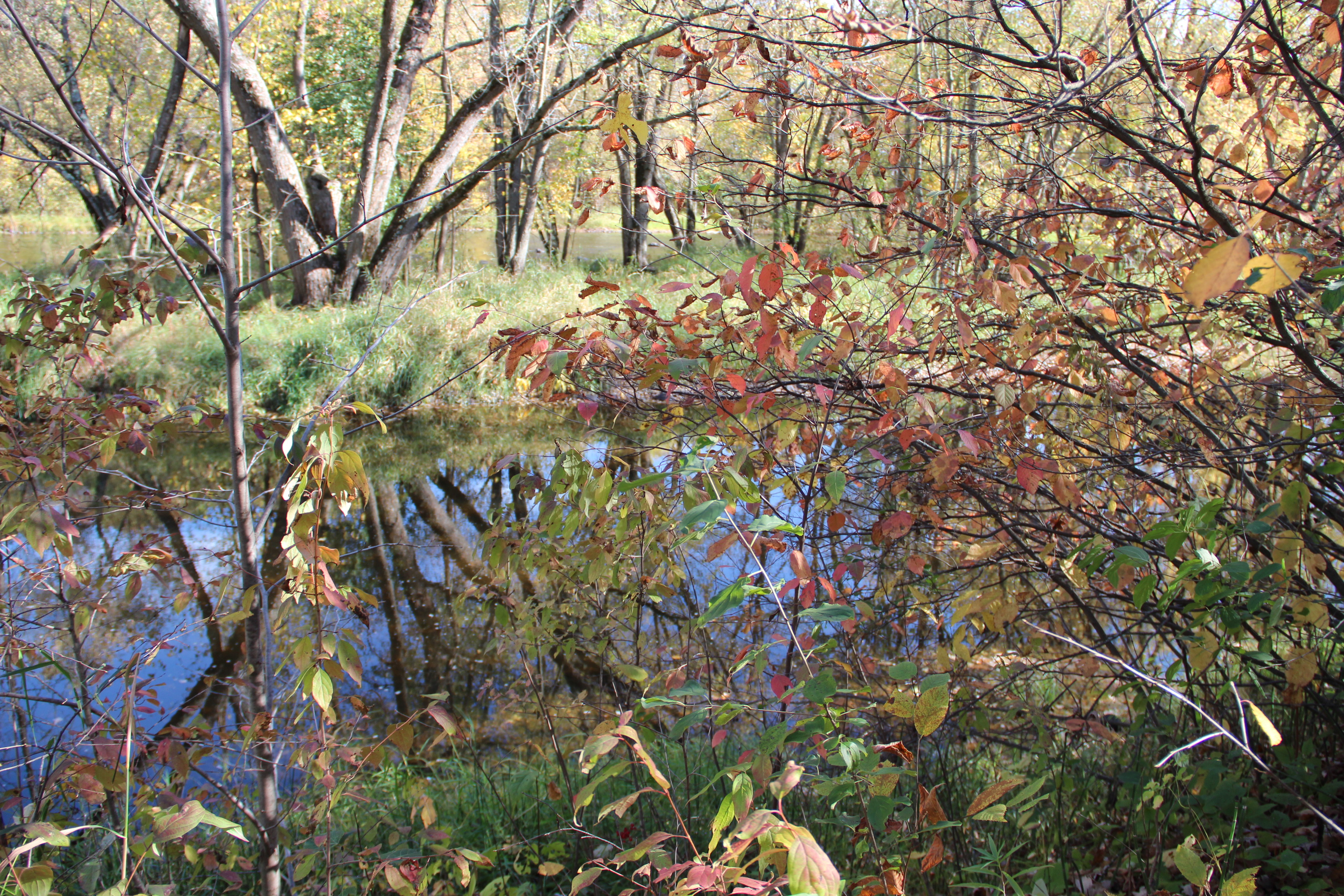
The Snake River runs slower in autumn.

The Snake River’s water level drops in late summer revealing basalt river rock.

Many different kinds of colorful fungi appear in autumn.

Many different kinds of colorful fungi appear in autumn.

 Eastern chipmunks gather nuts, seeds and fruit for the winter.

Eastern chipmunks (Tamias striatus) gather nuts, seeds and fruit for the winter.

Native bladdernut seeds ripen in papery husks.

Native bladdernut seeds (Staphylea trifolia) ripen in papery husks.

Falling leaves settle among pebbles and add color to the riverbed.

Falling leaves settle among pebbles and add color to the riverbed.

A basswood leaf glows in the late afternoon autumn sun.

A basswood leaf (Tilia americana) glows in the late afternoon sun.

In late autumn, the river...

In mid-October, soft green, beige, maroon and brown color the riverbank.

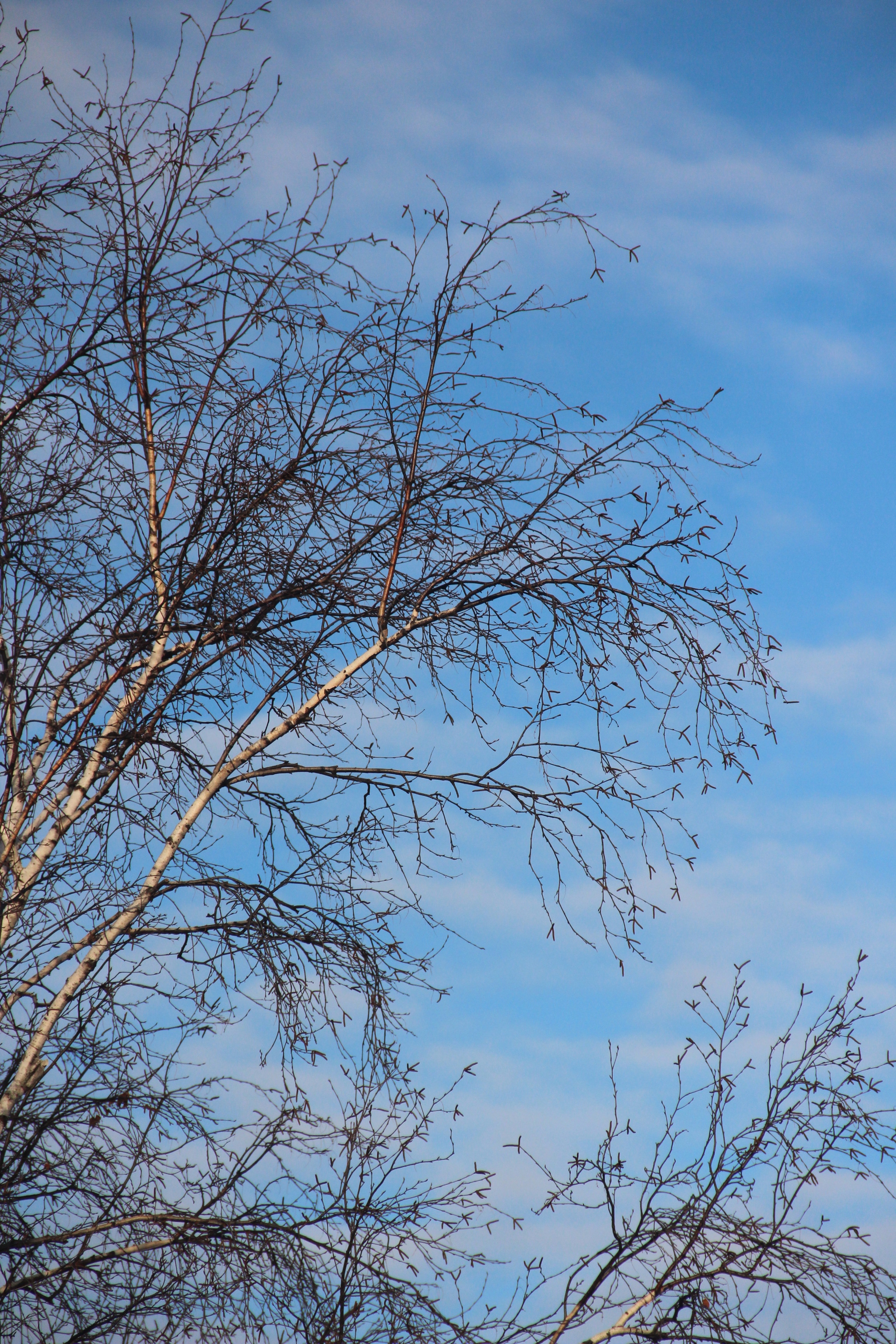
Birch branches, bare except for their catkins, ...

Male catkins on a paper birch (Betula papyrifera) stand starkly against an early-winter sky.