Lake Michigan Walk

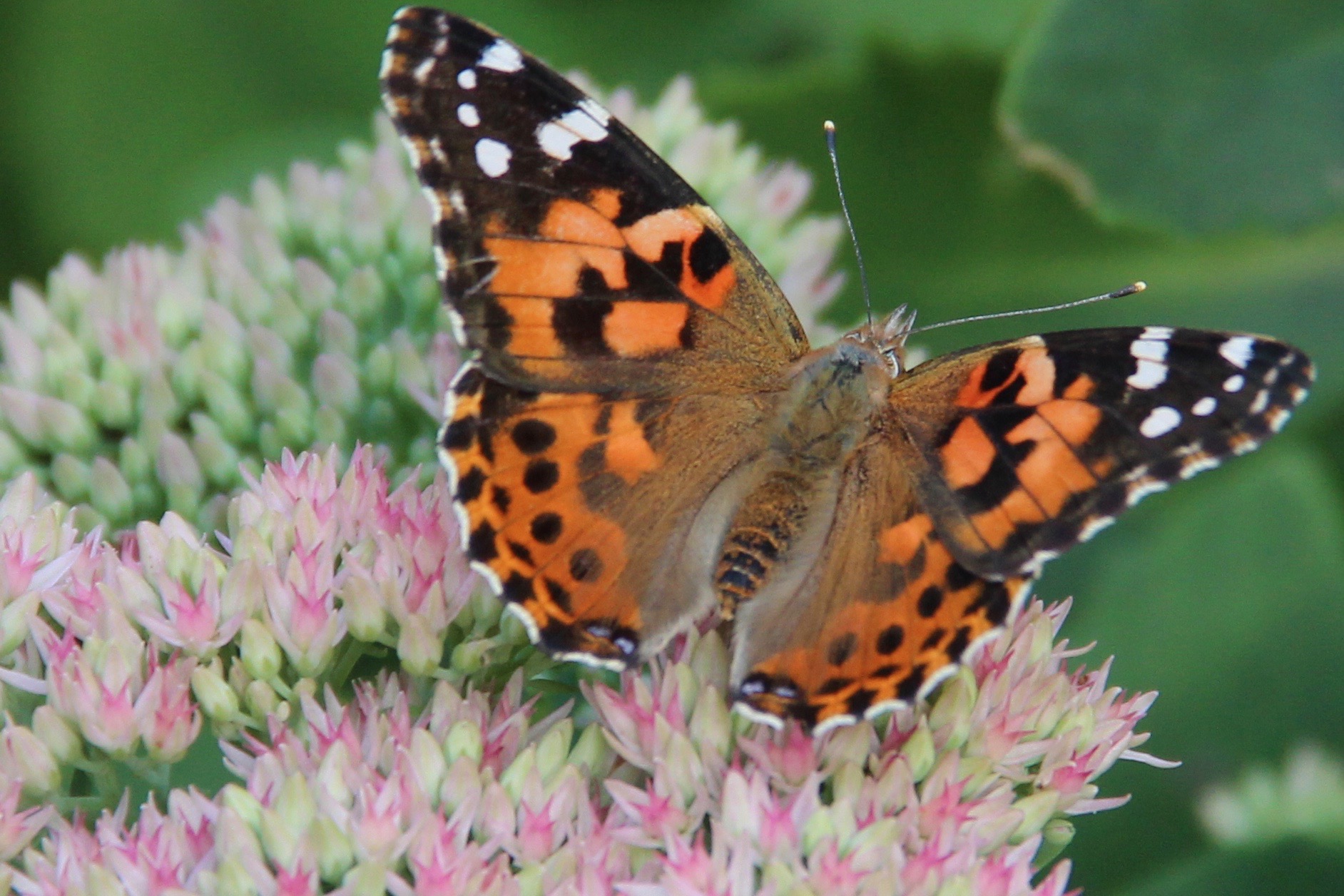
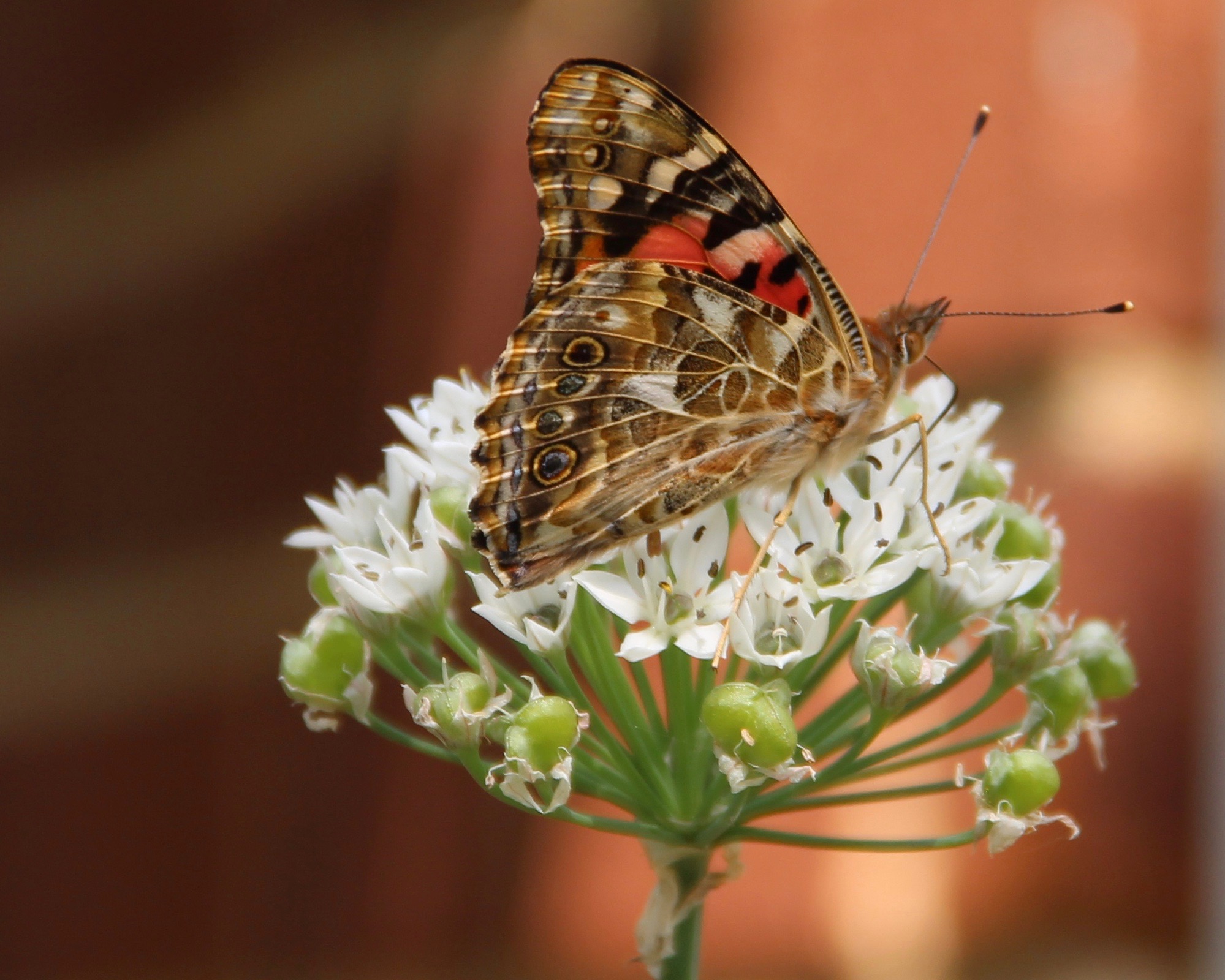
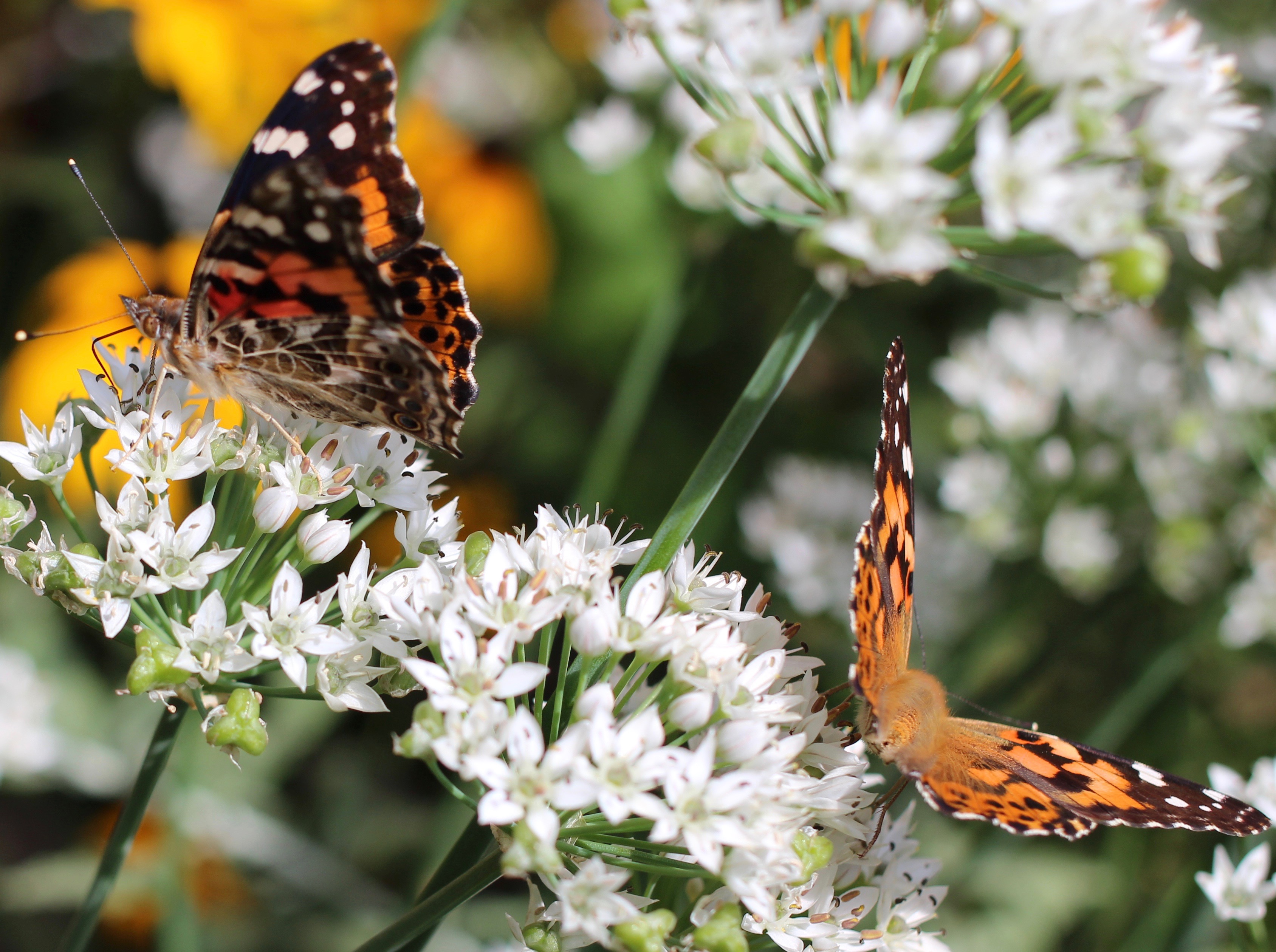
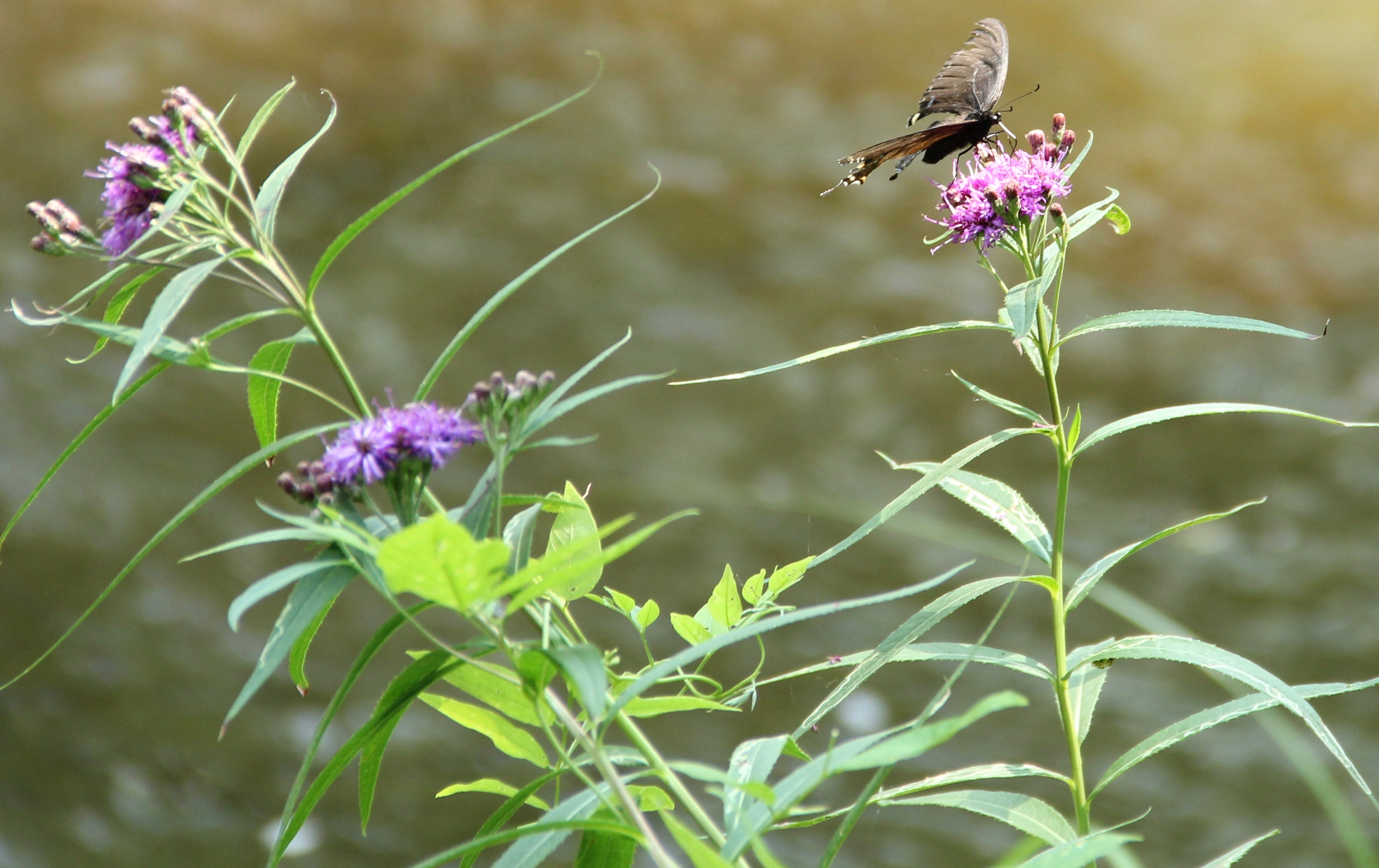
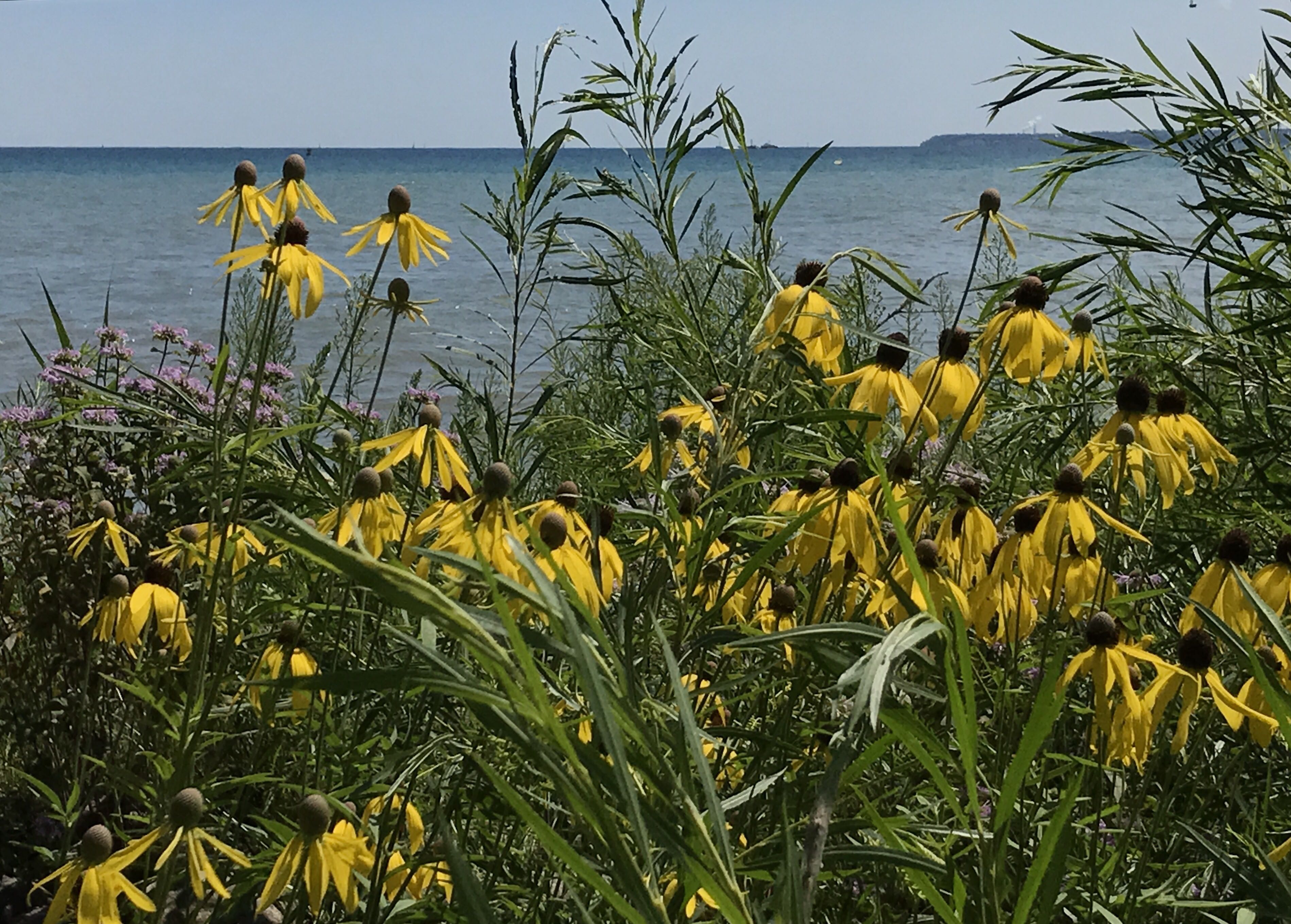
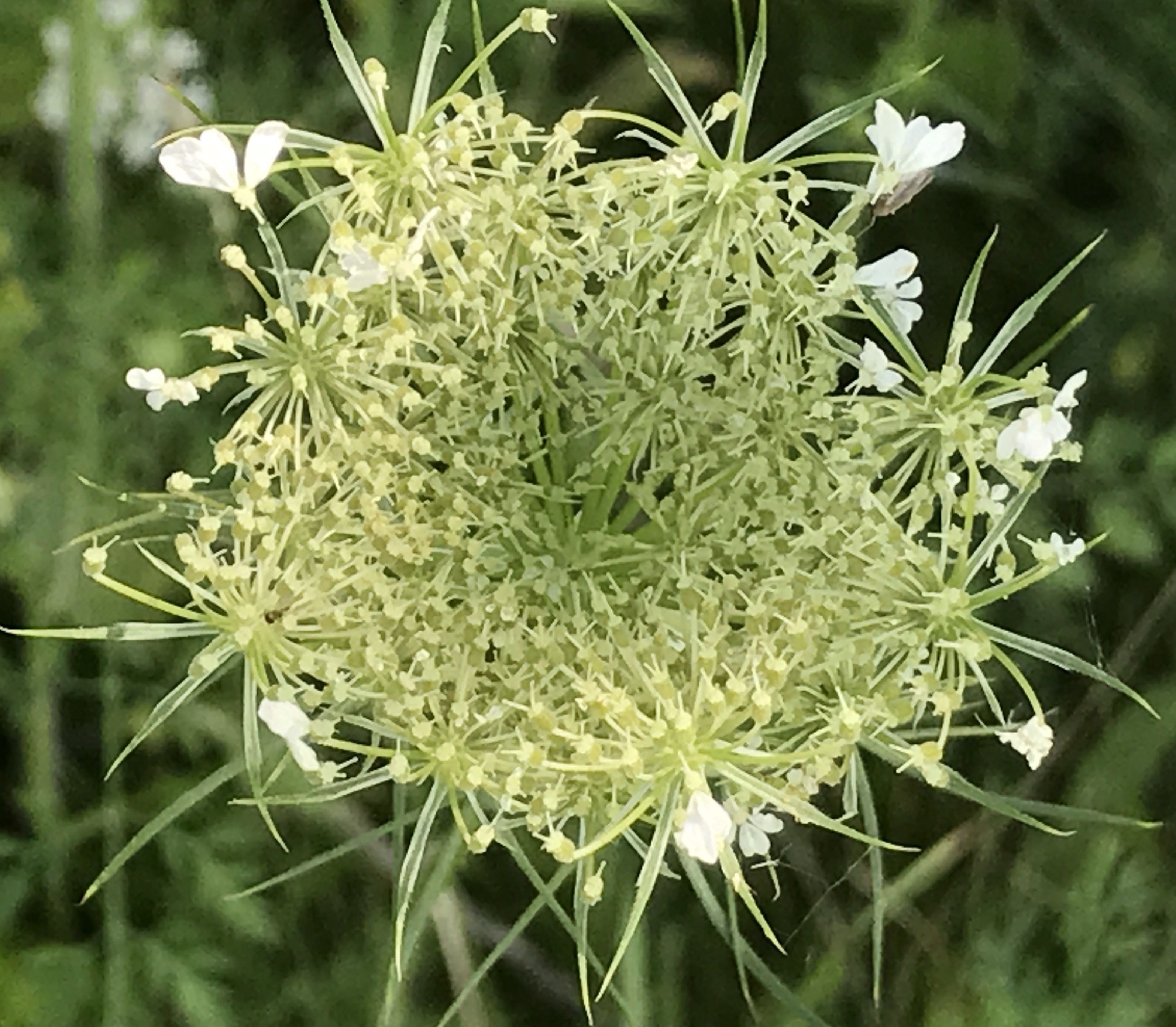
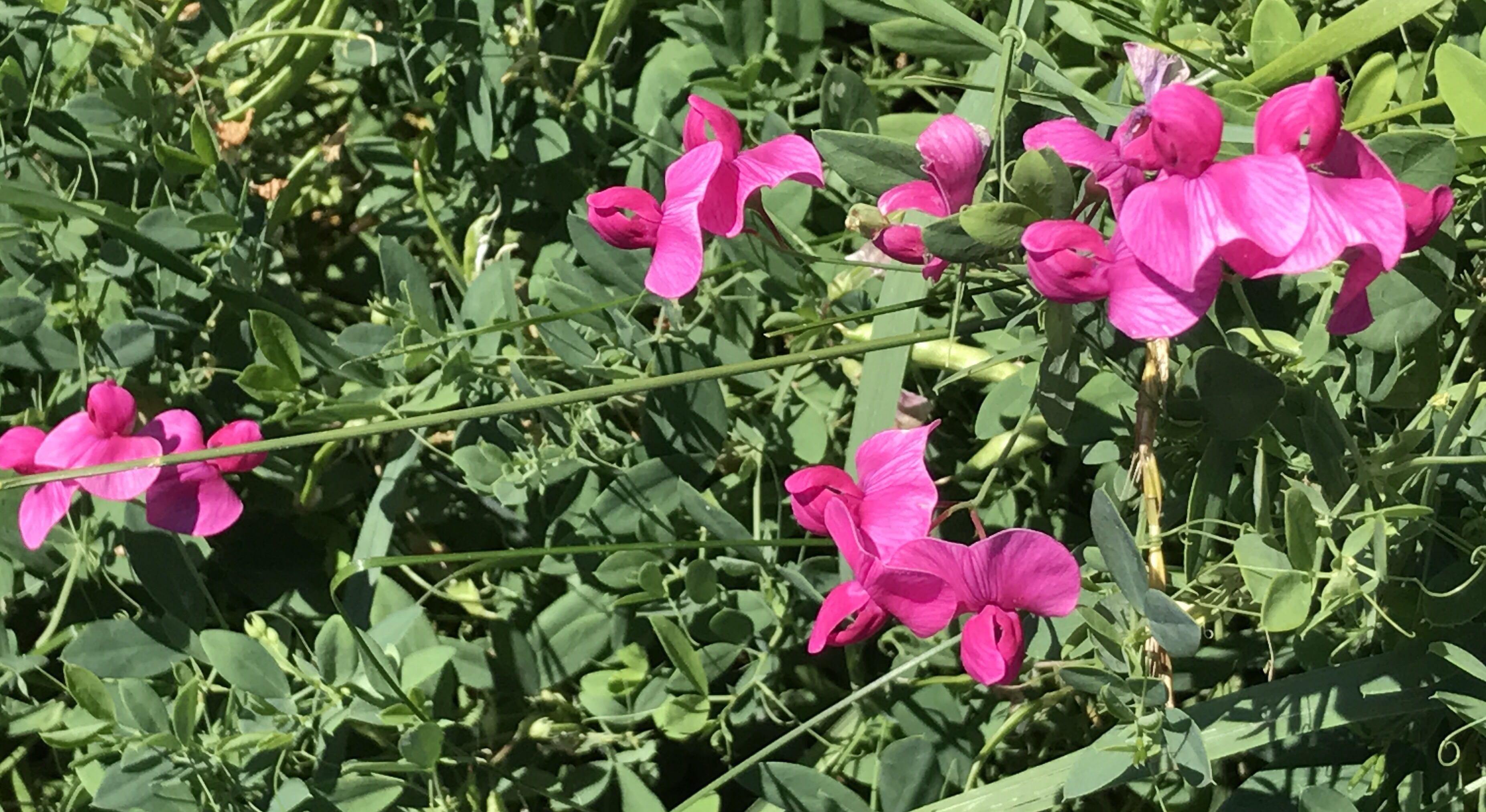
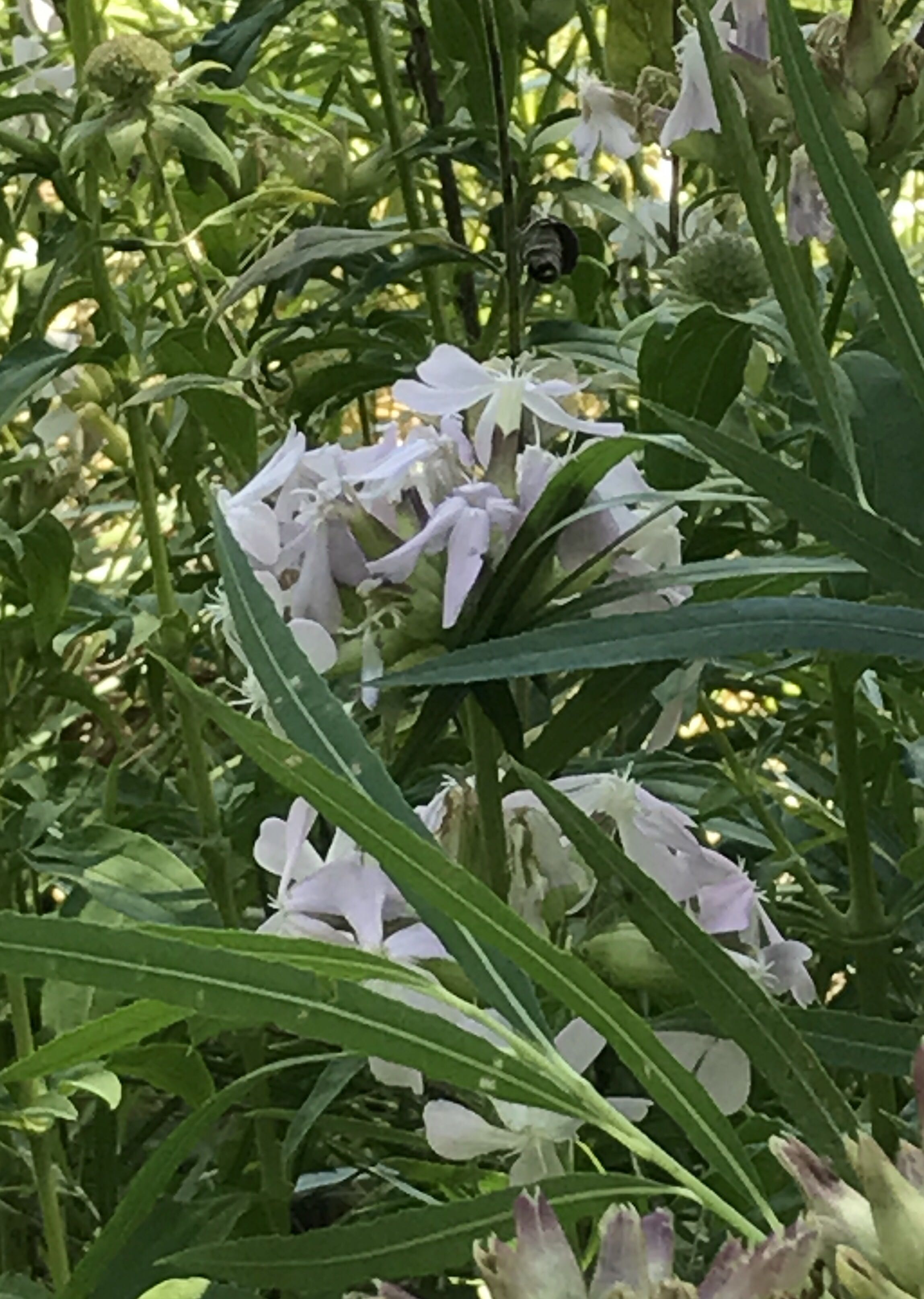
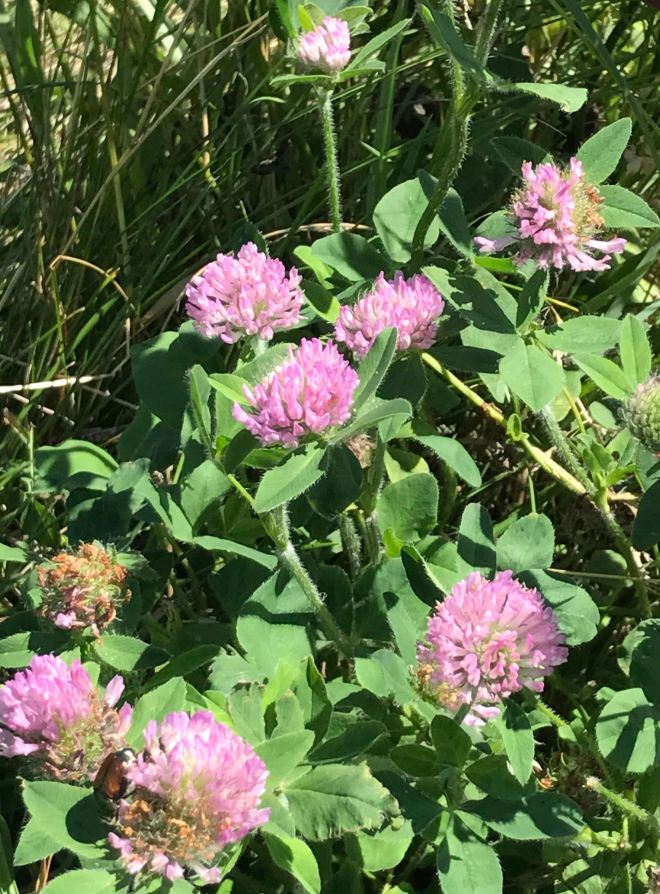
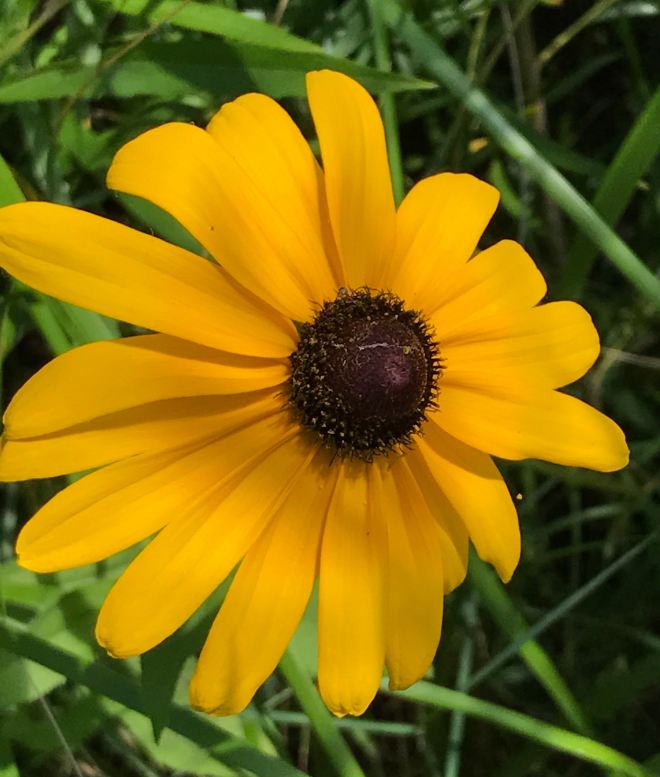
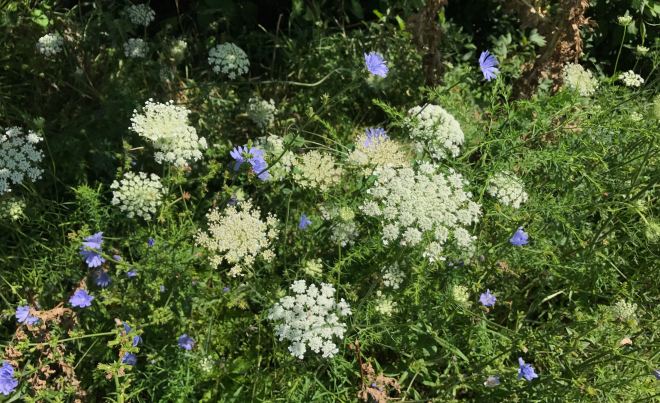
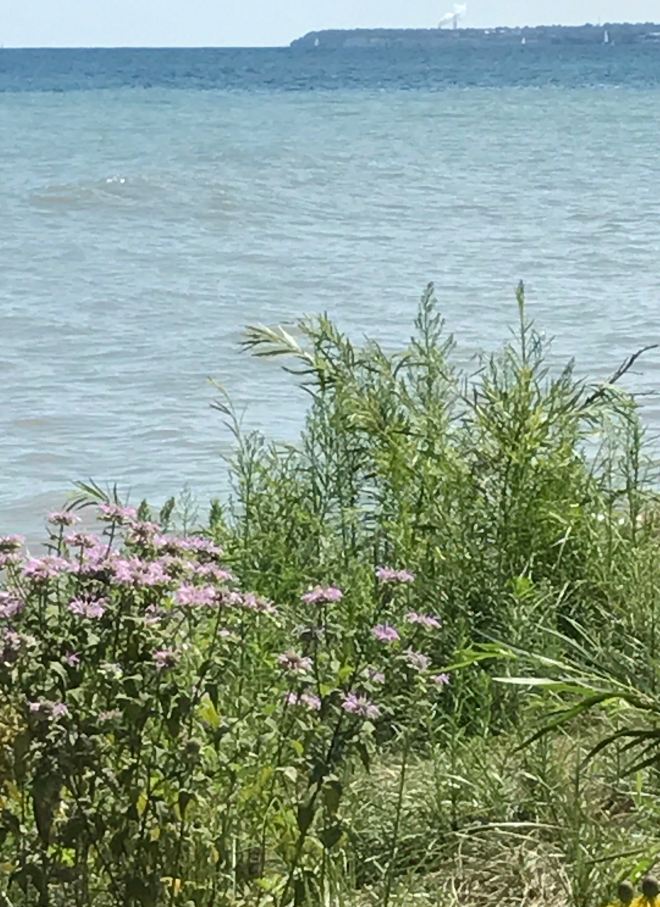
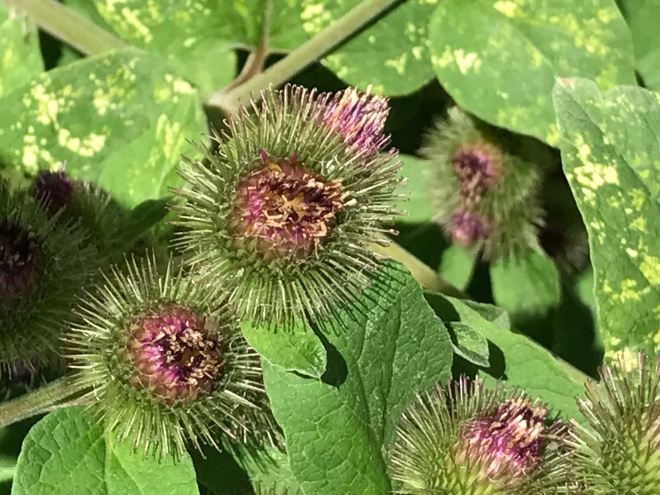
In August, many wildflowers begin to bloom in the Upper Midwest. Bees, wasps, moths and butterflies visit them for nectar and pollen. While in Milwaukee, Wisconsin, last weekend, we walked along Lake Michigan to enjoy the warm sun, gentle breeze and flowers both native and non-native that grace the shoreline. Among the blooms were chicory, Queen Anne’s lace, everlasting pea, goldenrod, sweet clover, gray-headed coneflower, bouncing Bet, red clover, Black-eyed Susan, monarda and lesser burdock. (If you look closely, you’ll spot a few pollinators, too.)

IMG_0276IMG_0316

IMG_0262

IMG_0318IMG_0325

IMG_0337


Monarda: A Balm for Bees and People

Monarda fistulosa and Monarda didyma are native to eastern Canada and the United States.

It’s late July, a high-summer evening in the garden. I close my eyes and listen to the gentle hum of bumble bees and honey bees. The heavy aroma of day lilies mixes with the lighter scent of phlox. I brush my hand on the foliage next to our patio, releasing a different scent: the tangy mint of monarda. Two kinds grow in our garden: fiery red Monarda didyma and lavender-pink Monarda fistulosa.  Also known as bergamot, both are native to Minnesota and to much of the eastern United States and Canada.

Ten or more years ago, I found lavender monarda growing next to our cabin driveway. That autumn, I brought home a small portion and planted it. A few years later, I purchased the red monarda at Leitner’s, a local garden center. Both flourish as long as late winter and spring aren’t too wet.
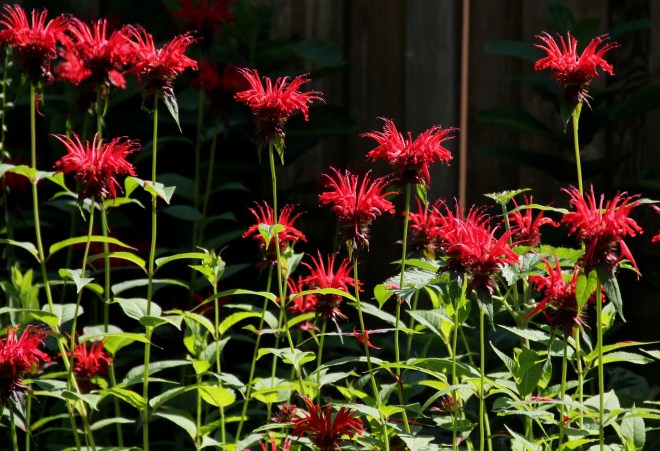
Bright red M. didyma smells more spicy than the pink M. fistulosa.

Monarda belongs to the mint family, but is much taller and better behaved than many of its minty cousins. Look closely and you’ll see mint characteristics: square rather than round stems, tubular flowers, opposite leaves and of course the wonderful minty scent when one brushes against the foliage.

Besides monarda, there are other names for the plants. Bergamot applies to both species. Oswego tea and bee balm apply to the red M. didyma, but the term bee balm is also loosely used for M. fistulosa. I thought it referred to how happy the bees are when they’re in the monarda, but according to a book about wildflower lore, a salve or balm was made from the leaves to treat bee stings. Monarda plants also were used by many Native American people to treat headaches, abdominal problems, colds and other bronchial issues. Both species were used as a tea substitute in the American colonies after the Patriot Sons of Liberty dumped 46 tons of British East India Tea into Boston Harbor in December 1773.
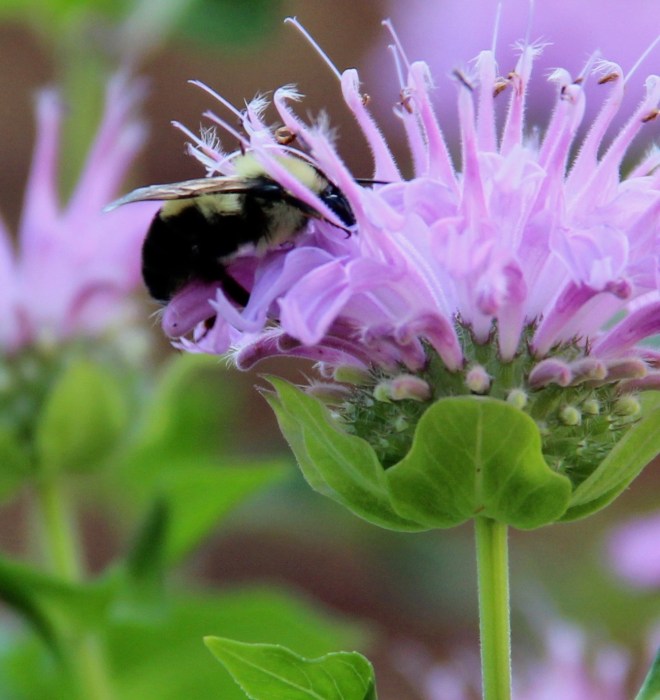
Bumble bees (Bombus spp.) prefer the lavender-pink monarda in our garden. Their long tongues can reach the nectar in the deep, tubular flowers.

A honey bee (Apis mellifera) flies in to drink the nectar of Monarda ‘Jacob Kline’. They favor red monarda.

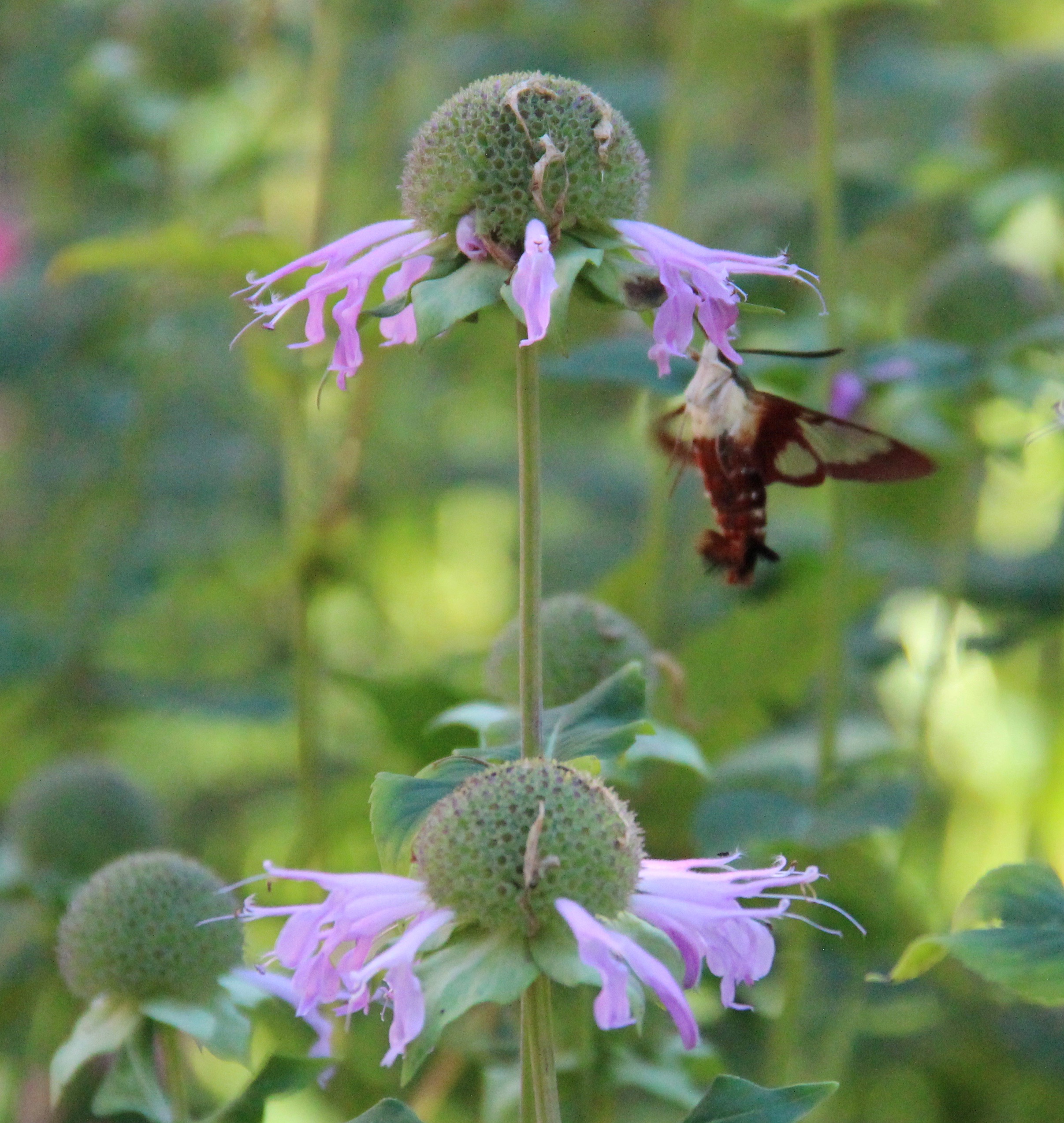
Monarchs, fritillaries, red admiral butterflies and hummingbird clearwing moths nectar in both species of monarda. Goldfinches peck the seed heads of the lavender monarda and hummingbirds visit the red ones. I’ve noticed that honey bees nectar almost exclusively in the tubular flowers of red monarda. Bumble bees, though not as fussy as honey bees, seem to prefer the pink — and sometimes they’ll take a quick nap on a blossom! Bees lack a photoreceptor for the color red, but according to “The ABC’s of Bees,” some red flowers, including bee balm, have ultraviolet coloring mixed in, which makes them appear blue and inviting to bees. Also, like humans, bees are attracted to scent and perhaps honey bees prefer the spicier scent of the red monarda. As the sky darkens and the crickets begin chirping, I look again at the beauty of bee balm and, like the bees, enjoy the spicy mint aroma before I go inside for the night.

Hummingbird clearwing moths (Hemaris thysbe), like their namesake, nectar in monarda’s tubular flowers.

A great spangled fritillary (Speyeria cybele) nectars on pink bergamot.
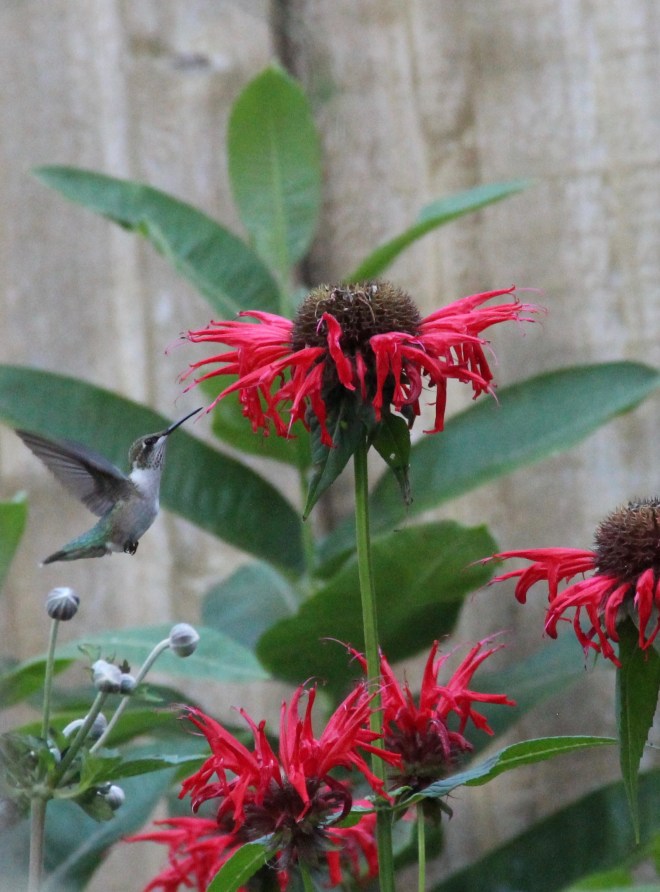
Ruby-throated hummingbirds (Archilochus colubris) love the red bee balm and visit every evening.

A bumble bee settles in for an afternoon snooze on pink bergamot.
Summer Solstice

The first wild rose (Rosa blanda) of early summer.

It is the season of light in the North. Earth bows its northern pole to the sun extending daylight to almost sixteen hours — eight more since winter solstice last December. Spring flowers are finished blooming, trees are fully covered in lush green leaves, and swelling buds on many perennials will open soon. Fireflies glow in the night. During the day, delicate lacewings, damselflies and dragonflies patrol the garden for pests. I spotted my first monarch of the season a couple of weeks ago when it visited our milkweed patch, which is almost ready to bloom.
Solstice was mild and clear with a high of 76℉. I enjoyed the company of good friends for lunch at an outdoor restaurant. Later, I sat in our garden to soak up the late-afternoon sun’s warmth, to listen to the robins sing and to toast the long summer ahead.

A monarch (Danaus plexippus) seeks nectar among the buds of swamp milkweed (Asclepias incarnata).

Lacewings (Chrysoperla carnea) eat aphids, mites and other garden pests.

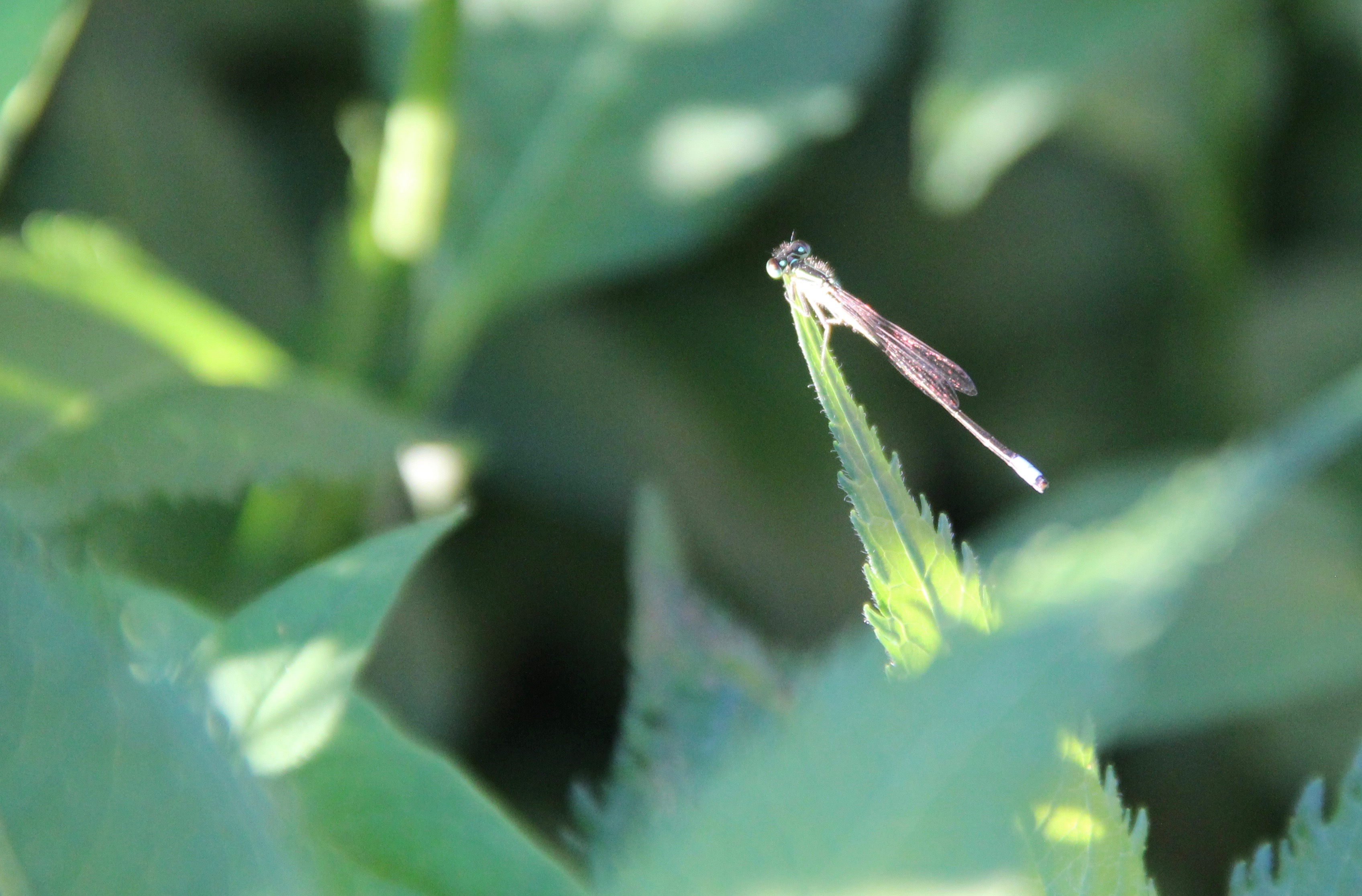
An eastern forktail (Ischnura verticalis) catches late-evening sun in the garden.

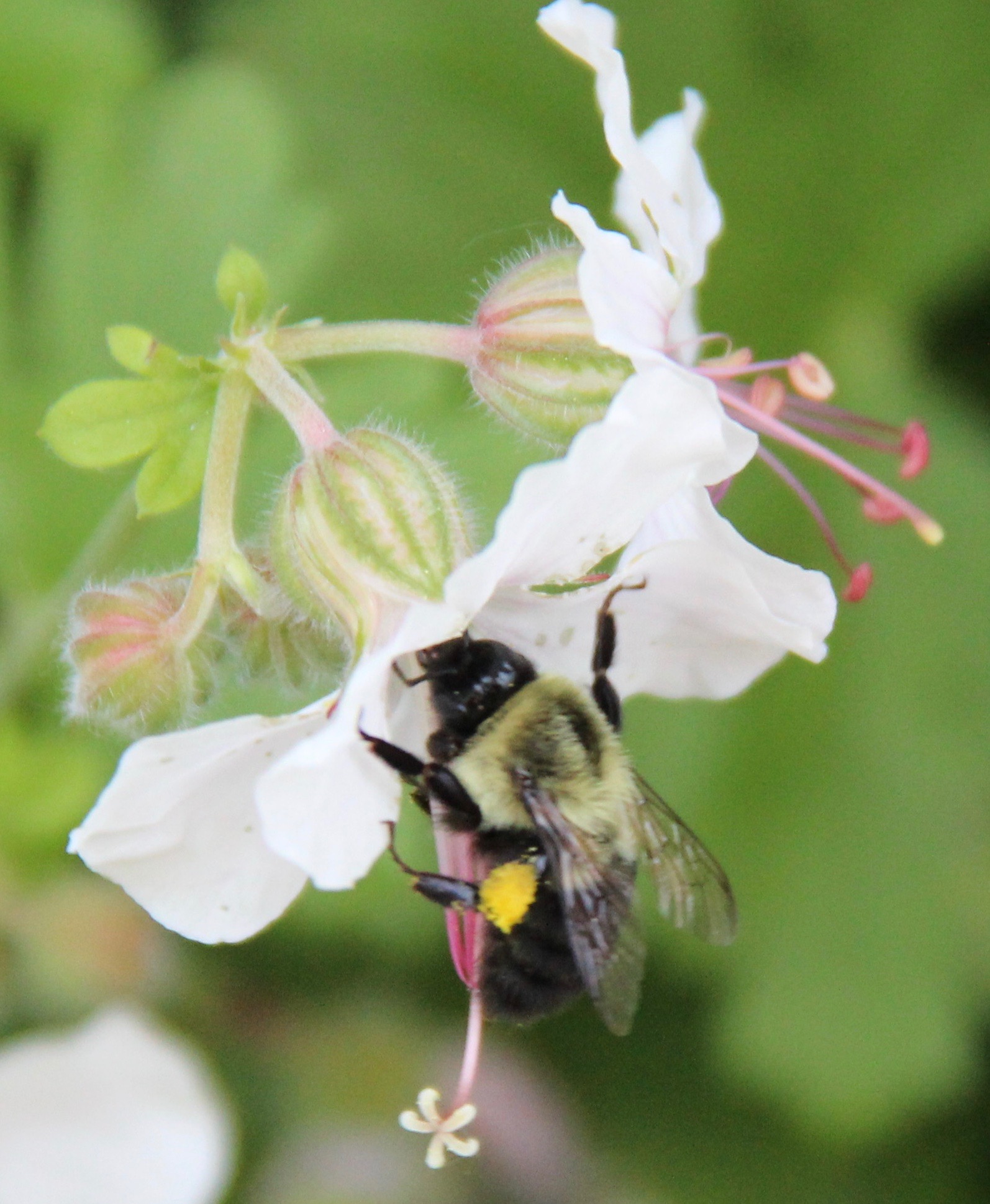
A bumble bee nectars in a wild geranium blossom (Geranium maculatum).

Sundrops (Oenothera fruticosa) belong to the evening primrose family.

‘Husker red’ beard tongue (Penstemon digitalis) has maroon stems and leaves.

Monarda ‘Jacob Cline’ begins to open.

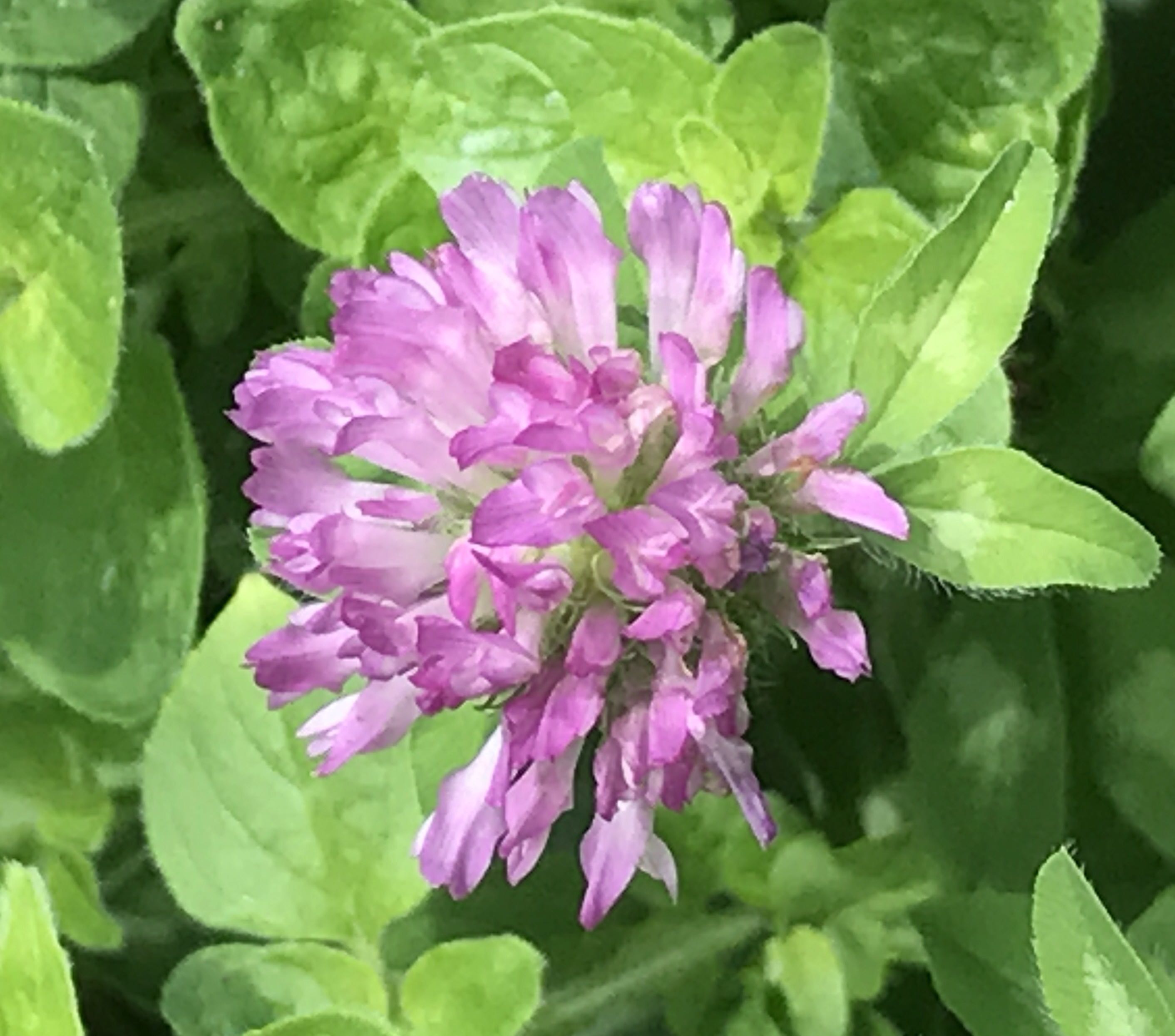
Red clover (Trifolium pratense) is a favorite of bumble bees.

Common milkweed (Asclepias syriaca) buds will soon open to provide nectar to monarchs and many other insects.

My Mother’s Peonies

In my mind’s eye, I see a cobalt blue glass vase holding three white peonies. It sits on a white linen runner that contrasts with the dark wood of an old mahogany table. The heavy scent of peonies fills the small dining room that is illuminated by a south-facing picture window. A few black ants crawl in and out of the many-layered petals, though we tried to shake them off outside.

Mom’s simple bouquet’s were perfect.  Whether peonies, or other flowers, she fashioned a simple, understated arrangement of whatever bloomed in our back yard. I wish that I had photos of them, but only the memories remain — and they are mine alone. Mom does not remember much of the past because she has dementia. So, I tell her about the white peony bushes that grew at just the right height for me to breathe in their heavy perfume and stroke their silky petals. I speak of warm afternoons when I was very young and how we lingered in our garden to watch bees in the flowering almond, and looked to see if new seedlings had popped through the soil. I speak of the giant basswood tree that shaded the back yard and scented the evening air. Most importantly, I tell Mom how much I loved being with her in the garden.

This week, the first peony opened in my own back yard — white blooms first, then royal red and finally pink. I still touch their soft petals and smell their perfume. I remember with joy the days when I taught my own young son about nature, and I think of Mom with gratitude for all that she has given to me.

Virginia Bluebells

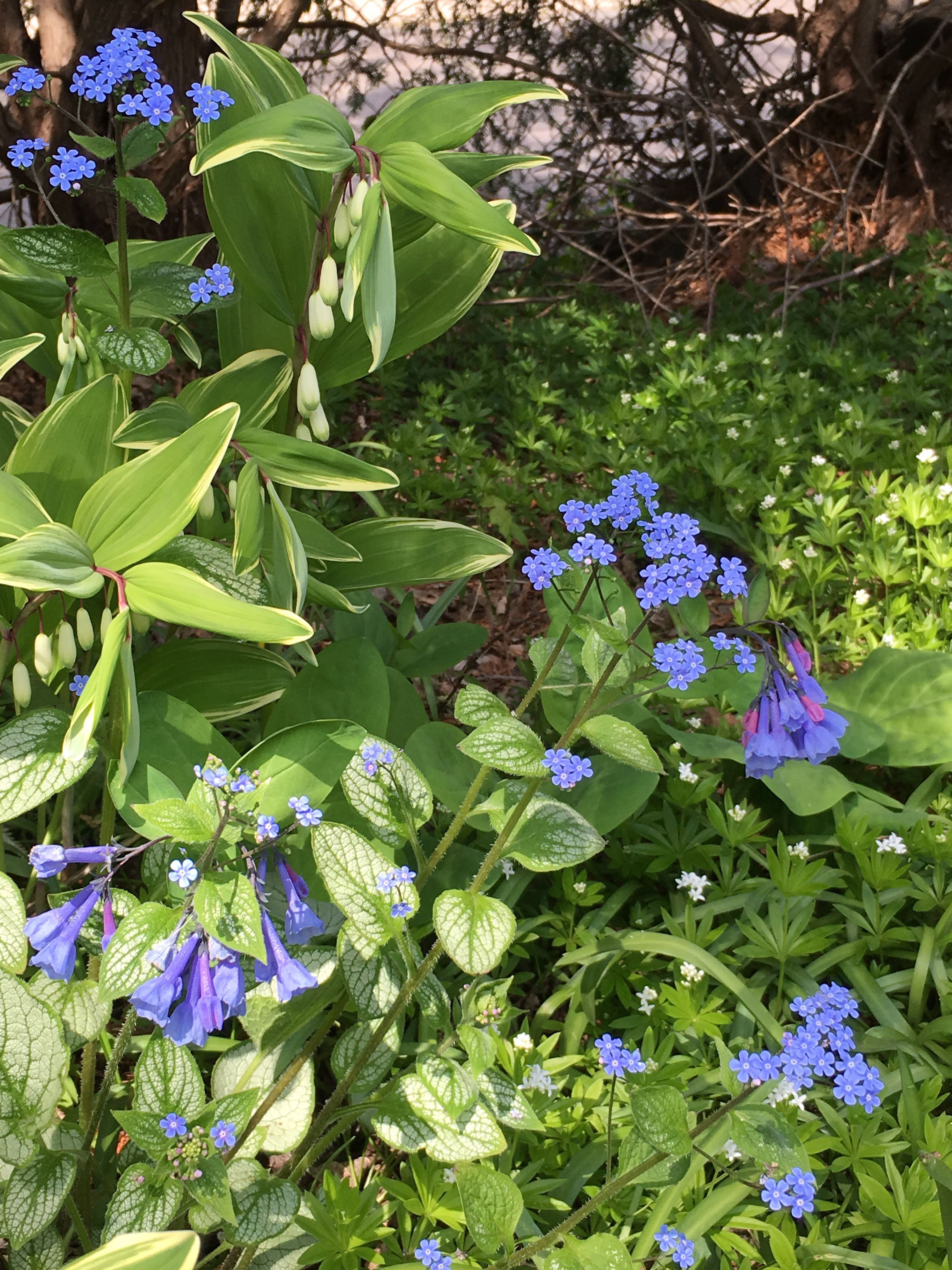
Virginia bluebells (Mertensia virginica) blossom throughout May in Minnesota.

Spring’s native wildflowers are delicate and fleeting — that’s why botanists refer to them as “ephemerals.” The Virginia bluebell, Mertensia virginica, is one of my favorites. The mature flowers are spring sky blue and usually bloom throughout May in Minnesota. Native to southeastern Minnesota and portions of the eastern United States and Canada, they are a woodland flower that requires moisture and partial-to-full shade.

Virginia bluebell’s early leaves are purple-tinged and the flower buds are pink to purplish.

The leaves first appear with purple highlights and then turn light green. The flower buds also are pink to purple. As the bell or trumpet-shaped flowers enlarge, they become sky blue and fade as they age. About one month after blooming, each fertilized flower produces three or four seeds. In June, the leaves will die back and the plant becomes dormant until the next spring — a typical characteristic of spring ephemerals. I usually place markers by my plants to avoid digging them up if I plant during the summer.

Virginia bluebells grow with tiny blue-flowered Siberian bugloss (Brunnera macrophylla “Jack Frost”), variegated Solomon’s seal (Polygonatum odoratum “Variegatum”), and sweet woodruff (Galium odoratum) in my small woodland garden.

Virginia bluebells provide an early source of nectar to bumble bees, honey bees and other species of bees and butterflies that are equipped with a long enough tongue to reach deep into the flower tube.  Want to learn more? Here are a couple of websites to visit for photos and information:

Friends of the Wildflower Garden and Minnesota Wildflowers

Blooming Crabs

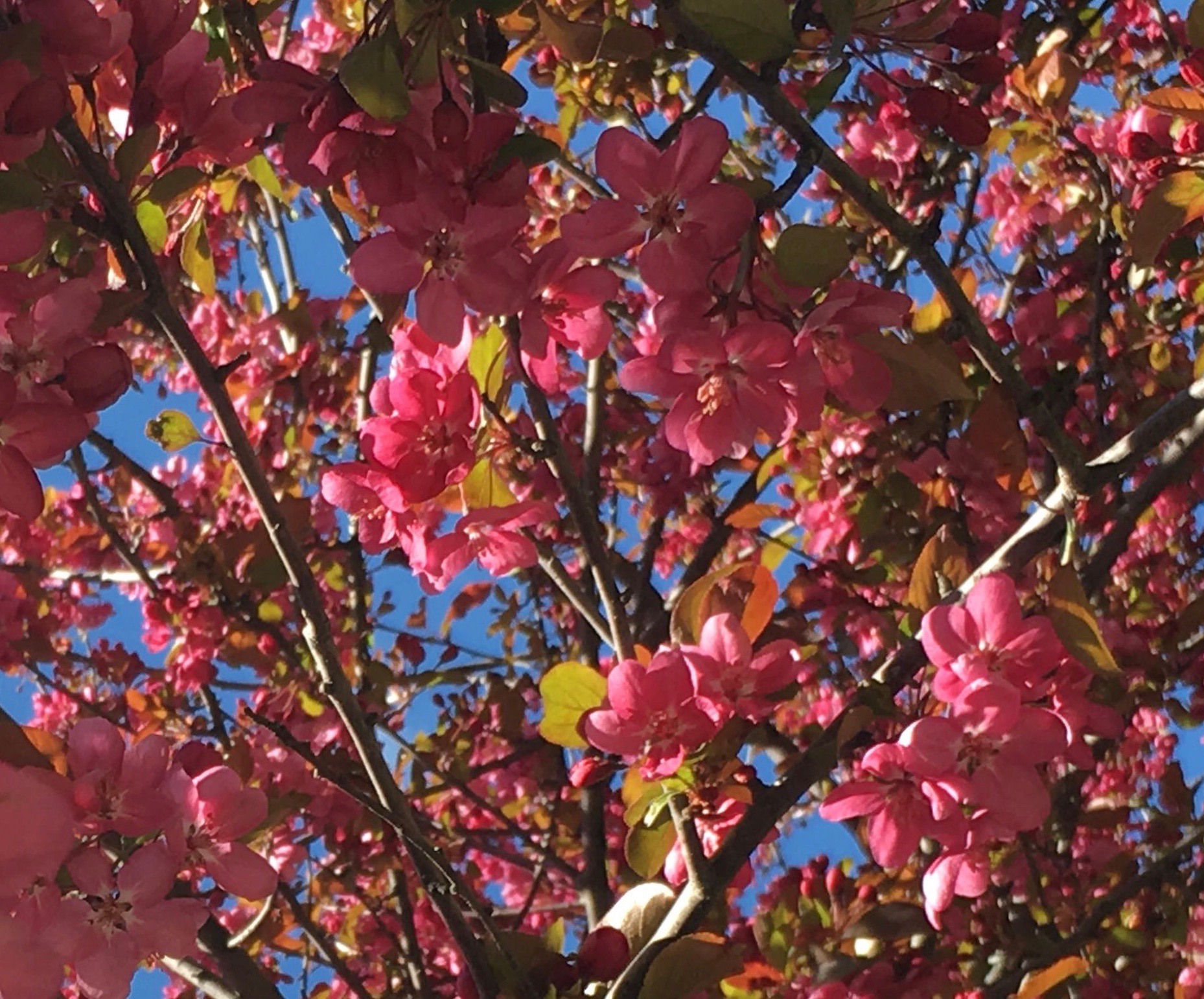
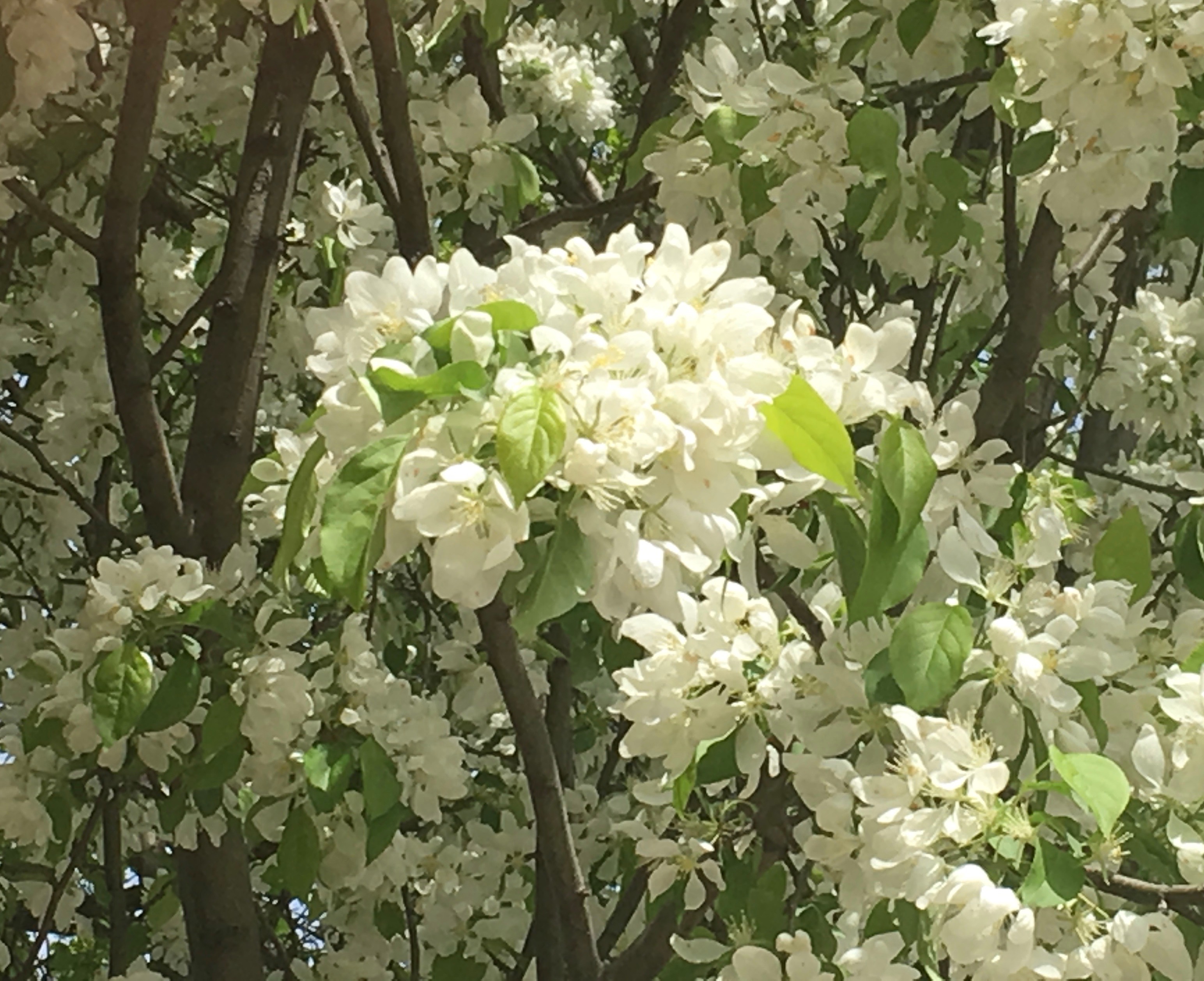
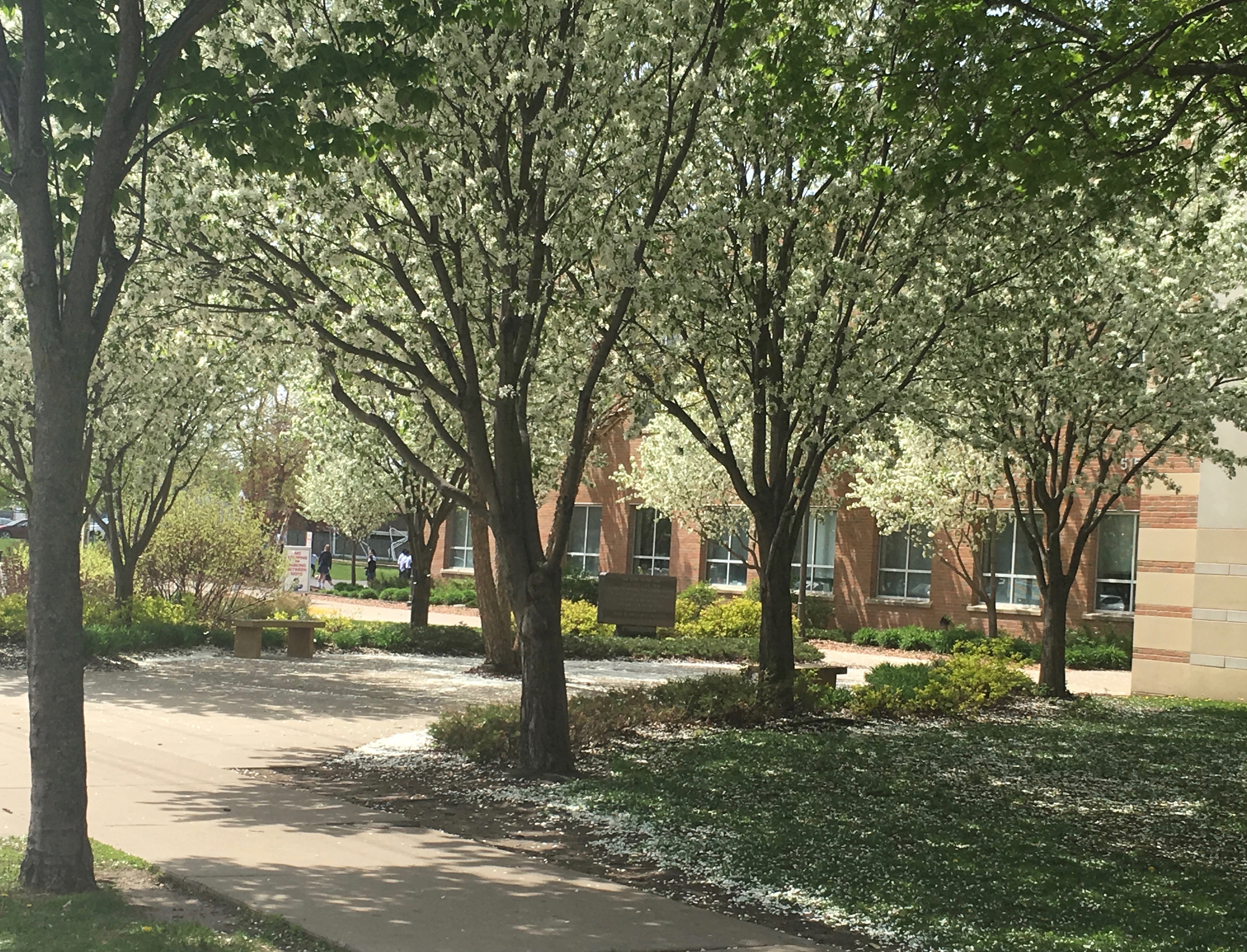
Whatever crabapples lack in flavor, the trees make up for in year-round beauty. In early May, they scent the air with an aroma softer than lilacs or peonies. The blossoms range from bright white to pink to deep red. Many species show buds of one color and open to reveal a different hued blossom. The fruit or pomme varies in color, too, from deep red to orange and yellow. Many crabs hold their fruit through the winter, or until eaten by wildlife.

Why is such a lovely tree named a crab? Late Middle English crab or crabbe meant “fruit of the wild apple” possibly from the similar Swedish word, krabbäpple. It also connoted the sour or bitterness of the fruit. Though crabapples are bitter to the human palate, the fruit is an important source of nourishment to many mammals and birds during the winter. In the spring, native bees, such as orchard bees, collect pollen. Early butterflies drink the nectar and later in the season, the leaves provide food for caterpillars.

Scientists believe that all domestic apples originated in Kazakhstan’s mountains. But, there are three species of “wild,” or crabapples, indigenous to North America. Many others were brought here by immigrants from Europe and Asia. How does one distinguish between the two types of apples? A general rule is that wild apples (crabs) are two inches in circumference or smaller and domesticated apples are larger than two inches. Like common or domesticated apples, crabs are members of the rose family and belong to the genus ‘Malus’. Crabapple jelly is delicious if you don’t mind a little tartness! But whether or not you like the fruit, enjoy the beauty of their blossoms this spring!


May Snow

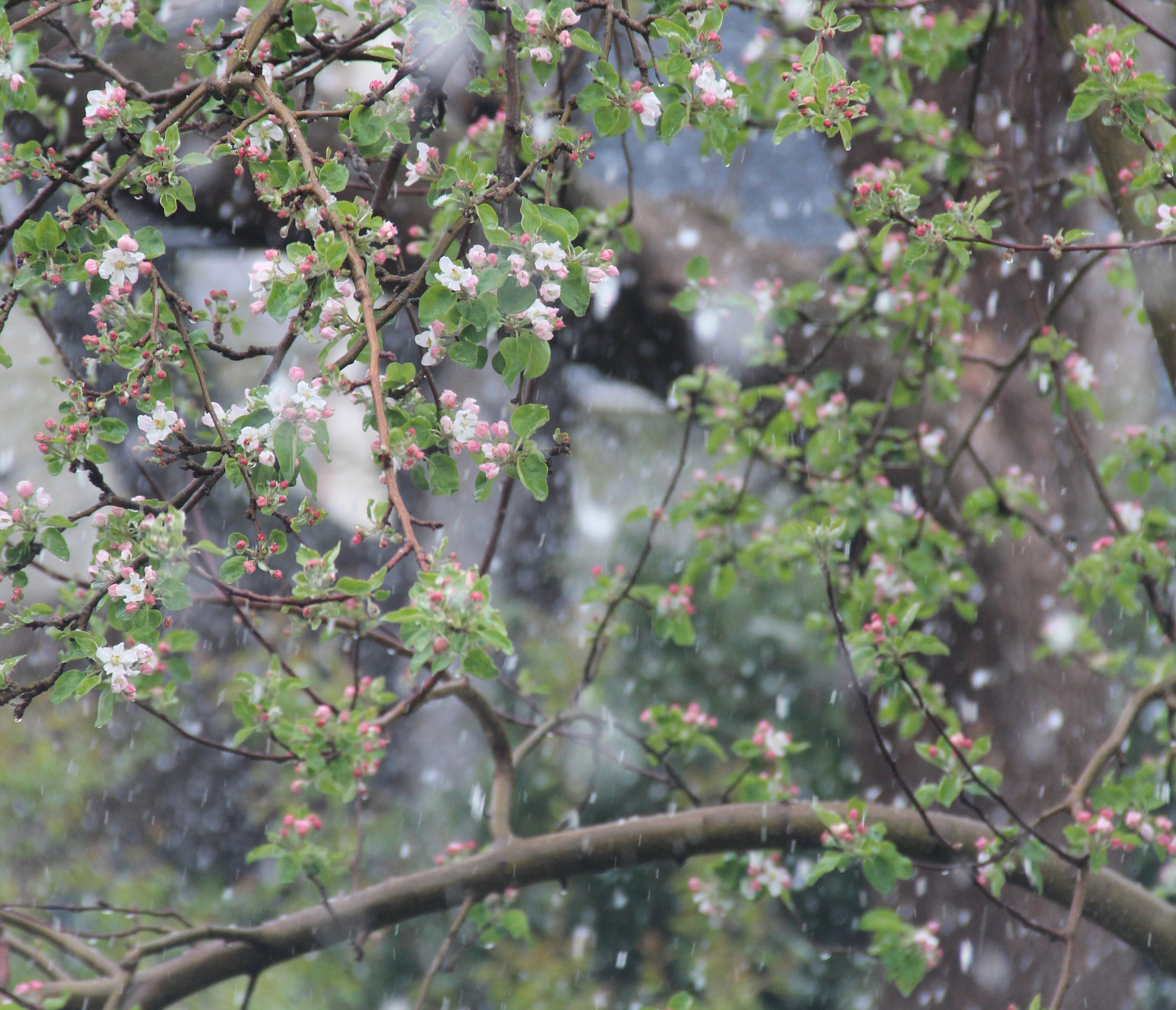
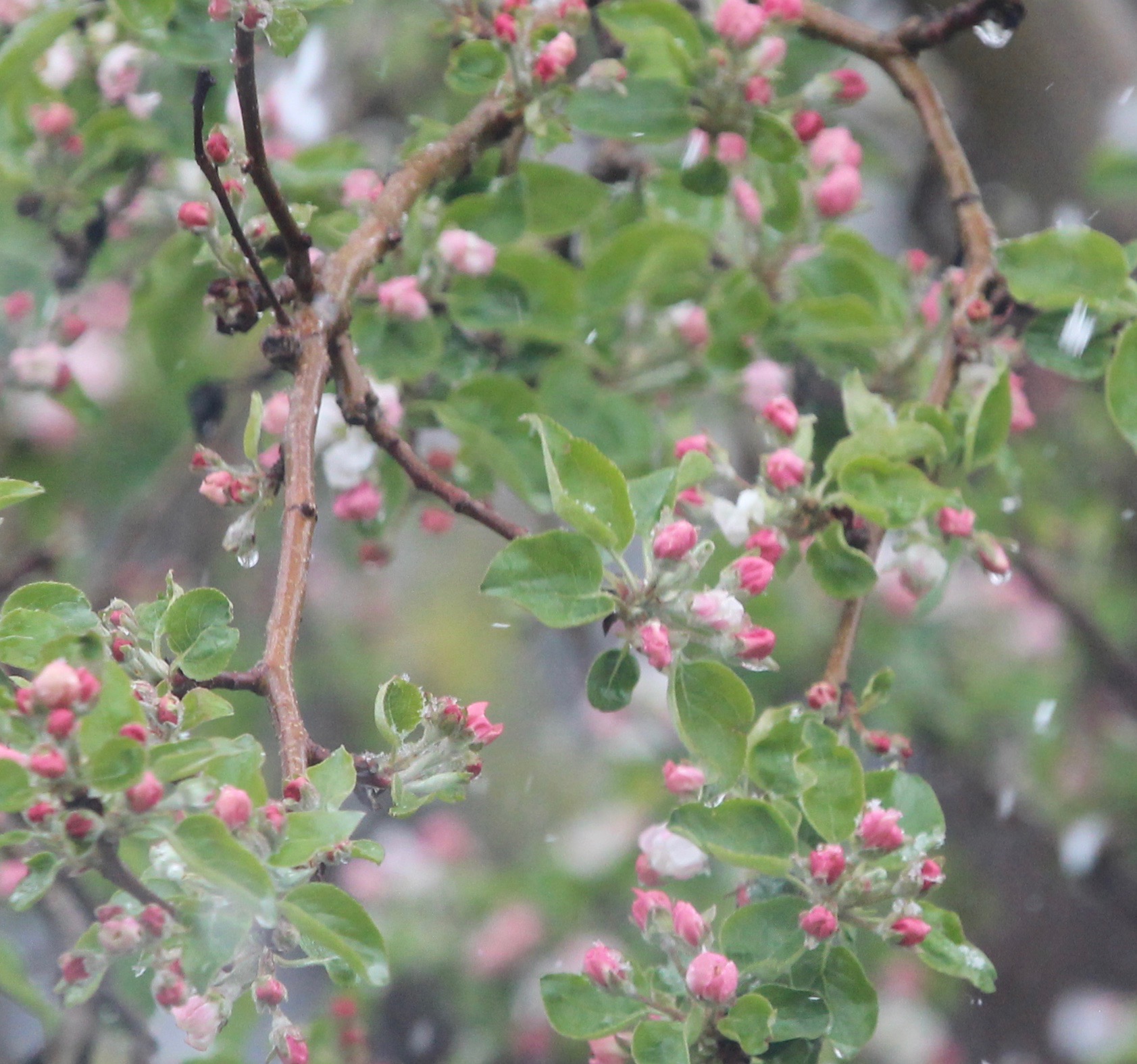
Heavy, wet snowflakes mix with apple blossoms on the first day of May in Saint Paul, MN.

It was a good rain, light-to-steady over several hours, the kind that soaks deeply into the soil and awakens late-sleeping perennials in the spring. Mid-afternoon, though the calendar showed May 1st, big, heavy snowflakes fell like icy polka dots. The blend of apple blossoms and sloppy, wet snow was a sly reminder that, in spite of increasing warmth and longer days, winter is never truly far away from those who live in the north!

The snow didn’t injure the blossoms of this more than 70-year-old Beacon apple tree, a hardy tree bred for Minnesota springs.

Winter Trees

A weathered old northern red oak (still living) has been a home to many birds and other animals.

A weathered old northern red oak (Quercus rubra) is home to many species of birds and other animals.

A tree’s beauty is easily noticed in three seasons: Spring’s first green haze of buds; summer’s rustling crown of leaves; and autumn’s smoldering colors. Winter uncovers a different kind of beauty: that of bark, interesting shapes, animal shelters and open sky — the guts of things not often seen.

A small stand of northern red oak, at our cabin along the Snake River in Pine County, MN, includes a tree that was sheared off in a summer windstorm two decades ago. Neighboring branches hide the jagged top most of the year, but in winter the scarred wood’s polished grain and shape are revealed, along with hidden nesting cavities. Squirrels, great-crested flycatchers, red-bellied woodpeckers and most recently, pileated woodpeckers have nested and raised their young in this red oak.

Crabapple trees (Malus) provide food for many birds and add winter color.

Crabapple trees (Malus) provide food for many birds and add winter color.

Crabapple trees, especially those with long-lasting fruit, add warm crimson to the stark black and white landscape. Their small shapes and curving branches remind me of bonsai trees. By late spring, most of the plump fruit will be consumed by cedar waxwings and robins.

The bark of river birch (Betula nigra) is multicolored and has a shredded texture.

The bark of river birch (Betula nigra) is multicolored and has a shredded texture.

Bark patterns and colors are more pronounced in winter with fewer distractions from the rest of the plant world. One of my favorites is the papery bark of the river birch. The colors range from soft brown to salmon, pink and ivory. The bark shreds and flutters in the wind. Paper birch bark (Betula papyrifera) is pretty too, especially at sunrise and sunset when low rays add blush to the tips of twigs and branches.

White spruce (Picea glauca) and other evergreens shelter many creatures.

White spruce (Picea glauca) and other evergreens shelter many creatures.

The white spruce has grayish-red bark with a rough mosaic-like texture. Its evergreen branches shelter cardinals, kinglets, juncos and chickadees. At the end of winter, new burgundy cones appear, like tiny ornaments, on the tips of branches.

New cones form on a white spruce.

New cones form on a white spruce.

Winter trees reveal the hidden face of nature — textures, hues, patterns weathered and worn — and more open sky to view the moon, stars and urban sunsets; beauty to the eye that looks carefully. What do you see?

Winter sunset over Saint Paul, MN, on Feb. 22, 2017.

Winter sunset over Saint Paul, MN, on Feb. 22, 2017.


Memories of Birds

I heard a flock of robins this morning, murmuring softly to each other in the silver maples and hackberries. A male cardinal, tucked into our arbor vitae, whistled his “what cheer” melody. They sang memories of my dear friend Cathy Borden, who died one year ago today.

Cathy loved birds and, as I held her hand in the silence of a January evening, a flock of robins filled the trees outside her window at Our Lady of Peace hospice. She would have loved seeing the robins. Though she wasn’t conscious, she stirred when I described their rusty breasts, black heads and charcoal backs, and how they picked berries in the twilight.

I spun tales of steamy summer afternoons when we hiked the woods and fields of Eagan, just a small city at that time; of goldfinches collecting thistledown to line their cozy nests, rose-breasted grosbeaks flashing their lovely badges along the hiking trail, and tiny common yellowthroats calling “wichity-wichity”in the willow scrubs.

An American goldfinch spreads its wings in the bee balm patch.

An American goldfinch (Spinus tristis) spreads its wings to fly from the garden.

The birds continue to awaken beautiful memories. One night last November, when the “moon of freezing over” shone full and close, a great-horned owl hooted from a spruce in our front yard. I eased open a window to listen to its soothing call and remembered evening bike rides with Cathy in the bluff country of southeastern Minnesota.  We rode wooded trails where barred owls with liquid black eyes watched us from tree limbs overhead, a hen turkey and her flock of fuzzy poults scurried about the path in front of us, and night herons croaked their calls at dusk.

Black-capped chickadees are companionable in the garden and the woods.

Black-capped chickadees (Poecile atricapillus) are companionable in the garden and the woods.

Perhaps it’s the tiny black-capped chickadee, Cathy’s favorite bird, that most often brings her to mind. One fine morning last spring after a night of thunderstorms, chickadees whistled to each other in my garden and the year’s first lily of the valley opened, covered in rain droplets. (She loved these flowers and tried to grow them for many years.) Cathy would have rejoiced in the antics of the chickadees, in the abundance of my lily of the valley garden, and in the beginning of a new day so fresh and lovely.

Lily of the valley(Convallaria majalis) is native to Northern Europe and Asia.

Lily of the valley(Convallaria majalis) is native to Northern Europe and Asia.

January Thaw

The week’s mild air and slow, steady melt have given voice to the first cardinal songs and chickadee whistles. Robins also call softly throughout the neighborhood. It’s too early to look for bulbs and other new life in the garden, but there’s a lot happening under the snow. I’m excited about the thaw and had a peek at what goes on under the white blanket during the winter!

Where the snow melted away from the lower stalks of a climbing rose, I found bracket fungus growing on the remains of an old stalk that died several winters ago. I hesitated to cut it down (for fear of damaging the plant) and left it alone. Now, nature is returning it to the earth on its own schedule. The fungus, also known as shelf fungus, breaks down the main components in the dead wood and returns them to the soil.

Bracket or shelf fungus, with their striations, remind me of freshwater clam shells.

Bracket or shelf fungus, with their striations, remind me of freshwater clam shells.

I also found a few patches of bright green moss exposed by the melt. I think it is fire moss (Ceratodon purpureus), which remains green under the snow throughout winter. Like the fungus, it is an ancient plant that evolved more than 500 million years ago. The moss breaks down rock and other components that enrich the soil. Moss also helps prevent erosion by holding water and soil in place. Its fresh spring green is a beautiful contrast to winter’s formal black and white.

Fire moss stays moist and green under the snow. It builds soil and helps control erosion.

Fire moss stays moist and green under the snow. It builds soil and helps control erosion.

Both plants replenish the earth and prepare for spring growth. So, in a few months, as you enjoy the beauty of spring bulbs, budding trees and blossoming perennials, remember the lowly fungi and moss that return nutrients to the earth and restore soil to nourish the circle of life.

Living things like this mourning cloak and common milkweed, benefit from the hidden actions of fungi and moss under the snow.

Living things like this mourning cloak and common milkweed, benefit from the hidden actions of fungi and moss under the snow.